
 Attractions
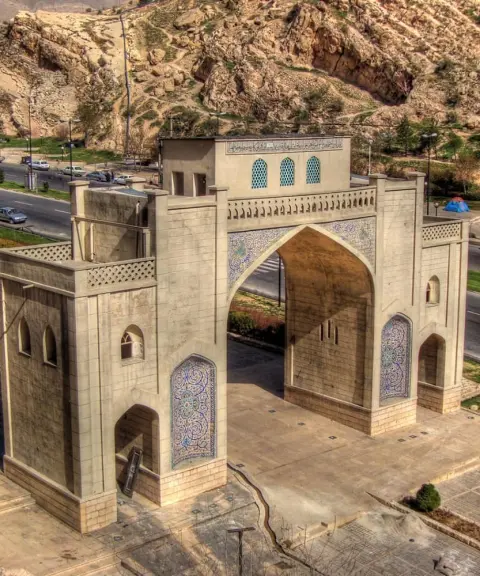
Tomb of Khwaju Kermani
The resting place of a mystic poet on the slopes of Mount Sabuyi in Shiraz
- Attractions
- Fars, Shiraz
- Altitude 1,619 m
- Ability level Beginner
Ability level:
Beginner
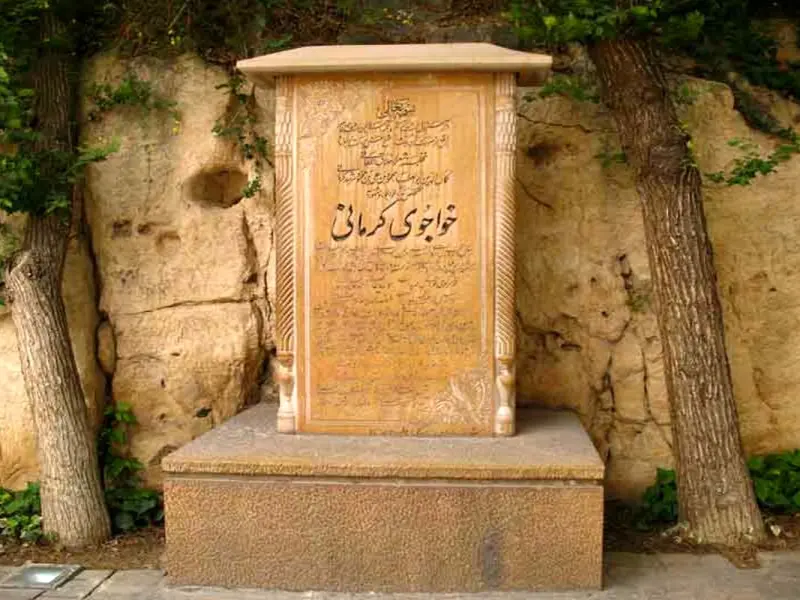
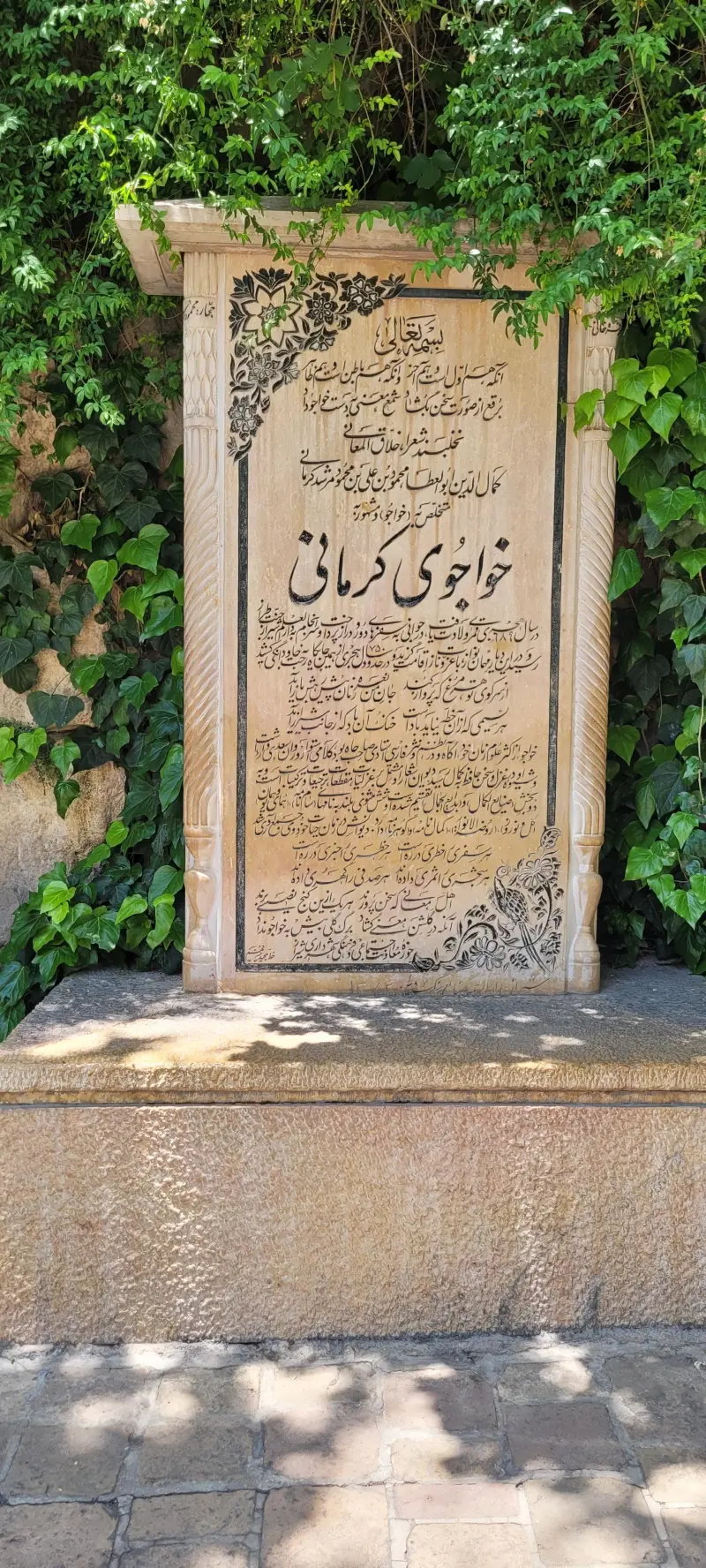
The Tomb of Khwaju Kermani is one of the most important cultural and historical attractions of Shiraz, in Fars Province. It stands on the slopes of Mount Sabuyi in the Allahu Akbar Gorge, in the northwest of the city near the Quran Gate (Darvazeh Quran). The site was built in memory of Kamal al-Din Abu al-Ata Mahmud ibn Ali ibn Mahmud, known as Khwaju Kermani, an eminent poet and mystic of the 8th century AH (Hijri lunar). Khwaju was born in Kerman but spent a significant part of his literary life in Shiraz, where he died and was buried. Today his tomb is a valuable cultural landmark that attracts tourists and lovers of Persian literature every year. The tomb was built in 1315 (Solar Hijri) through the efforts of the Fars Department of Culture, and it is now registered as number 916 on Iran's National Heritage list.
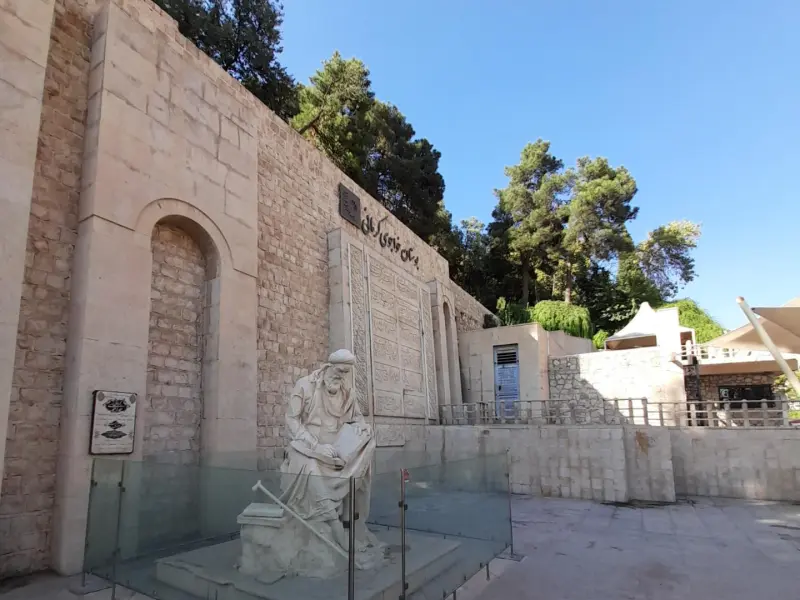
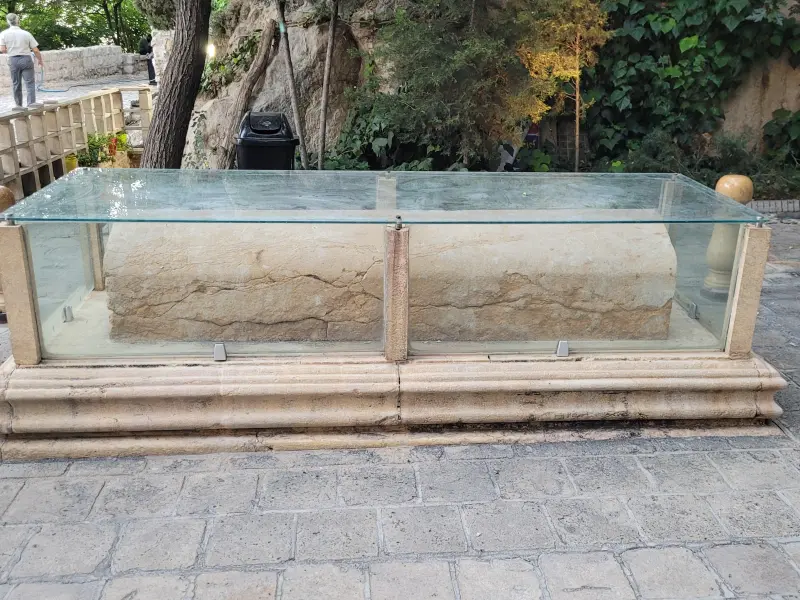
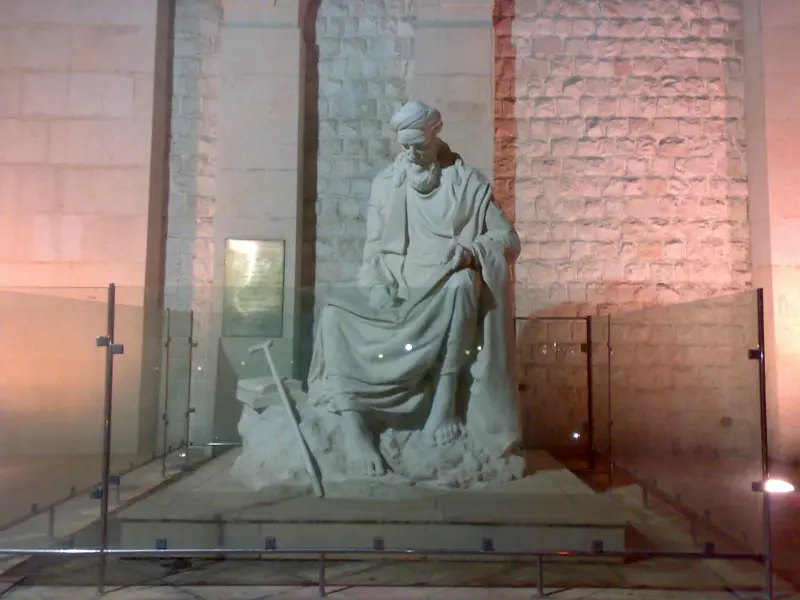
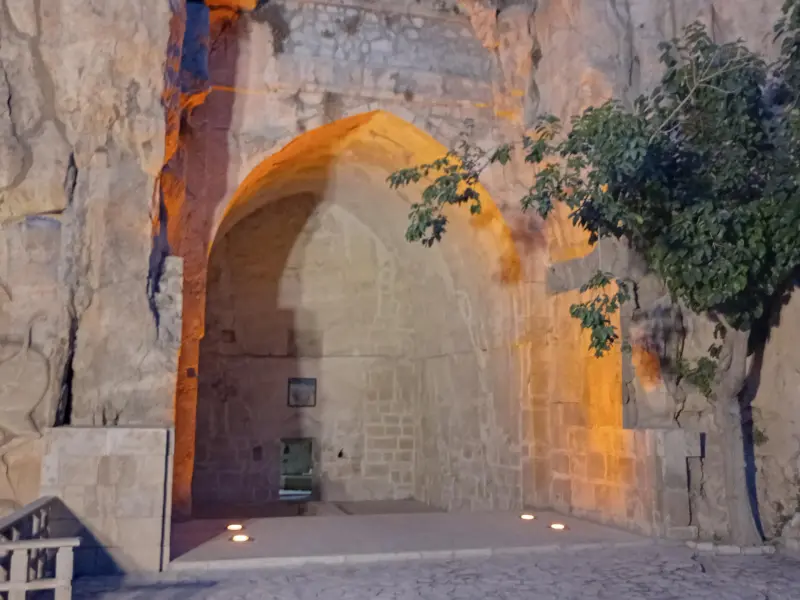
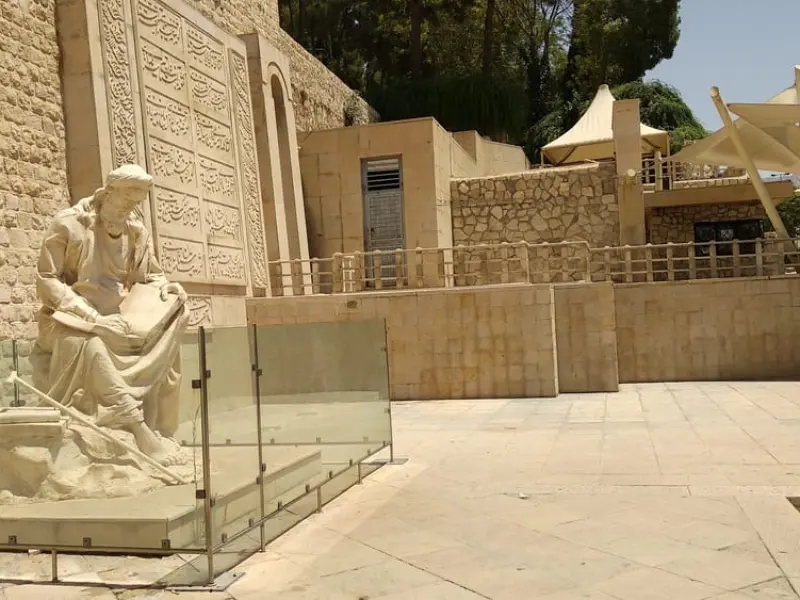
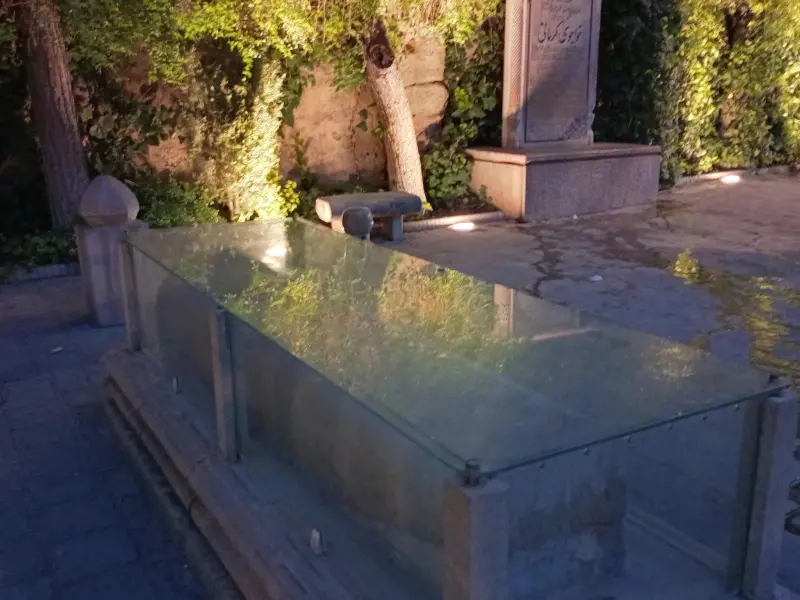
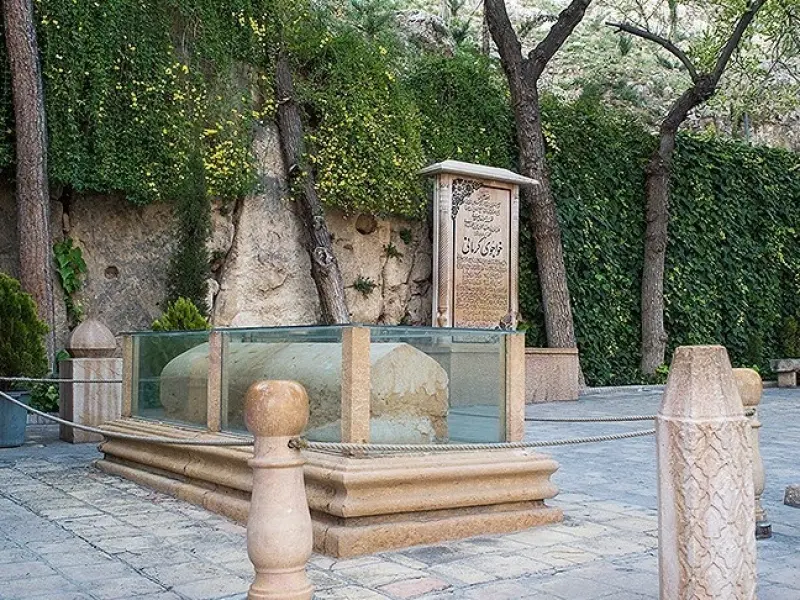
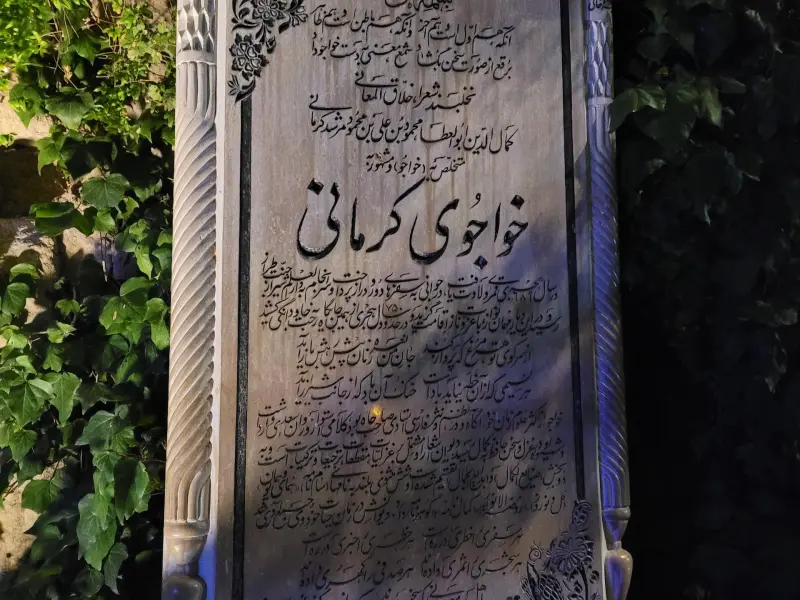
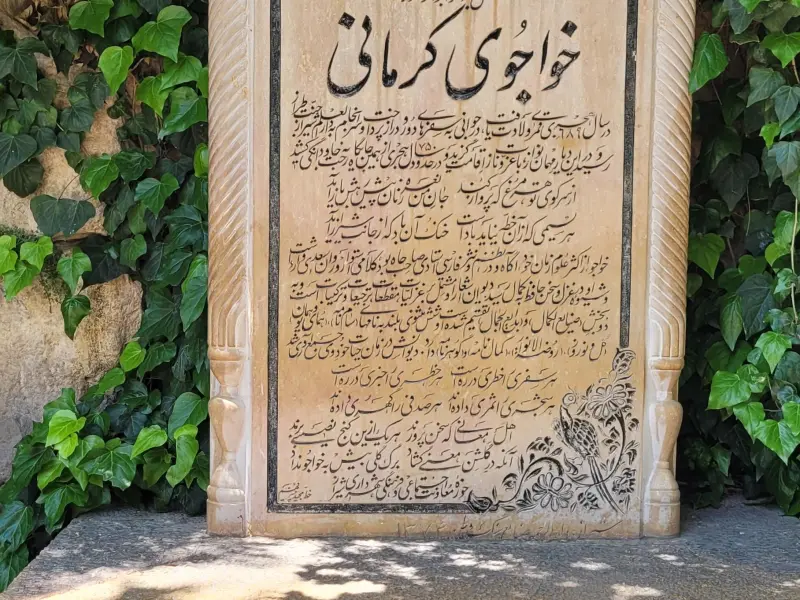
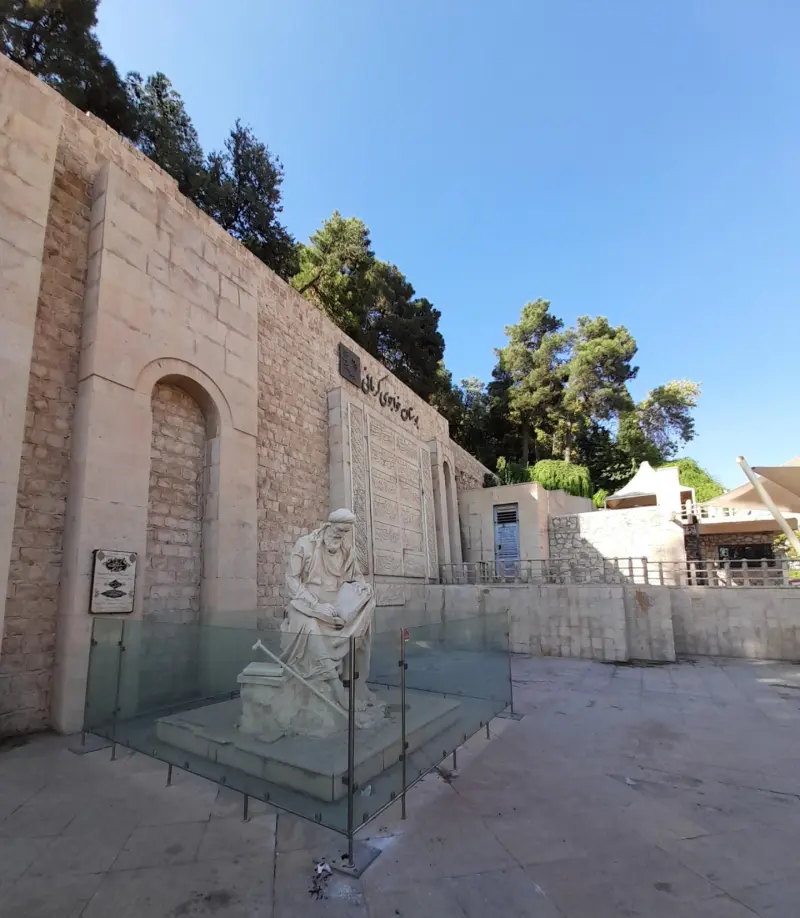
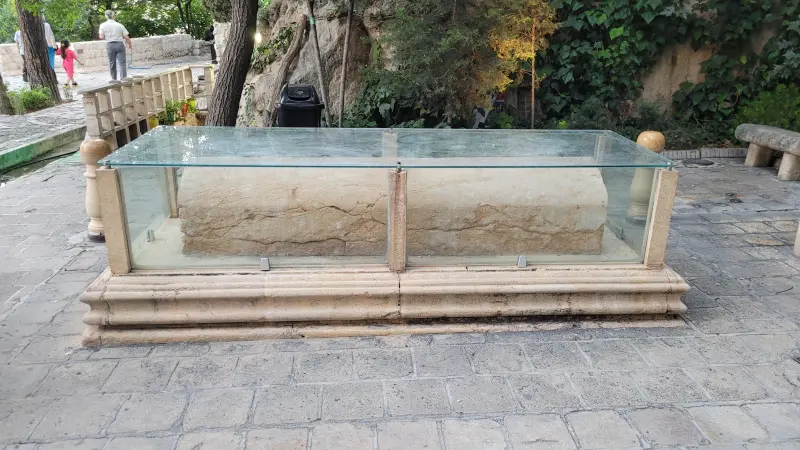
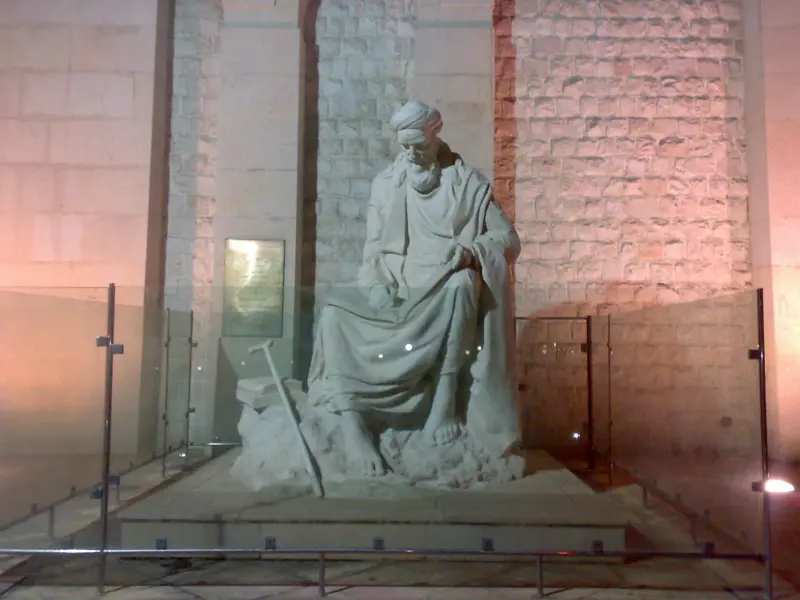
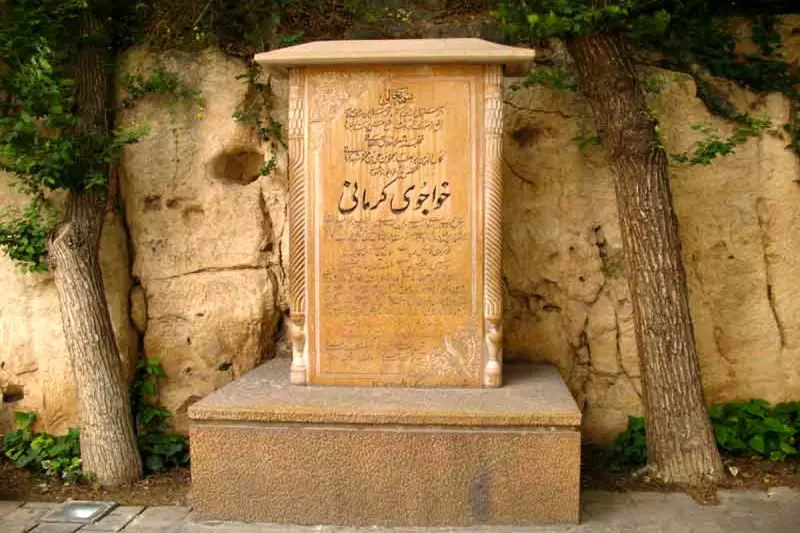
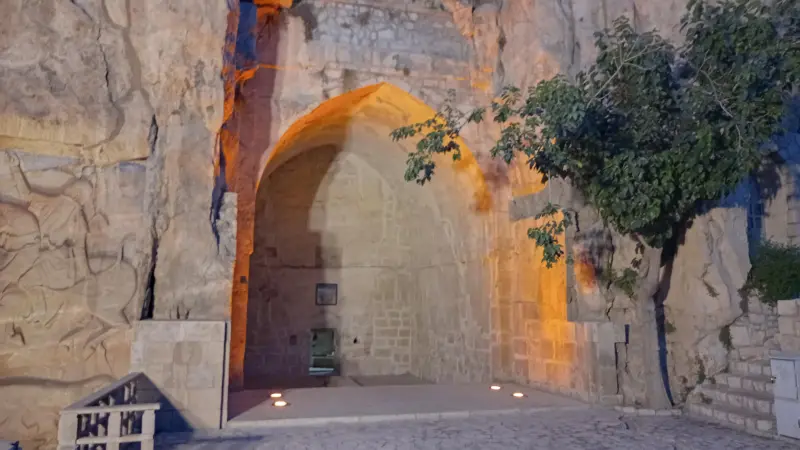
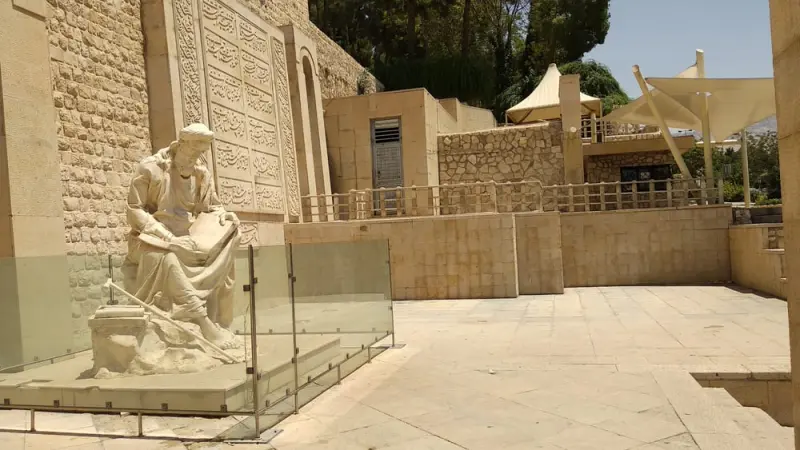
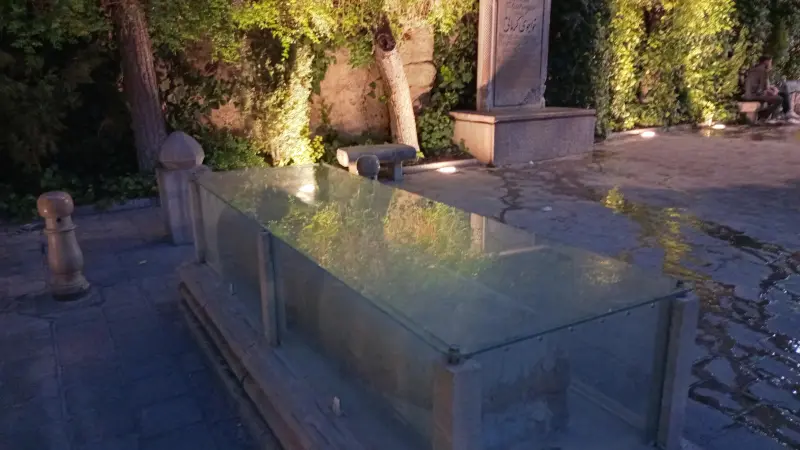
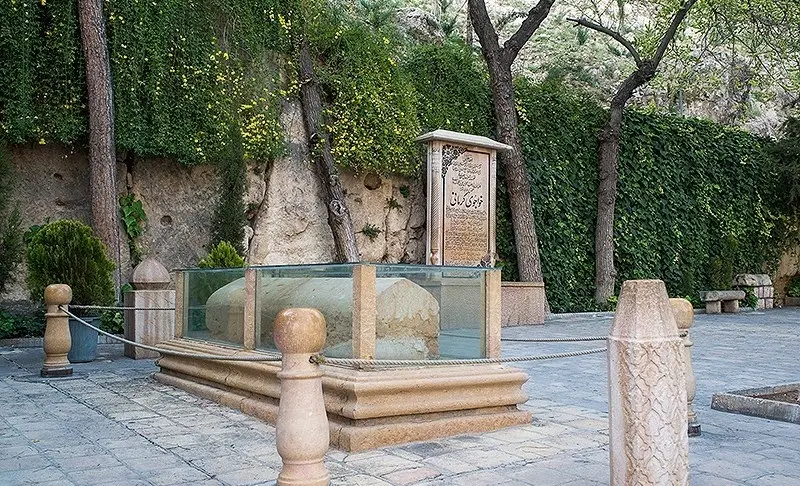
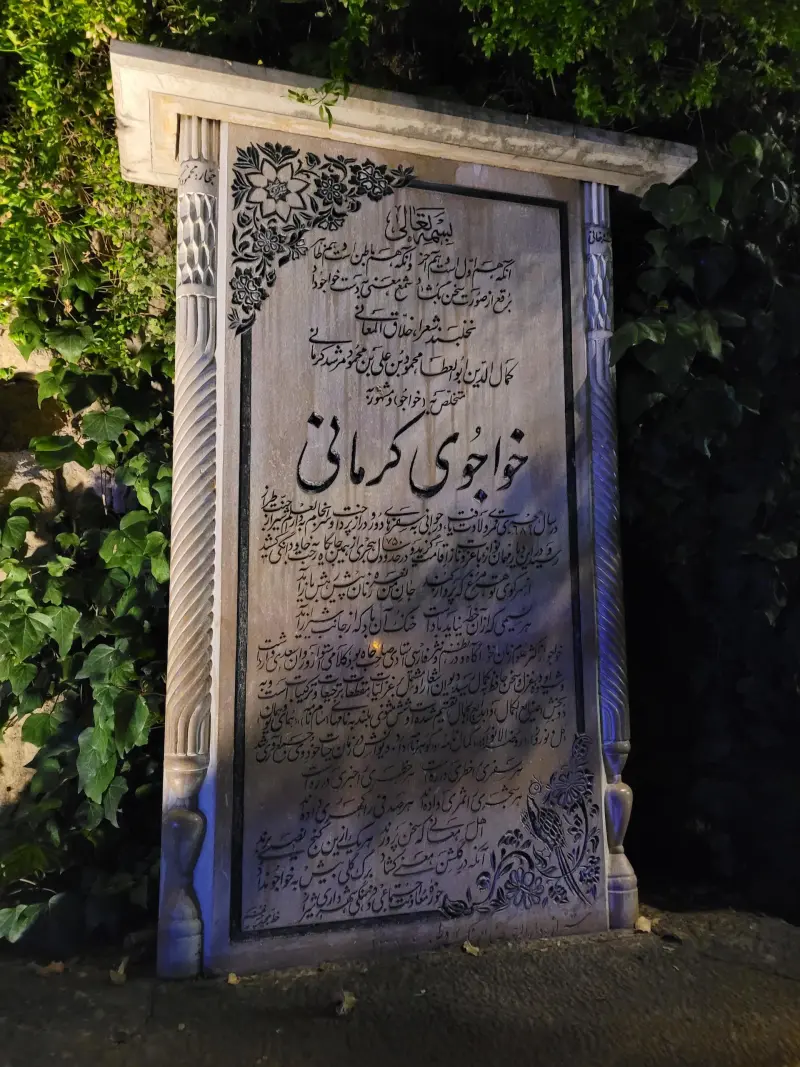
The tomb has a simple design, an open space with no roof, set among stone paving and stone steps, with a beautiful view of Shiraz and the Quran Gate. Khwaju's gravestone stands in the center of the space, enclosed in a glass cover and carved with a verse from the Holy Quran, since no direct information about the person buried there appears on the stone. Beside the tomb you can see a stone statue of Khwaju Kermani and inscriptions of his poems, which make the visit richer for lovers of poetry and history. Higher up from the tomb there are three historic caves. One of them was once a place of worship and asceticism for the poet and for Sufis, while the others hold historical works such as rock carvings of Rostam and a lion, and an unfinished relief of Fath-Ali Shah and his two sons.
The best way to reach the Tomb of Khwaju Kermani is from the center of Shiraz. Simply head toward the Quran Gate or Ayatollah Rabbani Boulevard / Haft Tanan Boulevard until you reach the entrance to the site. The tomb lies close to other historic attractions of Shiraz, such as the Quran Gate, the Hafezieh, the Haft Tanan Museum Garden and the Jahan Nama Garden, so you can plan a one-day cultural and historical itinerary. The best time to visit is spring and early autumn, when the weather is milder, although Shiraz has its own charm in every season. Practicing responsible tourism, such as respecting cultural monuments, keeping the site clean and staying on the designated paths, helps preserve this cultural heritage.
Written by زهرا لنگری Last updated
Activities
What you can do here, and what it takes
-
Walking
مسیرهای سنگفرش و پلههای آرامگاه و پارک پیرامون برای پیادهروی آرام و مشاهدهٔ فضاهای تاریخی مناسب است.
Specifications
Introduction of the location and specifications of Tomb of Khwaju Kermani
Location:
Fars, Shiraz
Coordinates:
29.63645659, 52.56181781
Open in maps
Height above mean sea:
1619 meter
Floras:
Semi-arid mountainous
Faunas:
Presence of Allergenic Insects
Transports:
Private car, Walking, Minibus, Bus
Tourist Attractions in Shiraz
Attractions that are nearby
Vakil Divankhaneh Mansion
Province Fars
- Walking
Unfortunately, no comments have been registered.