
 Attractions
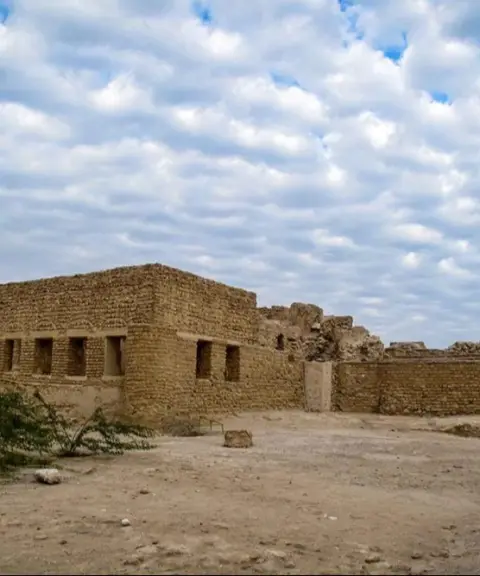
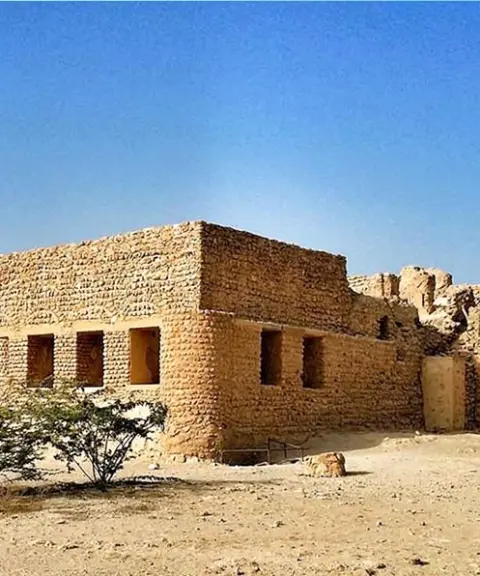
Harireh Ancient City
Province Hormozgan
- Walking
A Gem of Iranian Engineering in the Heart of the Island
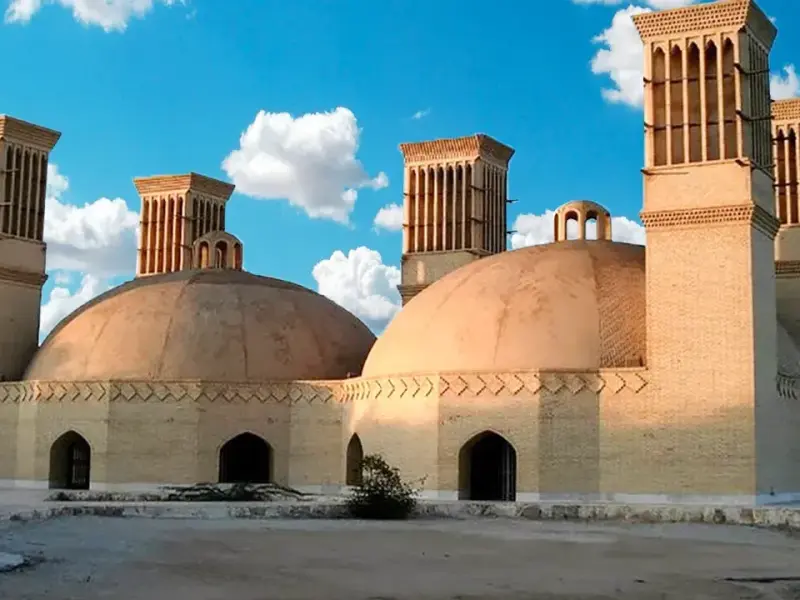
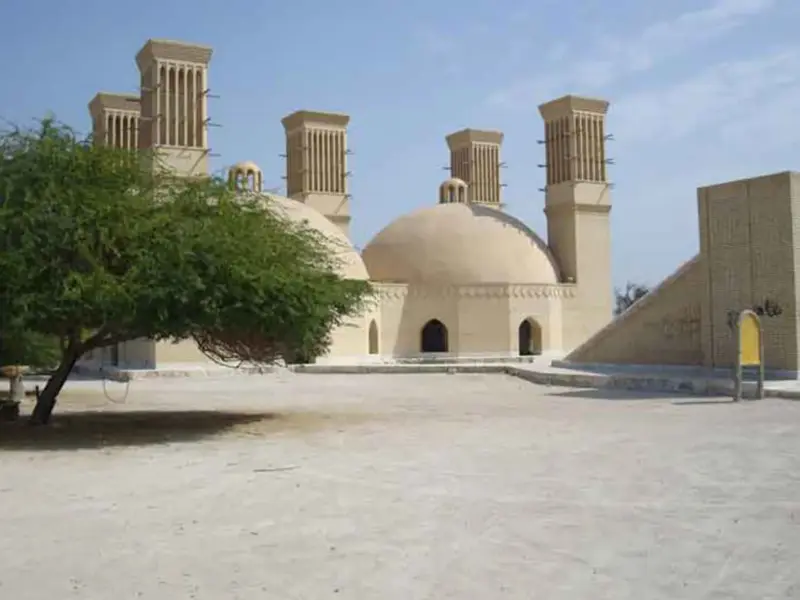
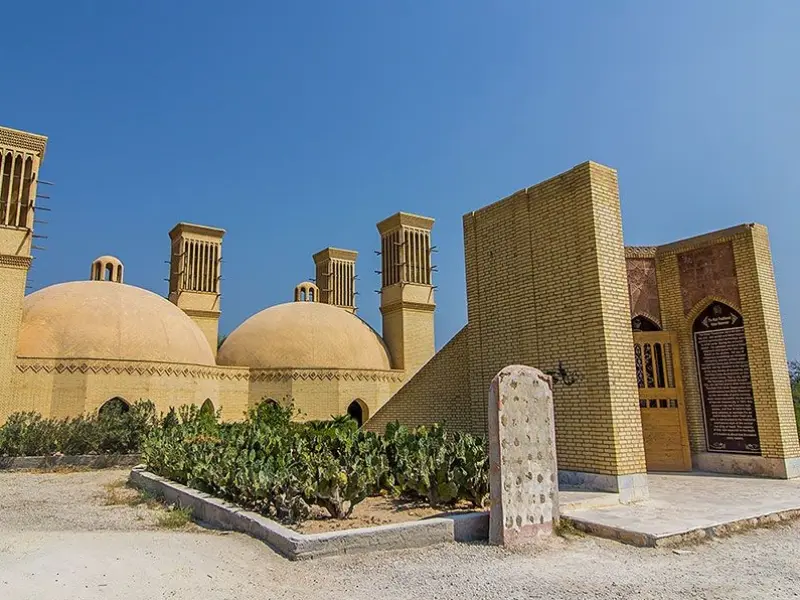
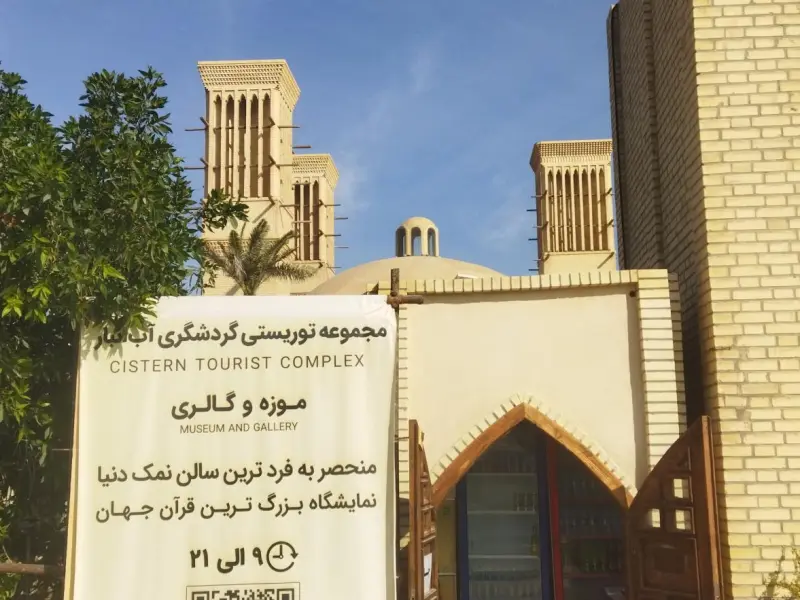
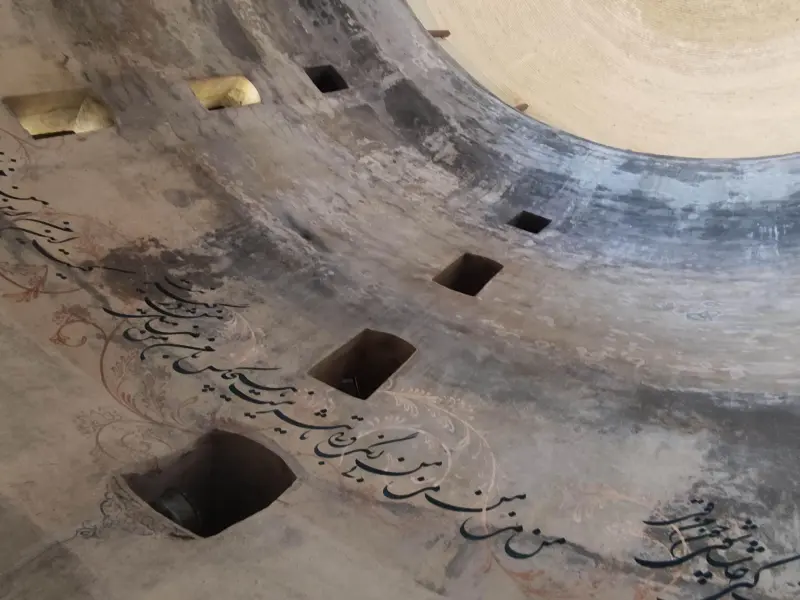
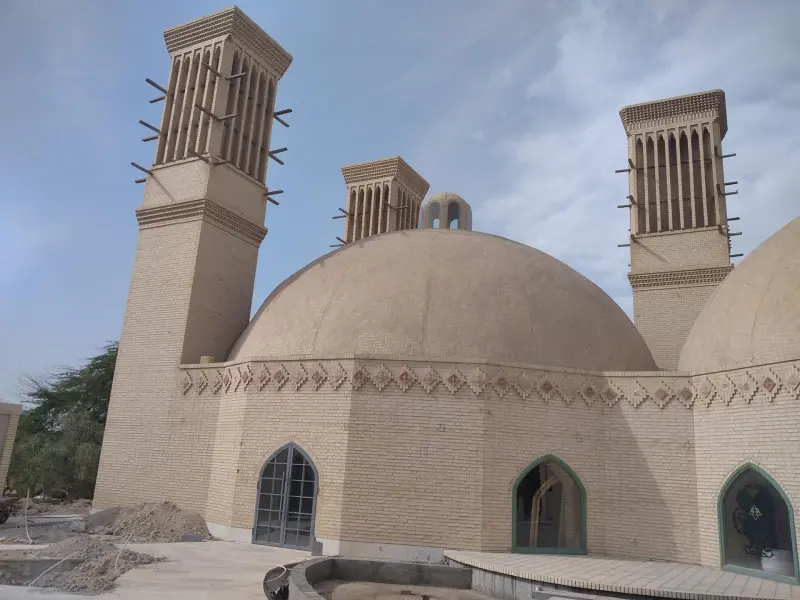
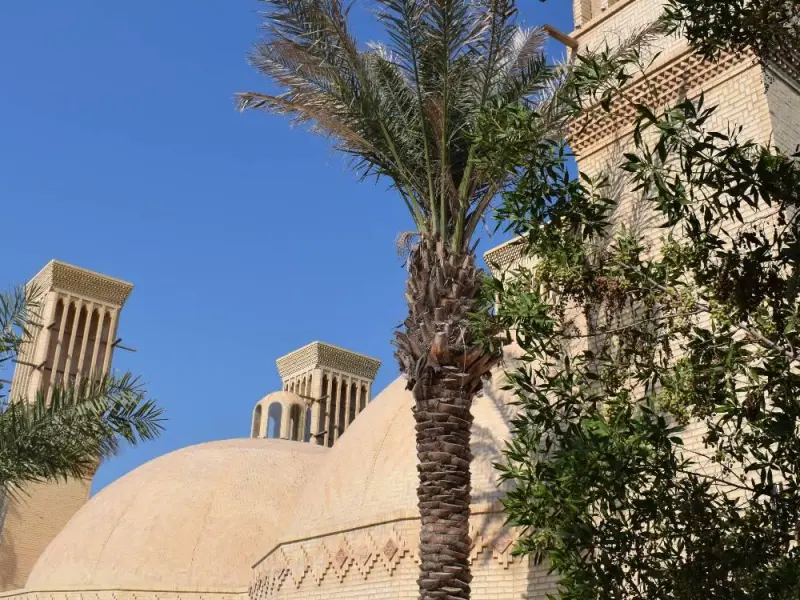
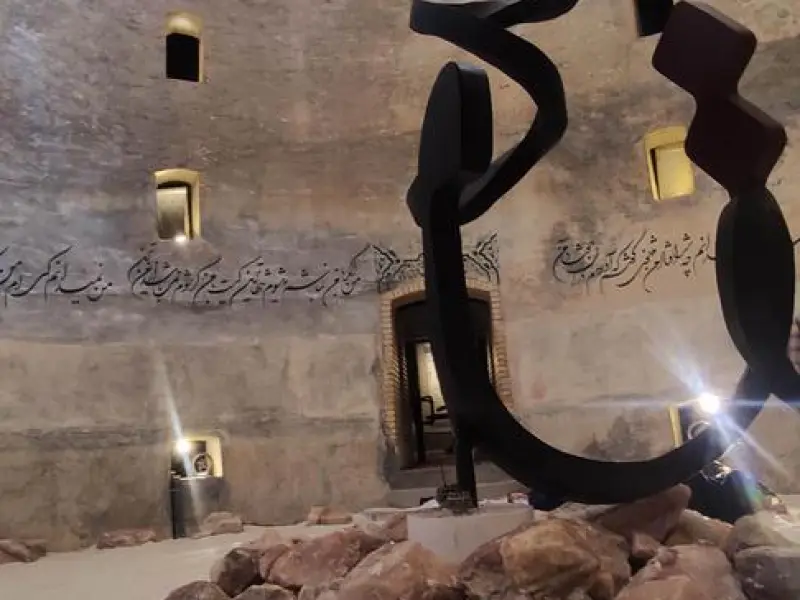
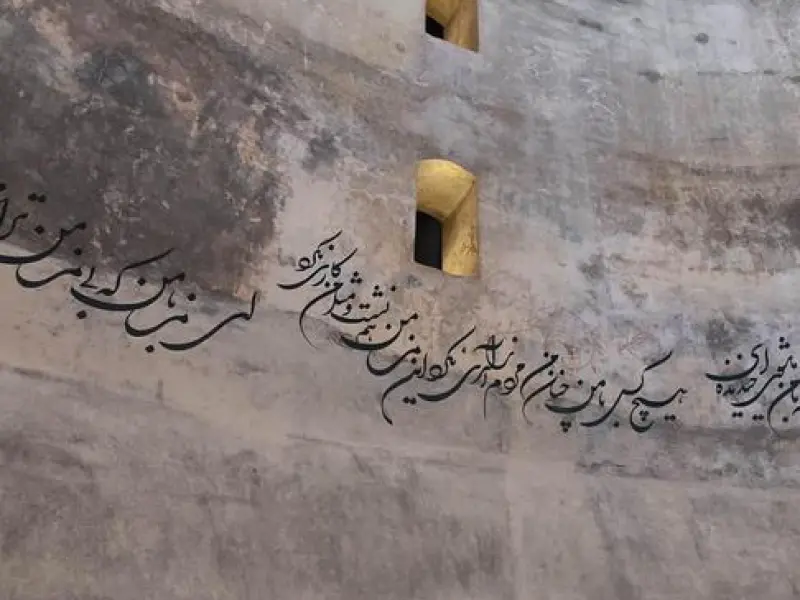
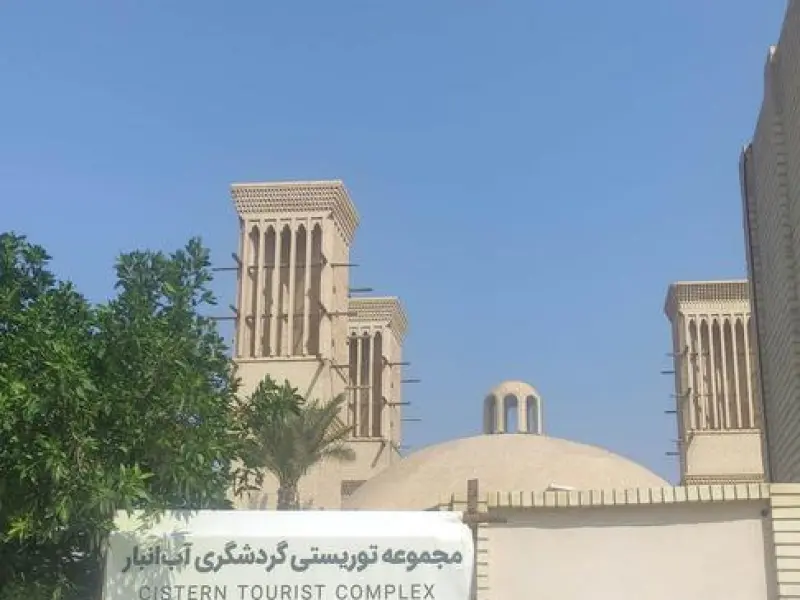
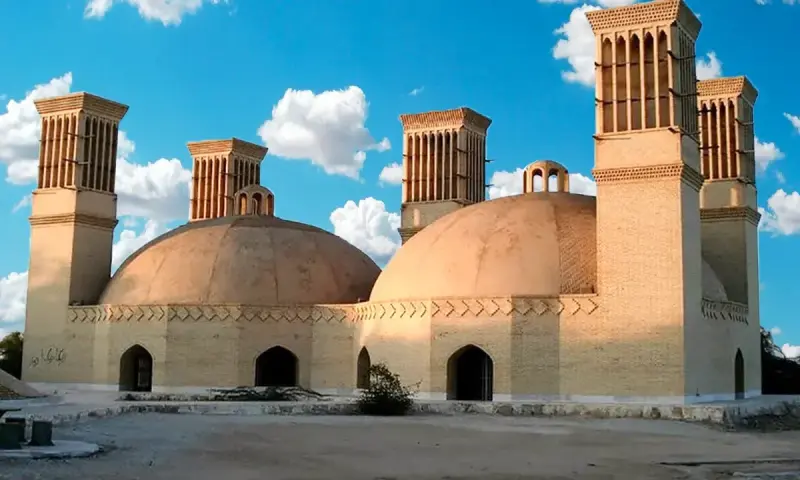
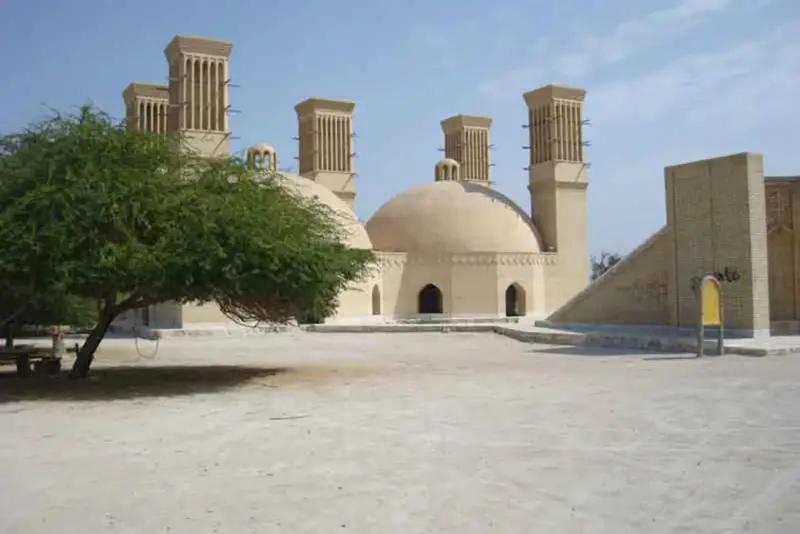
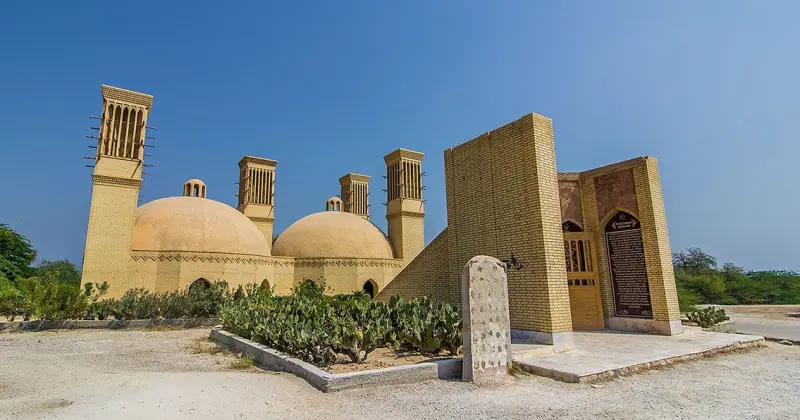
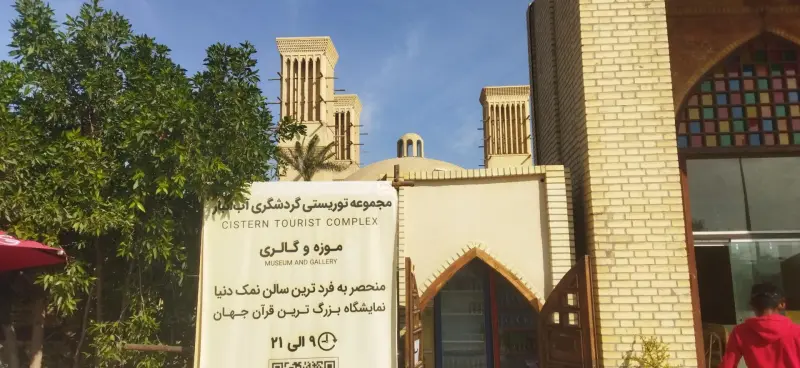
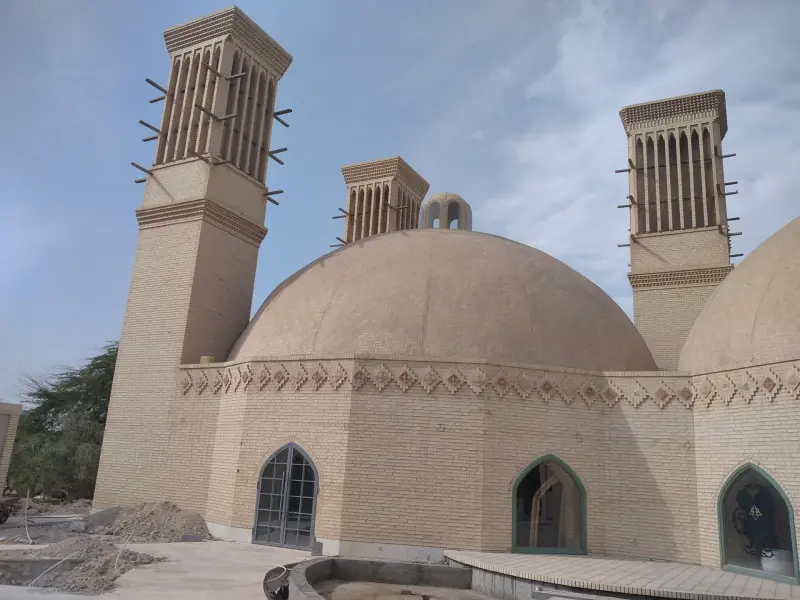
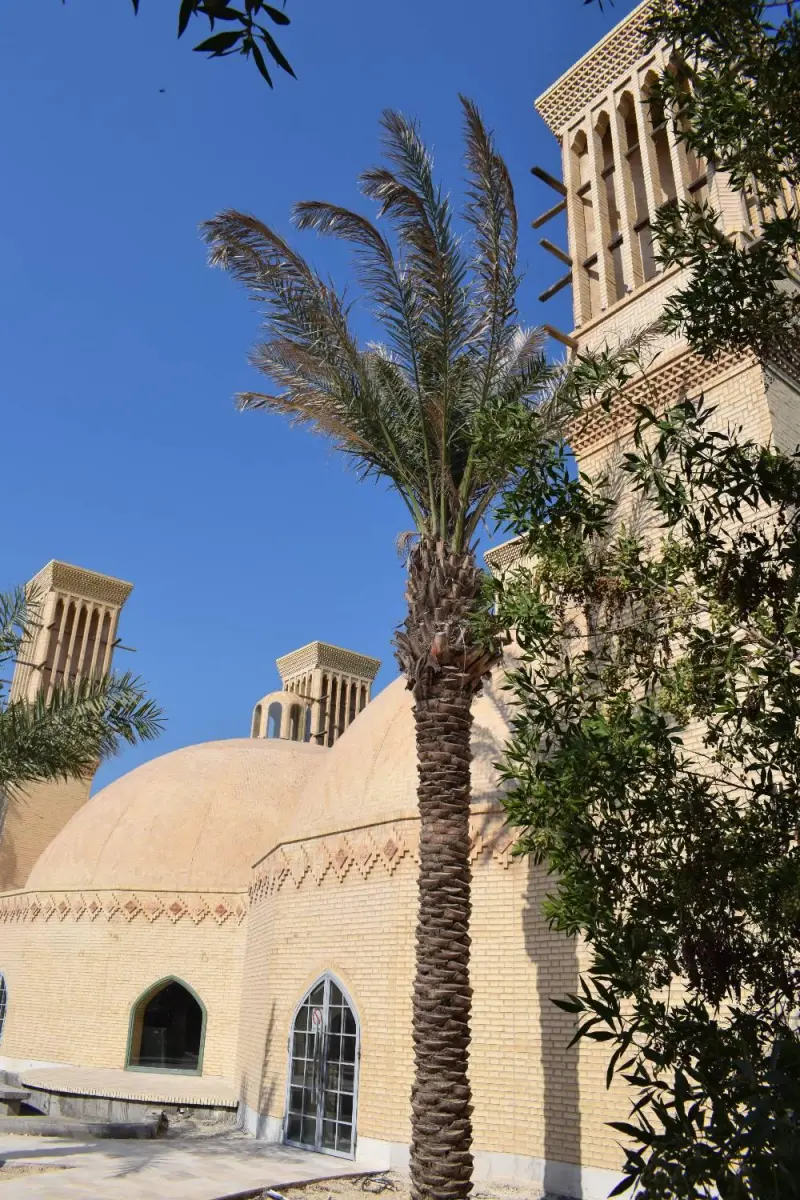

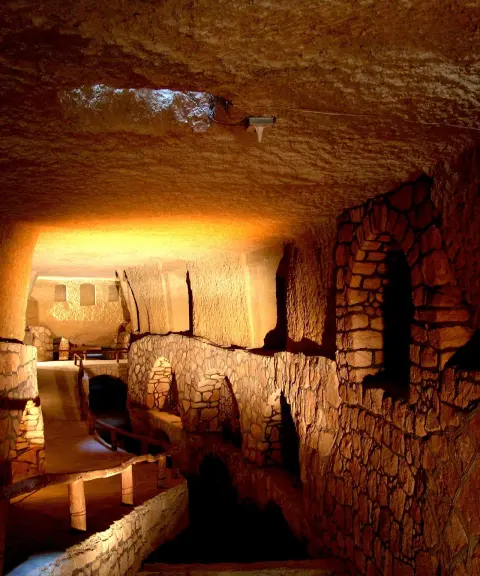
The Traditional Water Reservoir of Kish (ab-anbar) lies in the north of beautiful Kish Island, near the historic town of Harireh in Hormozgan Province, and is one of the island's most prominent cultural and historical attractions. Also known as the "Twin Five-Windcatcher Water Reservoir", it was built in the early 1370s (Solar Hijri; around 1993 CE) on the remains of an older reservoir, as a reminder of authentic Iranian architecture and the traditional ways of storing and cooling water in the hot, dry climate of southern Iran. The construction combines the historical function of a reservoir with the aesthetics of traditional architecture, and today it is regarded as one of the most striking symbols of the revival of local heritage on Kish Island.
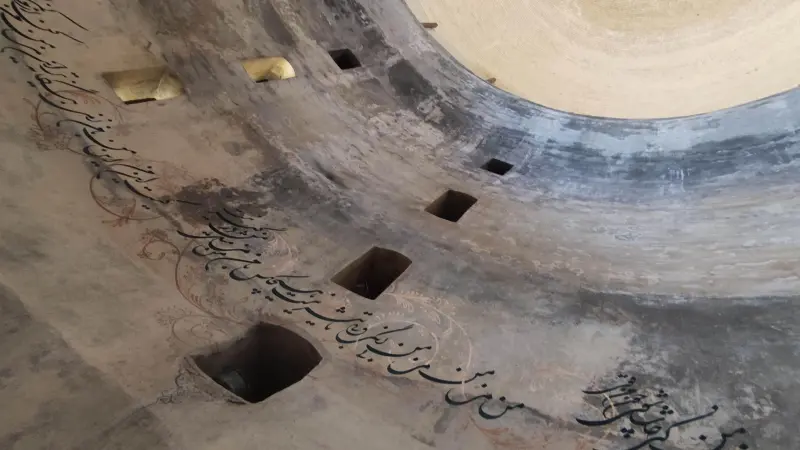
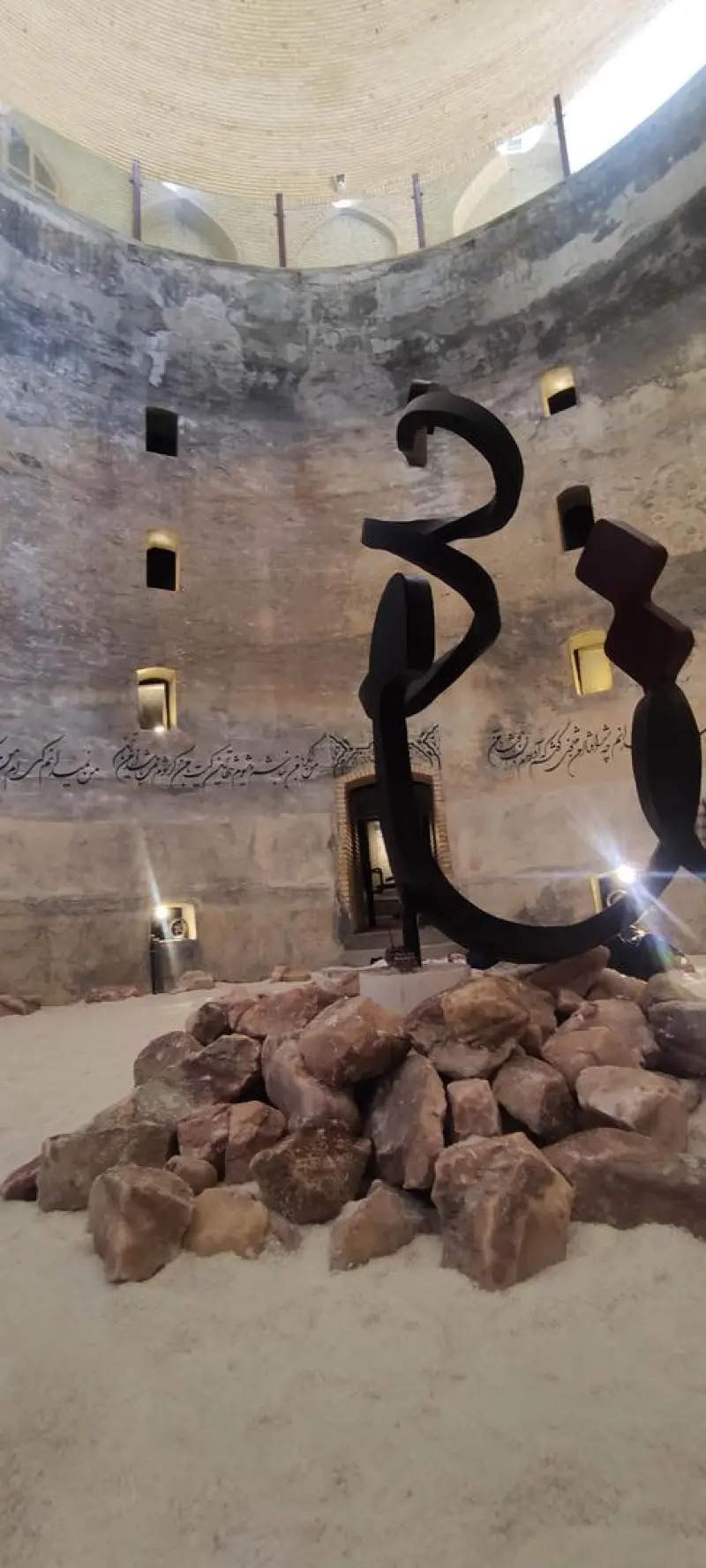
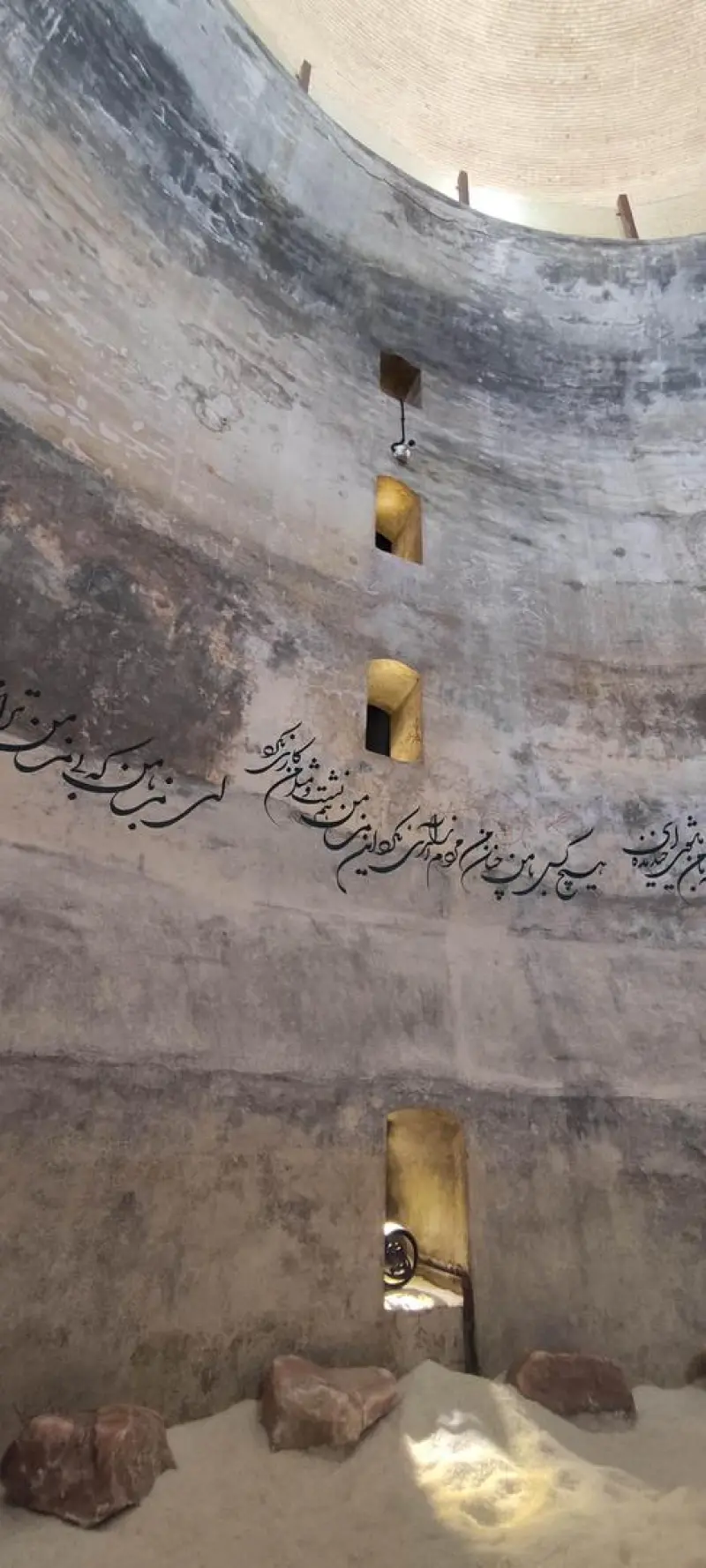
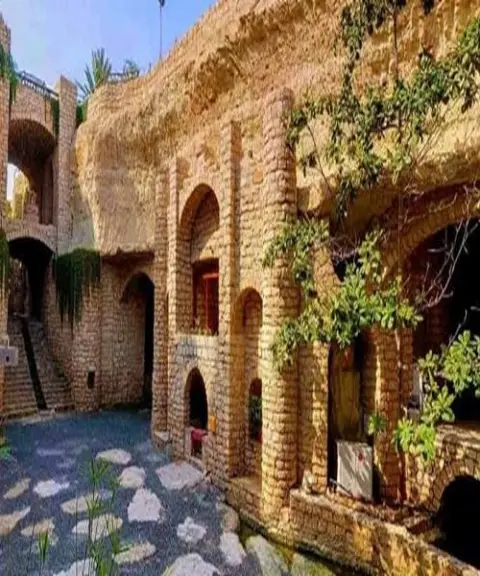
Architecturally, the Traditional Water Reservoir of Kish follows the pattern of the reservoirs of Iran's central plateau, drawing in particular on the classic architecture of Yazd. With its two domes and five tall windcatchers, the building is an impressive example of traditional Iranian engineering for natural ventilation and cooling. In the past, rainwater was collected from the island's surface and the surrounding paved areas and channelled into underground tanks. The thickness of the walls, the openings that regulated airflow and the clever operation of the windcatchers were all designed to keep temperatures low and prevent the water from evaporating. Today the interior has been paved and restored and is open to visitors, although it no longer works as an active water storage facility and is valued mainly as a cultural and educational site.
To reach the Traditional Water Reservoir of Kish, the best route is along Mirmohna Boulevard and then Olympic Boulevard. After passing through the inner squares, turn onto Derakht-e Sabz Street until the building's windcatchers come into view. The site is open daily from 9 a.m. to 10 p.m. and admission is free. About 30 minutes is enough to see the whole interior and the paved areas. The best time to visit is in the cooler seasons, namely autumn, winter and early spring, so that you avoid the intense summer heat of the island. While visiting, responsible tourism is very important: do not splash water, damage the walls or write on the structure, take your litter with you, and respect the historic site and its surroundings.
Written by زهرا لنگری Last updated
What you can do here, and what it takes
مسیرهای پاکوب اطراف شهر باستانی حریره و محوطه آبانبار مناسب پیادهروی آرام و گشتوگذار سبک است.
Province Hormozgan
Province Hormozgan
Province Hormozgan
Province Hormozgan

Province Hormozgan


Unfortunately, no comments have been registered.