
 Attractions
Imamzadeh Shahzadeh Hossein
Province Qazvin
- Walking
A treasure of Iranian-Islamic architecture
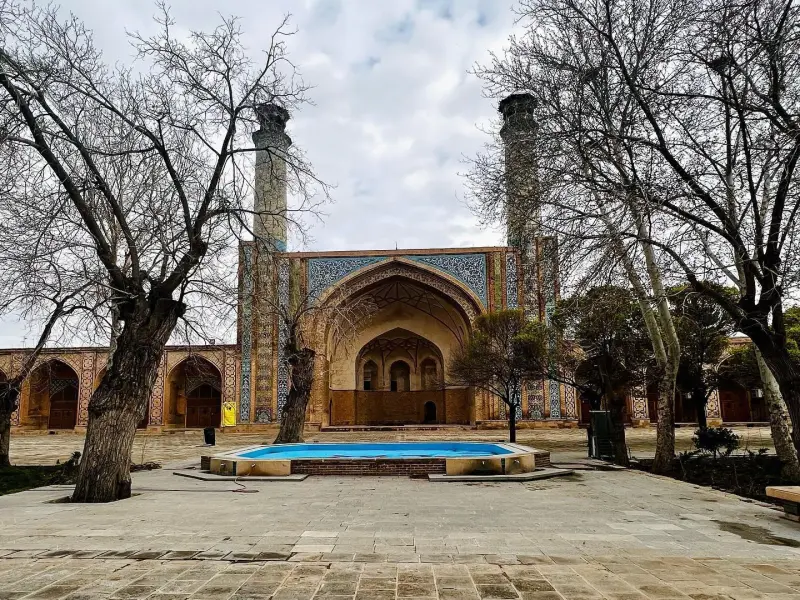
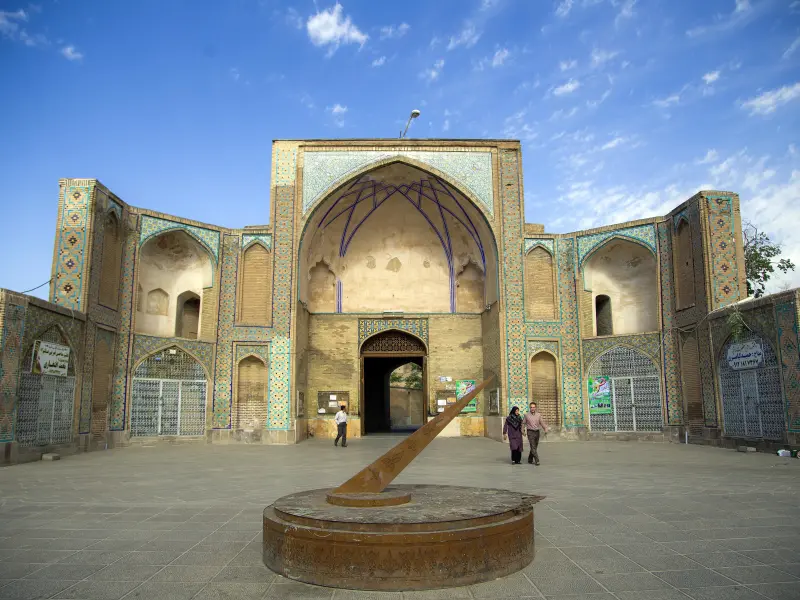
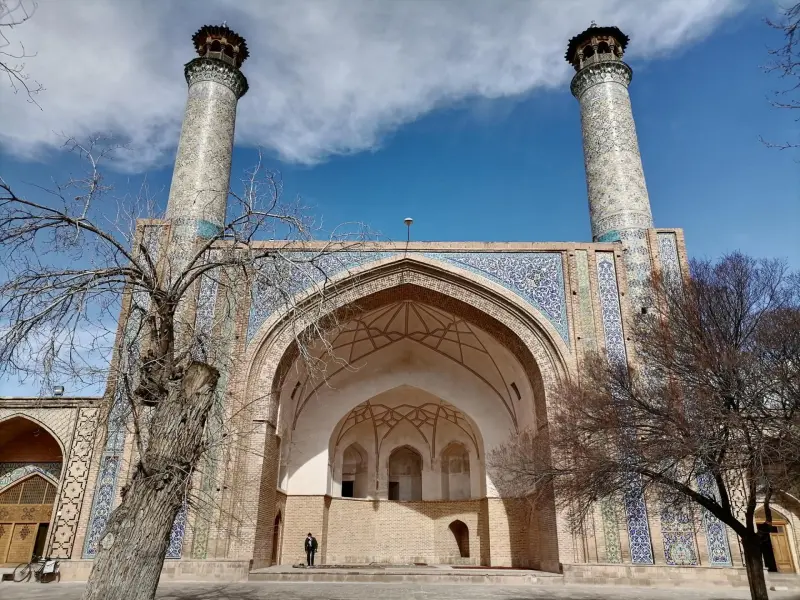
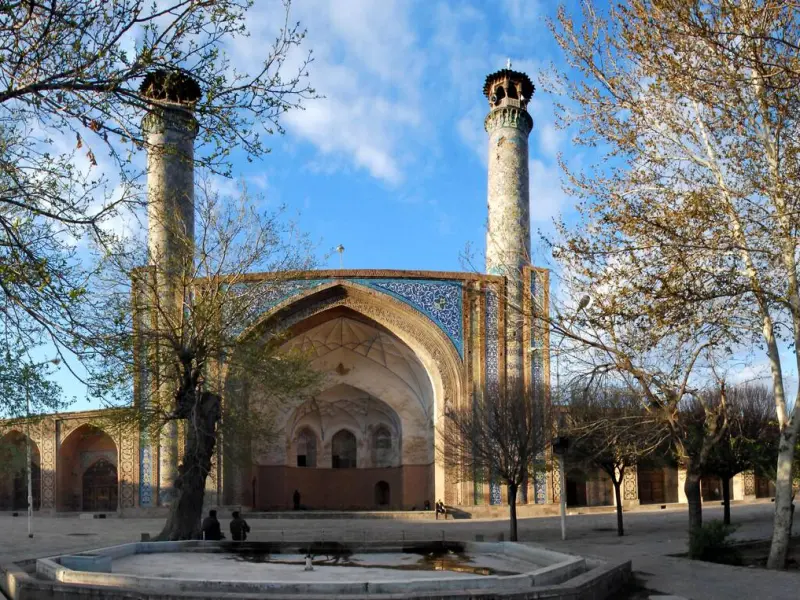
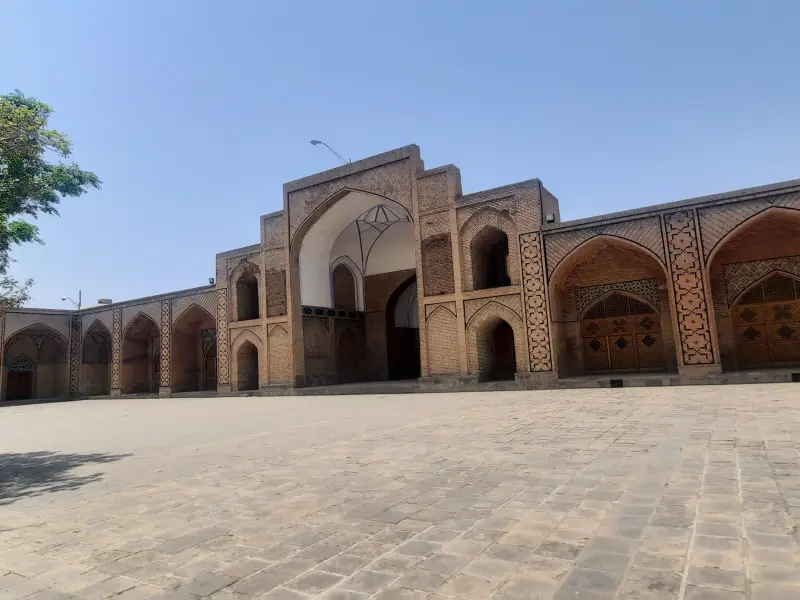
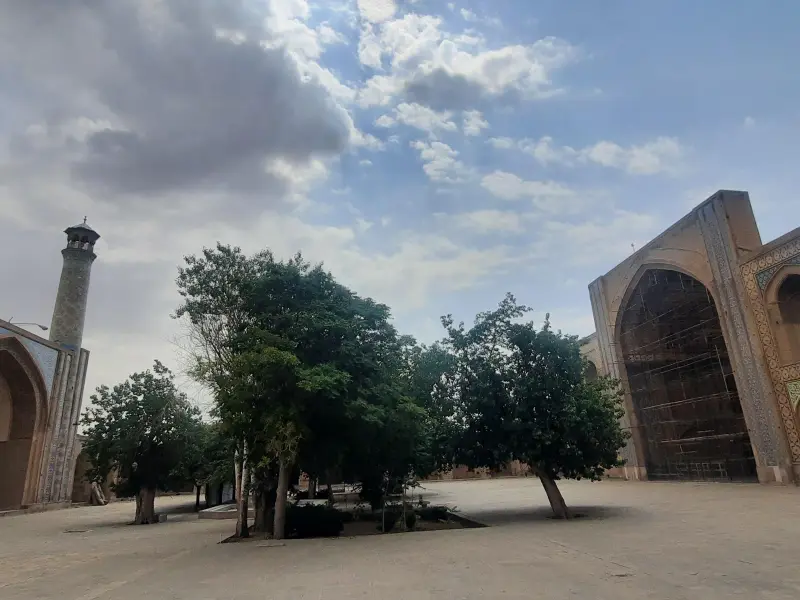
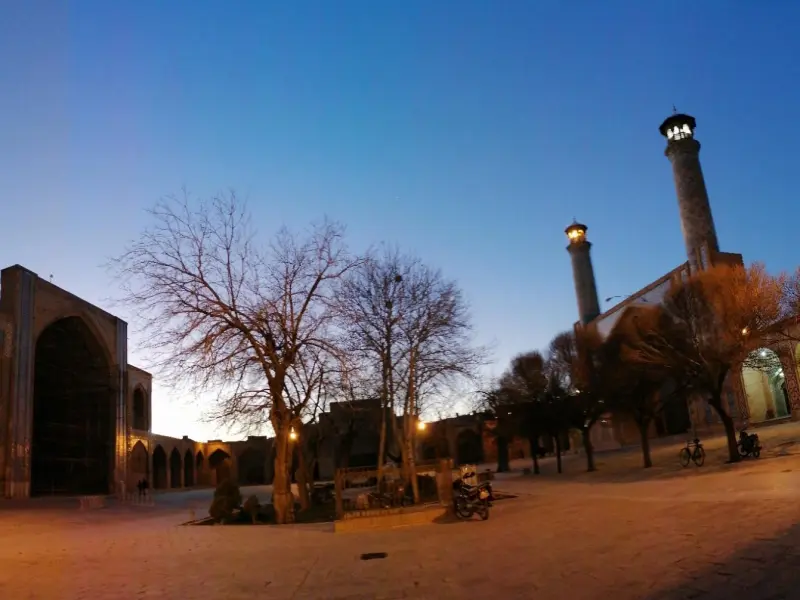
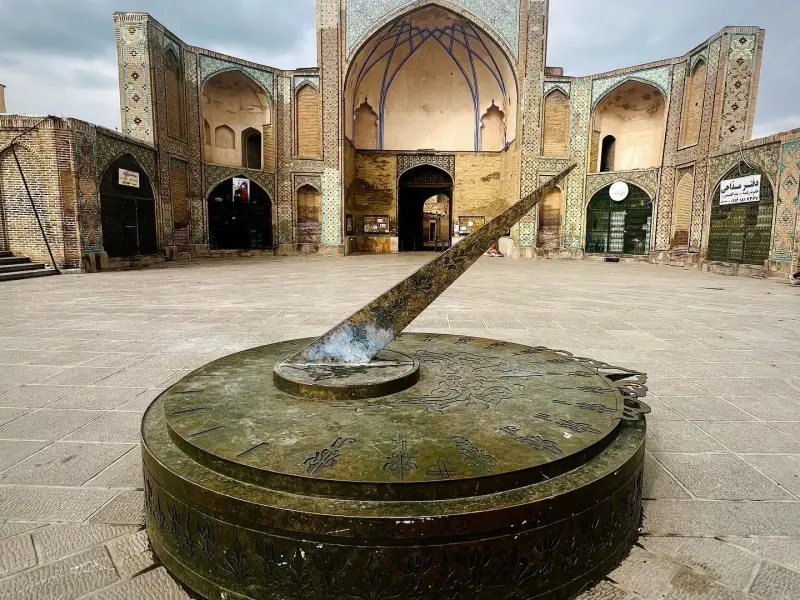
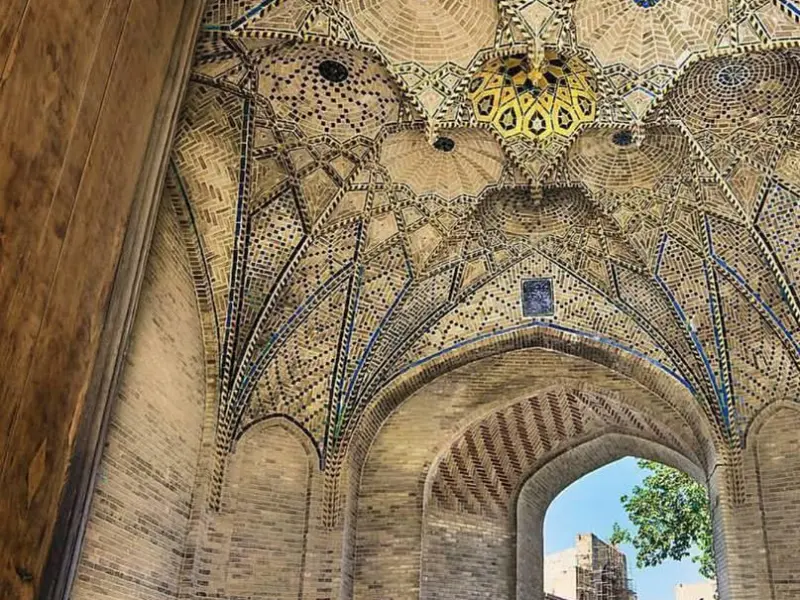
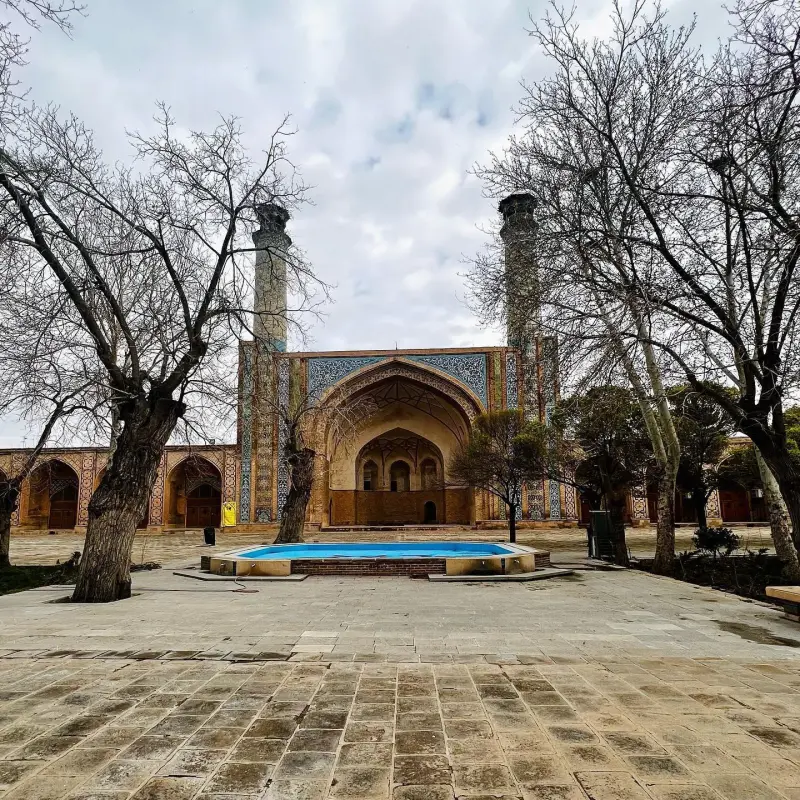
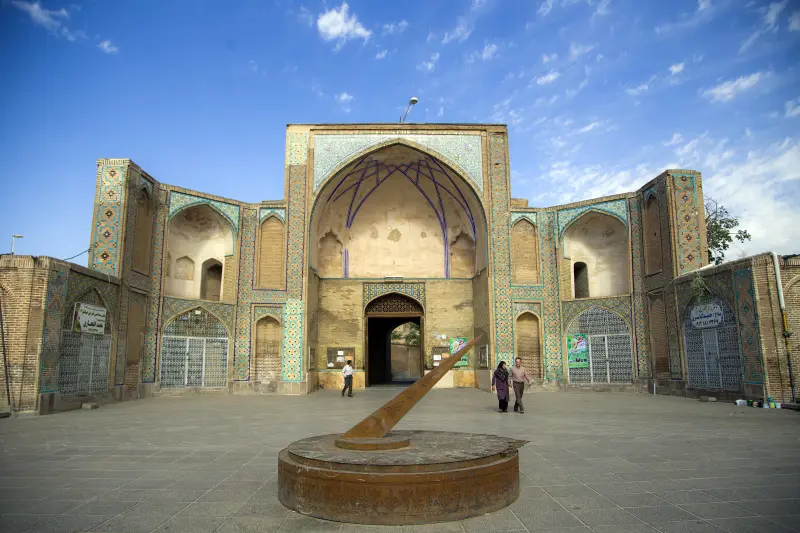
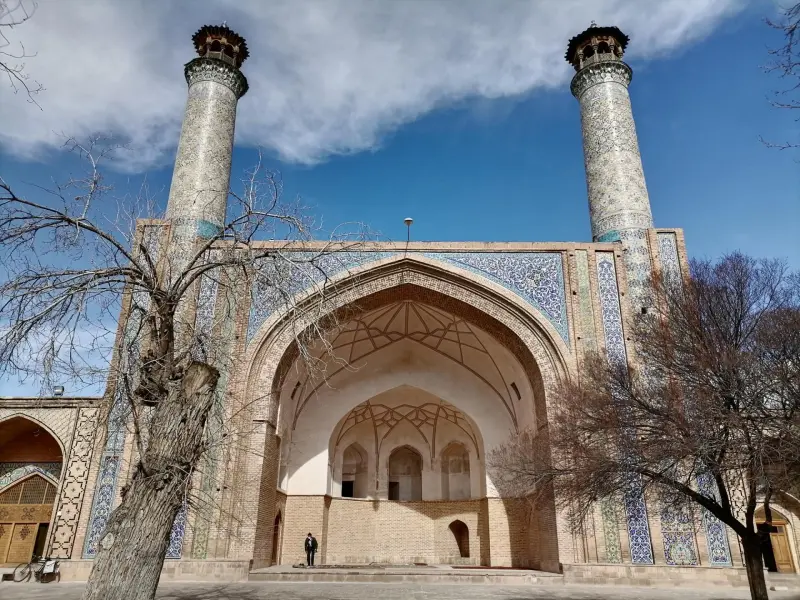
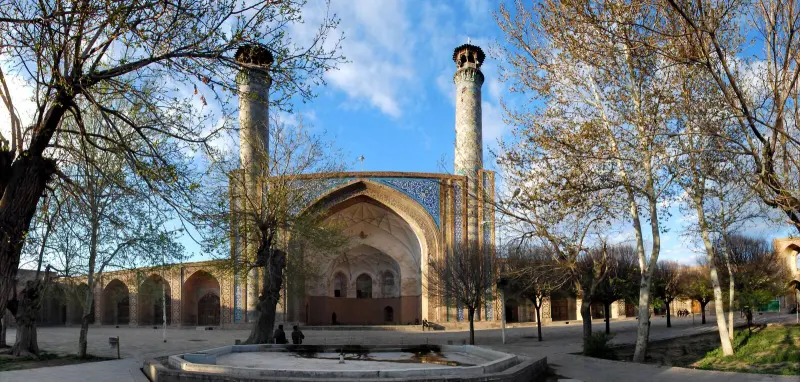
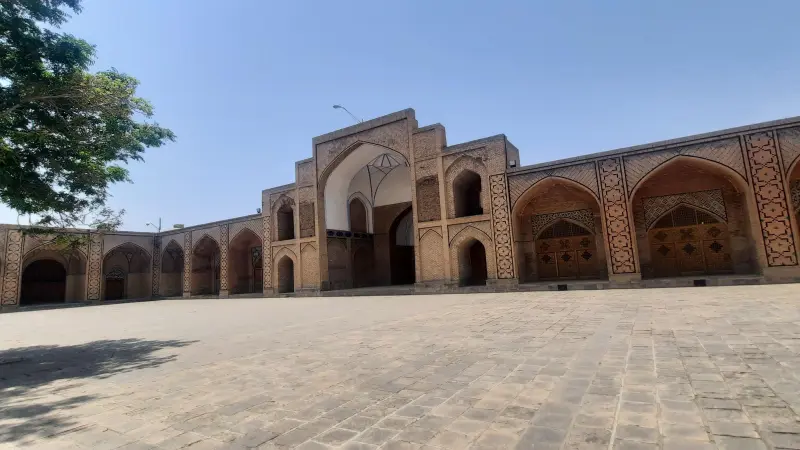
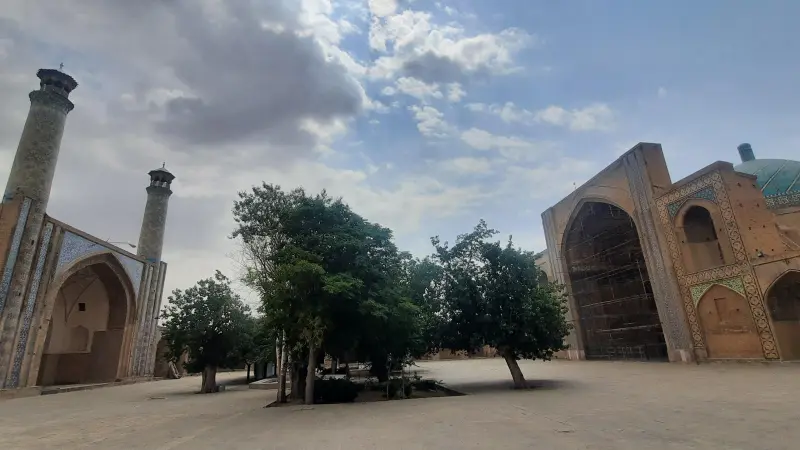
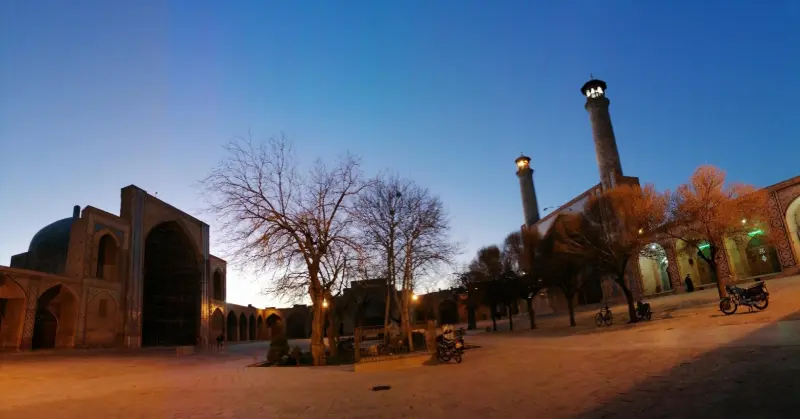
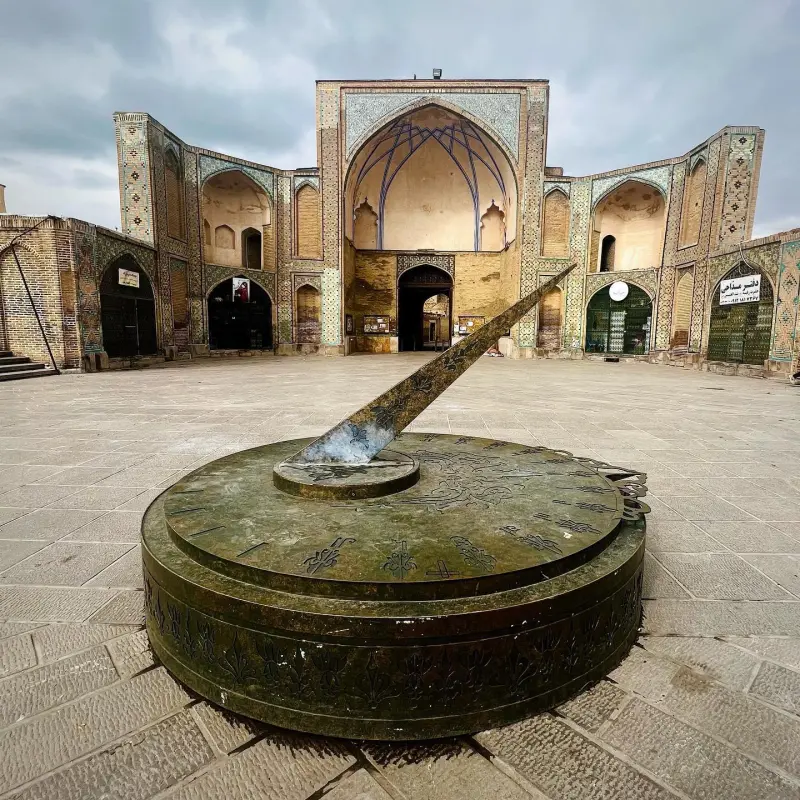
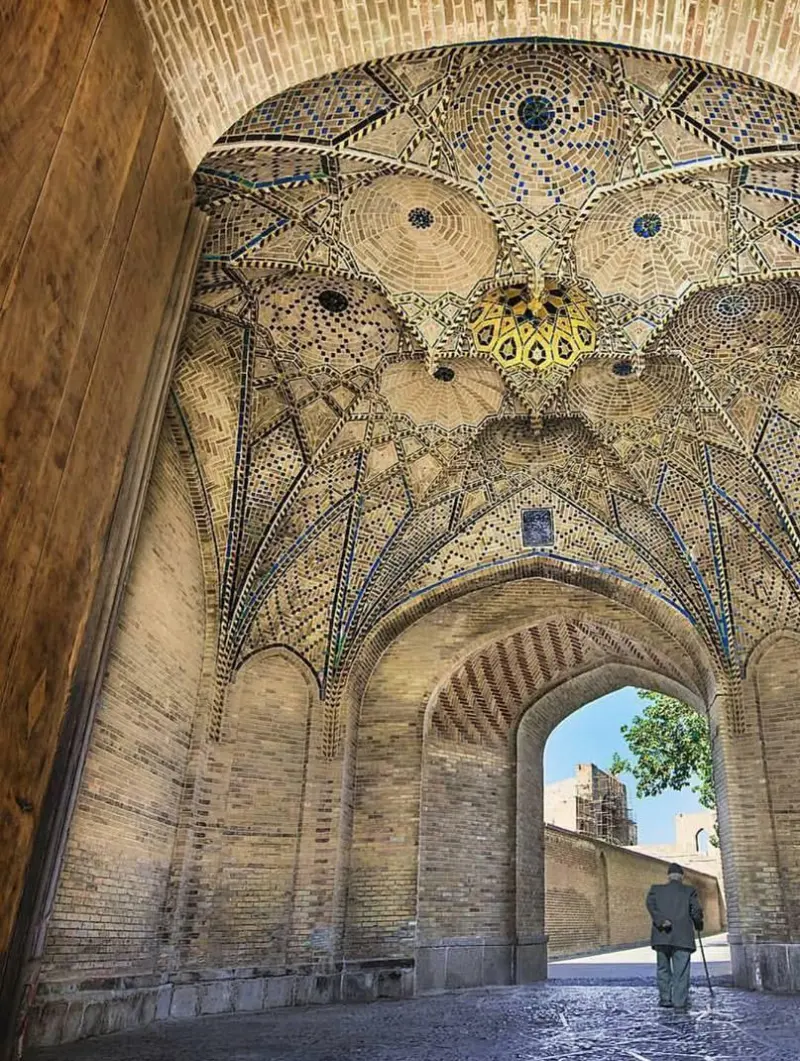
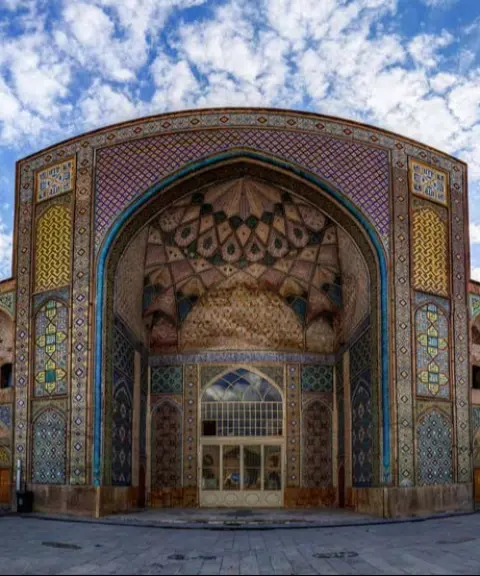
The Atiq Jame Mosque of Qazvin, also known as the Great Jame Mosque or the Qazvin Jame Mosque, is one of the oldest and largest mosques in Iran. It was built in the 2nd century AH on the order of Harun al-Rashid, the Abbasid caliph, on the ruins of a Sasanian fire temple, and it has been expanded and restored throughout its history, especially during the Seljuk, Safavid and Qajar periods. The mosque covers an area of about 3,500 square meters and stands at the Shohada (Sepah) intersection in the center of Qazvin.
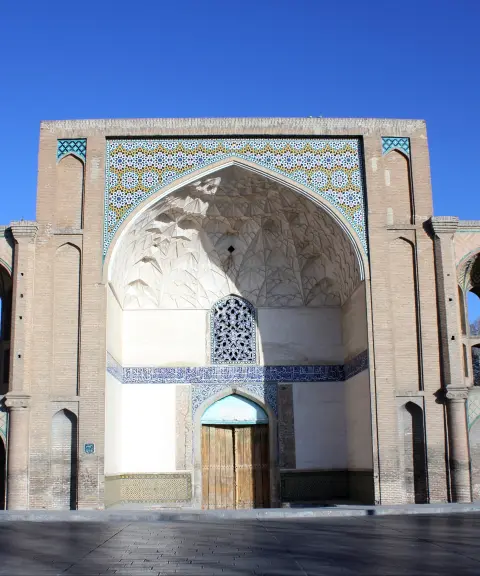
The Atiq Jame Mosque of Qazvin is an outstanding example of the Iranian four-iwan architectural style. Its oldest part, the Harouni Arch, dates back to the 2nd century AH. The southern iwan, known as the Khomartash Maqsurah, was built in the Seljuk period on the order of Amir Khomartash, the vizier of Sultan Malik-Shah I the Seljuk, and has five exquisite stucco inscriptions in Thuluth, Naskh and Kufic scripts. In the Safavid period, the northern, western and eastern iwans were rebuilt and expanded, and tiled minarets were added to the complex. With its combination of different architectural styles, including Seljuk, Safavid and Qajar, the mosque is considered a valuable treasure of Iran's Islamic art and architecture.
To visit the Atiq Jame Mosque of Qazvin, head from the city center toward Shohada (Sepah) Street. The main entrance of the mosque is on this street. The mosque can be visited during congregational prayer times and is open to the public. The best time to visit is in autumn and spring, when the weather is mild. Around the mosque, you can also visit other historical and cultural attractions of Qazvin.
Written by زهرا لنگری Last updated
What you can do here, and what it takes
خیابانهای اطراف مسجد جامع عتیق، با بافت تاریخی و معماری قدیمی، مناسب پیادهروی و لذتبردن از مناظر شهری است.
Province Qazvin
Province Qazvin
Province Qazvin
Province Qazvin
Province Qazvin
Province Qazvin
Unfortunately, no comments have been registered.