
 Attractions
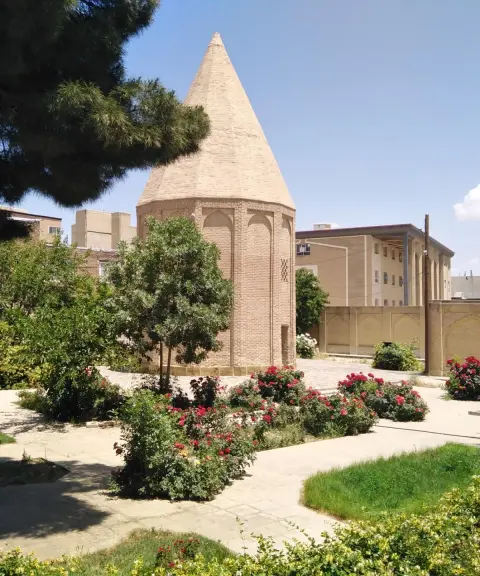
Avicenna Mausoleum (Tomb of Bu-Ali Sina)
A memorial to the great Iranian sage in the heart of Hamedan
- Attractions
- Hamadan, Hamadan
- Altitude 1,843 m
- Ability level Intermediate

Ability level:
Intermediate
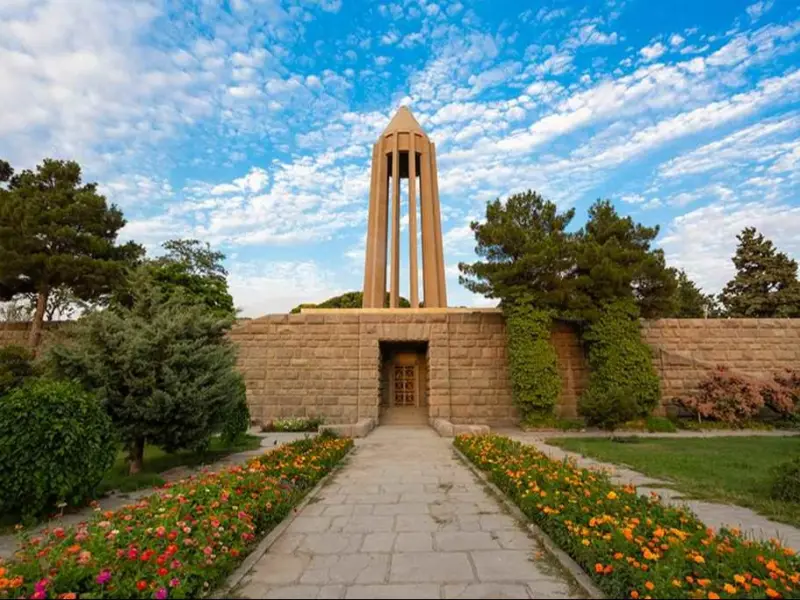
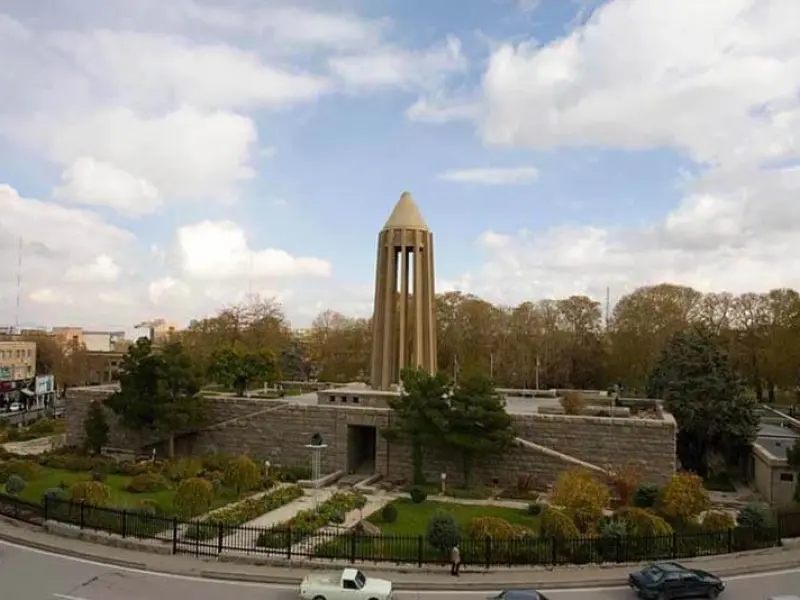
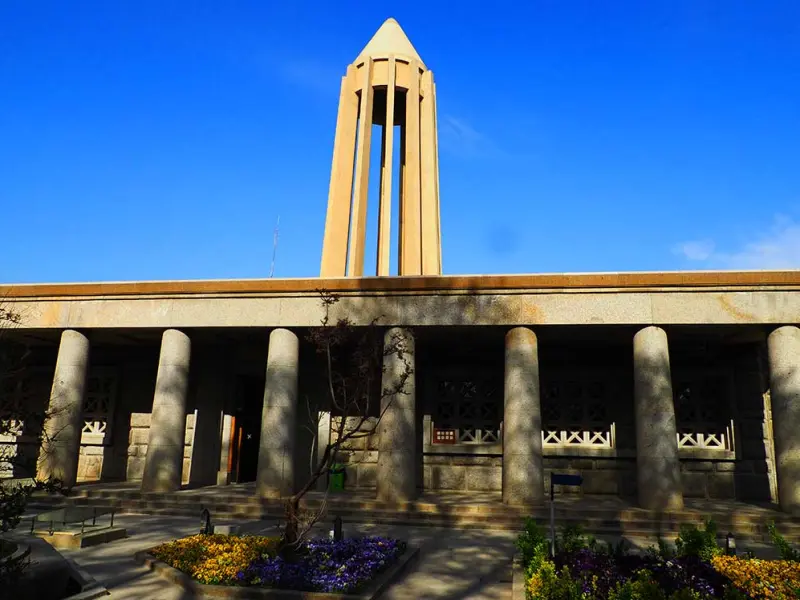
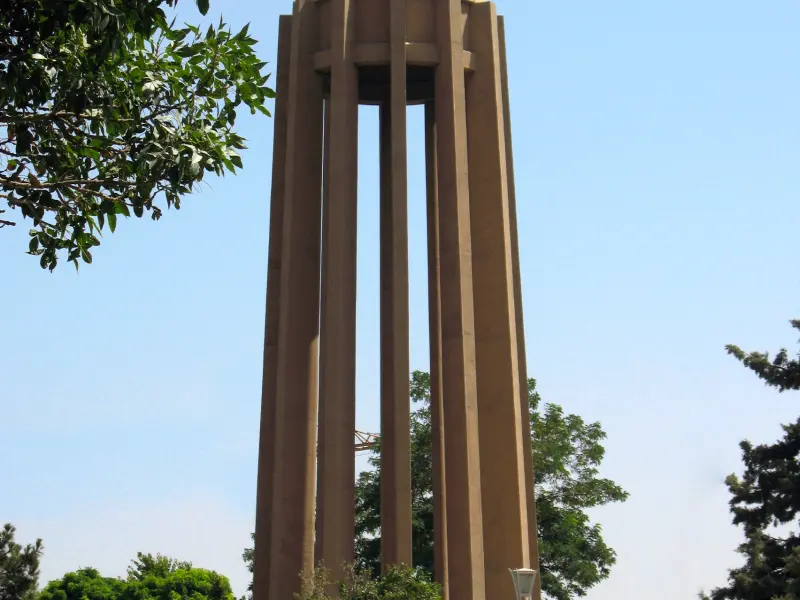
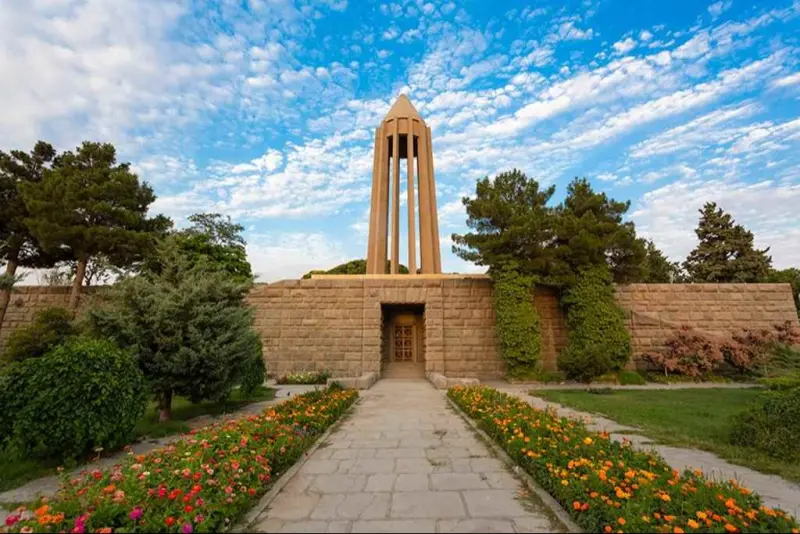
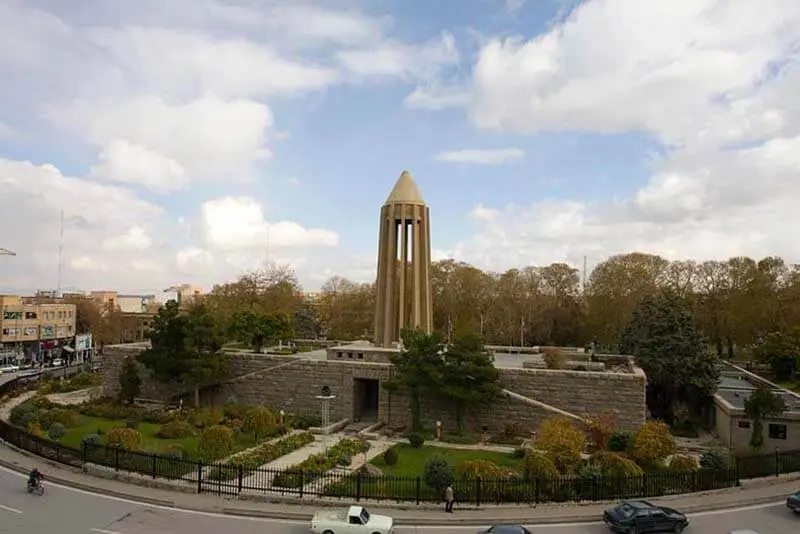
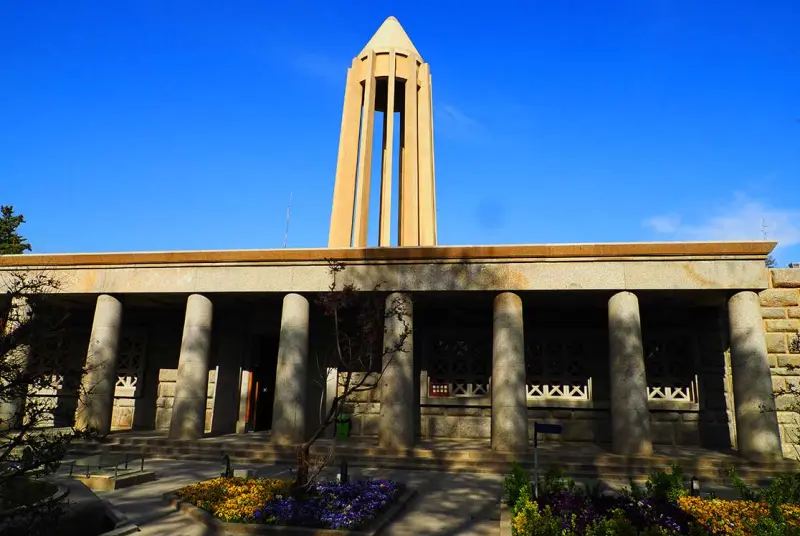
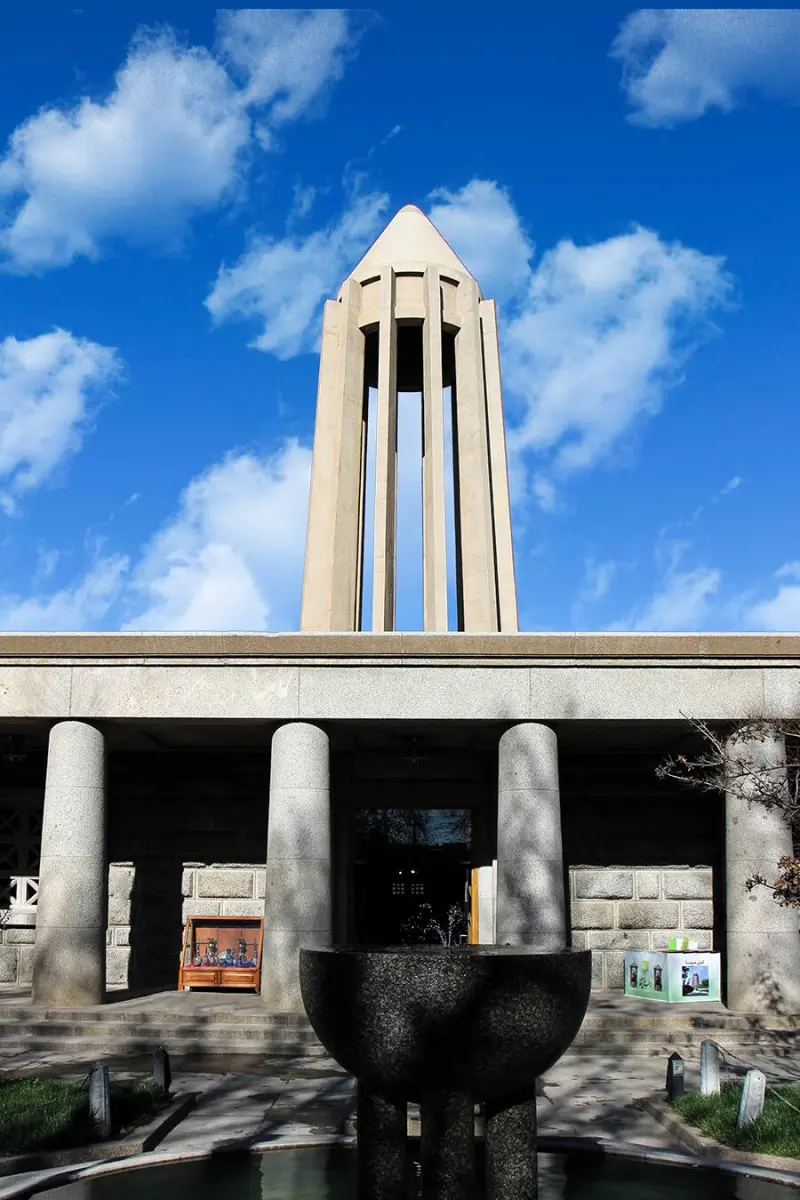
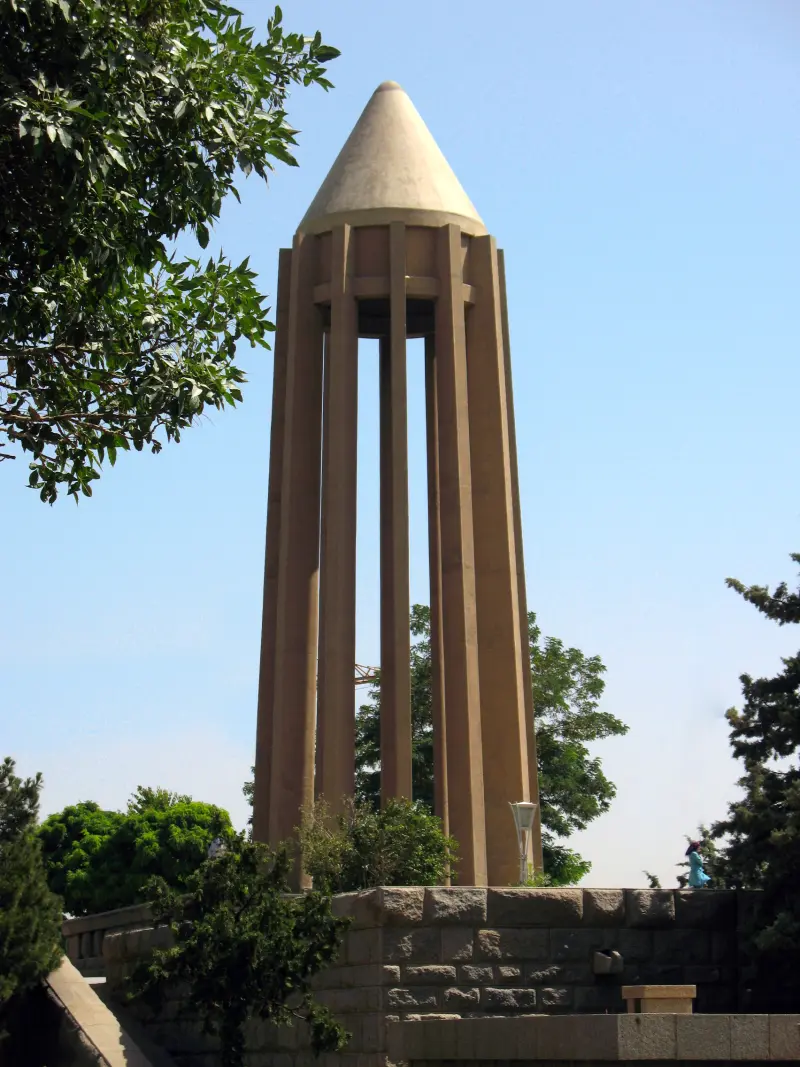
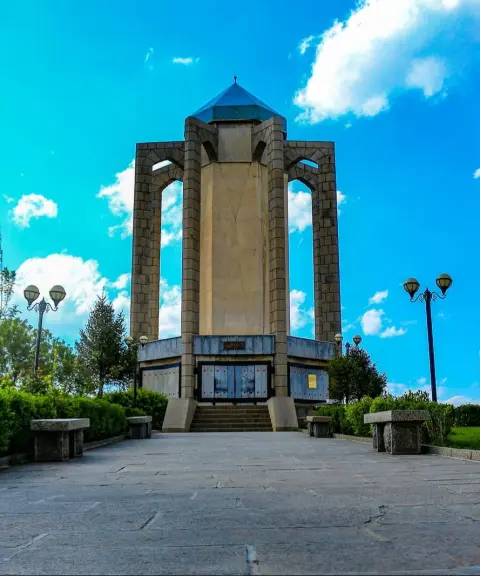
The Avicenna Mausoleum (Bu-Ali Sina), a memorial to the great Iranian sage, is located in the city of Hamedan, in Hamedan Province. The mausoleum stands in Bu-Ali Sina Square in the center of Hamedan and is regarded as one of the city's major historical and cultural attractions. The monument was registered as a national heritage site of Iran on 21 Ordibehesht 1376 (Solar Hijri) under registration number 1869. The Avicenna Mausoleum was built on a plot of 3,090 square meters, and its main built area is estimated at about 1,792 square meters. The complex includes the tomb, a statue, a museum, a library and a landscaped garden area.
Inside the mausoleum stands a statue of Avicenna made by Abolhassan Sedighi. The statue is carved from a single block of Qom marble and rises on a tall pedestal in a corner of Bu-Ali Sina Square. The first tomb of Avicenna was built during the Qajar era on the orders of a woman named Negar, a granddaughter of Fath-Ali Shah Qajar. The present building, however, was designed and built from 1322 (Solar Hijri) with the support of Mohammad Reza Shah Pahlavi by the National Heritage Society. The mausoleum was designed by the engineer Houshang Seyhoun, based on the architecture of the Gonbad-e Qabus tower, to reflect the architectural style of Avicenna's era. Construction of the new mausoleum lasted until 1333 (Solar Hijri), and it was inaugurated on 9 Ordibehesht of that year in the presence of Mohammad Reza Shah Pahlavi and Queen Soraya. The mausoleum's present site was once the residence and tomb of Abu Sa'id Dakhuk, a close friend of Avicenna, in which Avicenna's remains were also buried.
In the mausoleum's exhibition section, a photograph of Avicenna's skull, taken when his remains were moved, is on display, and today the site is regarded as one of Iran's most important cultural attractions. To reach the Avicenna Mausoleum, you can head from Emam Square (the central square of Hamedan) toward Bu-Ali Sina Square. This route takes about 10 minutes by car. Bus stops and taxi stands are also located near Bu-Ali Sina Square, making access to the mausoleum easier. The best time to visit the mausoleum is spring and summer, when Hamedan's weather is mild and pleasant. During your visit, it is essential to follow the principles of responsible nature tourism, such as keeping quiet, not damaging plants and not littering the environment.
Written by زهرا لنگری Last updated
Activities
What you can do here, and what it takes
-
Walking
محوطه آرامگاه و میدان بوعلیسینا محیطی مناسب برای پیادهروی و گشتوگذار است.
Specifications
Introduction of the location and specifications of Avicenna Mausoleum (Tomb of Bu-Ali Sina)
Construction Period:
Qajar era
Location:
Hamadan, Hamadan
Coordinates:
34.79148203, 48.51317392
Open in maps
Height above mean sea:
1843 meter
Faunas:
Presence of Allergenic Insects
Transports:
Private car, Walking, Minibus, Bus
Tourist Attractions in Hamadan
Attractions that are nearby

Moradbeyg Valley
Province Hamadan
- Walking
- Mountaineering
A lush, historic valley on the edge of Mount Alvand, Hamadan

Related tags:
Unfortunately, no comments have been registered.