
 Valley
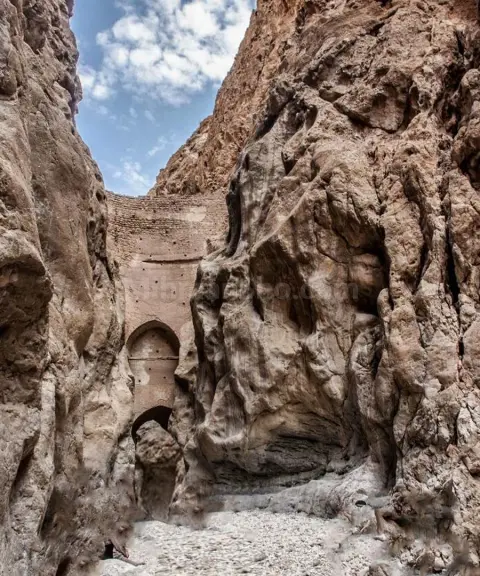

Shah Abbasi Arch
Province South Khorasan
- Walking
The astonishing meeting of hot and cold water in the heart of the Tabas desert
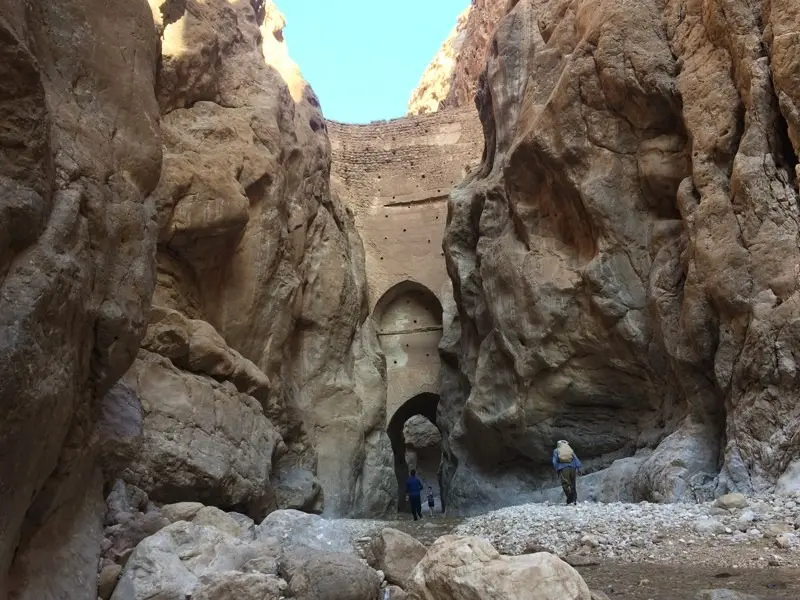
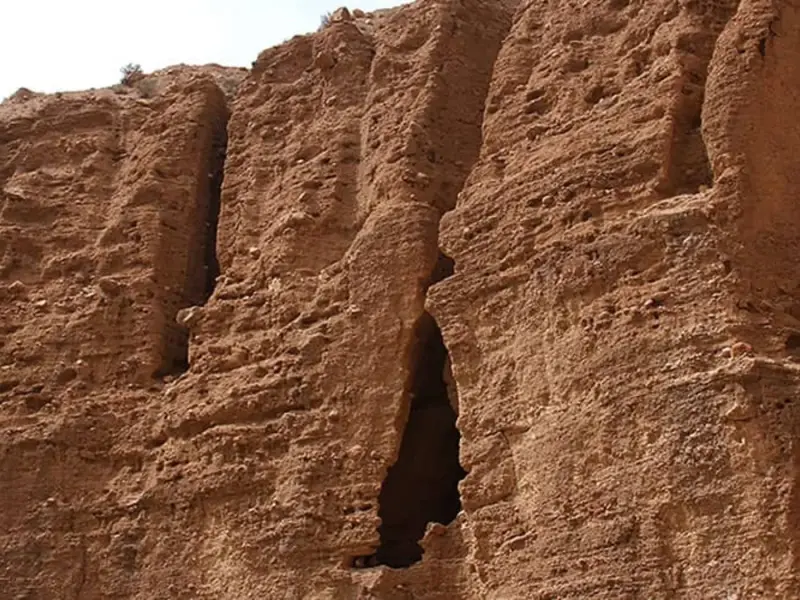
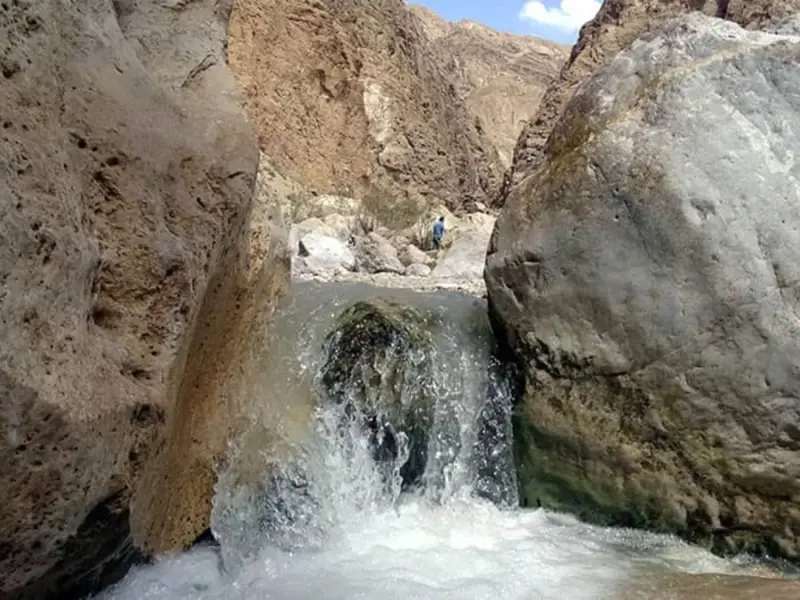
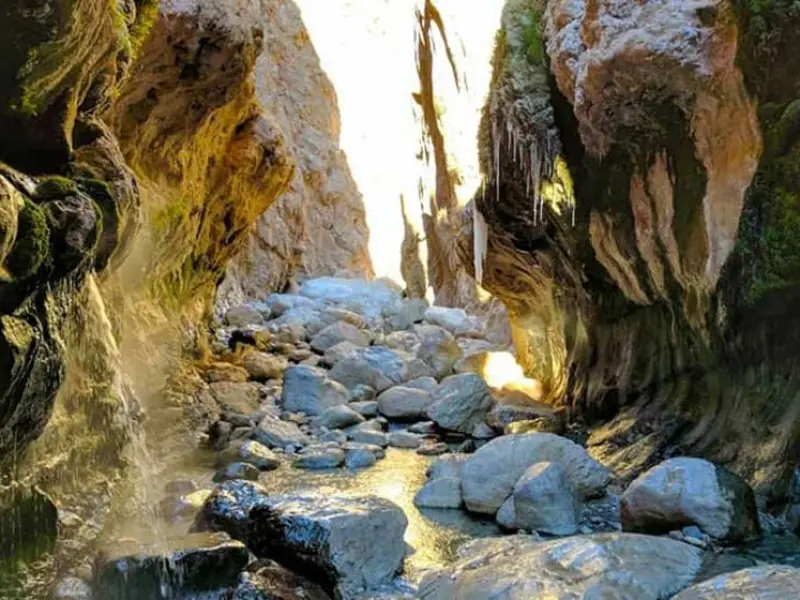
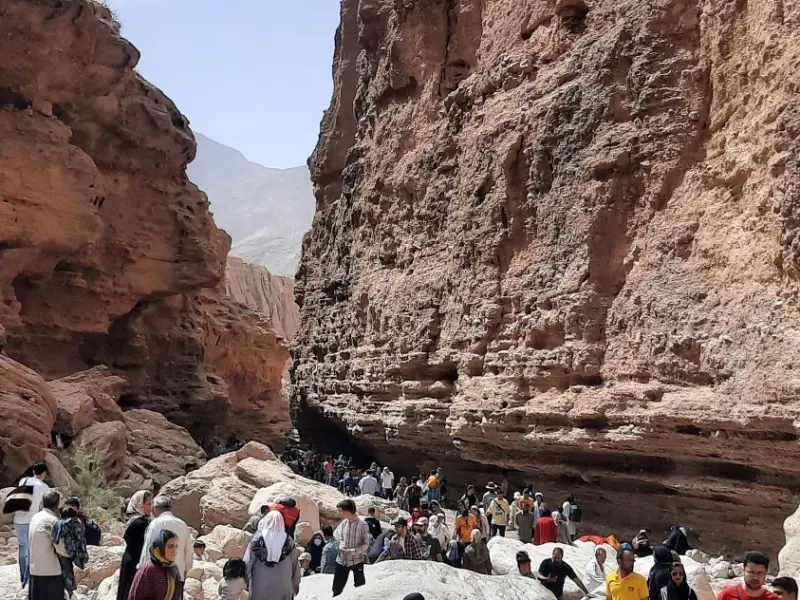
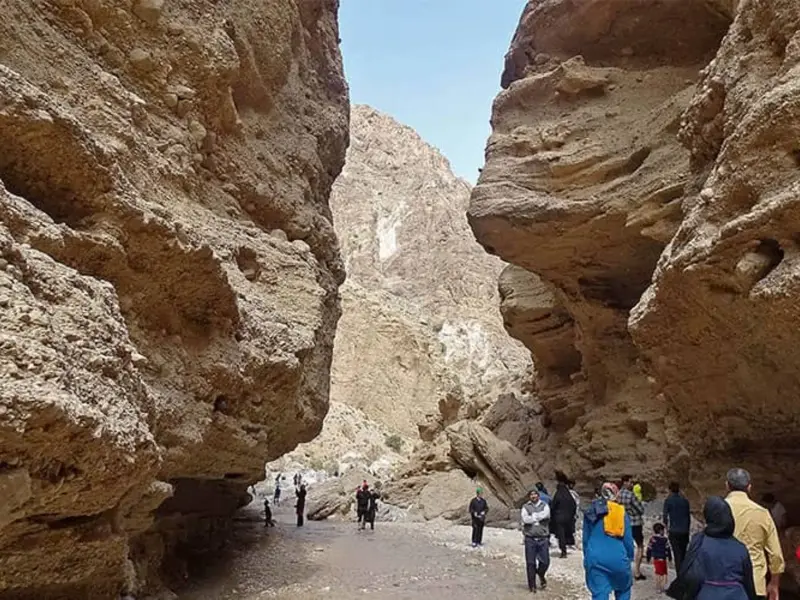
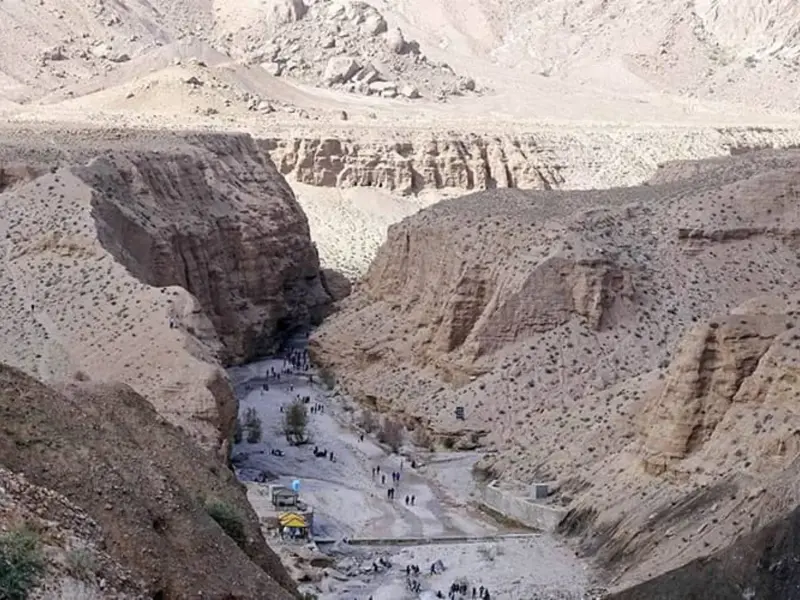
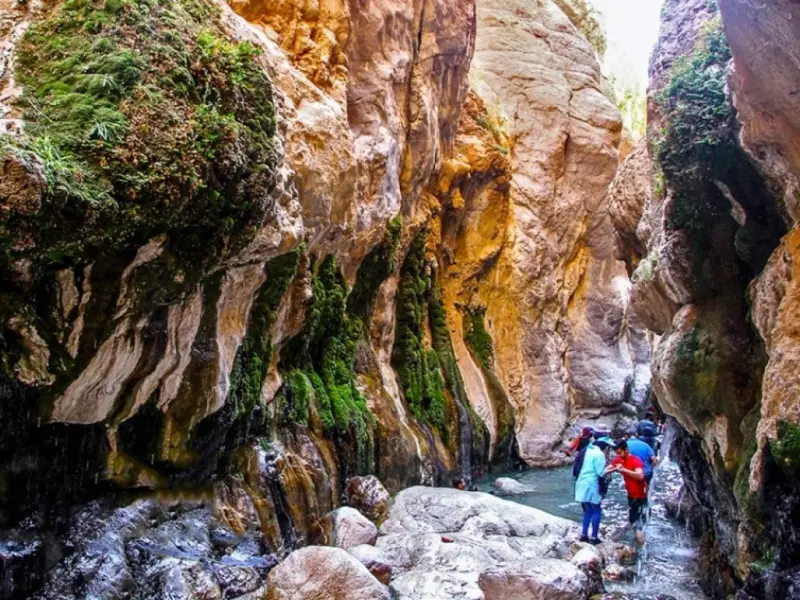
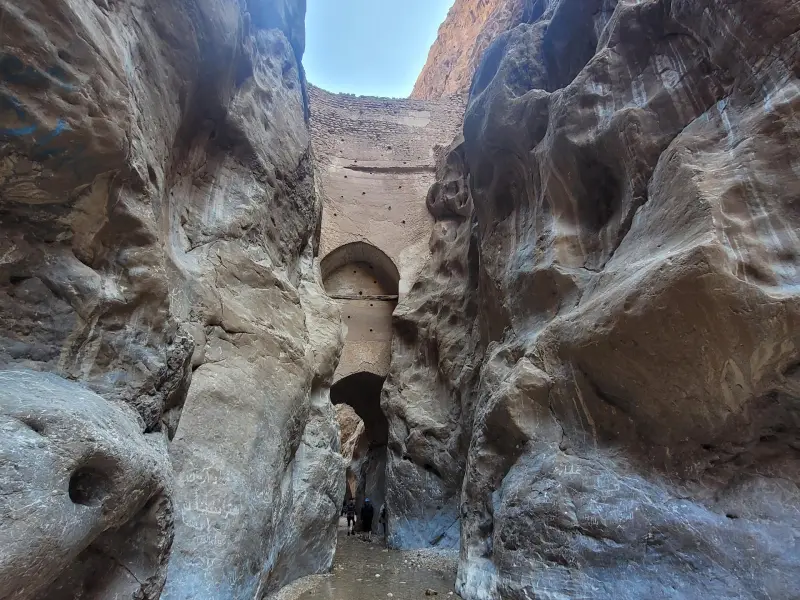
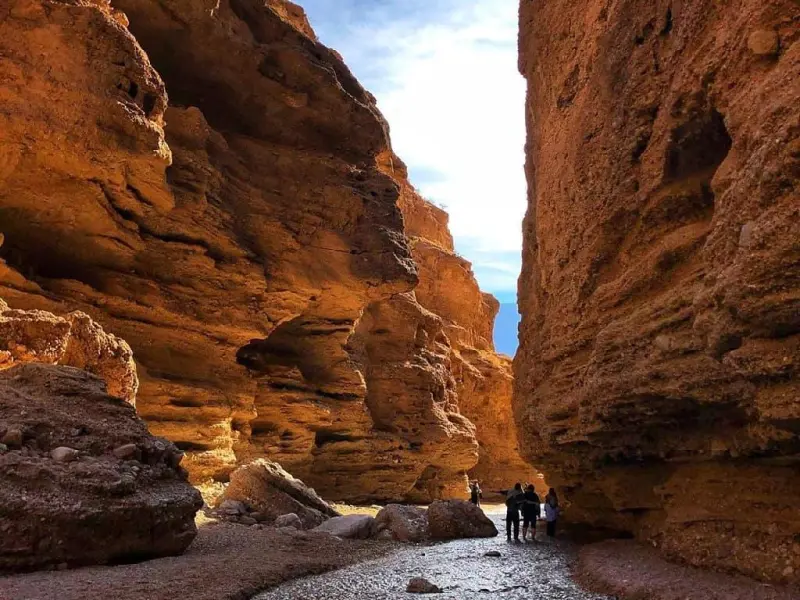
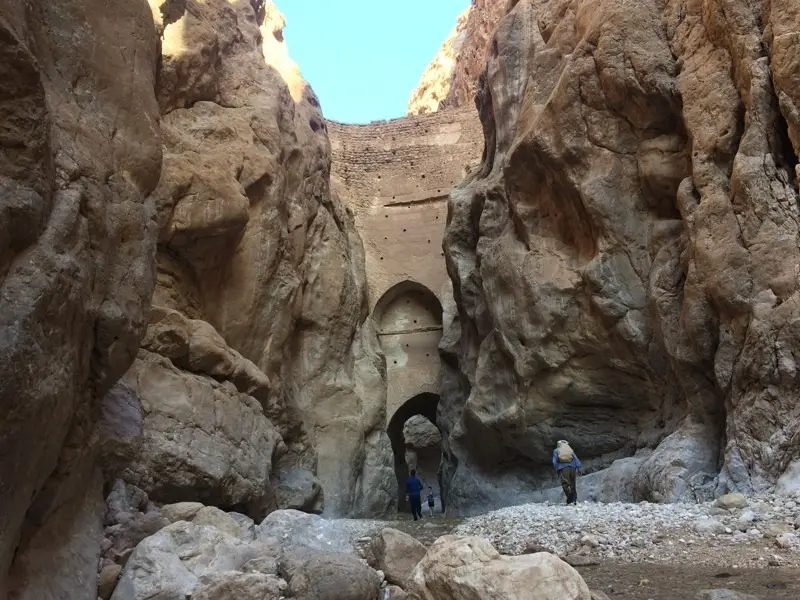
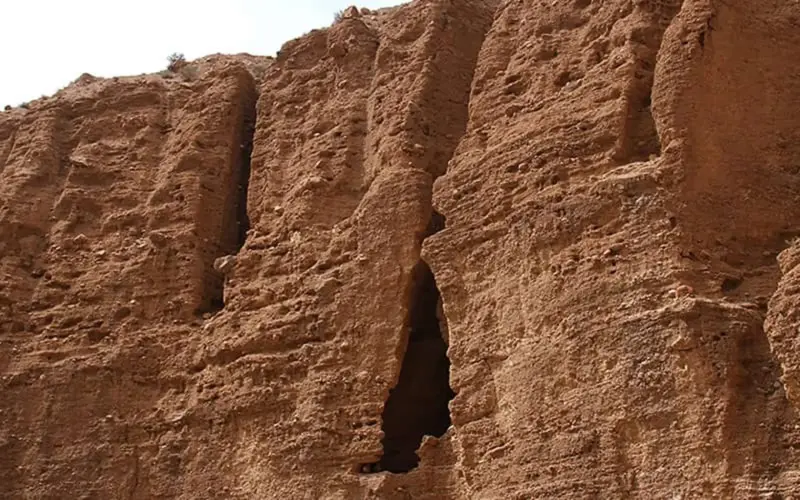
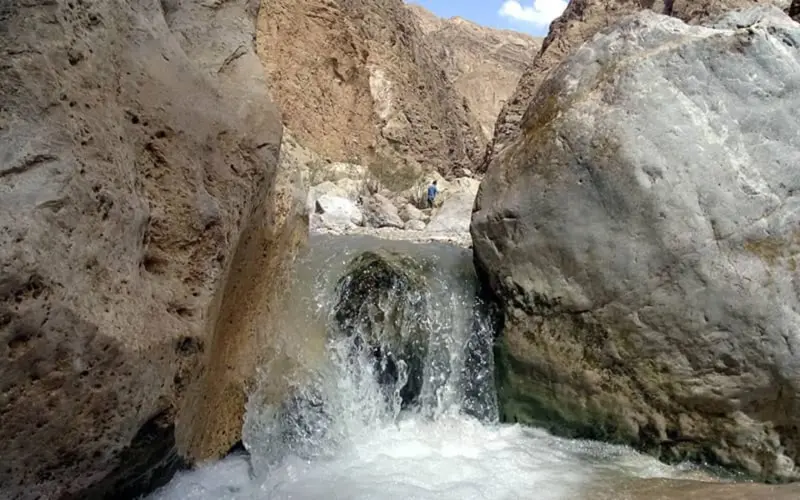
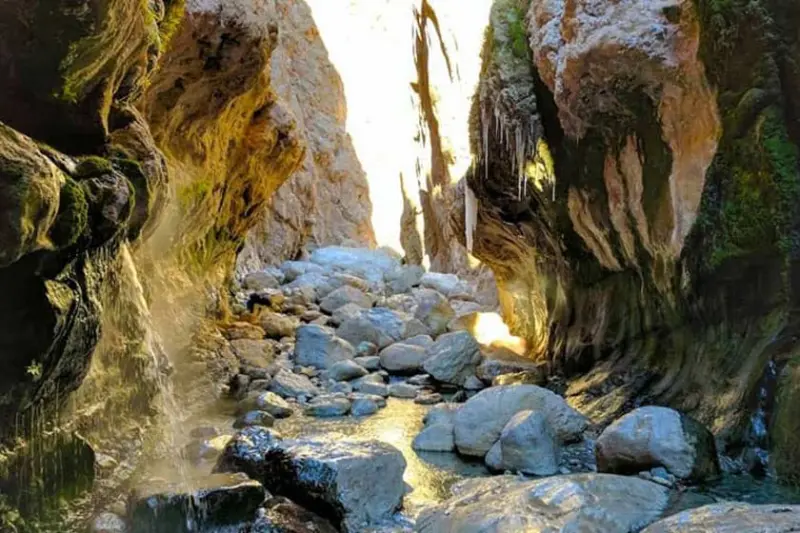
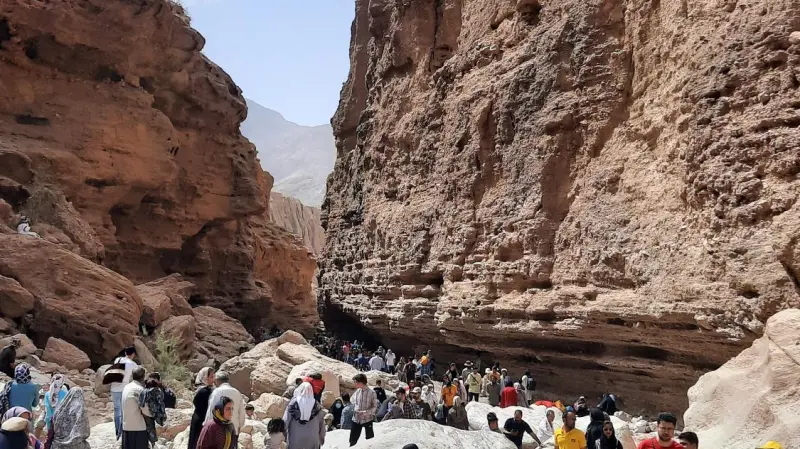
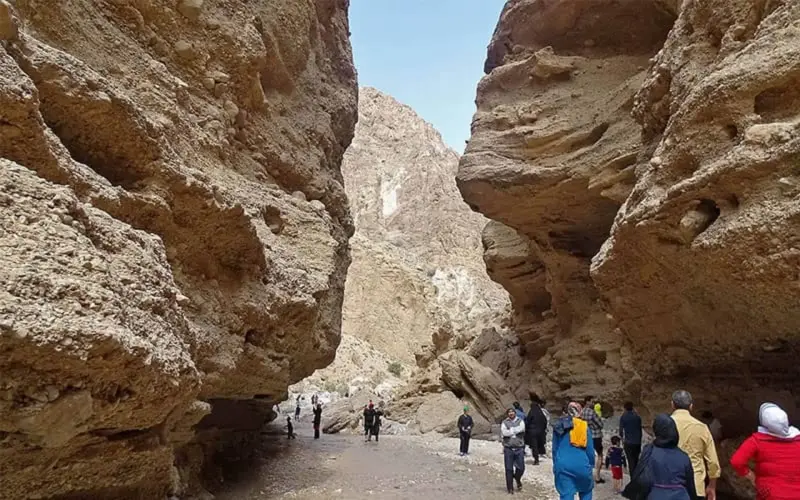
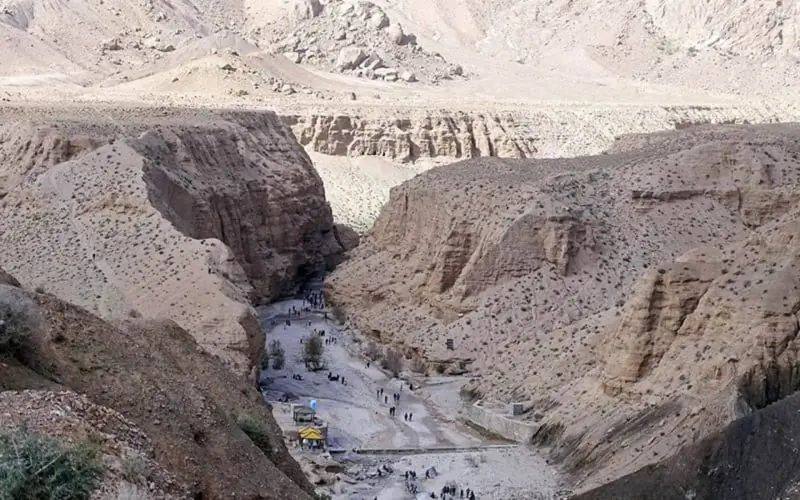
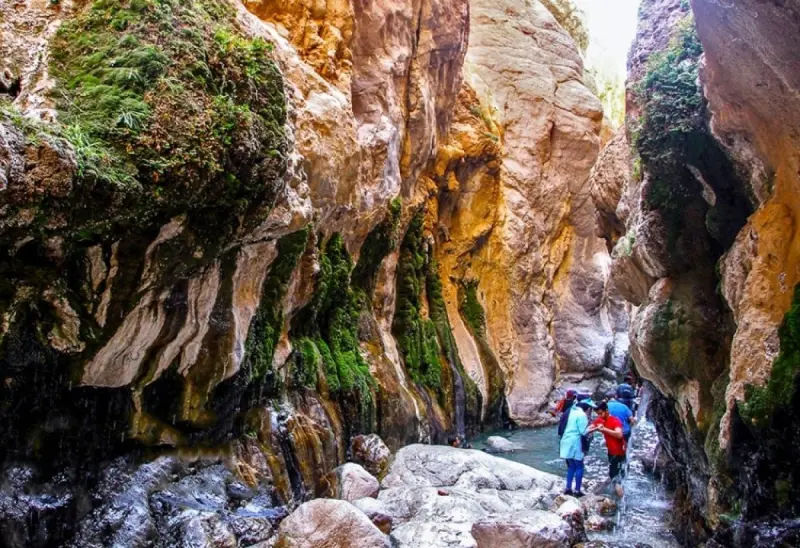
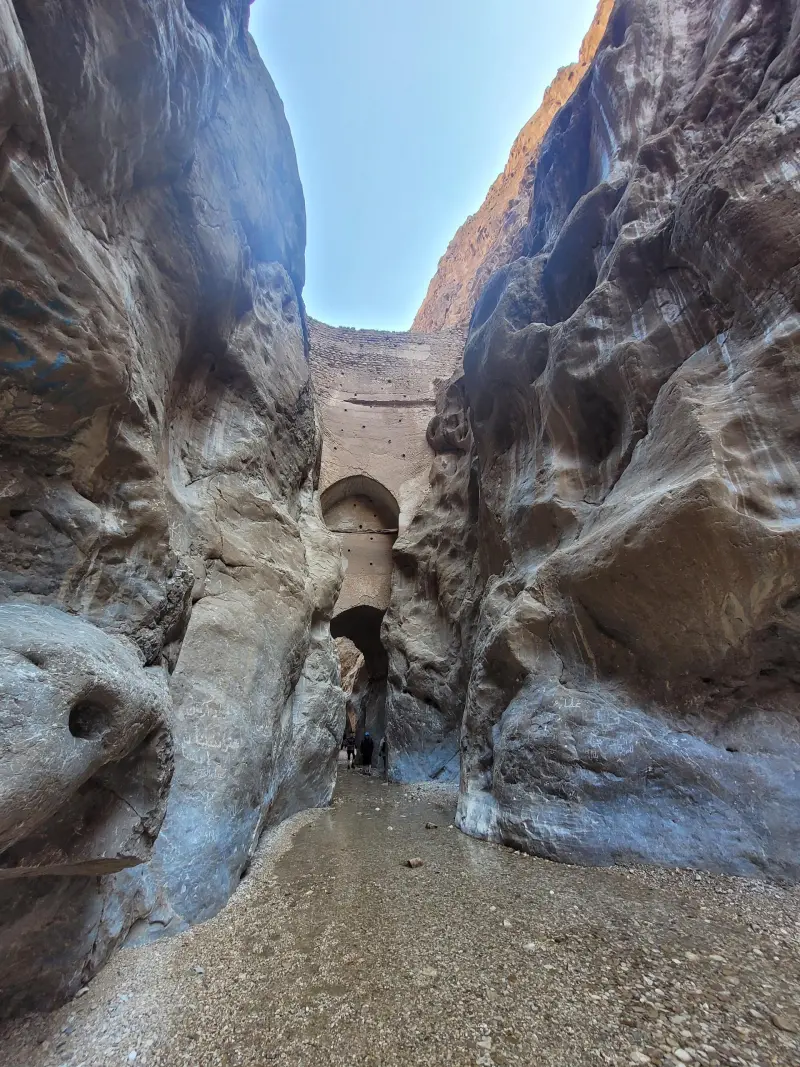
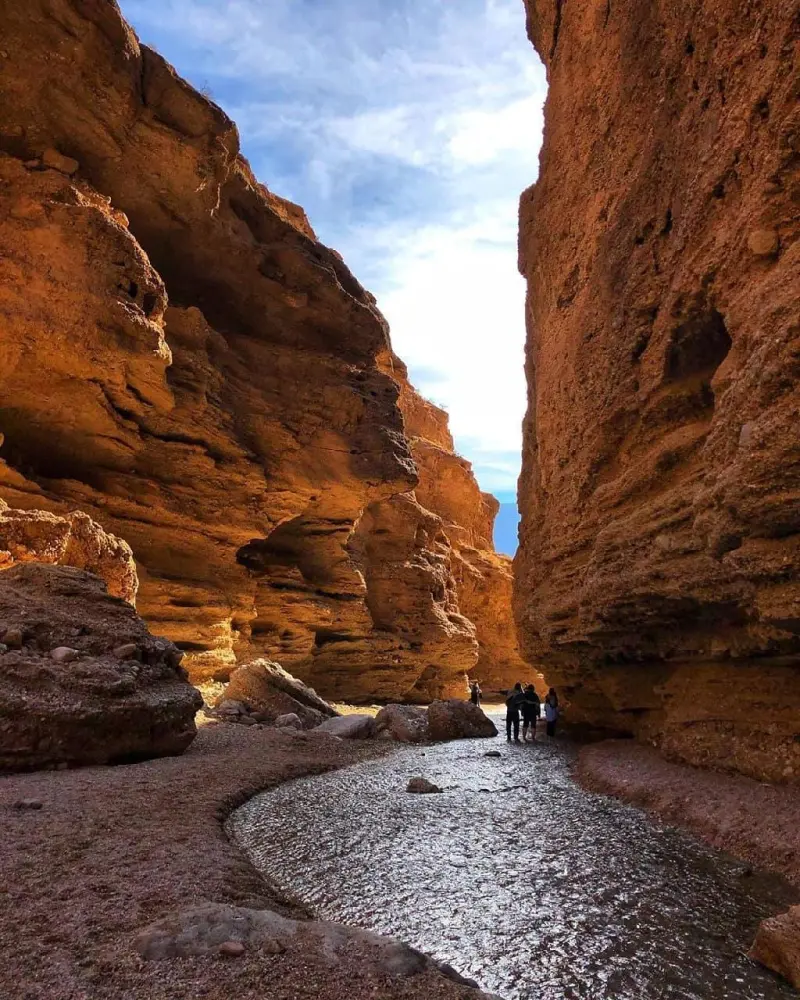
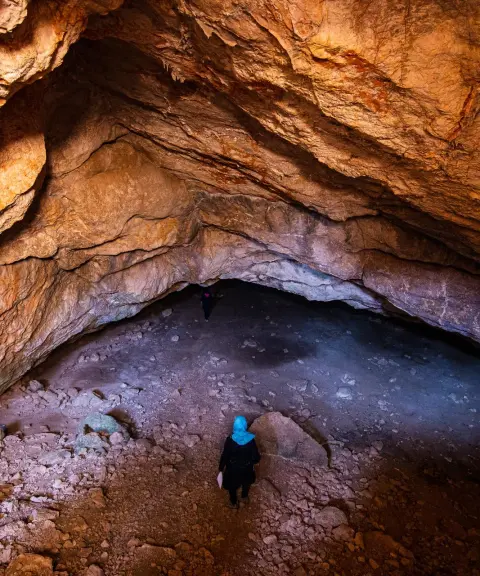
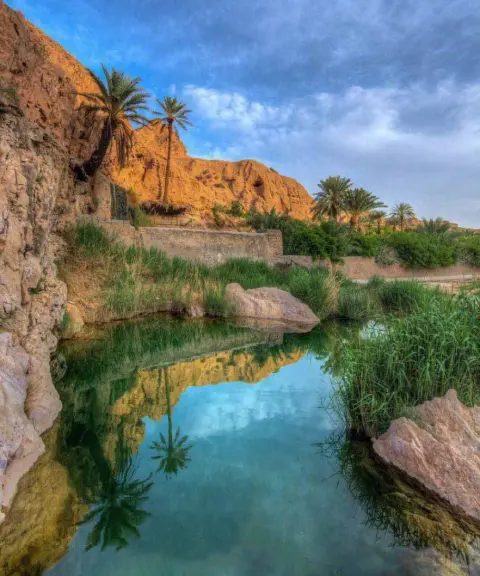
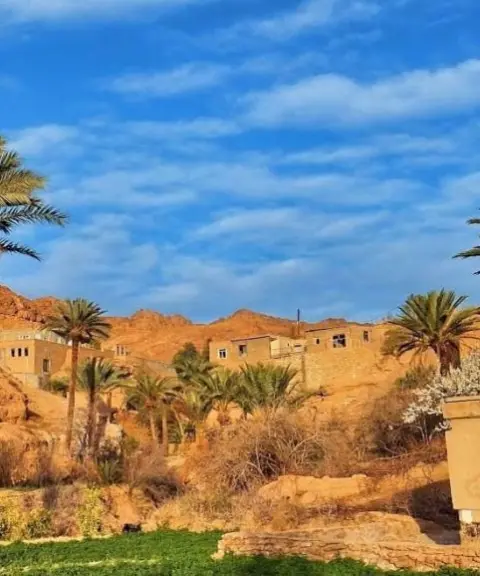
Morteza Ali Valley and Spring is located in South Khorasan Province, about 30 kilometres northwest of the city of Tabas, near the village of Kharv. This gorge-like area lies at the foot of the Shotori Mountains and contains a series of cold and hot springs, a natural phenomenon rarely found elsewhere in Iran. The spring complex has three main sources: the Qanbar Spring (cold water), the Morteza Ali Spring (hot water) and the Jafari Spring (where the two springs meet). The hot and cold waters flow side by side, with a notable temperature difference of up to about ten degrees, a fascinating sight that is maintained over a distance of 300 metres. On the valley walls you can also see cavities dating from the Sasanian era (Zoroastrian houses or tombs) and a Shah Abbasi arch dam about 700 years old, which add to the historical and aesthetic value of the site.
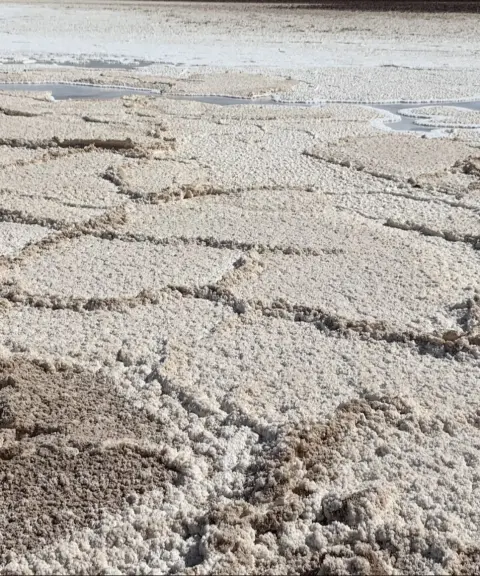
The valley's vegetation consists mostly of salt-tolerant plants, desert shrubs, and date palm and tamarisk trees. The high humidity in the valley has allowed mosses and ferns to grow on the rock walls. On the valley's edges and higher areas you can spot wildlife such as chukar partridges, foxes, hares and desert lizards. One of the most remarkable features of the valley is the Tabas two-storey qanat at the end of the valley trail, regarded as the only two-storey qanat in the world. This extraordinary qanat, which is also listed as a UNESCO World Heritage Site, consists of two parallel channels carrying two streams of water at different levels, flowing one above the other.
The valley is reached via the Tabas road, and walking along the riverbed with its hot and cold springs makes for a unique experience. In some sections, hot and cold water flow at the same point at the same time, which is very rare and remarkable. The best seasons to visit Morteza Ali Valley are autumn and spring; in summer the weather is very hot, while in winter it is cold and there is a chance of rain and flash floods. In spring, as plants bloom and the springs' discharge increases, the valley takes on a green, lively look. Please do not leave the marked trail, do not leave litter in nature, and respect local beliefs.
Written by ستایش عرب Last updated
What you can do here, and what it takes
از کفش مناسب پیادهروی استفاده کنید.
این مکان مناسب برای درهنوردی است.
در چشمههای آب گرم و سرد امکان آبتنی وجود دارد.
Province South Khorasan
Province South Khorasan
Province South Khorasan
Province South Khorasan
Province South Khorasan
Province South Khorasan


Unfortunately, no comments have been registered.