
 Attractions
Hindu Temple
A relic of Eastern culture in the heart of Bandar Abbas
- Attractions
- Hormozgan, Bandar Abbas
- Altitude 12 m
- Ability level Beginner
Ability level:
Beginner
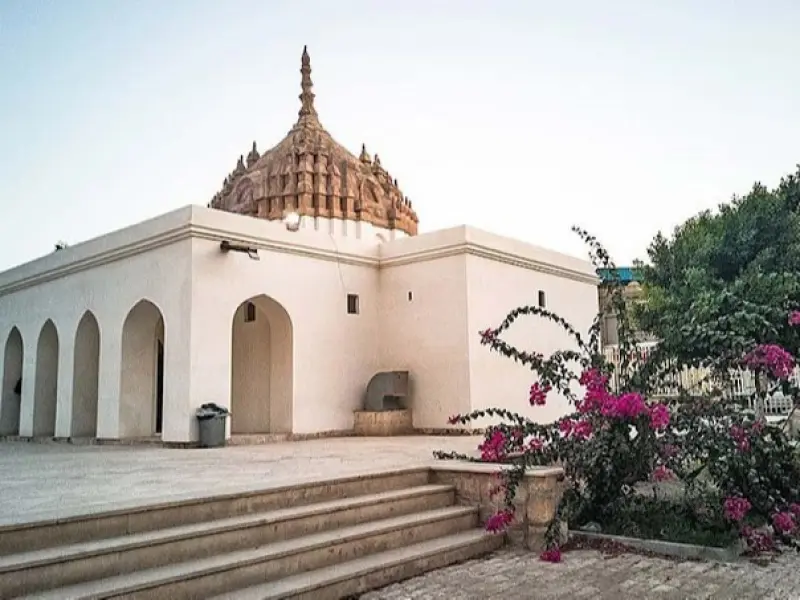
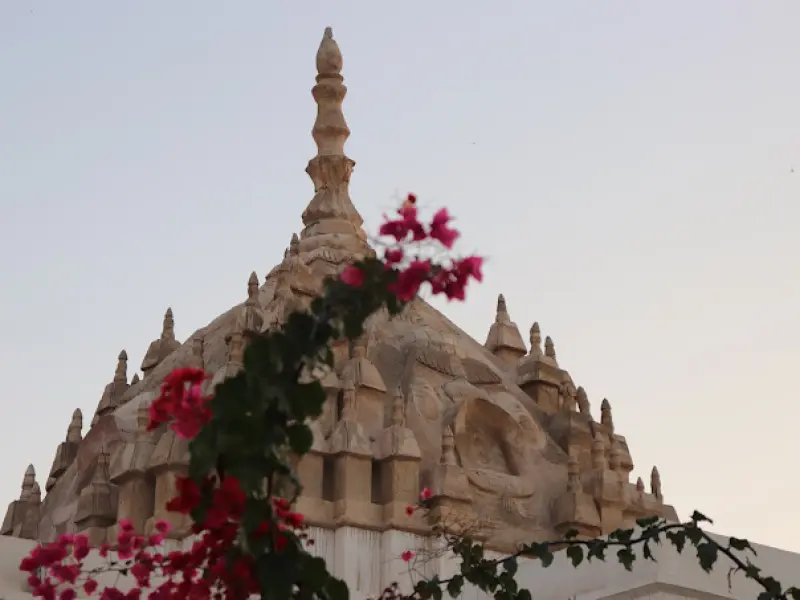
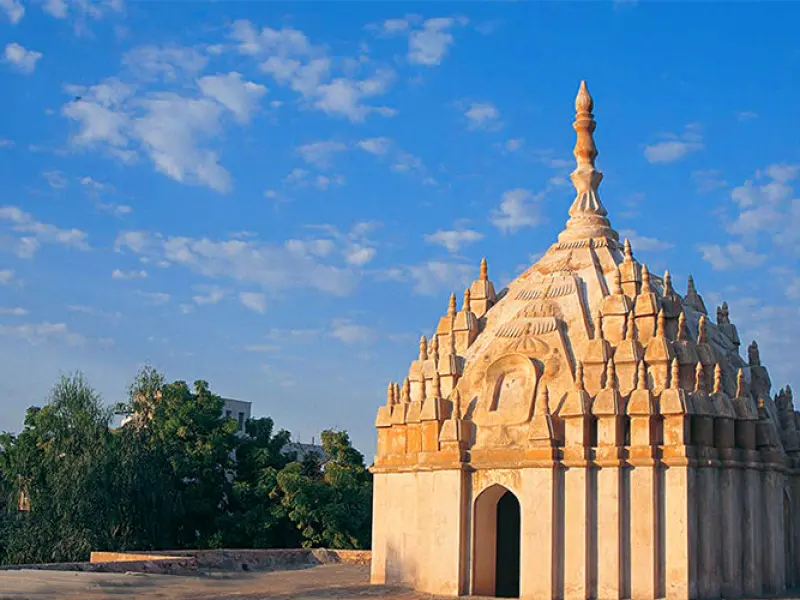
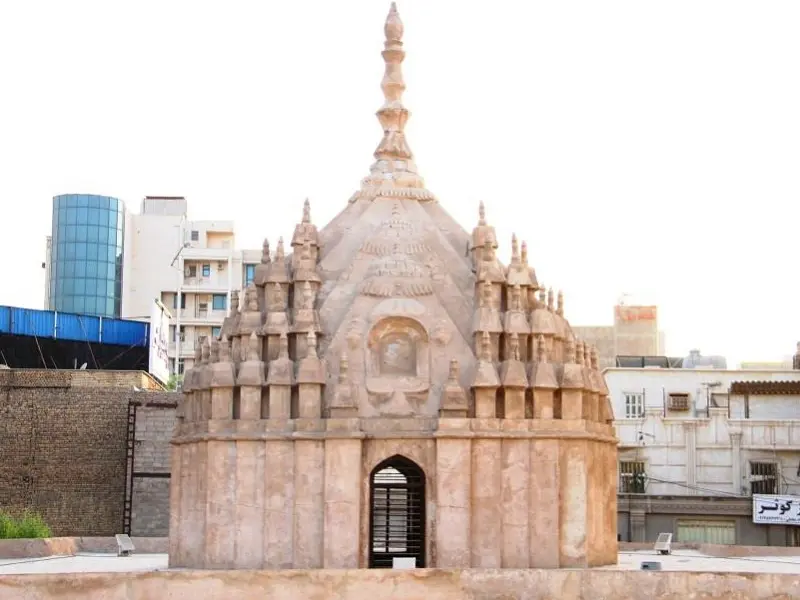
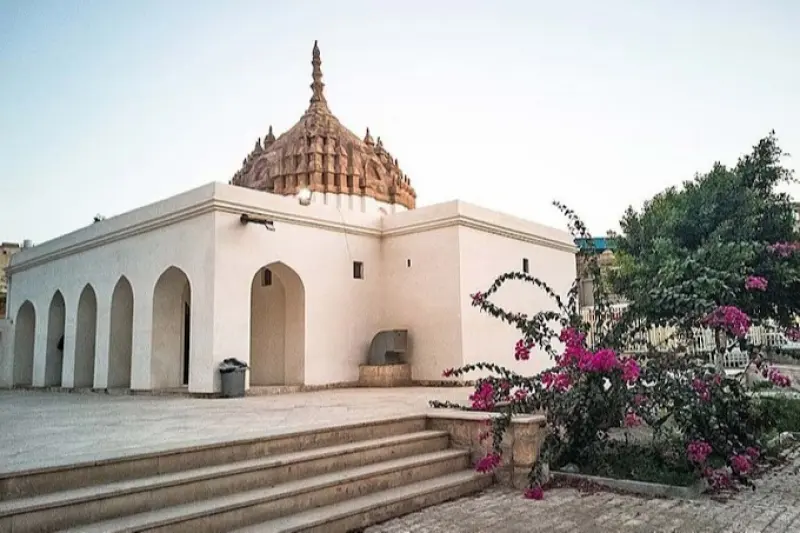
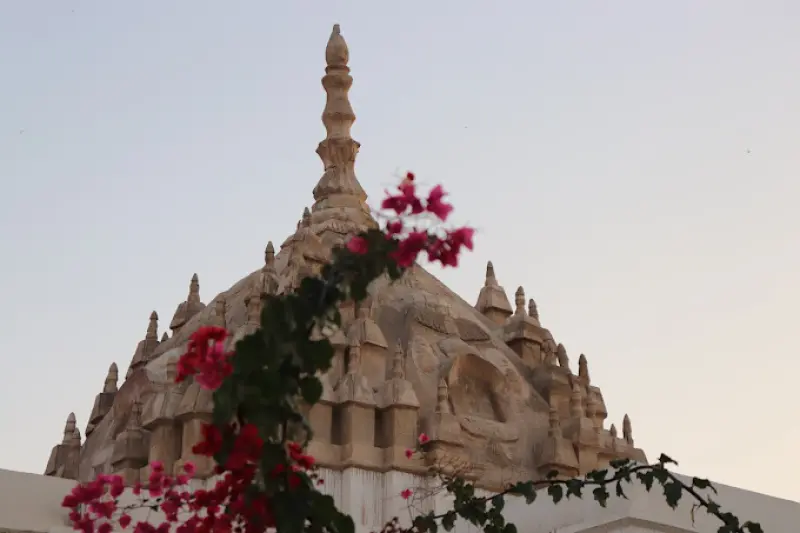
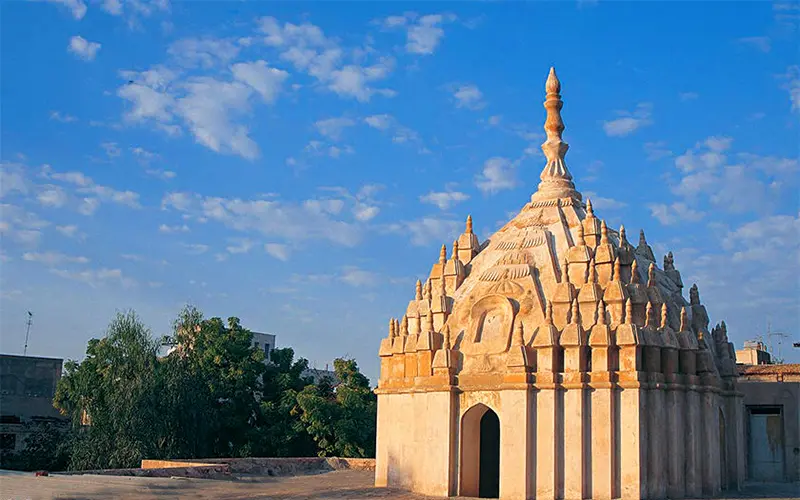
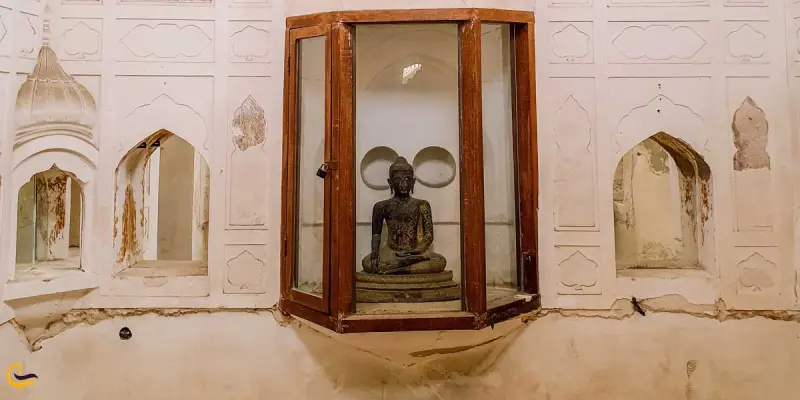
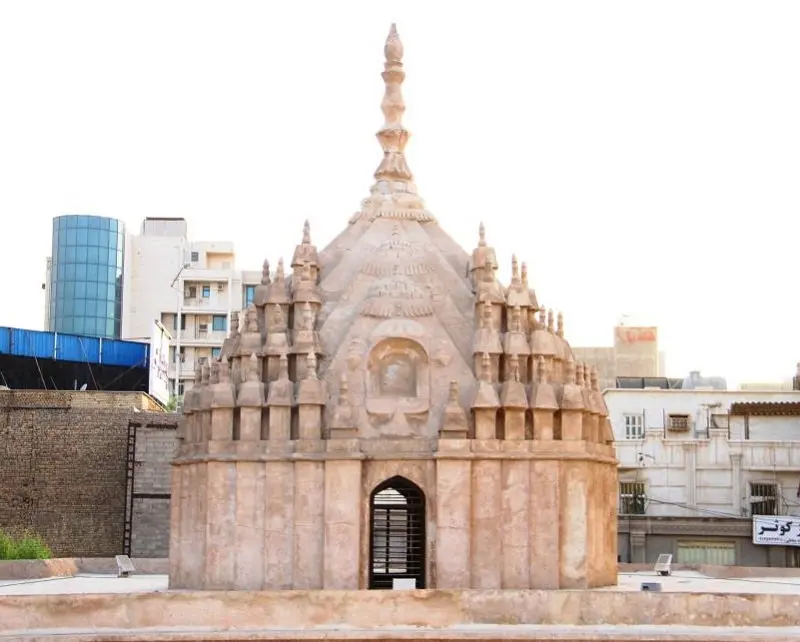
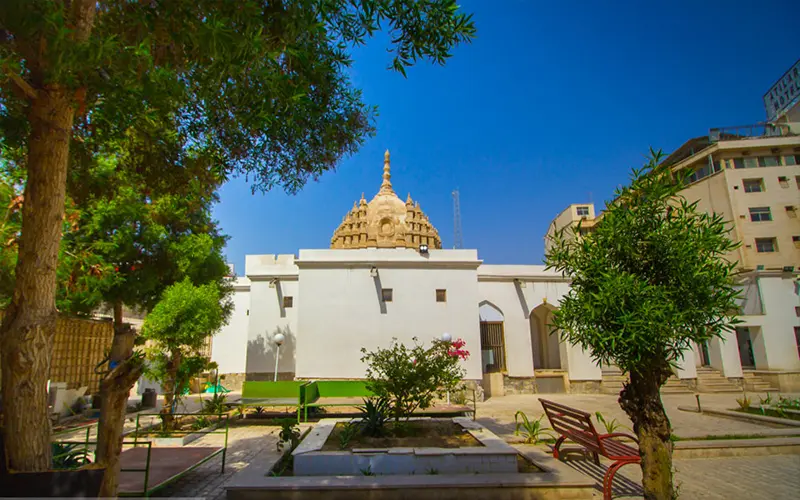
The Hindu Temple is one of the most distinctive historic buildings in Bandar Abbas. It was built in the late Qajar period by the Indian merchant community. Also known as the "Botgooran" Temple, it was founded between 1290 and 1300 (Solar Hijri) as a place of worship for followers of Hinduism. Its unique architecture, with a large dome and colorful wall paintings, looks entirely different from other Iranian buildings.
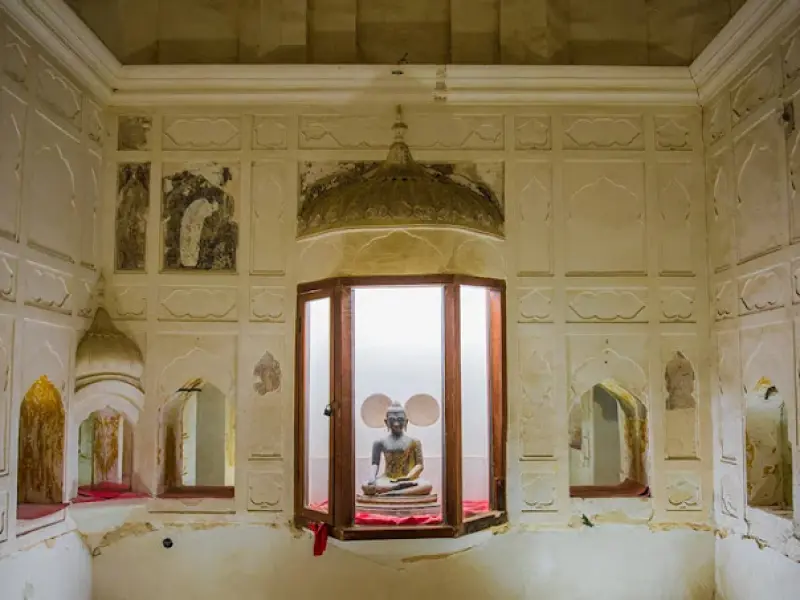
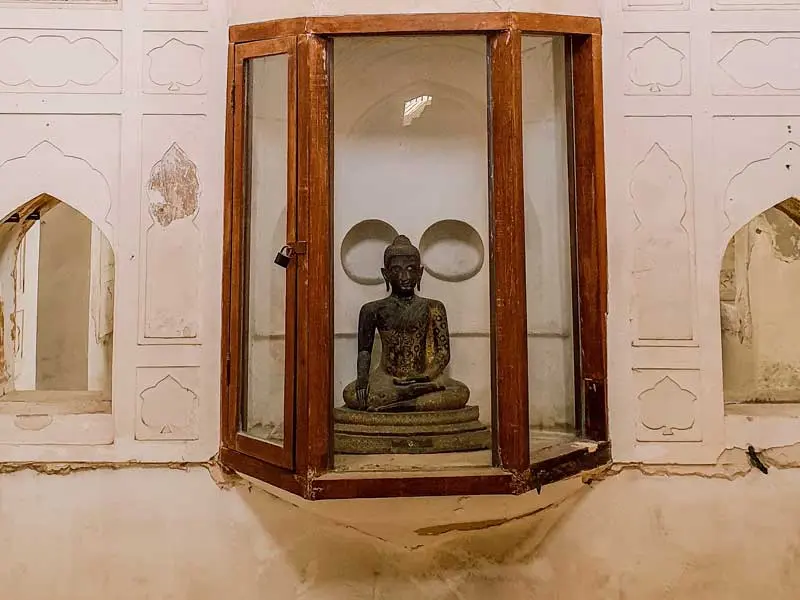
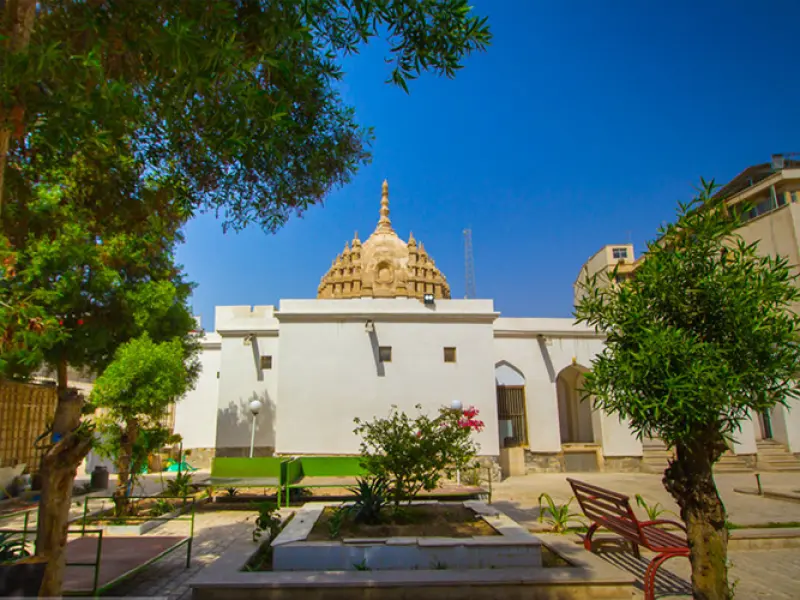
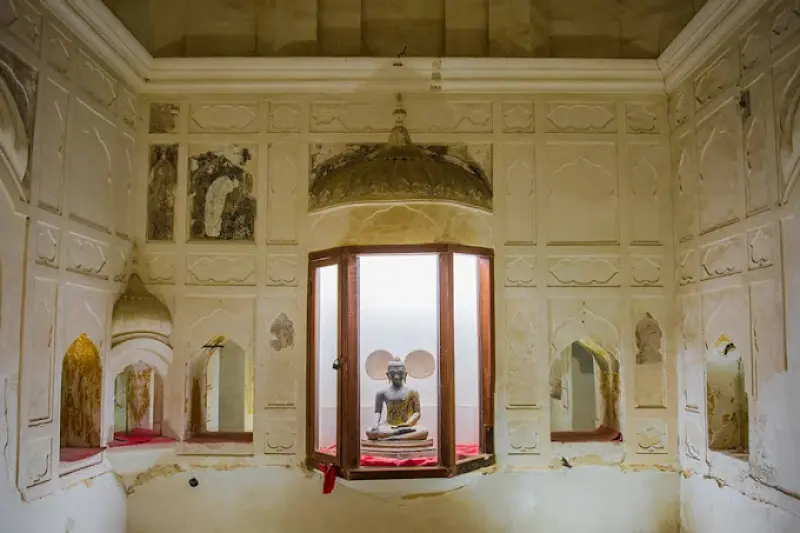
The temple's structure combines Indian and Iranian architecture. Its main dome, designed in the style of traditional Indian temples, rests on a square-plan platform. Inside the temple you can see paintings of Hindu goddesses and symbolic motifs. It is considered the only Hindu temple in southern Iran, and it clearly reflects the old trade and cultural ties between India and Iran. The Hindu Temple of Bandar Abbas is built from materials such as rubble stone, mud mortar and sarooj (a traditional waterproof mortar), coral stone, earth, fine gypsum plaster (Louis plaster) and thick gypsum plaster. Its exterior is conical and white, with longitudinal grooves and crenellations that clearly set it apart from the surrounding buildings. The main building has a square room at its center, topped by a dome and surrounded by four corridors, along which pilgrims once made their devotions. Cells were also built inside the corridors for students of the Brahmin school. Some rooms contain religious paintings, including the famous image of the flute-playing god Krishna.
Today the Hindu Temple has become one of the most popular tourist attractions in Bandar Abbas. Visitors can learn about part of Indian religious culture here and enjoy its distinctive, carefully restored architecture. Its location in the city center makes it easy to reach, and it is usually included in Bandar Abbas city tours. The best time to visit the Hindu Temple in Bandar Abbas is autumn and winter, from Aban to Esfand (roughly November to March). During these months the hot, humid climate of Bandar Abbas becomes milder, and tourists can visit the historic building in comfort. Early spring (Farvardin) is also a good opportunity to see the temple, but once the intense heat begins in late Farvardin, visiting becomes more difficult.
Written by زهرا لنگری Last updated
Activities
What you can do here, and what it takes
-
Walking
کفش پیادهروی به همراه داشته باشید..
Specifications
Introduction of the location and specifications of Hindu Temple
Oldness:
94 years
Construction Period:
Qajar
Location:
Hormozgan, Bandar Abbas
Coordinates:
27.18092151, 56.27904296
Open in maps
Height above mean sea:
12 meter
Floras:
Deserts and Dry Shrublands
Faunas:
Presence of Allergenic Insects, Presence of Herbivorous Animals
Transports:
Private car
Tourist Attractions in Hormozgan
Attractions that are nearby
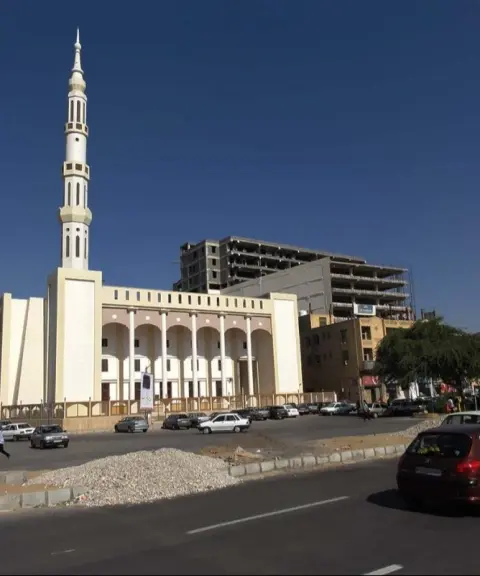
Bandar Abbas Sunni Grand Mosque
Province Hormozgan
- Walking
A Symbol of Cultural Coexistence in Hormozgan
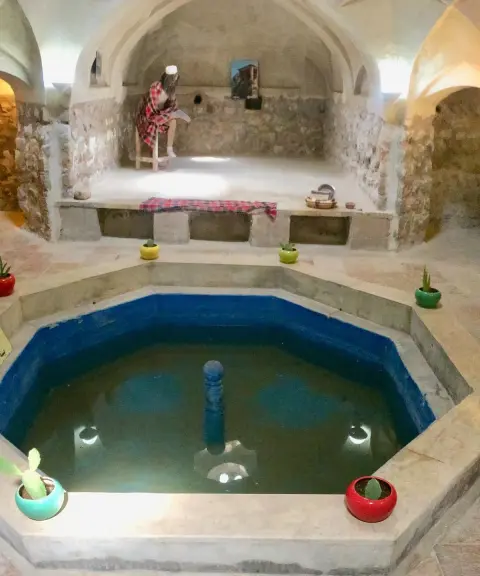
Gele-Dari Bath (Hammam-e Geledari)
Province Hormozgan
- Walking
The oldest historic bathhouse in Bandar Abbas
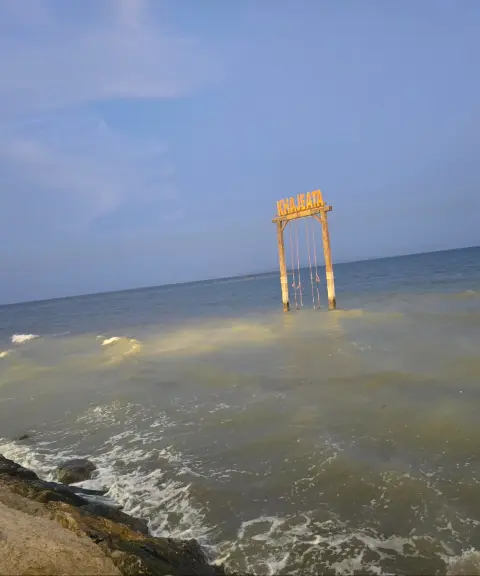

Khajeh Ata Beach
Province Hormozgan
- Walking
- Rowing
- Swimming
A Scene of Calm and Unspoiled Nature in Bandar Abbas
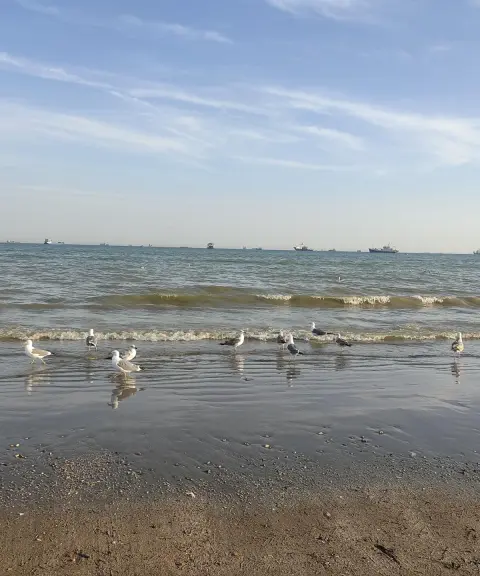
Souru Coastal Park (Kapshekan)
Province Hormozgan
- Walking
- Rowing
- Cycling
Where the calm of the sea meets urban greenery
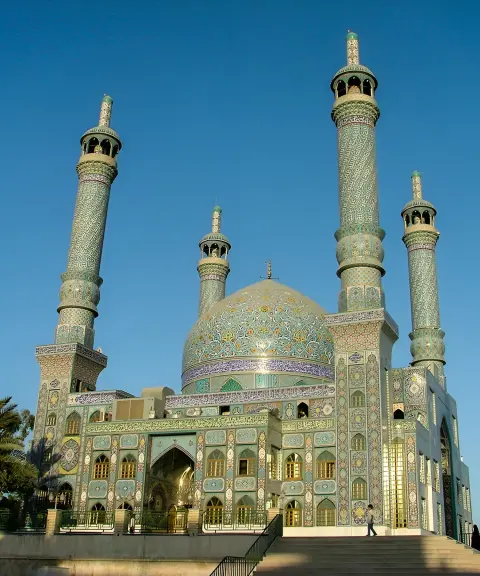
Imamzadeh Seyyed Mozaffar
Province Hormozgan
- Walking
A shrine with a turquoise dome in the heart of Bandar Abbas
Ancient Souro Neighborhood
Province Hormozgan
- Walking
Traces of history on the shore of Bandar Abbas
Related tags:
Unfortunately, no comments have been registered.