
 Forest
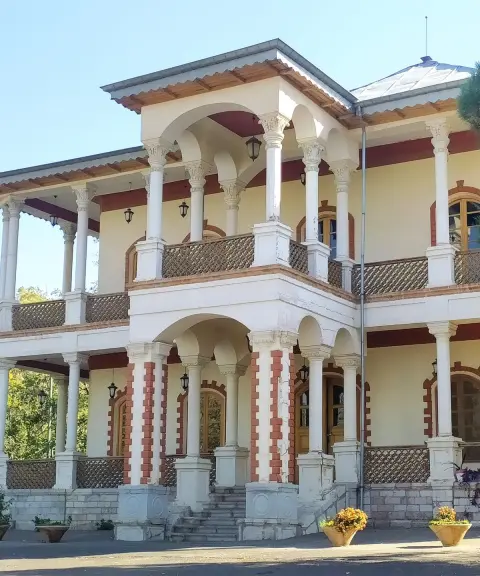

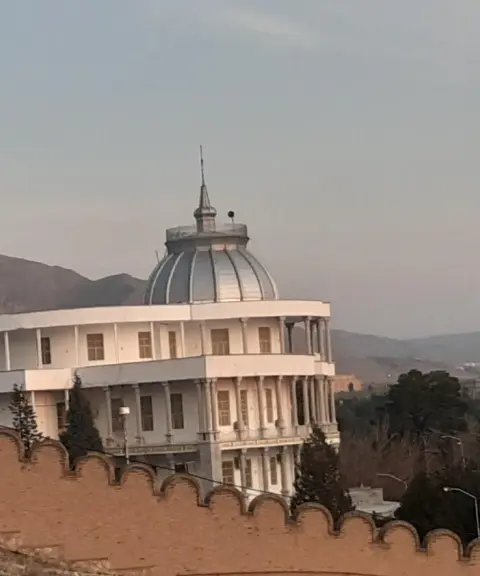
Yaqut Palace Mansion
Province Tehran
- Walking
A royal hunting ground in the Qajar era
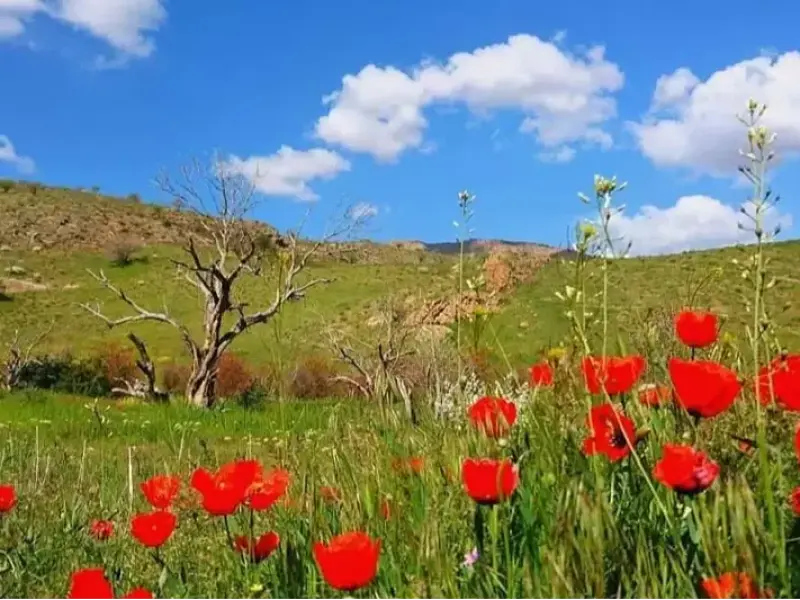
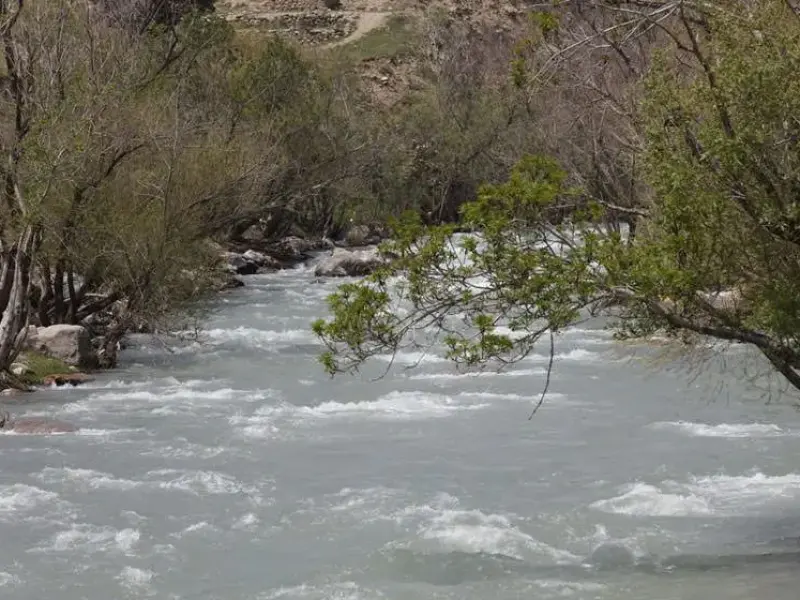
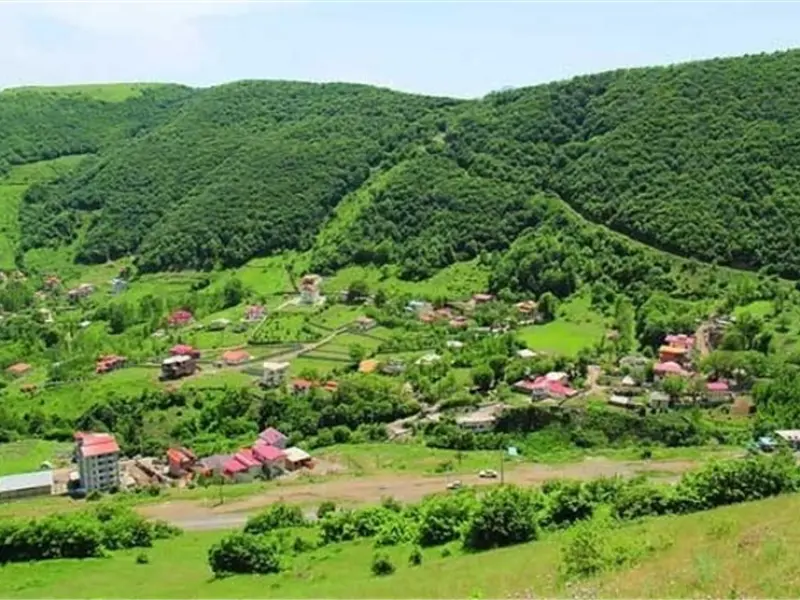
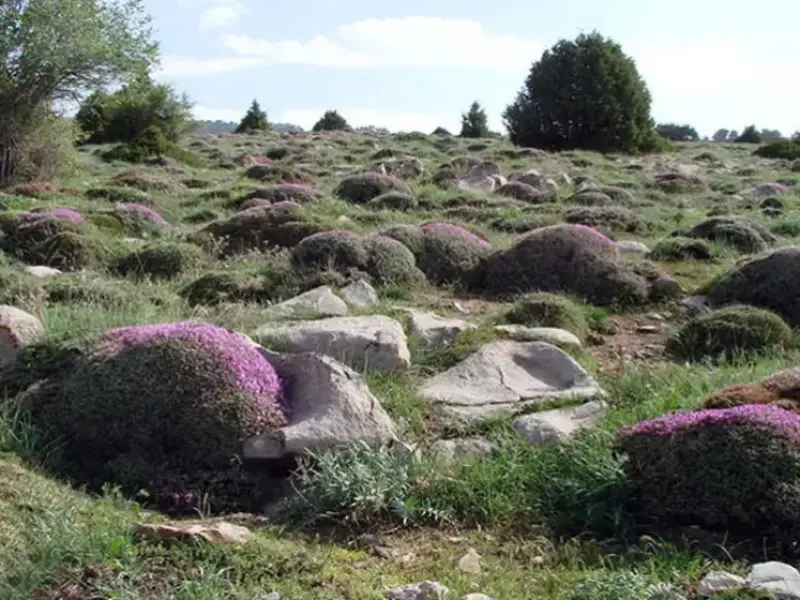
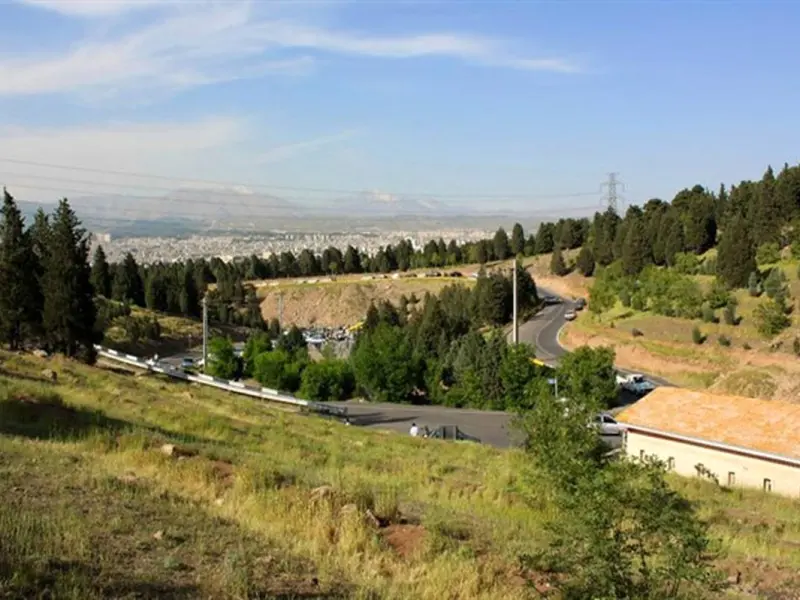
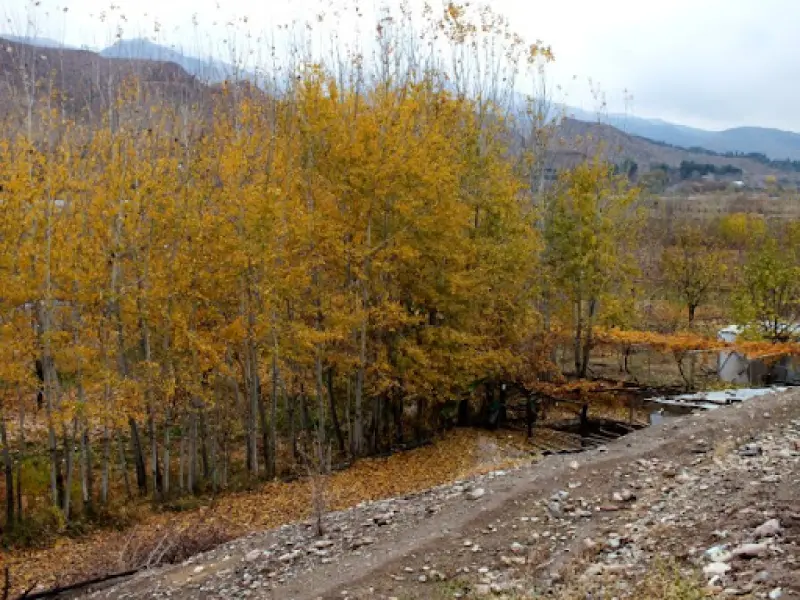
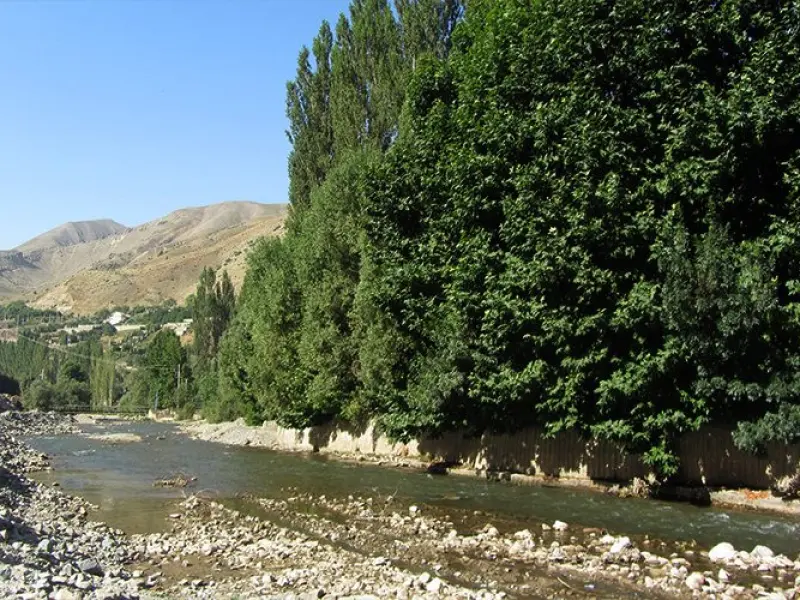
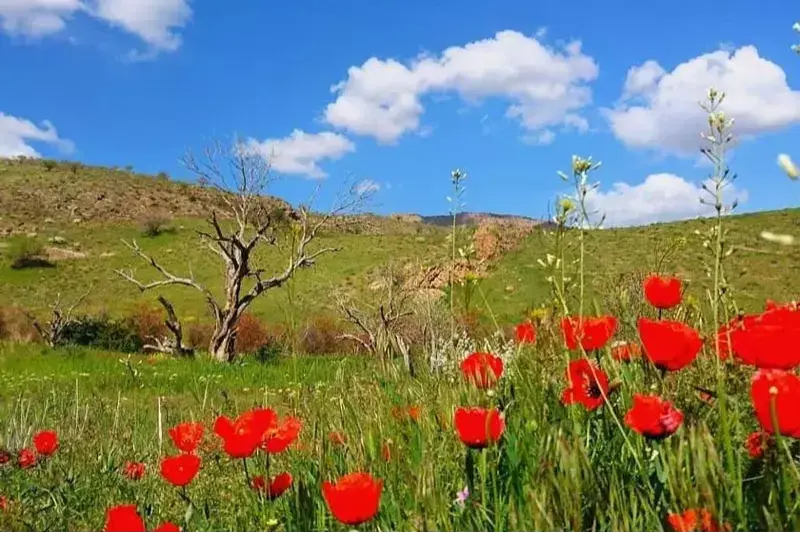
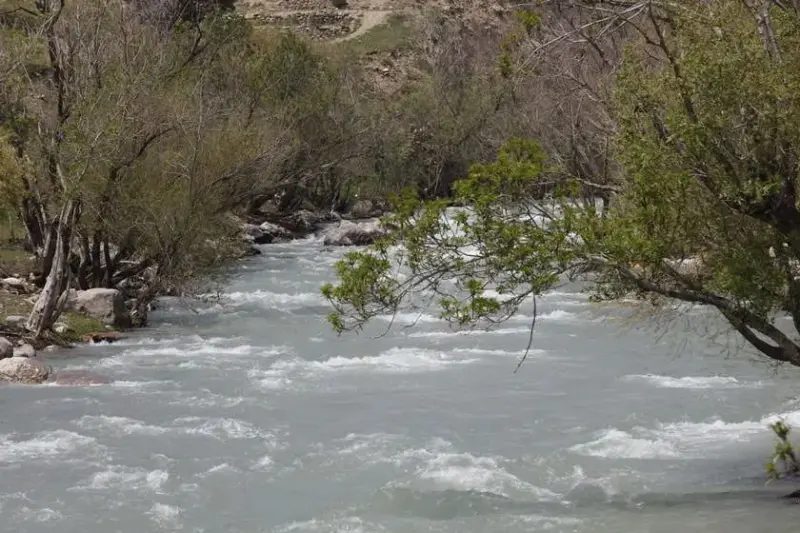
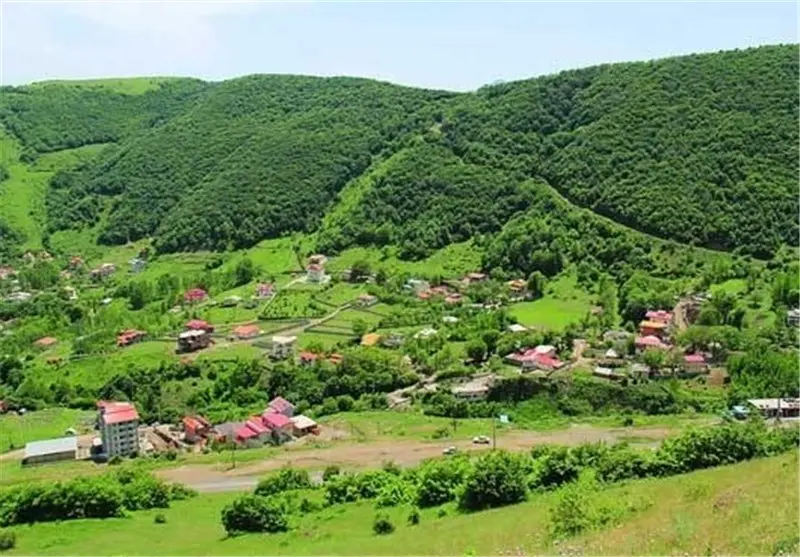
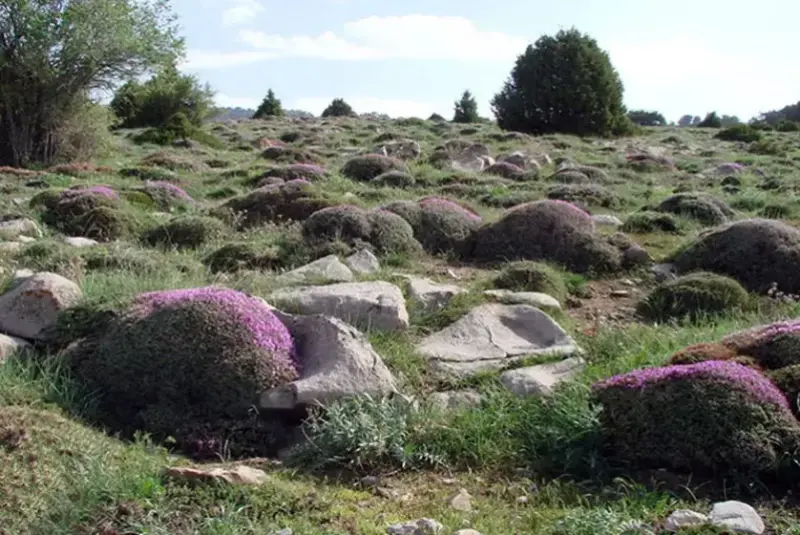
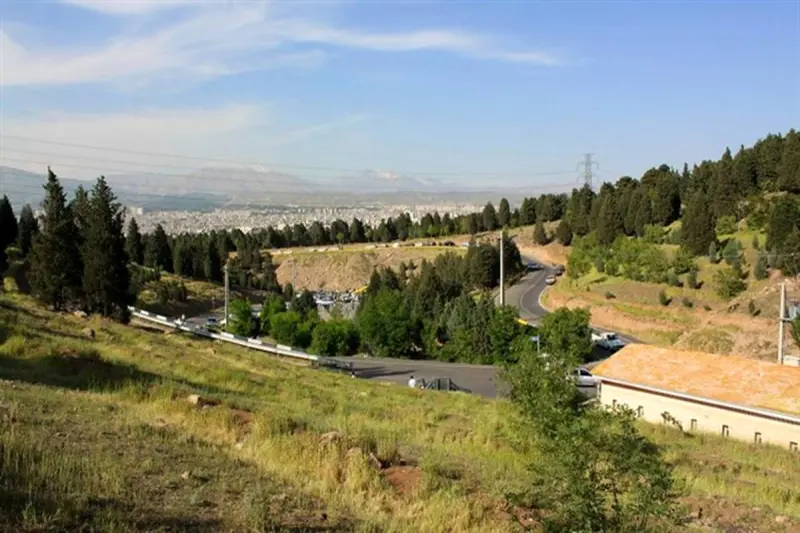
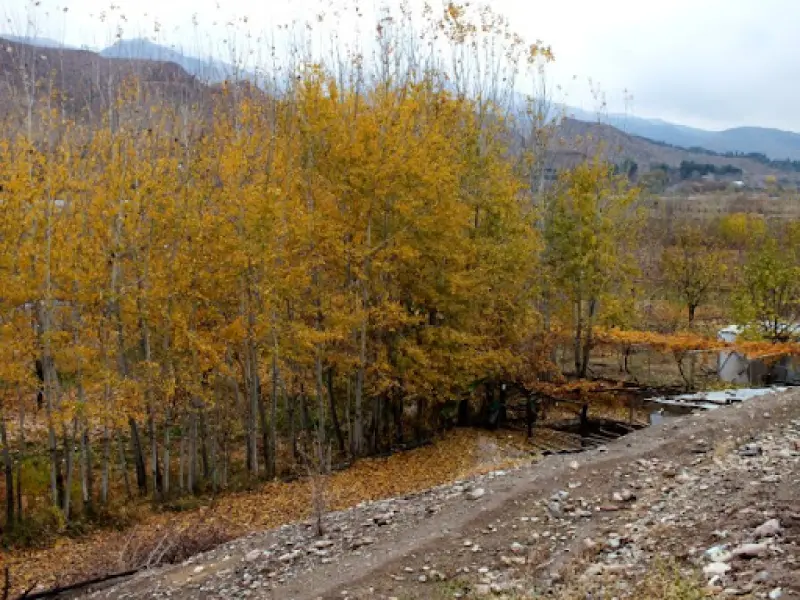
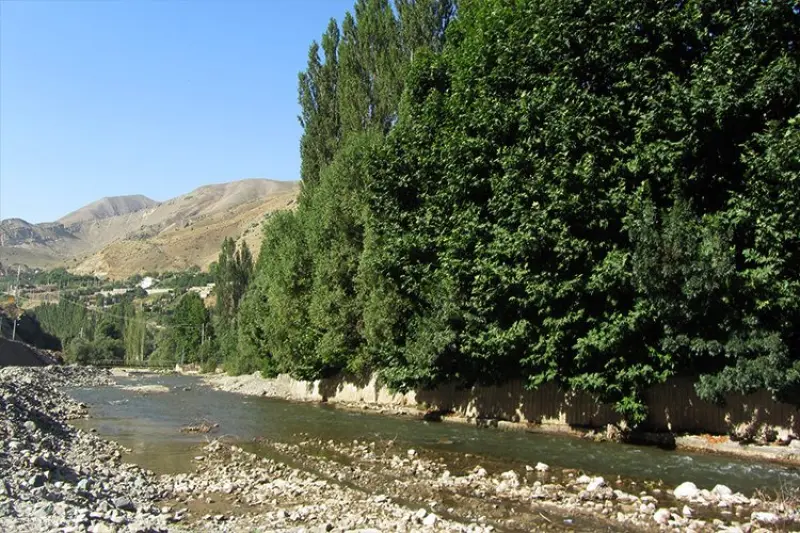
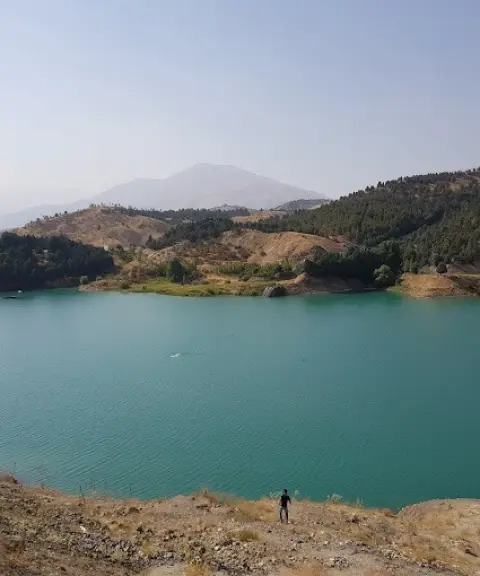
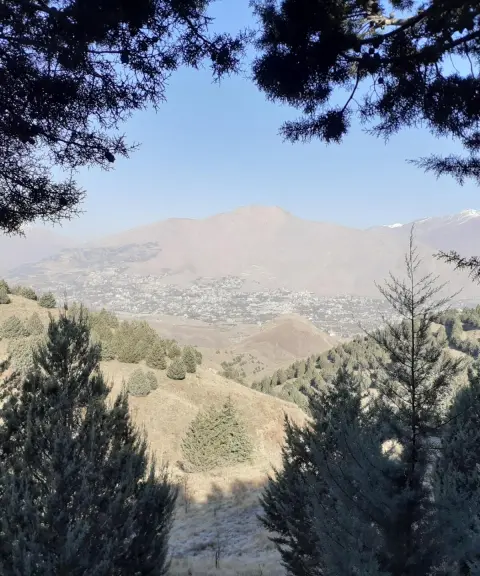
Jajrud Protected Area lies 30 kilometres northeast of Tehran, and the Sorkheh Hesar and Khojir National Parks are located within its boundaries. The protected area covers 56,624 hectares. The highest point in the area is Arakuh Peak at 2,649 metres, and the lowest is the Sangtarashan Plain at 1,100 metres. Jajrud Protected Area has a semi-desert, mountain climate, with mild and relatively dry weather. The maximum and minimum temperatures are 42 and -30 degrees Celsius, in the months of Tir (June–July) and Esfand (February–March) respectively.
The vegetation of this area extends south towards Varamin. Because of low rainfall it is dry, with the look of desert plants, low density and irregular distribution. Woody, thorny and low-growing species grow here, and sometimes they appear only in limited numbers. In general, the distinct and visible species include tamarisk (gaz), saxaul (taghagh), qeych, eskonbil, ashnan, jeghjeghe, atriplex, karvan-kosh, parand, kur, milkvetch (gon), wormwood (artemisia), camel thorn and wild rue (esfand), which are scattered across the plains and dry mountains. As in the Guydagh heights, steppe vegetation covers most of the foothills and mountain slopes. In Khojir and Sorkheh Hesar National Parks and Jajrud Protected Area, two amphibian species live: the green toad and the common frog. The area has one non-native species, the rainbow trout, and 5 native species: the black fish, the Caspian barbel-type sess fish (protected), the stream loach, the bride fish and the kuli fish.
Jajrud Protected Area has a semi-desert, mountain climate, with mild and relatively dry weather. The maximum and minimum temperatures are 42 and -30 degrees Celsius, in the months of Tir (June–July) and Esfand (February–March) respectively. The highest and lowest average annual precipitation are estimated at 731 and 198 millimetres. The best time to visit this area is spring and summer, because in these seasons the temperature is pleasant and nature is at its best.
Written by ستایش عرب Last updated
What you can do here, and what it takes
کفش مناسب پیادهروی به همراه داشته باشید.
مسیرهای کوهنوردی متعددی در این منطقه وجود دارد.
Province Tehran
Province Tehran
Province Tehran
Province Tehran
Province Tehran
Unfortunately, no comments have been registered.