
 Attractions
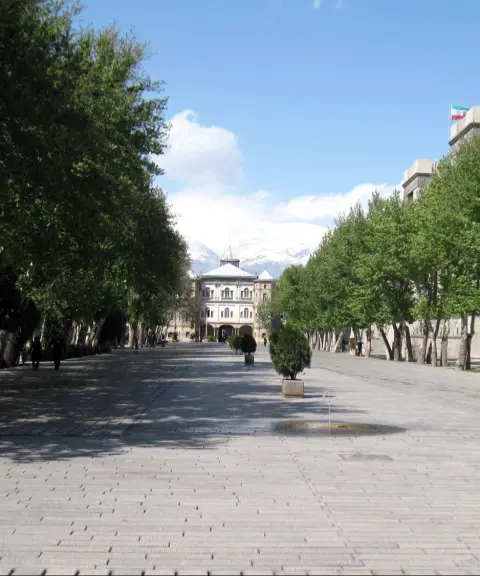
Tehran Police Palace
A magnificent example of Iranian neoclassical architecture in Mashq Square
- Ability level Beginner


Ability level:
Beginner
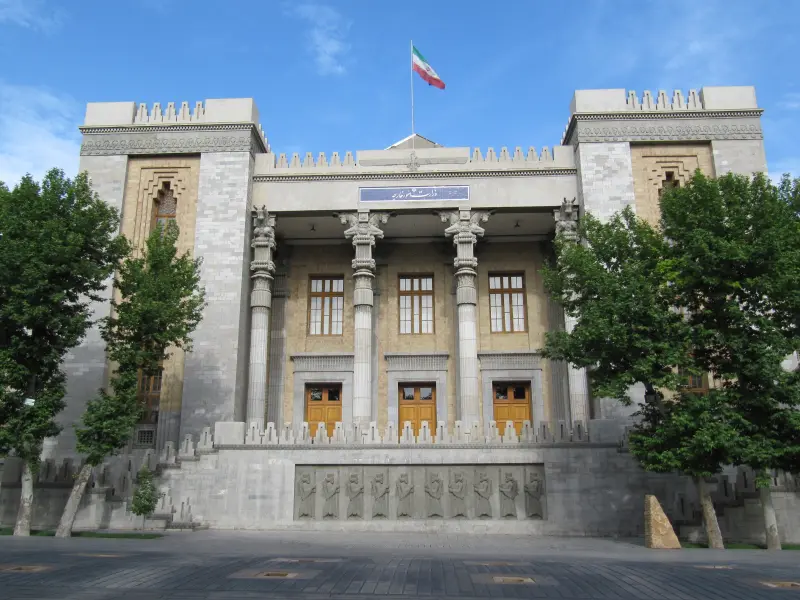
The Tehran Police Palace (Shahrbani Palace) is one of the capital's landmark historic buildings. It was built during the reign of Reza Shah, in the First Pahlavi era, to house the police headquarters. The building stands in the area of Mashq Square, also known as Baq-e Melli (the National Garden), in central Tehran, near Imam Khomeini Street and 30 Tir Street. Construction began in 1312 (Solar Hijri) and was completed in 1315. The palace was originally designed to house law enforcement institutions and to project the authority and organisation of the central government. Later, its use changed and it became one of the buildings of the Ministry of Foreign Affairs. The Ministry bought the building from the police force in the early 1380s (Solar Hijri) and, after restoration and renovation work, put it into use as Building No. 9 of the Ministry of Foreign Affairs. Because of its historical standing and architectural value, the Police Palace is considered one of the most important surviving buildings of the First Pahlavi era in Tehran's historic fabric. Together with the other historic buildings of Mashq Square, it reflects part of the architectural and administrative identity of the capital.
The Police Palace was designed by Gabriel Gurekian, a prominent Armenian architect, and built with the participation of Iranian master craftsmen. It is an outstanding example of Iranian neoclassical architecture, also known as the national architecture of the First Pahlavi era, a style that combines modern European architectural principles with elements drawn from ancient Iranian architecture and some features of Qajar-era architecture. The building has a floor area of about 21,000 square metres, with three above-ground storeys and a basement, and its plan is elongated, with projecting and recessed sections. The most distinctive features of the facade are its stone columns and carved capitals inspired by Persepolis, relief carvings of Achaemenid soldiers, and stone decoration, which give the building a historic and imposing look. The wide, symmetrical staircases on either side of the entrance also recall the architecture of the Apadana Palace and lead visitors to the central portico of the building. Inside, plasterwork and mirror work, along with long corridors, numerous rooms and the main hall, are notable architectural features. Tilework and some other decorative elements add further touches of Iranian architectural art to the building. Today the Police Palace is known as Building No. 9 of the Ministry of Foreign Affairs, and because it is used as an office building, the interior is not open to the public. Even so, its exterior remains one of the sights of historic architecture in central Tehran.
To reach the Police Palace, you can take Imam Khomeini Street or 30 Tir Street to the Mashq Square area and the entrance gate of Baq-e Melli. Imam Khomeini metro station is a convenient public transport option for getting to this area, and you can cover the rest of the way on foot. Buses and taxis that serve Imam Khomeini Square and the surrounding streets can also take you close to the building. Since the palace is located in an administrative and historic part of the city, it is best to visit during daylight hours so that you can see the details of the columns, carvings and reliefs on the facade more clearly. Spring and autumn, with Tehran's milder weather, are good times to stroll around Mashq Square and visit the historic buildings nearby. Because the building is under the control of the Ministry of Foreign Affairs, visitors should limit themselves to the outside and permitted areas, and avoid entering the office grounds without prior arrangement. Keeping the area clean, respecting the building's surroundings and avoiding damage to historic features also help preserve the architectural value of this monument. The palace's proximity to the Baq-e Melli gate, the Malek Museum, the Communications Museum and other historic buildings in the area also makes it easy to plan a cultural tour of central Tehran.
Written by زهرا لنگری Last updated
Activities
What you can do here, and what it takes
-
Walking
مسیرهای اطراف میدان مشق، سردر باغ ملی و خیابان سیتیر برای پیادهروی و تماشای بناهای تاریخی مرکز تهران مناسب هستند.
Specifications
Introduction of the location and specifications of Tehran Police Palace
Construction Period:
Pahlavi
Location:
Tehran, Tehran
Coordinates:
35.68753100, 51.41733400
Open in maps
Transports:
Private car, Minibus, Bus
Tourist Attractions in Tehran
Attractions that are nearby
Dar ul-Funun School
Province Tehran
- Walking
The birthplace of modern education in the heart of Tehran
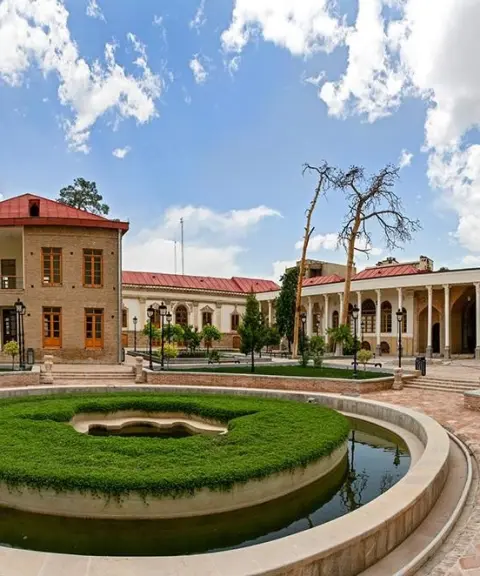
Ettehadieh House and Garden
Province Tehran
- Walking
A magnificent relic of Qajar-era Tehran and a filming location of the series Dear Uncle Napoleon
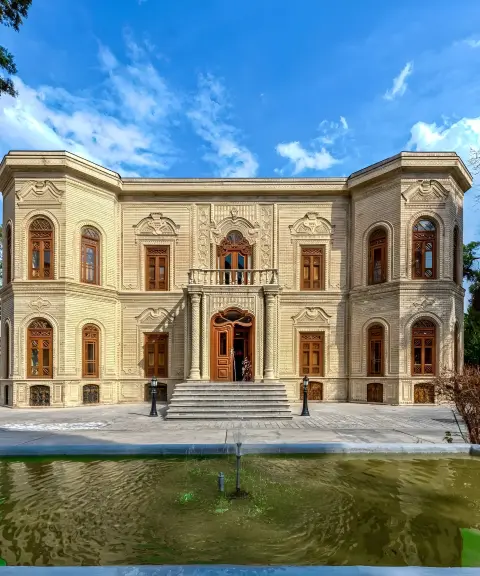
Abgineh and Pottery Museum
Province Tehran
- Walking
A treasure of glass and ceramic art in the heart of the capital
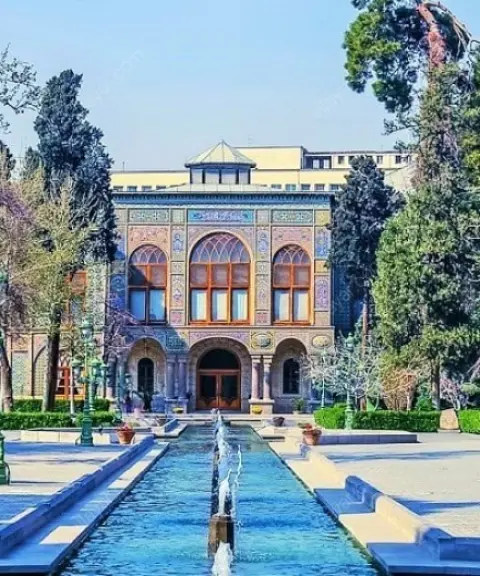
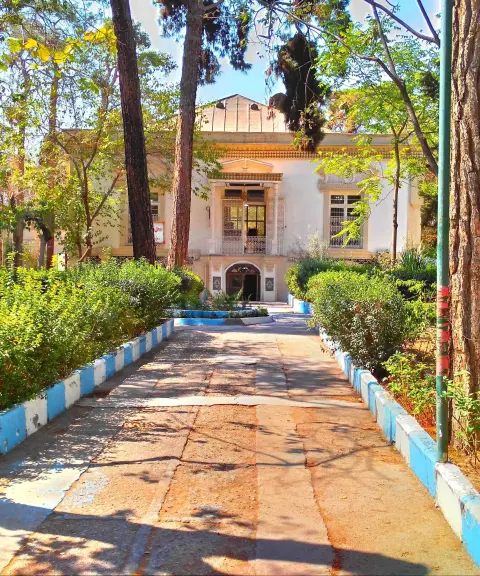
Alam al-Saltaneh Mansion
Province Tehran
- Walking
A Qajar-era house with authentic Tehran architecture and decoration
Sultan Begum Mansion
Province Tehran
- Walking
A Masterpiece of Qajar Architecture in the Heart of Tehran
Related tags:
Unfortunately, no comments have been registered.