
 Attractions
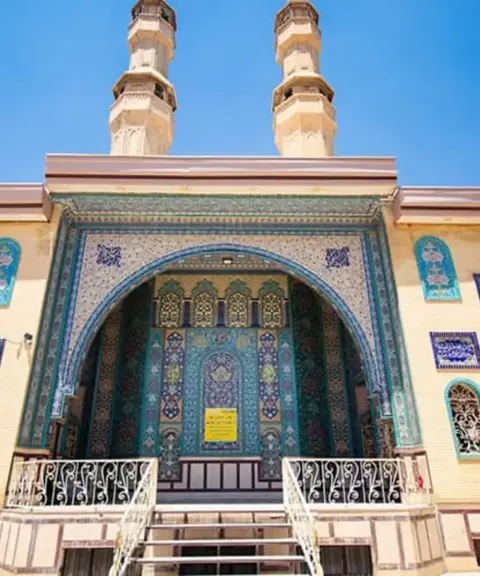
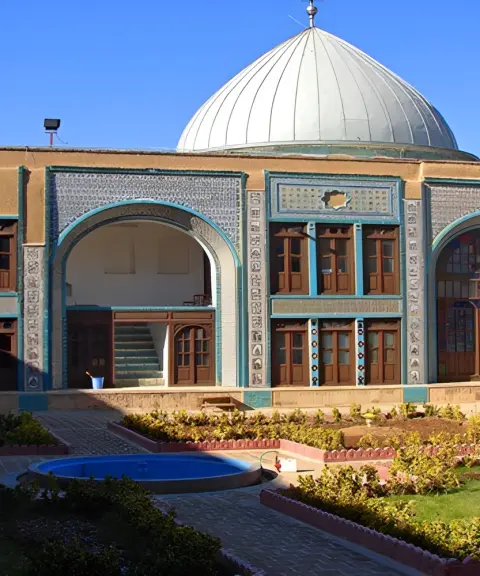
Shafi'i Jame Mosque
Province Kermanshah
- Walking
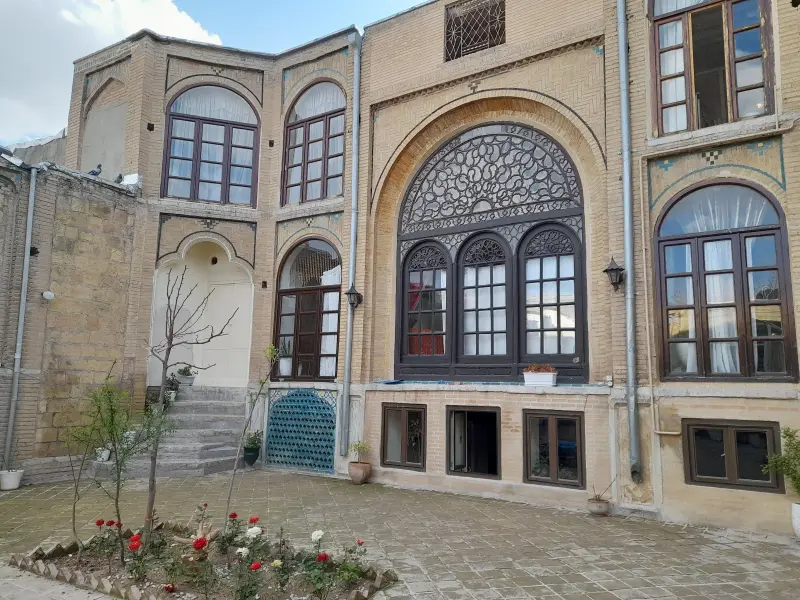
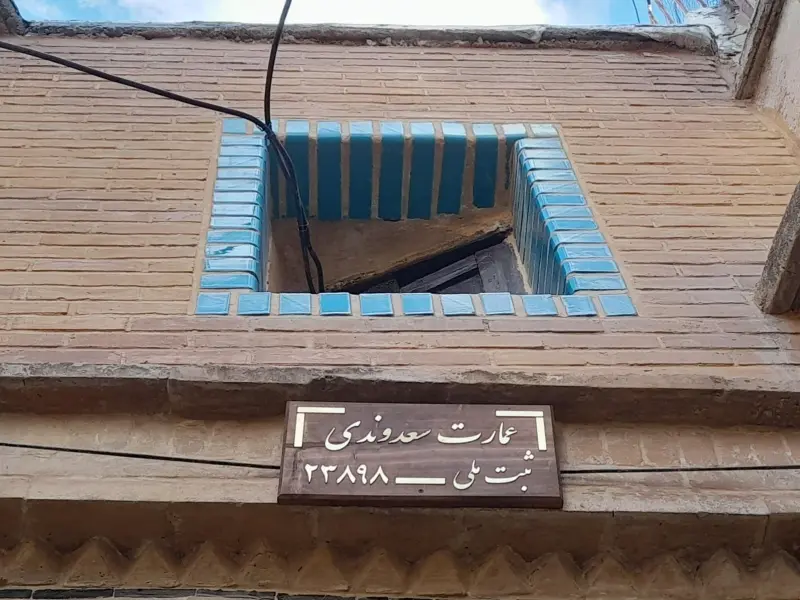
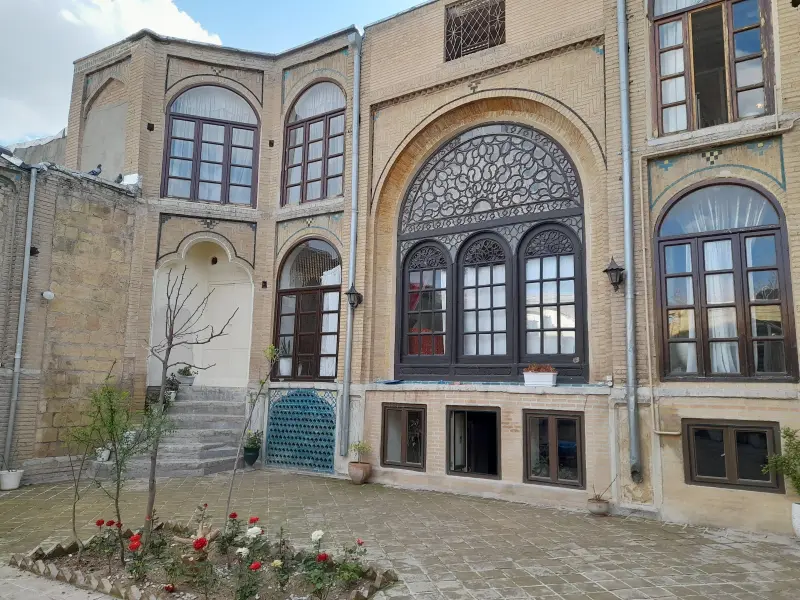
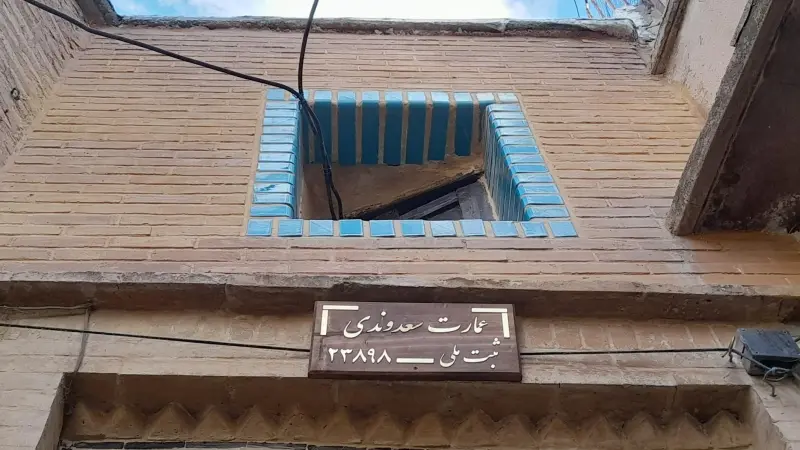
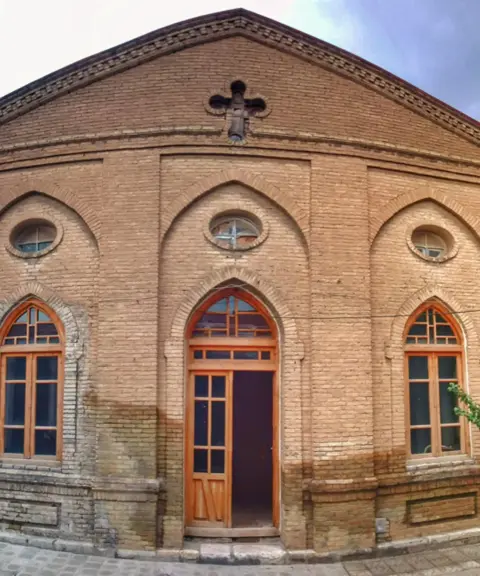
Saadvandi House is one of the historic houses of the city of Kermanshah, in Kermanshah Province, and dates back to the Qajar period. The building stands on Javanshir Square, also known as Taleghani Square, in Saadvandi Alley and Saadvandi Dead-End Alley, and is considered a valuable example of the city's old residential architecture. Saadvandi House was added to the Iran National Heritage list on 18 Azar 1387 (Solar Hijri) under registration number 23898. The original builder and owner of the mansion was Beyg Mohammad Saadvandi, known as Beyg Mohammad Razzazi, who worked as a rice merchant in Kermanshah. The house was originally the residence of the Saadvandi family, and its various sections were designed to suit family life and daily needs. Over time, the building passed into the hands of other owners and parts of the complex were divided up; the present Saadvandi mansion is the surviving part of the andaruni (inner quarters) of the historic complex, which later returned to the Saadvandi family.
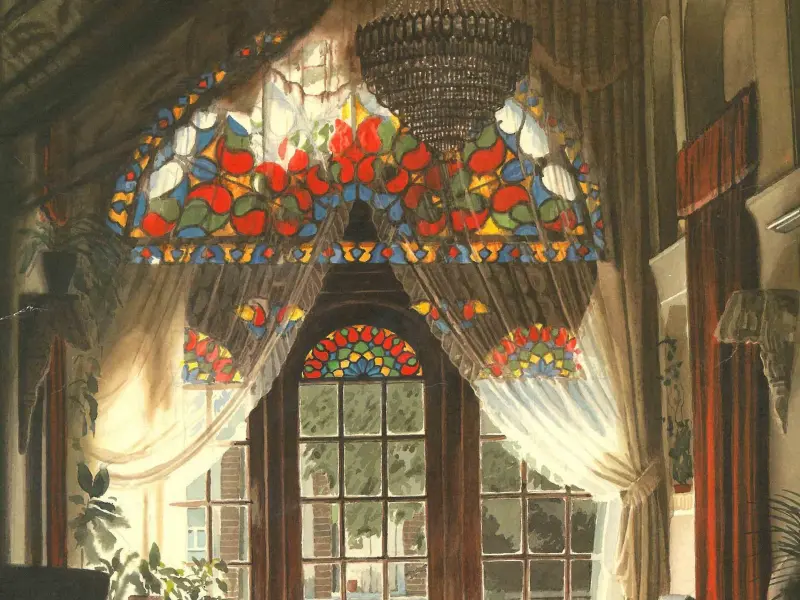
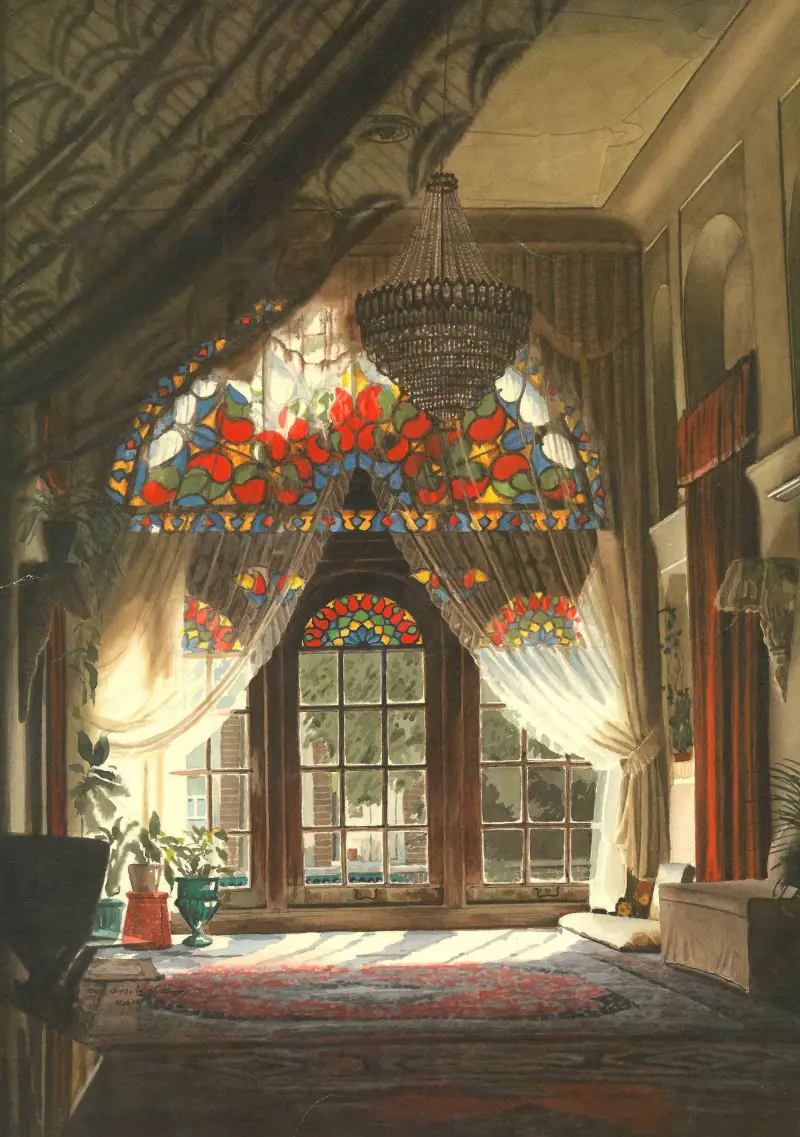
Among the architectural features of Saadvandi House are the division of space into outer (biruni) and inner (andaruni) sections, a large courtyard, numerous rooms, and a stable for keeping livestock. One of the mansion's most distinctive spaces is a large room of roughly 100 square metres known as the Orosi room, which with its wooden windows, stained glass and mirror-work decoration made a striking impression. Its high ceiling, niches and large shelves for displaying antiques were also among the features of this room. Beyond its residential function, Saadvandi House played an important part in the social and religious life of the family and those around them; during the months of Muharram and Safar, mourning ceremonies and religious gatherings were held in the courtyard and rooms of the mansion. The Nodbeh and Komeil prayer ceremonies were also held on Thursday nights (the eve of Friday) in the Orosi room and the adjoining spaces. These features make Saadvandi House a remarkable example of the link between traditional architecture, family life and religious rituals in old Kermanshah.
To reach Saadvandi House, head to the city of Kermanshah, Javanshir (Taleghani) Square, then Saadvandi Alley and Saadvandi Dead-End Alley. Since the building is within the urban area, you can combine your visit with a walk through the old neighbourhoods and get to know the historic fabric of Kermanshah. Before you go, however, it is advisable to find out whether the house is open to the public and whether you need to arrange a visit with the owner or the person in charge of the building. Spring and early autumn, given Kermanshah's typical climate, are good times to explore the city and visit its historic buildings. During your visit, do not touch the decorations or the old glass, avoid damaging any part of the building or entering restricted areas, and respect the privacy of the residents and any activities that may be taking place in the complex.
Written by زهرا لنگری Last updated
What you can do here, and what it takes
در محدوده میدان جوانشیر و کوچههای اطراف میتوانید پیادهروی کنید و با فضای محلههای قدیمی کرمانشاه آشنا شوید.
Province Kermanshah
Province Kermanshah
Province Kermanshah
Province Kermanshah
Province Kermanshah

Unfortunately, no comments have been registered.