
 Attractions
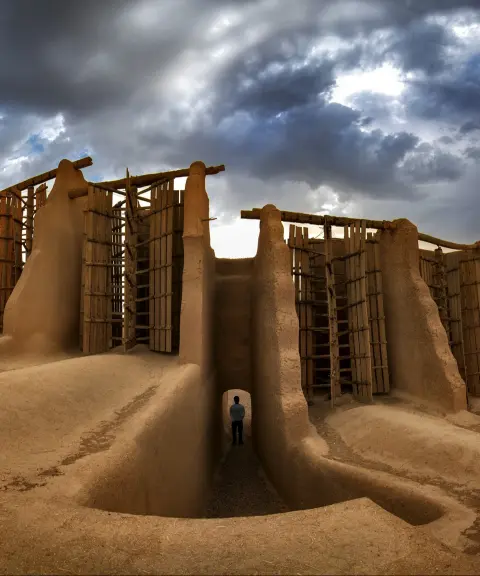
Nashtifan Windmills
Province Razavi Khorasan
- Walking
A turquoise tilework masterpiece in the historic plains of Khaf
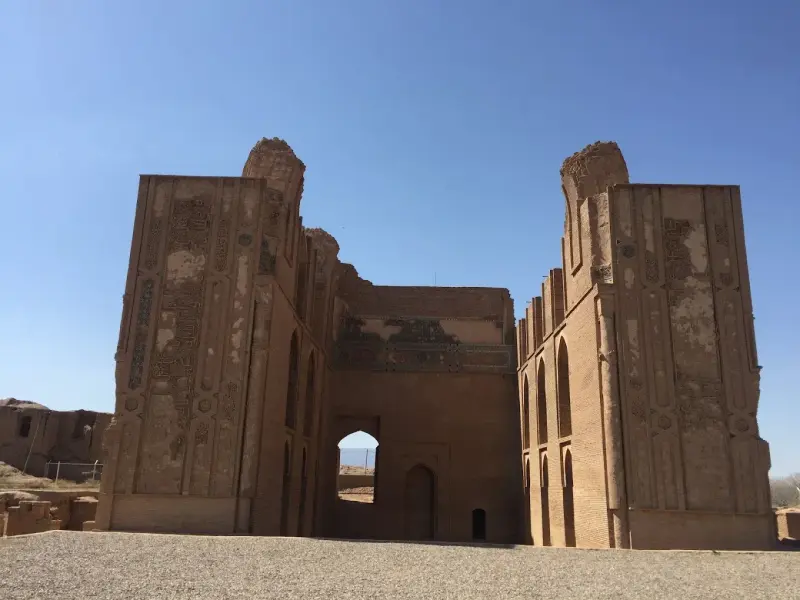
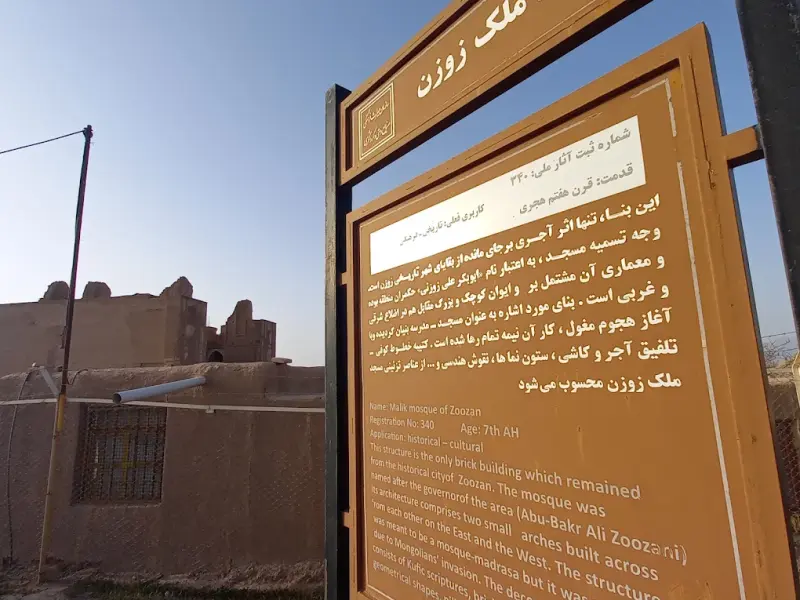
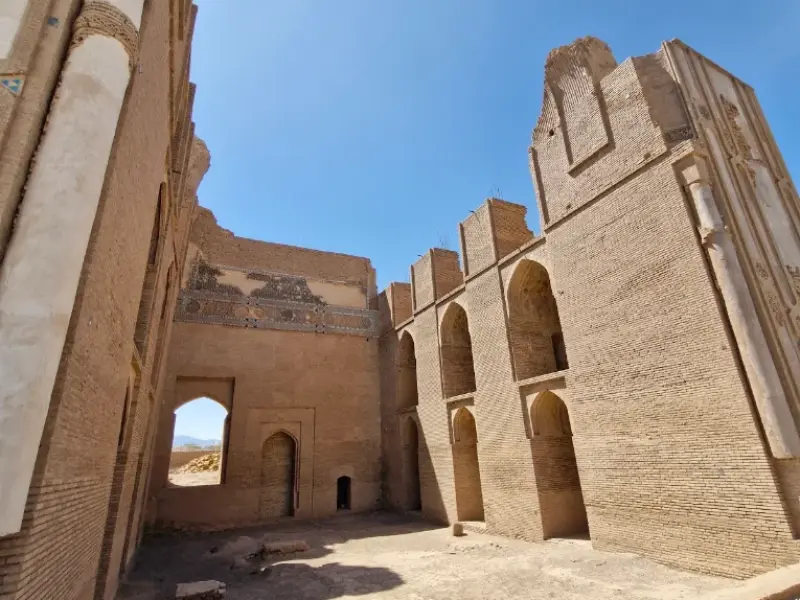
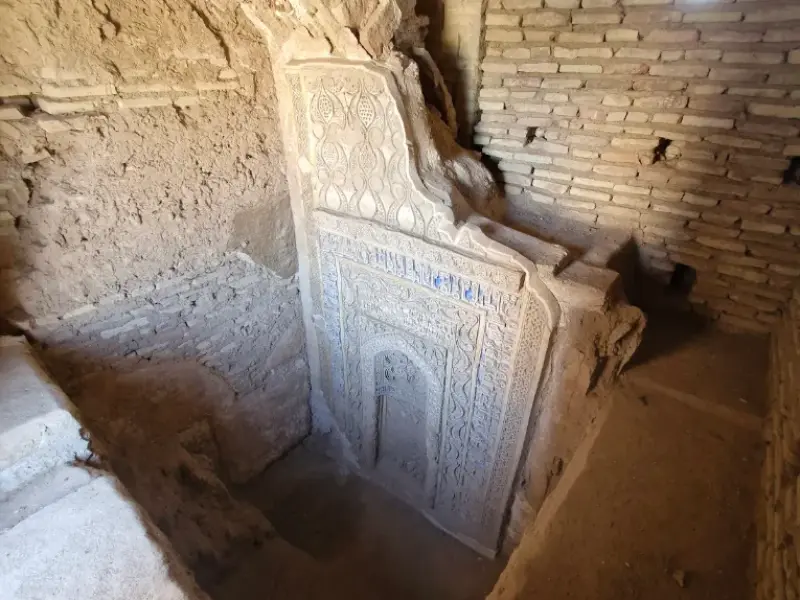
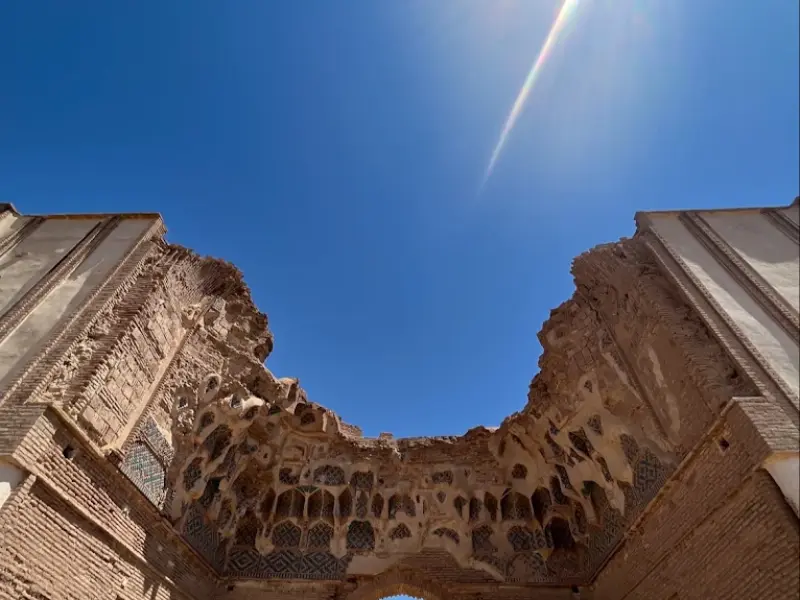
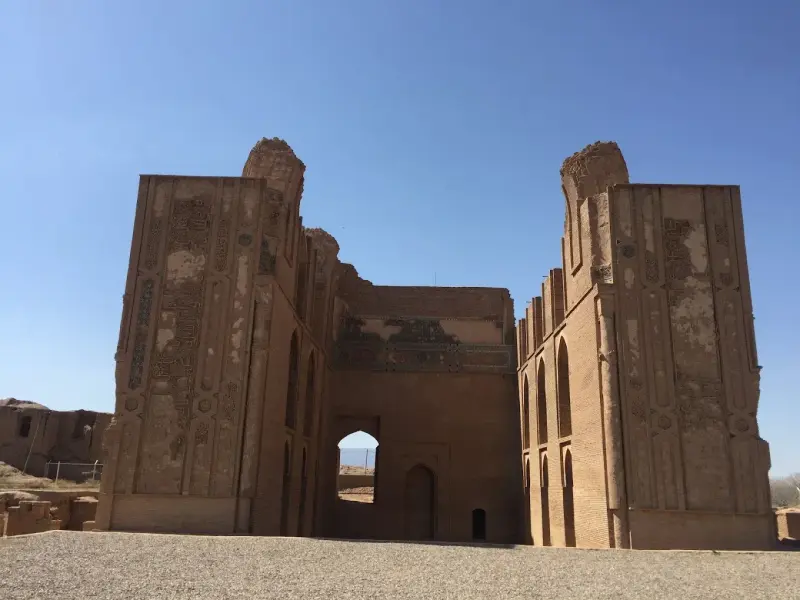
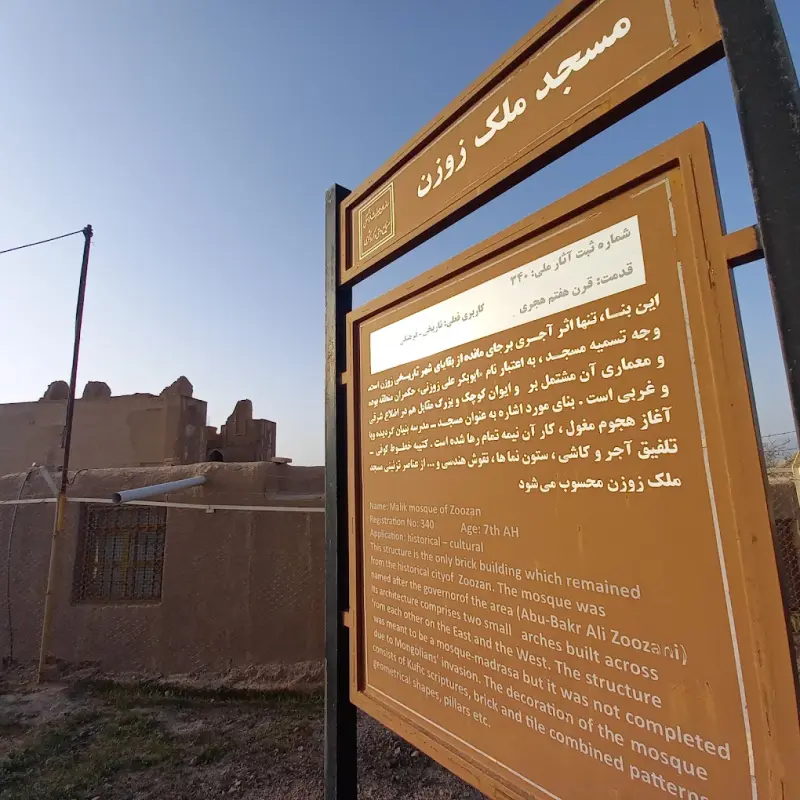
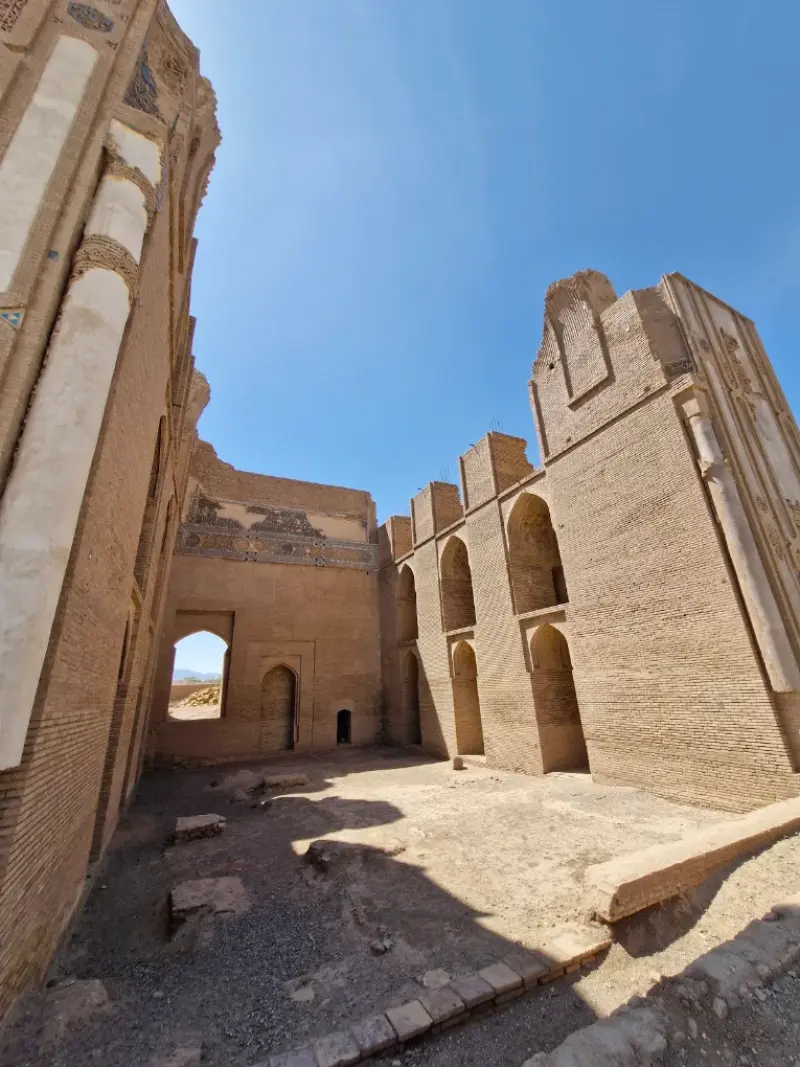
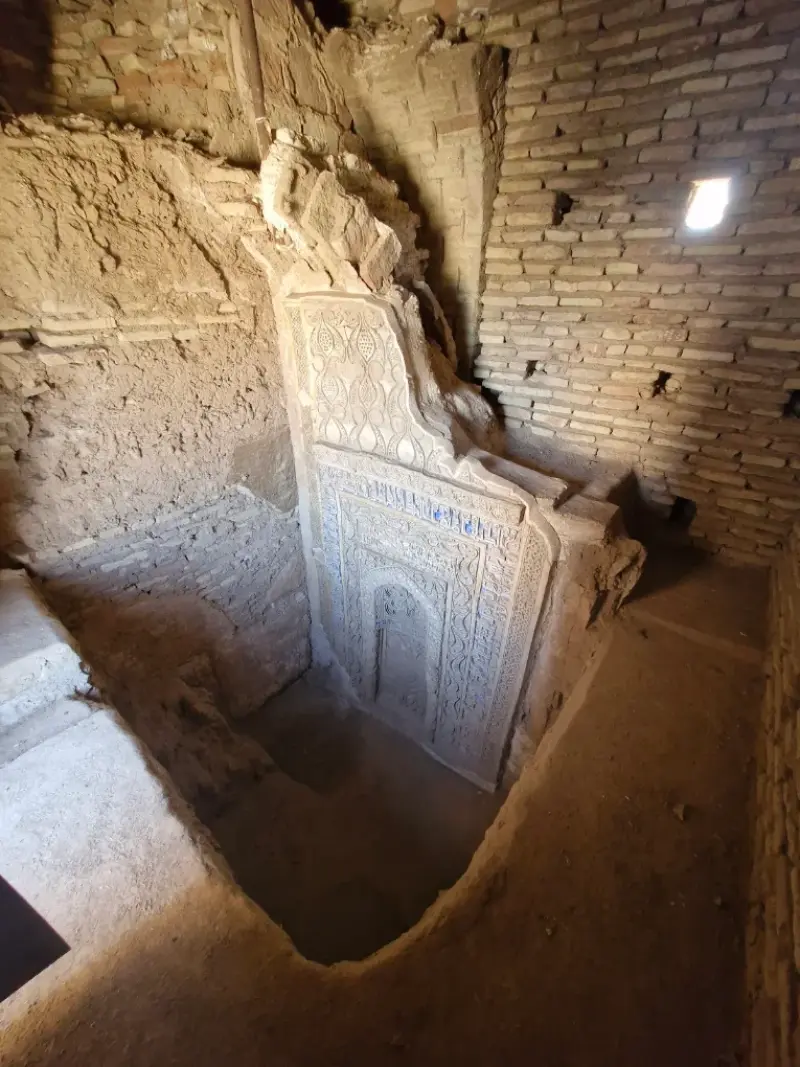
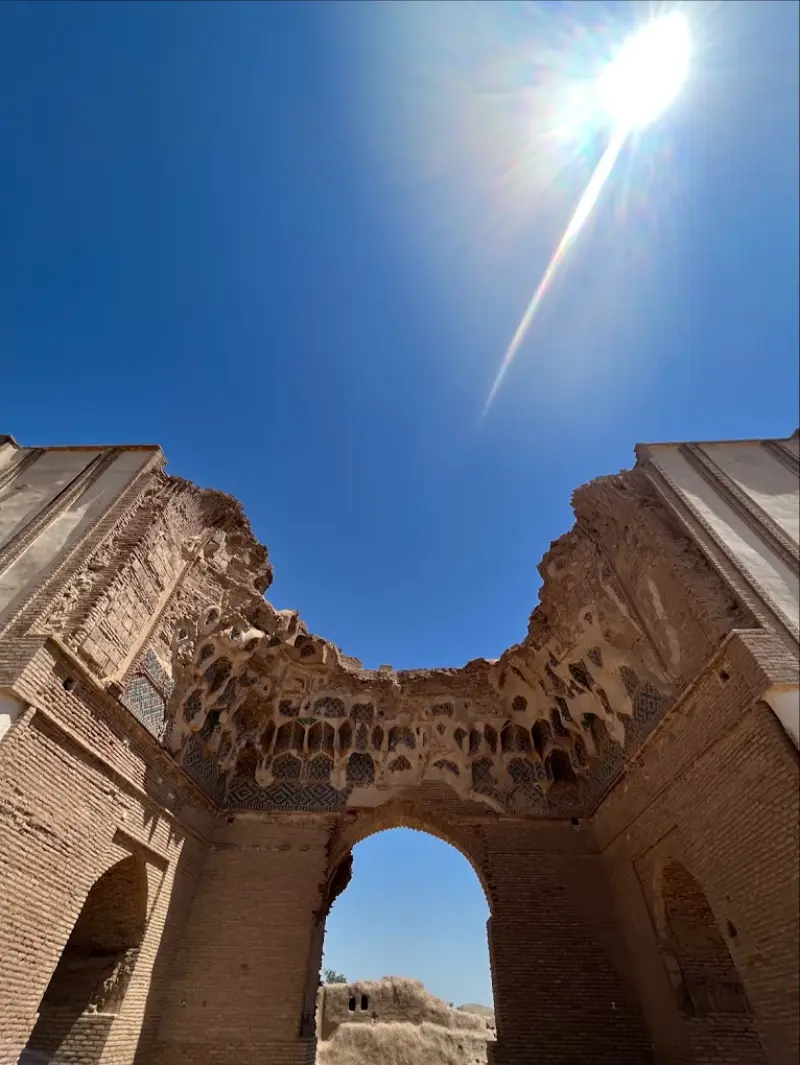
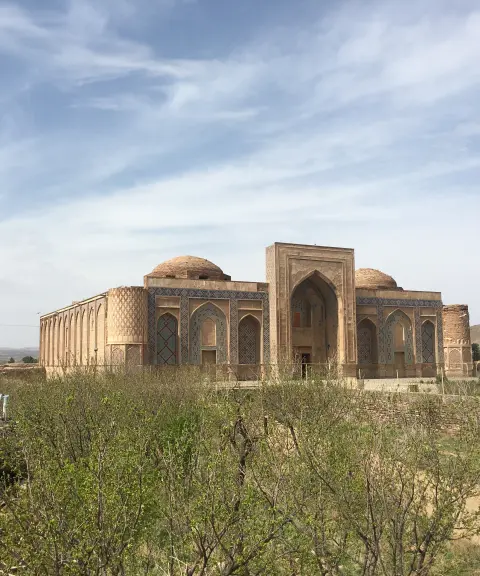
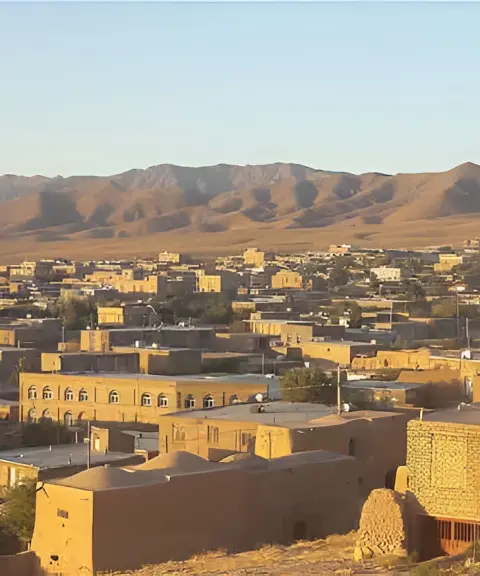
The Malek Zuzan Mosque is a valuable historic monument in Razavi Khorasan Province. It stands in the village of Zuzan, in the Jolgeh Zuzan District of Khaf County. The monument dates to the Khwarazmian period (7th century AH) and is a relic of the glory of the historic city of Zuzan, which was once an important political and cultural centre in the Khorasan region. The Malek Zuzan Mosque was added to Iran's National Heritage list on 20 Bahman 1318 (Solar Hijri) under registration number 340, and today it is one of the most distinctive historic attractions of Khaf County. Set in a dry, desert landscape, the building creates a striking contrast between the earthy colour of its historic bricks and its turquoise and lapis-blue tiles.
What sets the Malek Zuzan Mosque apart from many other historic buildings in Iran is its brick architecture and two-colour tile decoration, a style regarded as one of the outstanding examples of facade ornamentation in Iranian historic architecture. Of the mosque's original complex, two iwans, one large and one small, survive today on the eastern and western sides. Although they face each other, they differ in size and decoration. Delicate brickwork, the remains of turquoise and lapis-blue tiles, muqarnas work and historic inscriptions give the monument a special character. There are different views about the original function and plan of the building: some researchers consider it a two-iwan mosque, while others believe it may have served as a mosque and madrasa, or as part of the governmental complex of Malek Zuzan. Because of its link to the history of the ancient city of Zuzan and to Khwarazmian-era architecture, the site is also of great interest to those who love history, archaeology and Iranian architecture.
To visit the Malek Zuzan Mosque, travel from the city of Khaf towards the village of Zuzan in the Jolgeh Zuzan District. The monument lies about 65 to 66 kilometres southwest of Khaf, and you can reach it by private car or as part of the region's tourist tours. Given the dry climate and hot summers in this area, spring and autumn are better times to visit, as the weather in these seasons is usually more pleasant for walking around the historic site. During your visit, it is a good idea to set aside time to look closely at the details of the brickwork and the surviving tiles and, if possible, to include other historic attractions in the region, such as the Neshtifan windmills, in your itinerary. To help protect this valuable monument, please avoid touching worn areas, climbing on walls, moving historic remains and leaving litter on the site, and respect the protected areas and the on-site instructions.
Written by زهرا لنگری Last updated
What you can do here, and what it takes
کفش پیادهروی به همراه داشته باشید..
Province Razavi Khorasan
Province Razavi Khorasan
Province Razavi Khorasan
Province Razavi Khorasan
Province Razavi Khorasan
Province Razavi Khorasan
Province Razavi Khorasan
Province South Khorasan


Unfortunately, no comments have been registered.