
 Historic Castle
Mozaffari Castle
A Legacy of the History and Culture of the Lak People in Aleshtar
- Historic Castle
- Lorestan, Aleshtar
- Altitude 1,708 m
- Ability level Beginner
Ability level:
Beginner
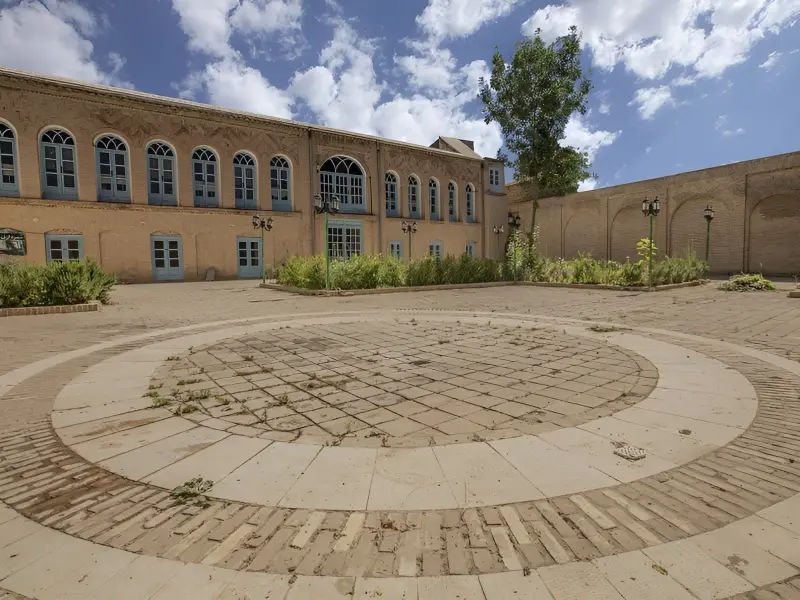
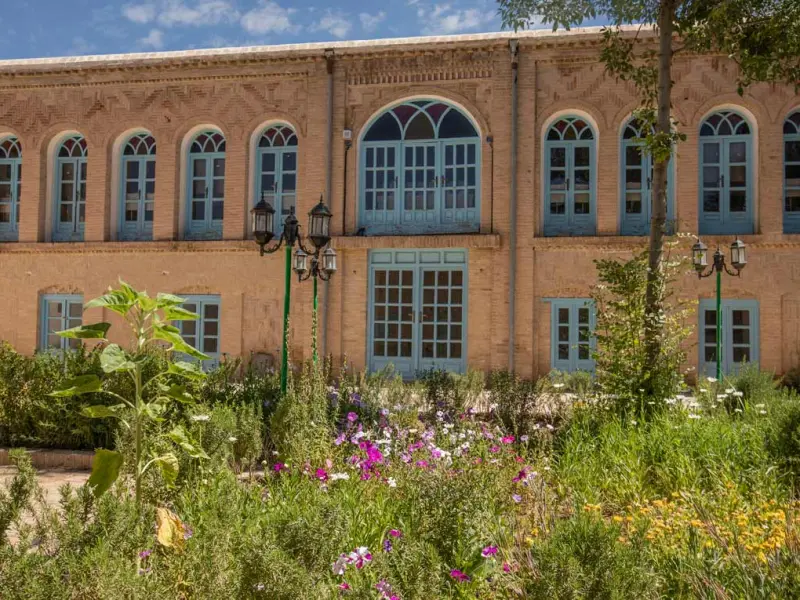
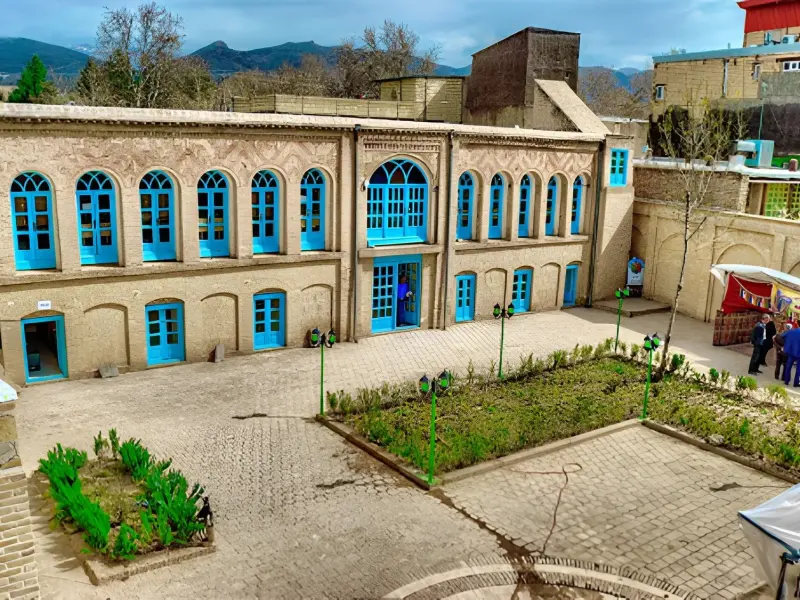
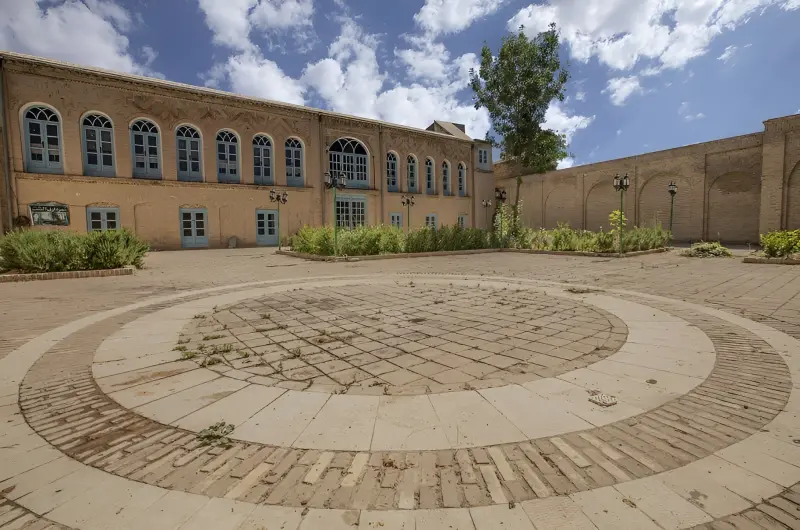
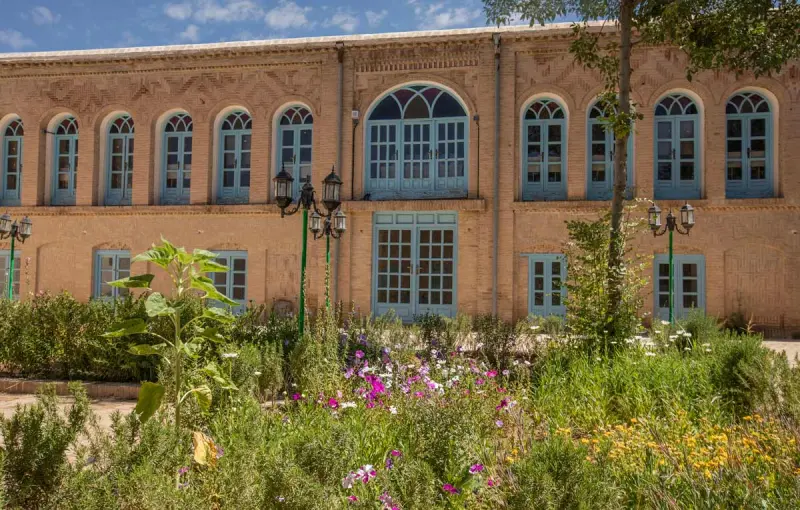
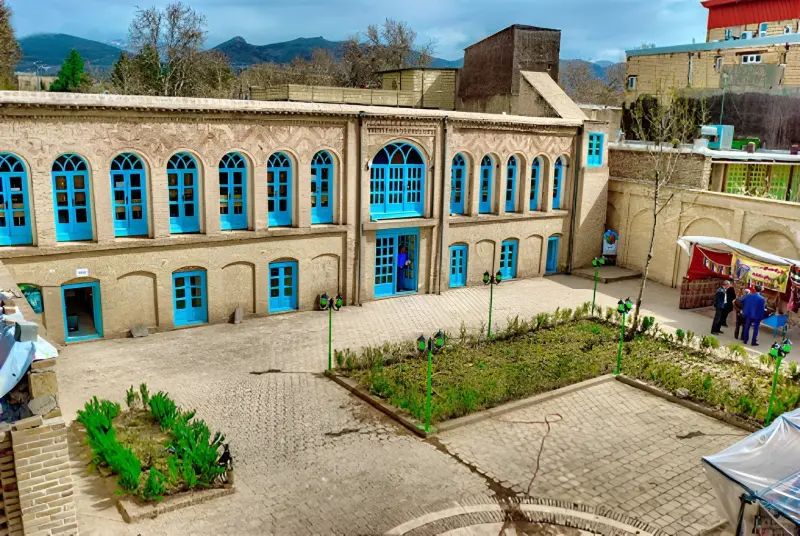
Mozaffari Castle is one of the historic buildings of Aleshtar, the capital of Selseleh County in northern Lorestan Province, and dates from the late Qajar period and the early Pahlavi period. The castle was built on the orders of one of the region's local khans from the Hasanvand family, and in the past it was an important centre of government and social life in Aleshtar. Mozaffari Castle stands on the 24-metre street, a continuation of Imam Khomeini Street in Aleshtar, and is of historical and cultural importance because of its ties to local history and the culture of the Lak people. It was inscribed on Iran's National Heritage list on 10 Mehr 1380 under registration number 4146, and today it is regarded as one of the most notable historical attractions of Selseleh County. A visit to the building is a chance to learn about part of the region's political, social and cultural background, and to see the architecture of local government buildings of the late Qajar and early Pahlavi periods.
Mozaffari Castle is a two-storey building with a rectangular plan. It was built with materials such as brick, stone, timber, gypsum plaster and raw mud brick, and its architecture is characterised by brick vaults (tagh-e zarbi) and traditional building elements. The complex covers about 750 square metres, and its courtyard measures roughly 20 by 25 metres. The castle once had four round towers at its corners, of which only one survives. Built from a combination of stone and brick, this tower is one of the most distinctive parts of the building. The ground floor was built using traditional methods, and on the upper floor wooden beams and plaster decoration can be seen in parts of the building. Besides serving as a seat of government and a residence for local rulers, the castle was also used in the past for national and religious ceremonies and for gatherings of the region's notables and elders. These varied uses have made the building part of the historical and social memory of the people of Aleshtar. During your visit, paying attention to the surviving tower, the way the roofs are covered, the local materials and the spatial layout of the building will give you a better understanding of its architecture and historical function.
To visit Mozaffari Castle, you need to travel to the city of Aleshtar in Selseleh County. The building is within the urban area, on the 24-metre street, a continuation of Imam Khomeini Street, and can be reached by the roads leading to Aleshtar and then by the city's streets. Since the castle is located in the urban fabric, a visit can be combined with a stroll through other parts of the city and an introduction to the region's local culture. Spring and early autumn, when the weather is usually milder, are good times to travel to Aleshtar and visit its historical attractions. However, whether you can visit depends on the site's operating status and admission hours, so it is best to check before you go. During your visit, observing the rules for protecting historical monuments is very important. Please do not touch worn or deteriorated sections, write graffiti on the walls, move materials, or enter restricted areas, so that this valuable heritage site is preserved for future visitors too.
Written by زهرا لنگری Last updated
Activities
What you can do here, and what it takes
-
Walking
کفش پیادهروی به همراه داشته باشید..
Specifications
Introduction of the location and specifications of Mozaffari Castle
Construction Period:
Qajar
Location:
Lorestan, Aleshtar
Coordinates:
33.86234403, 48.26363352
Open in maps
Height above mean sea:
1708 meter
Transports:
Private car, Minibus, Bus
Tourist Attractions in Aleshtar
Attractions that are nearby


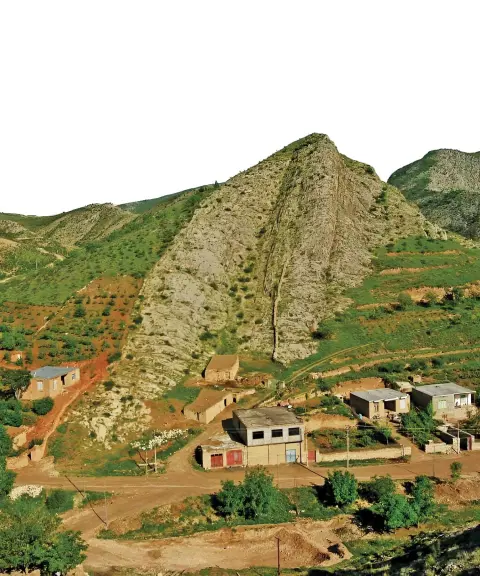
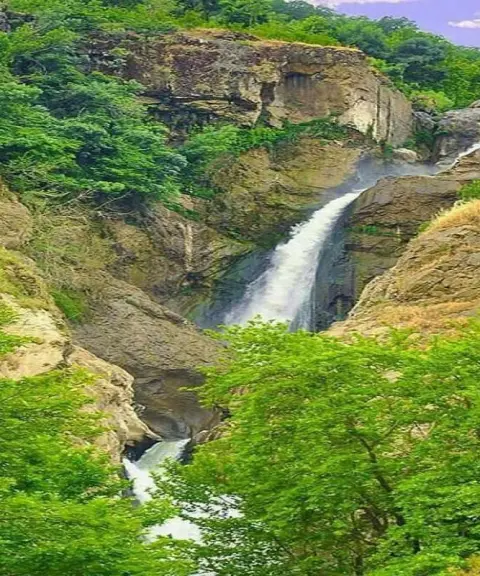

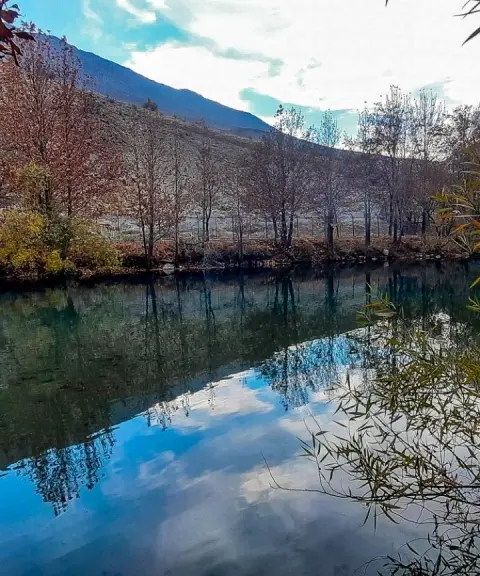

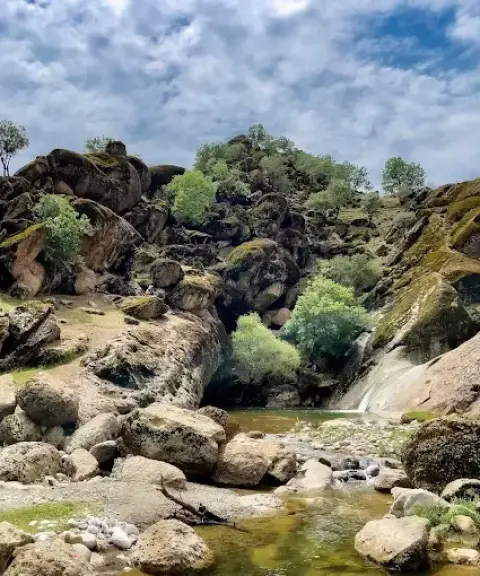

Famasb Village
Province Hamadan
- Walking
- Mountaineering
- Paragliding
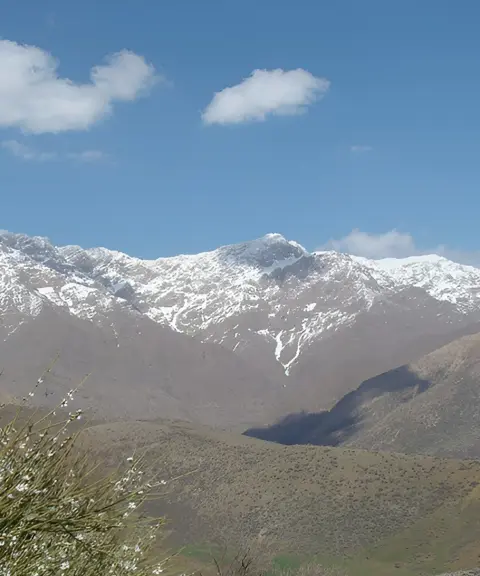
Mountain nature and ancient history on the slopes of Mount Garin
Related tags:
Unfortunately, no comments have been registered.