
 Attractions
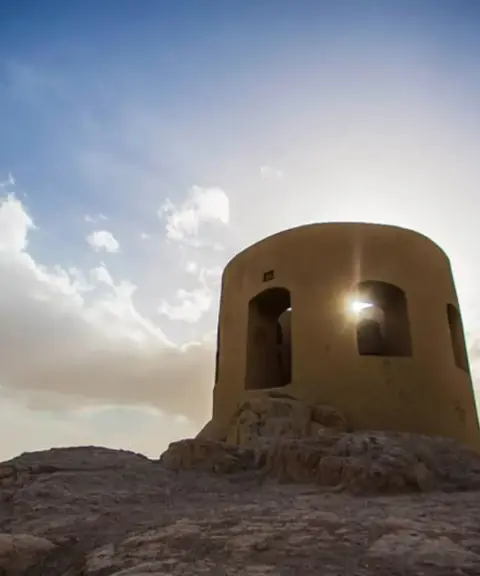
Atashgah of Isfahan
Province Isfahan
- Walking
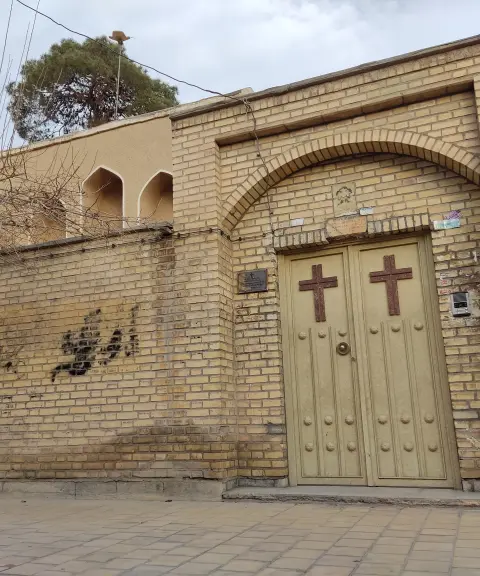
A historic building in Imanshahr, Isfahan
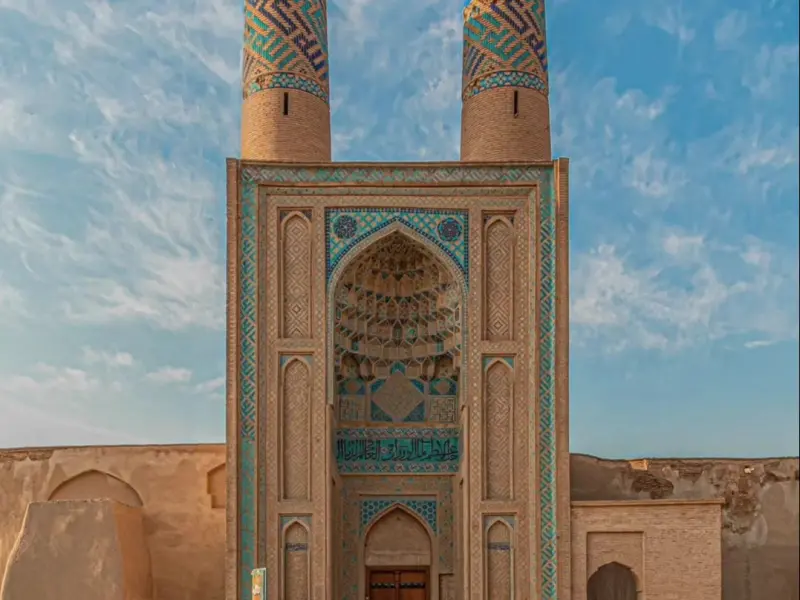
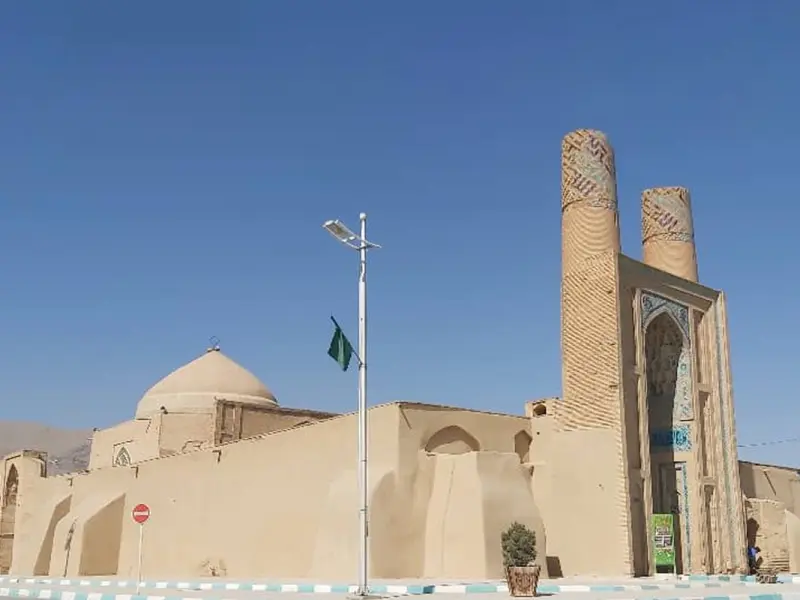
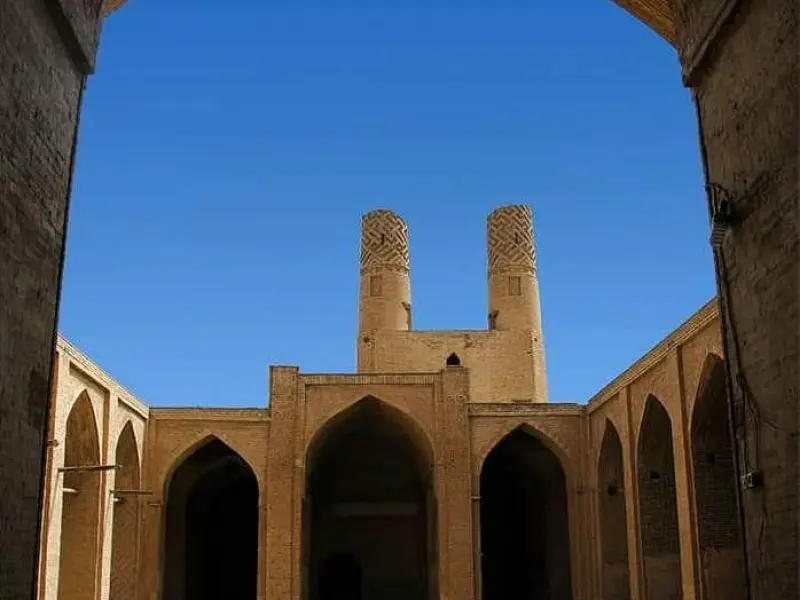
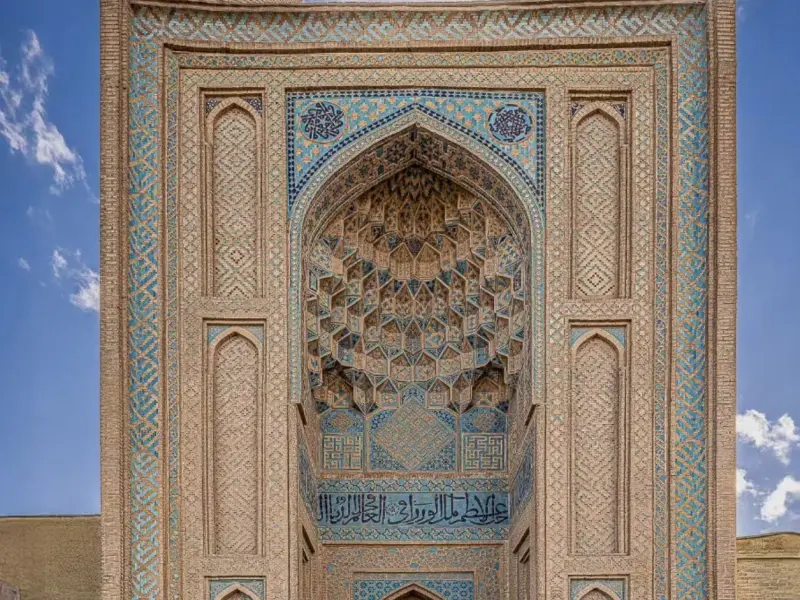
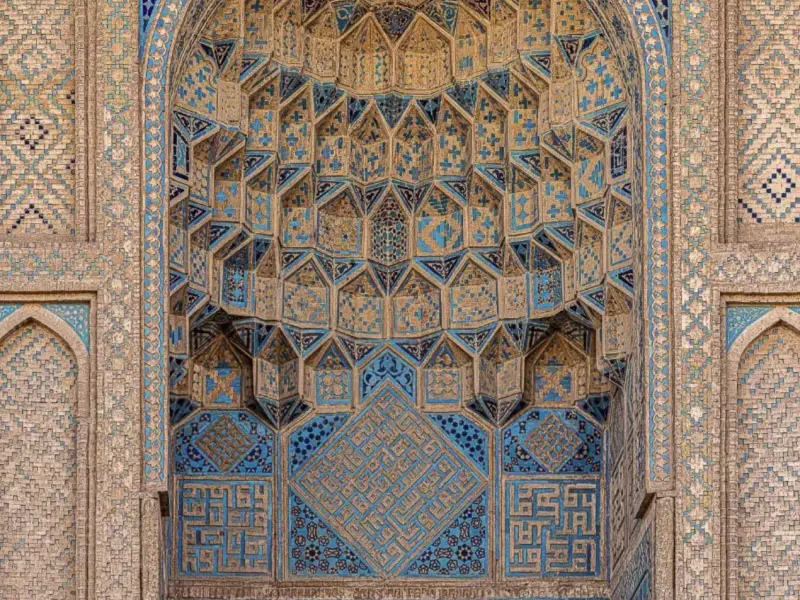
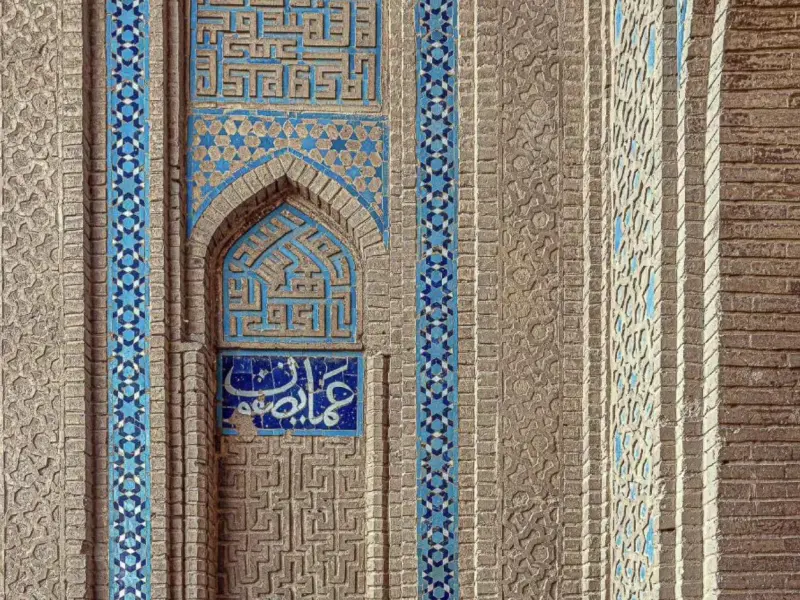
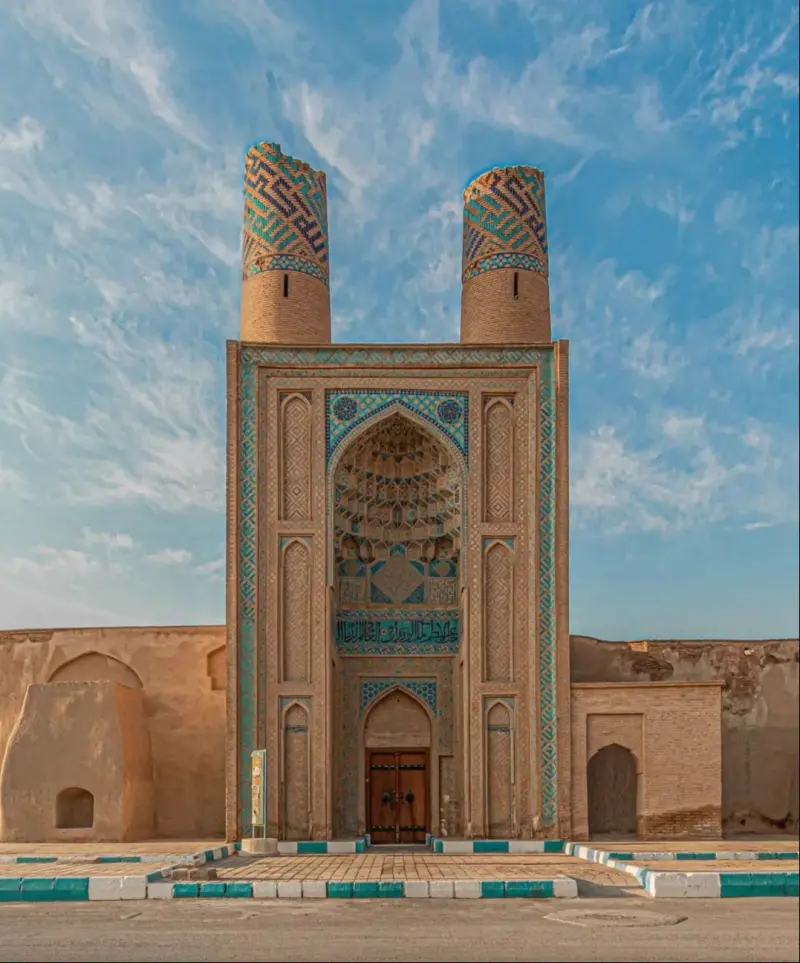
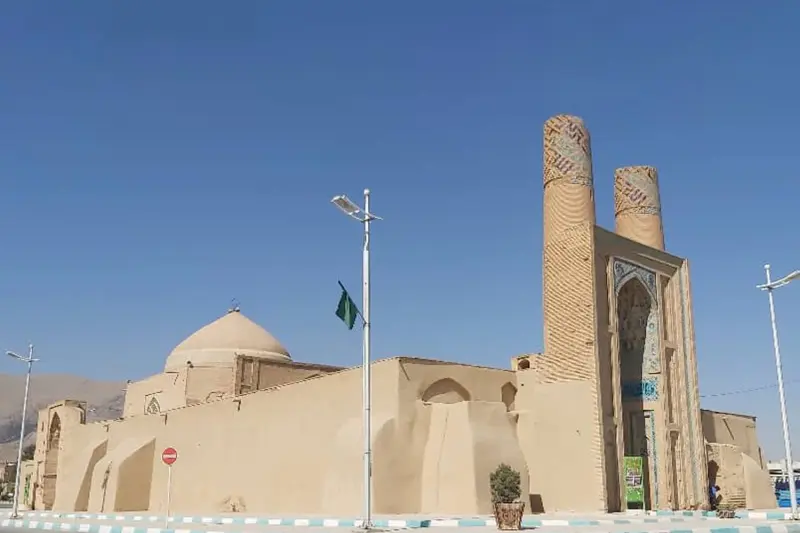
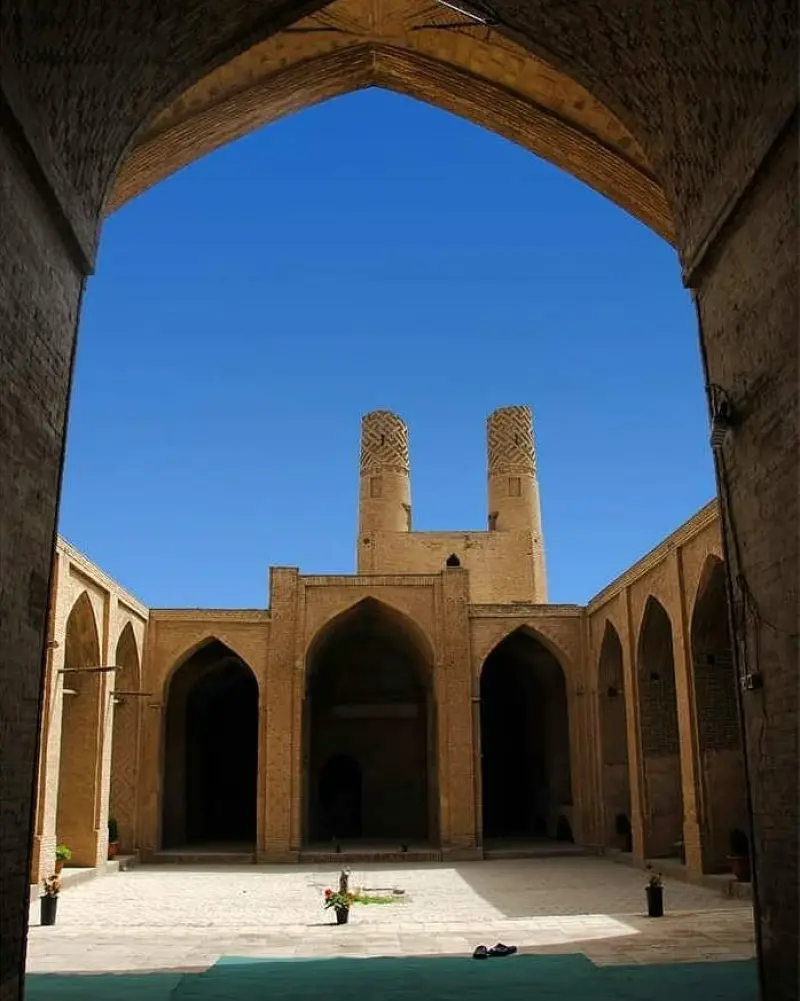
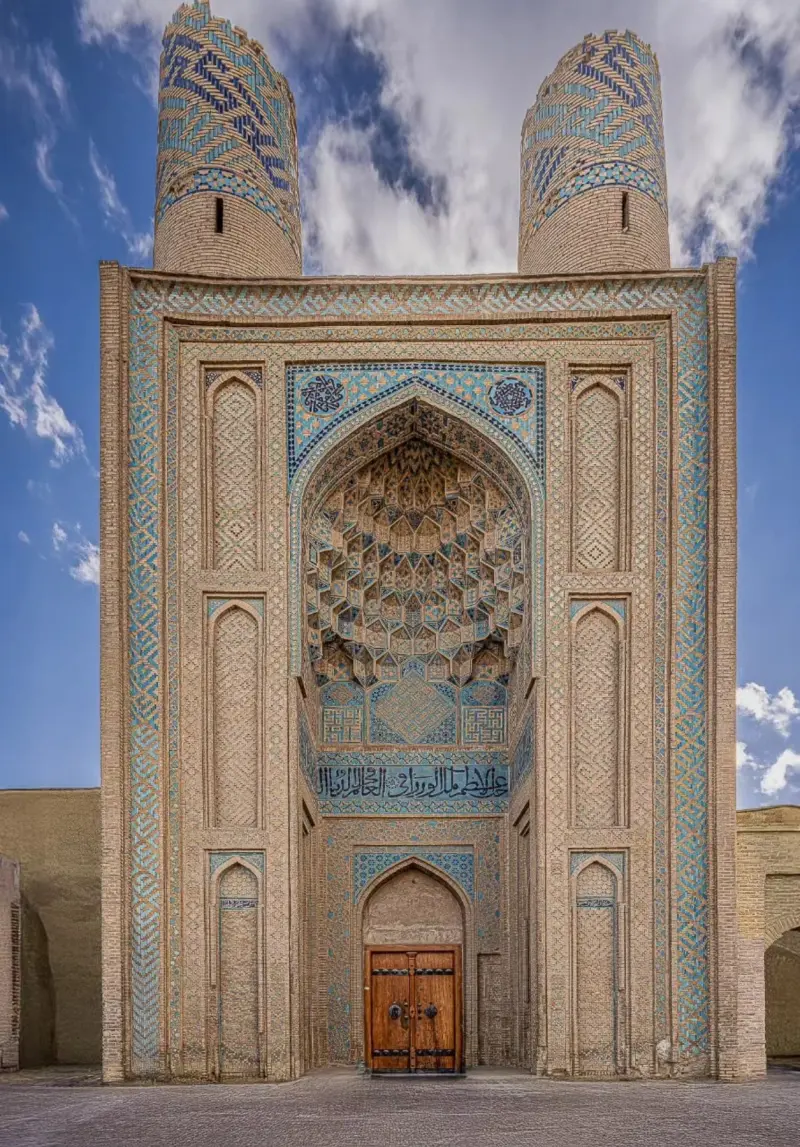
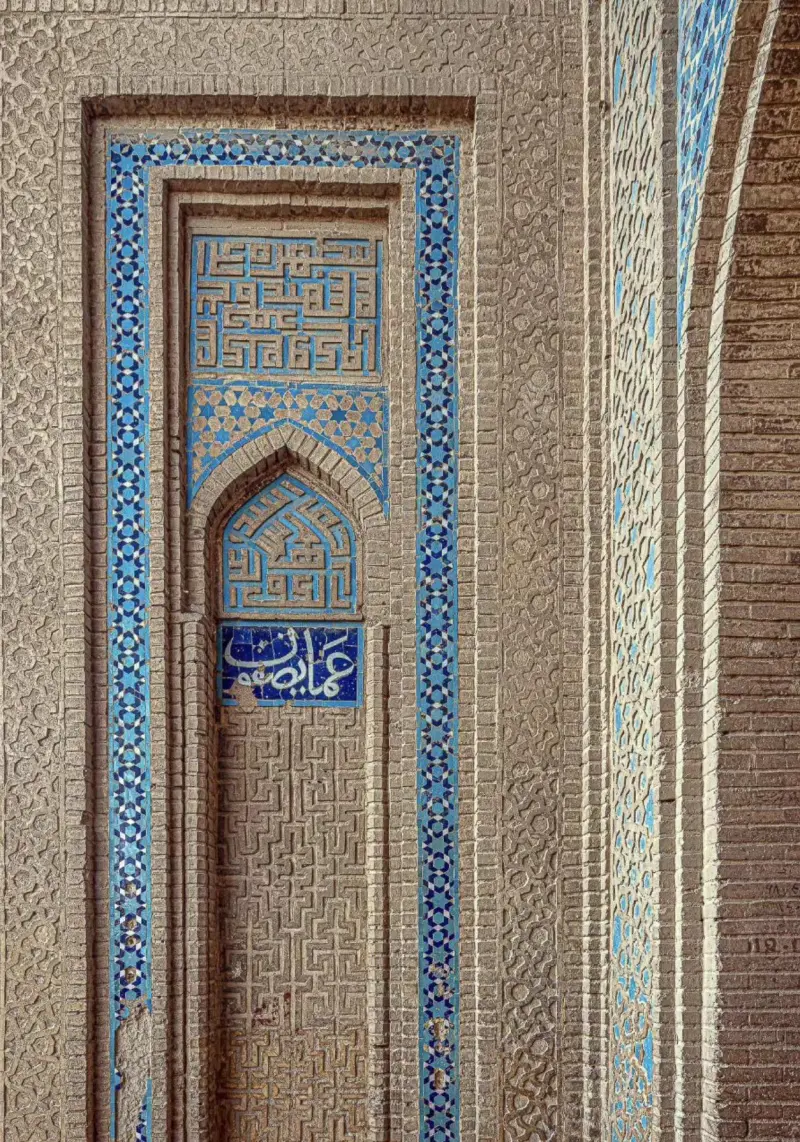
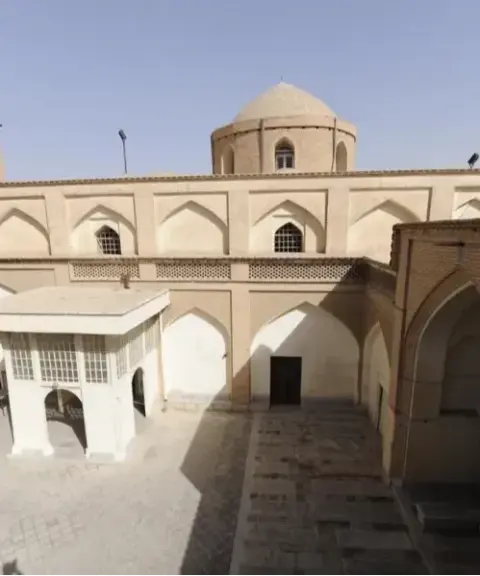
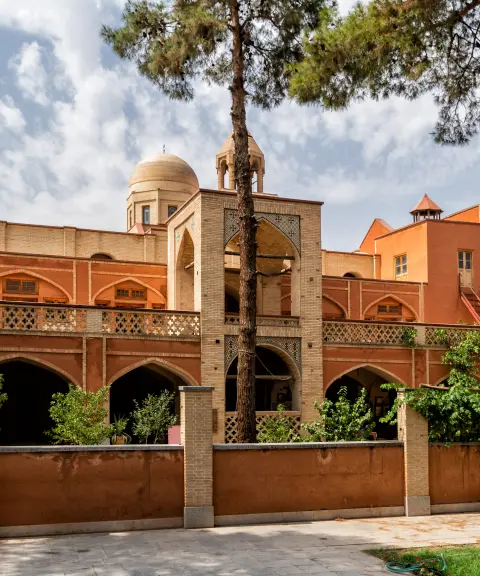
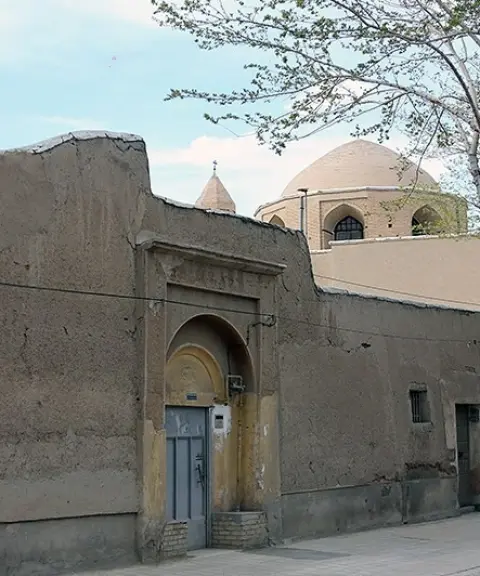
The Ashtarjan Grand Mosque (Jame Mosque) stands in the Ashtarjan district of Imanshahr, in Falavarjan County, Isfahan Province, about 30 kilometres from the city of Isfahan. Covering an area of roughly 1,500 square metres, it is one of the region's most valuable examples of Islamic architecture, and it was registered on Iran's National Heritage List as item no. 263 on 12 Esfand 1315 (Solar Hijri). The mosque is built of mud brick and fired brick and was once enclosed by a mud-brick wall. As for its history, the available evidence points to an older building on the site and suggests that the mosque may have been founded in the Seljuk period, but the present structure is largely the result of reconstruction and expansion in the Ilkhanid period. According to historical inscriptions, the main parts of the current building were constructed in 715 AH (lunar Hijri) on the orders of Khajeh Fakhr al-Din Mohammad ibn Mahmud ibn Ali Ashtarjani, a financial official and notable figure from the era of Sultan Abu Sa'id Bahadur Khan.
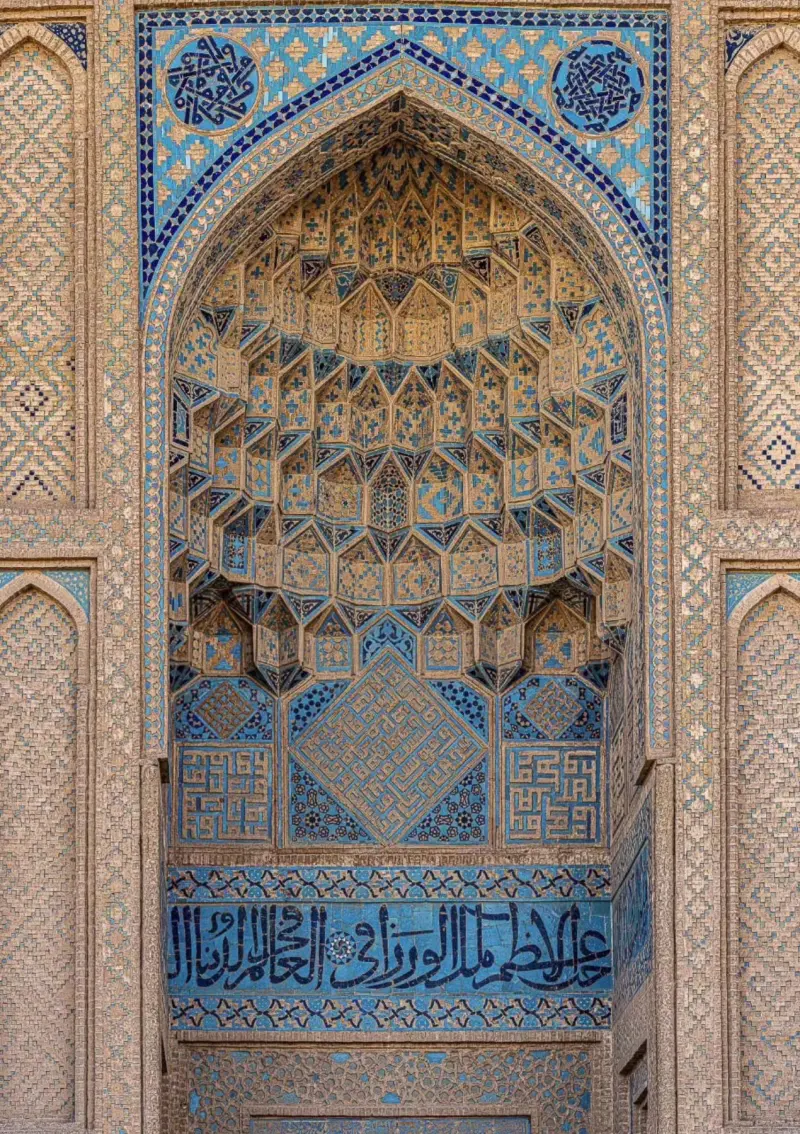
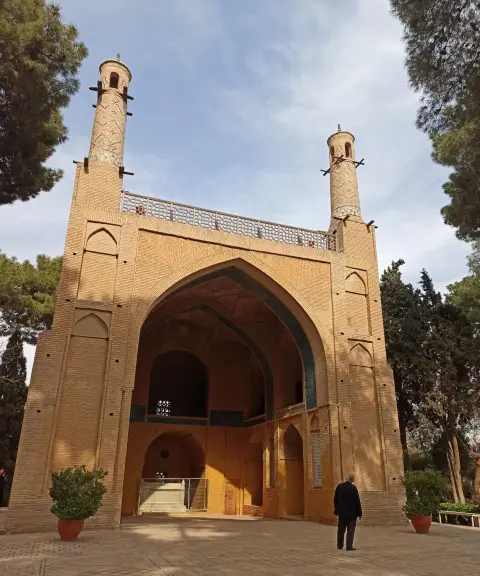
The mosque has two entrances, on the north and east sides, two iwans along the north–south axis, and three shabestans (prayer halls) to the north, east and west of the central courtyard. The large domed chamber of the maqsurah lies behind the southern iwan. The northern portal, more than 12 metres high, is one of the mosque's most striking features, and the remains of two minarets can be seen on either side of it. In the past these minarets could be made to sway, like the Menar Jonban (Shaking Minarets) of Isfahan, but this feature has been lost over time as parts of the building were damaged. The portal is decorated with brickwork, lapis-blue and turquoise tiles, brick inscriptions and a variety of stucco work, and 19 inscriptions can be identified on this section alone. In total, the mosque has about 47 inscriptions with Quranic, religious and historical content. The use of Kufic and Thuluth scripts, geometric and floral motifs, and saffron-coloured tiles in the decoration are among the building's notable features. The domed chamber and maqsurah are also important parts of the mosque, and their combination of mud brick, brick, tile and stucco decoration shows the mosque's place among the outstanding examples of Ilkhanid architecture. Today the mosque is still used as the Friday prayer venue of Imanshahr.
To visit the Ashtarjan Grand Mosque, travel to Imanshahr in Falavarjan County and take the city streets and roads leading to the Ashtarjan district. Given the region's climate, spring and autumn are the best seasons to visit and to walk around the area surrounding the building. Because the mosque is still a place of worship, visitors should respect the sanctity of the space during prayers and religious ceremonies. While viewing the inscriptions and decorations, please avoid touching historic surfaces, damaging the tiles and stucco, or disturbing worshippers. Keeping the site clean and respecting the historic urban fabric of Ashtarjan also helps preserve the cultural value of this monument.
Written by زهرا لنگری Last updated
What you can do here, and what it takes
اطراف مسجد جامع اشترجان و بافت تاریخی این منطقه برای پیادهروی و گشتوگذار پس از بازدید از بنا مناسب است.
Province Isfahan
Province Isfahan
Province Isfahan

Unfortunately, no comments have been registered.