
 Attractions
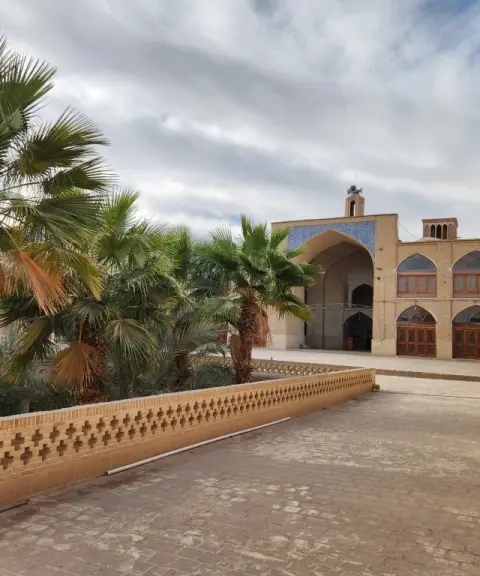
Ghatrom Village
A terraced village between the mountains and the desert
- Attractions
- Yazd, Bafq
- Altitude 1,528 m
- Ability level Beginner
Ability level:
Beginner
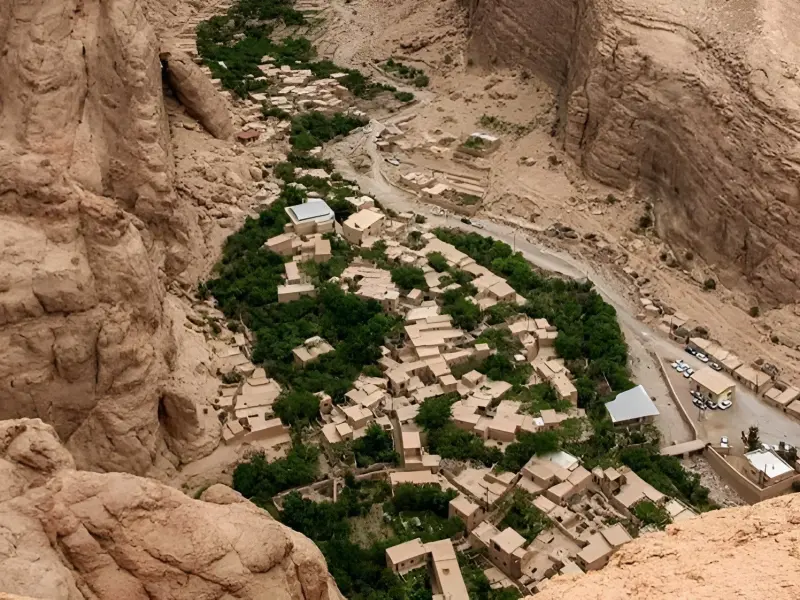
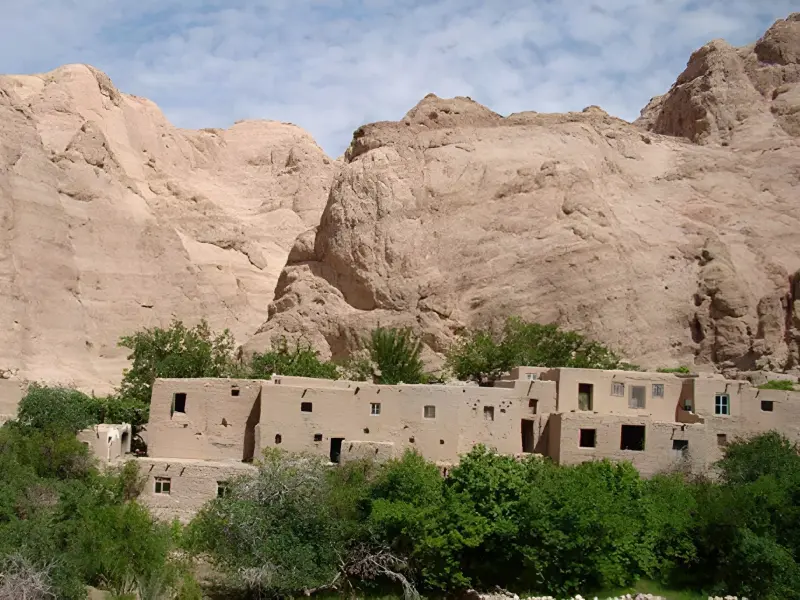
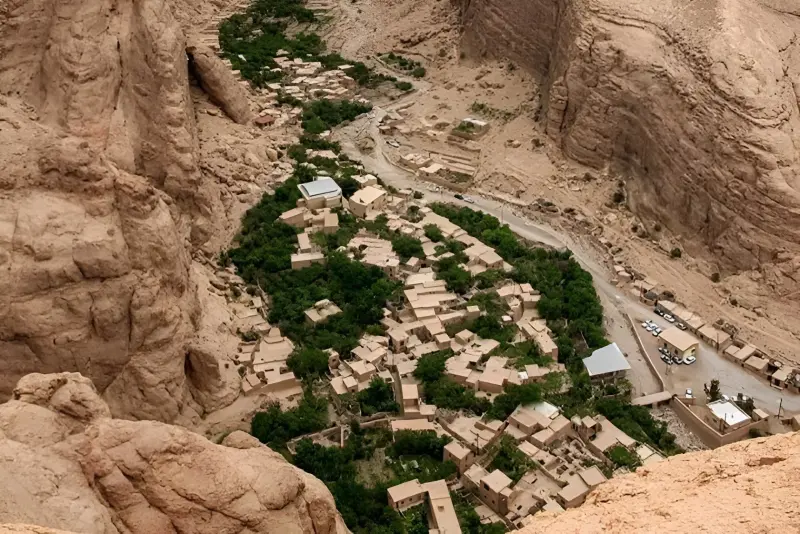
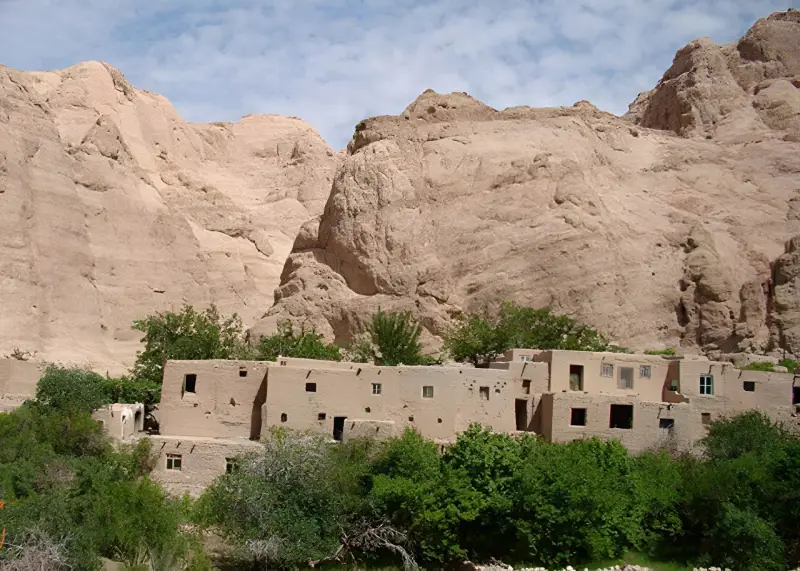
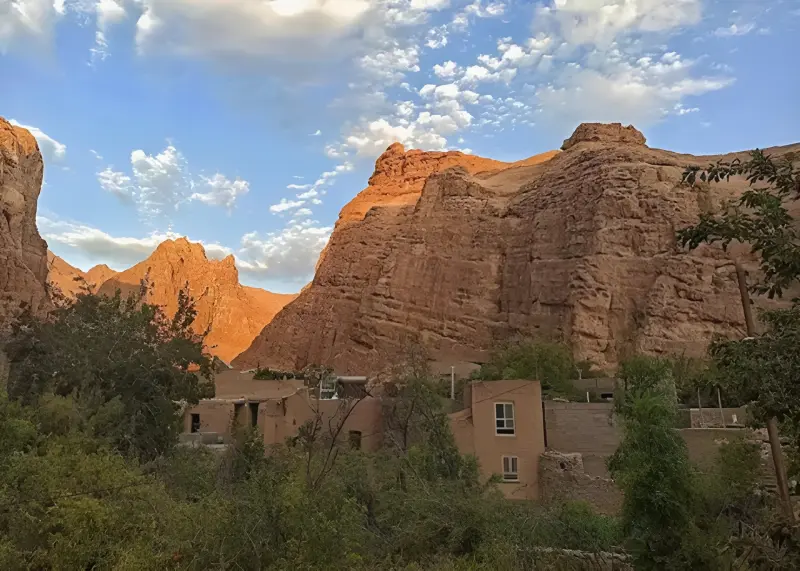
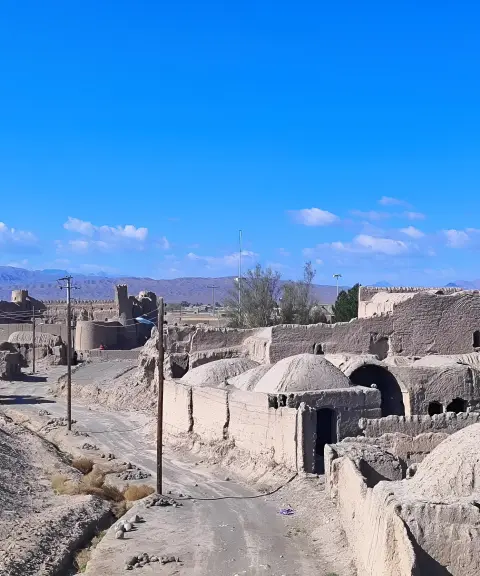
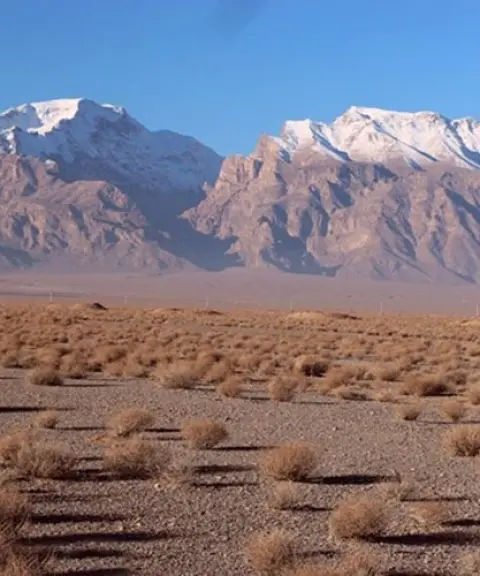
Ghatrom is one of the historic and tourist villages of Bafq County in Yazd Province. It lies on the western slope of the Bajgan Mountains, about 45 to 48 kilometres southeast of Bafq. Built among mountain valleys, the village is known as the "Masuleh of the Desert" because of the terraced architecture of its houses, whose roofs line up one above the other. Ghatrom is also known as "Ghadrom" and "Ghadram", and its history is said to go back about 5,000 years. Stone houses, narrow, winding, covered alleys and a setting among high ridges give it a look quite different from a typical desert settlement. Ghatrom's special geography also supports a remarkable variety of crops, and on its different slopes people grow dates, almonds, walnuts, citrus fruits, wheat, barley and a wide range of vegetables and summer crops. Alongside farming and animal husbandry, the villagers work in mining and produce handicrafts such as reed weaving, basketry and woollen goods.
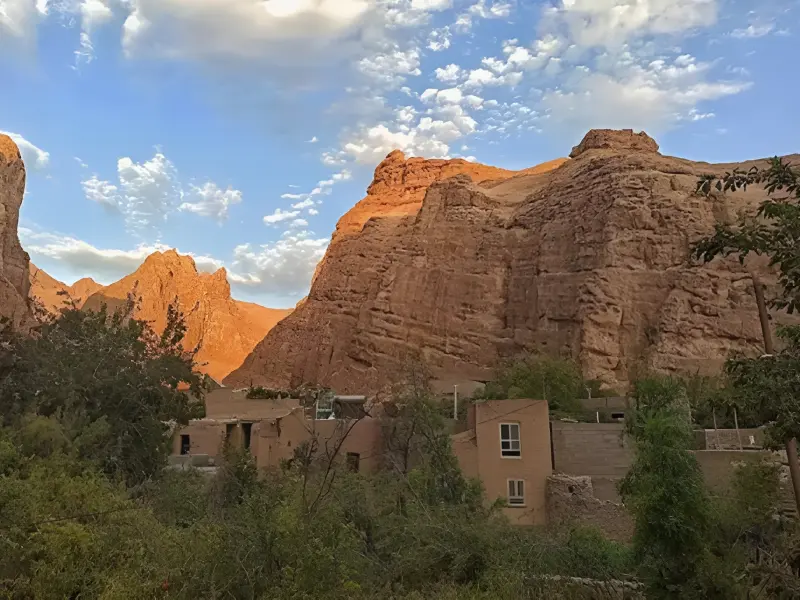
One of Ghatrom's main attractions is the harmony between the mountain landscape and the traditional layout of the village. The uneven, covered alleys known as "Kucheh Ashti-Konan" (the Reconciliation Alley) run between houses with low, small entrances, and their architecture is closely adapted to the local climate. Around the village there are many springs, including Darb-e Gushin, Sang-e Ghassab, Ab-e Si Bozi, Pirouzi and Marghun, some of which hold special cultural and religious value for the locals. Dokhtar Castle, above the Darb-e Dez spring, the Khorshidi Cemetery, the Tomb of Pir-e Ghatrom, water installations and old mills are other historical and cultural features of the area. The ridges around the village, with their cliffs and unusual natural formations, including a rock structure resembling a mortar pestle (known as "Joghan"), appeal to those interested in nature tourism, mountaineering and rock climbing. The vegetation includes wild pistachio (baneh), juniper, wild almond and wild fig trees, as well as plants such as asafoetida and cumin. Wildlife such as goats, wild goats, wild sheep, rams, chukar partridges and see-see partridges can be seen in the surrounding heights and plains. Customs such as Talu-gardani and the cooking of Ash-e Hang, along with local games and traditional clothing, are also part of Ghatrom's living cultural heritage.
To reach Ghatrom, first travel to the city of Bafq and take the road leading to the village from the southeast of the city. The road from Bafq to Ghatrom is a paved mountain road, and it can be reached from Bafq by private car or public transport. The best time to visit Ghatrom, especially for nature tourism and exploring the village, is spring or autumn. In spring the slopes and surrounding countryside turn greener, and in autumn the natural scenery and the pomegranate harvest add a special charm. Because of the area's hot summers and cold winters, travelling in those seasons calls for extra attention to the weather. Visitors should respect the historic fabric of the village, the daily life and the customs of the local people. They should avoid damaging vegetation or polluting the springs and natural surroundings, not leave their rubbish behind, and support the local economy by buying local farm produce, handicrafts and foods such as komaj and kashk-bademjan.
Written by زهرا لنگری Last updated
Activities
What you can do here, and what it takes
-
Walking
کوچههای پلکانی، مسقف و تودرتوی قطرم برای پیادهروی و آشنایی با معماری و بافت سنتی روستا مناسب هستند.
-
Mountaineering
ارتفاعات اطراف قطرم برای علاقهمندان به کوهنوردی مناسب هستند.
-
Rock Climbing
دیوارهها و صخرههای کوهستانی اطراف روستا برای فعالیتهای صخرهنوردی جذاباند.
Specifications
Introduction of the location and specifications of Ghatrom Village
Location:
Yazd, Bafq
Coordinates:
31.42308889, 55.80333883
Open in maps
Height above mean sea:
1528 meter
Floras:
Semi-arid mountainous
Faunas:
Presence of Predatory Animals, Presence of Allergenic Insects, Presence of Herbivorous Animals
Transports:
Private car, Minibus, Bus
Tourist Attractions in Bafq
Attractions that are nearby

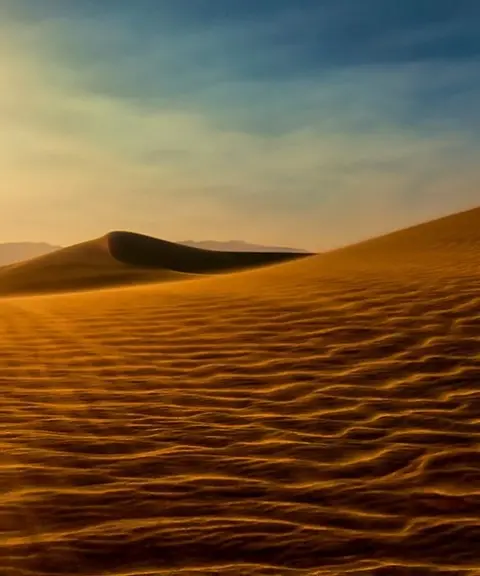
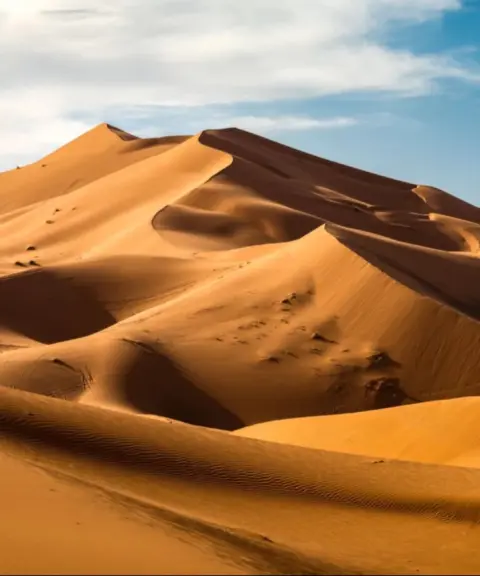
Bafq Desert (Kavir)
Province Yazd
- Walking
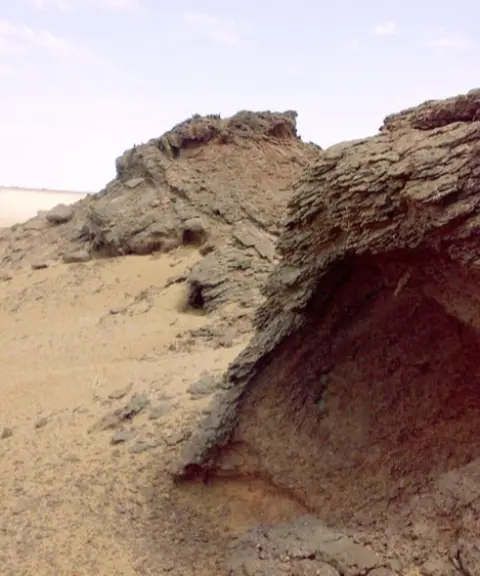
A pristine expanse of sand dunes and salt flats in the heart of Yazd
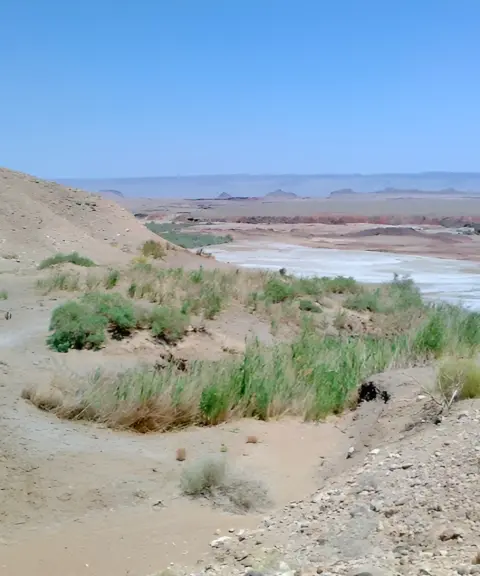
Chah Komeh Protected Area
Province Kerman
- Walking
- Mountaineering
A Natural Treasure in the Heart of the Kerman Desert
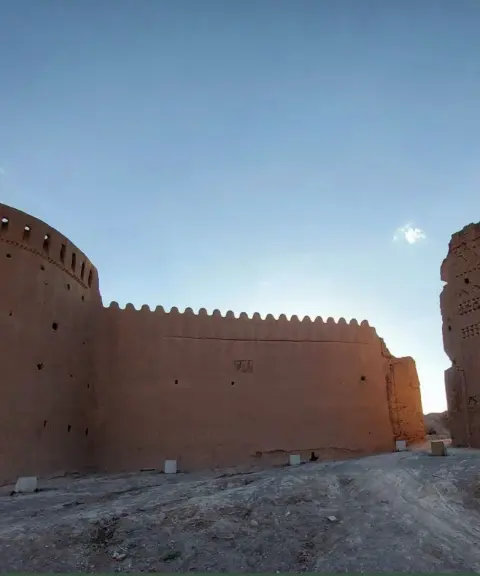


Kalmand Protected Area
Province Yazd
- Walking
- Mountaineering
The unique habitat of Iranian gazelles in the heart of Yazd's desert
Related tags:
Unfortunately, no comments have been registered.