
 Attractions
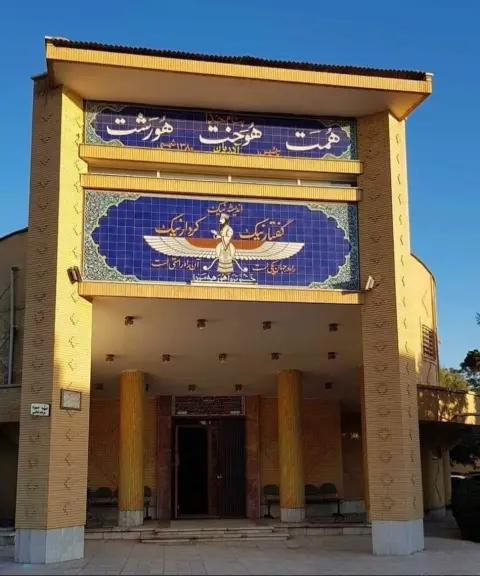
Zoroastrian Fire Temple of Kerman
Province Kerman
- Walking
The splendour of Safavid architecture in the heart of Kerman's historic quarter
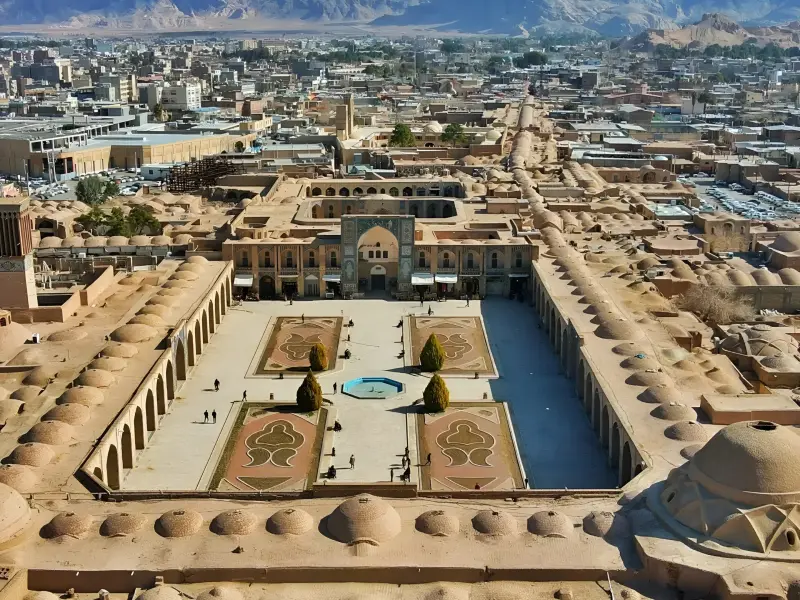
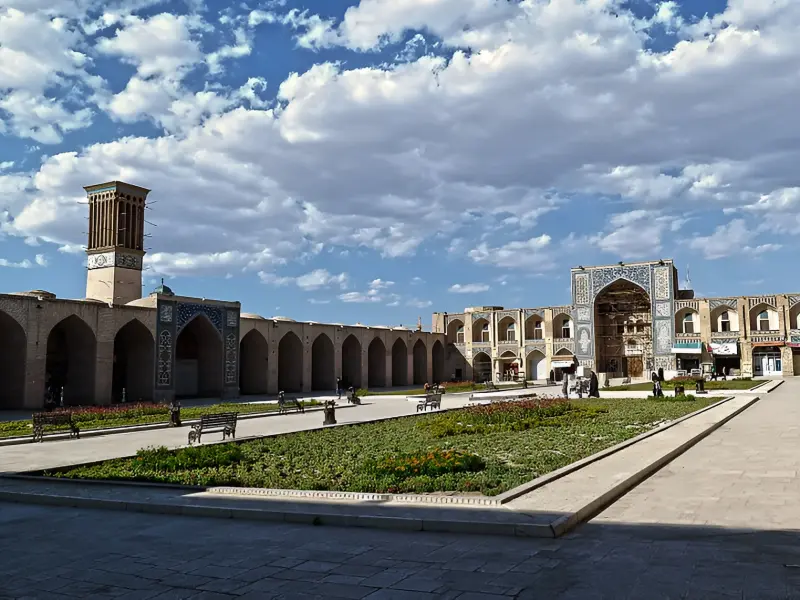
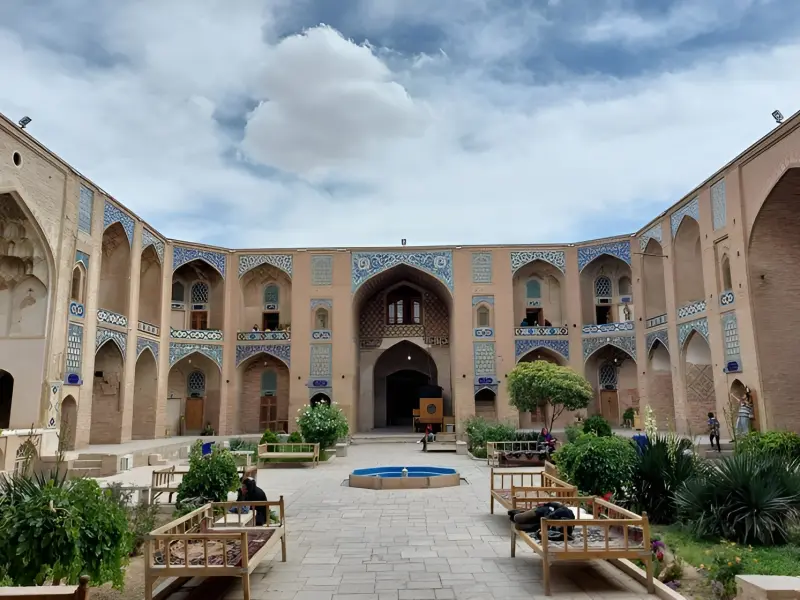
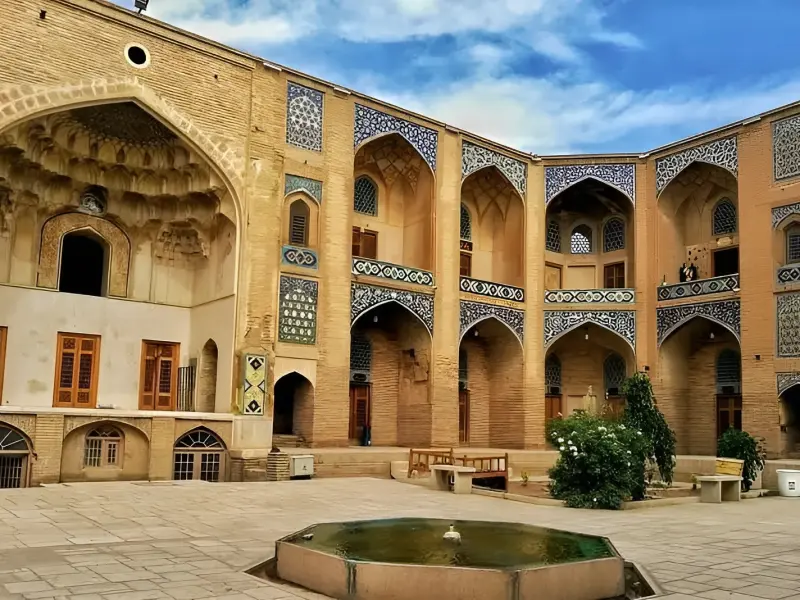
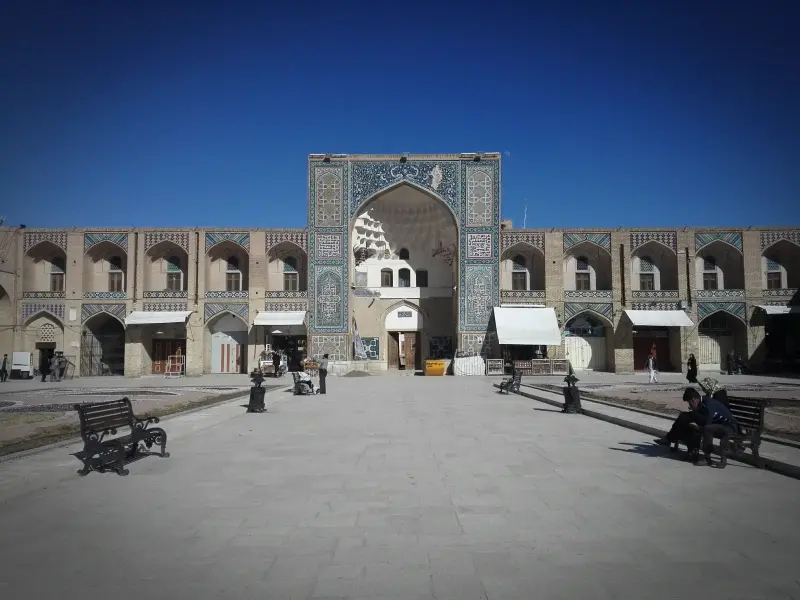
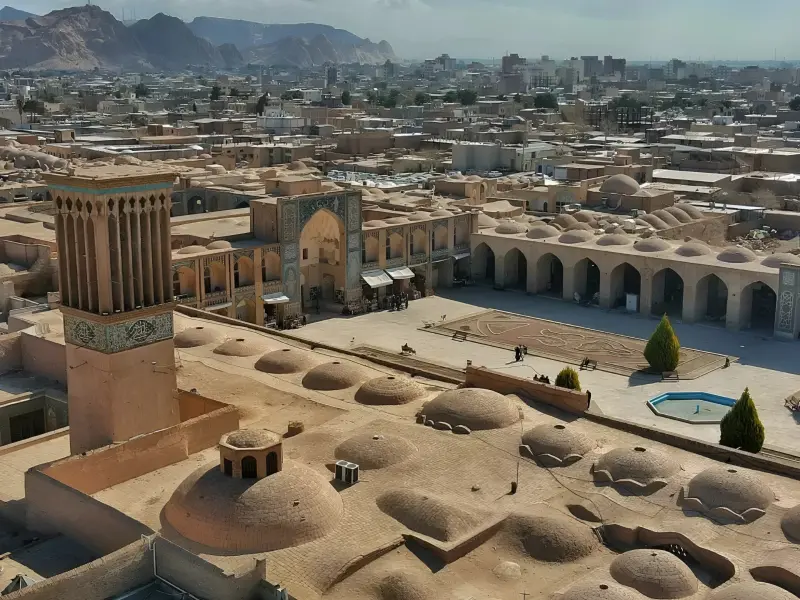
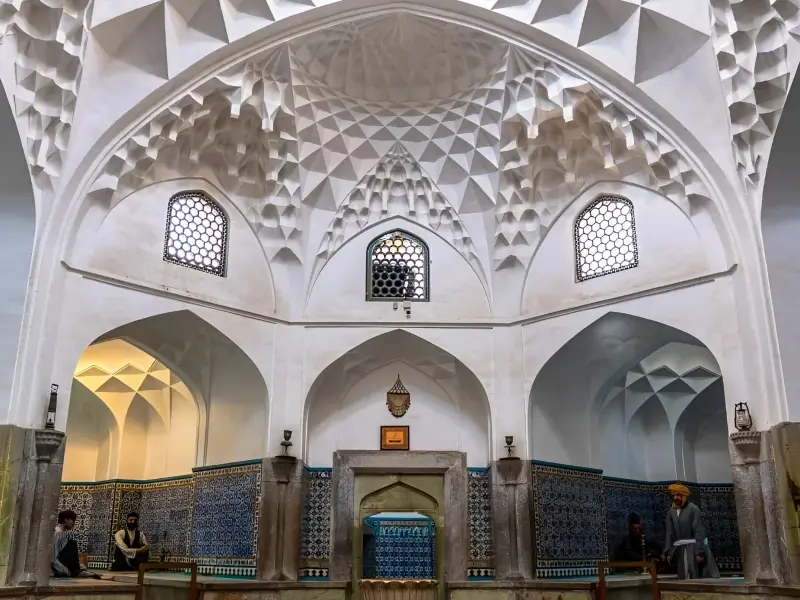
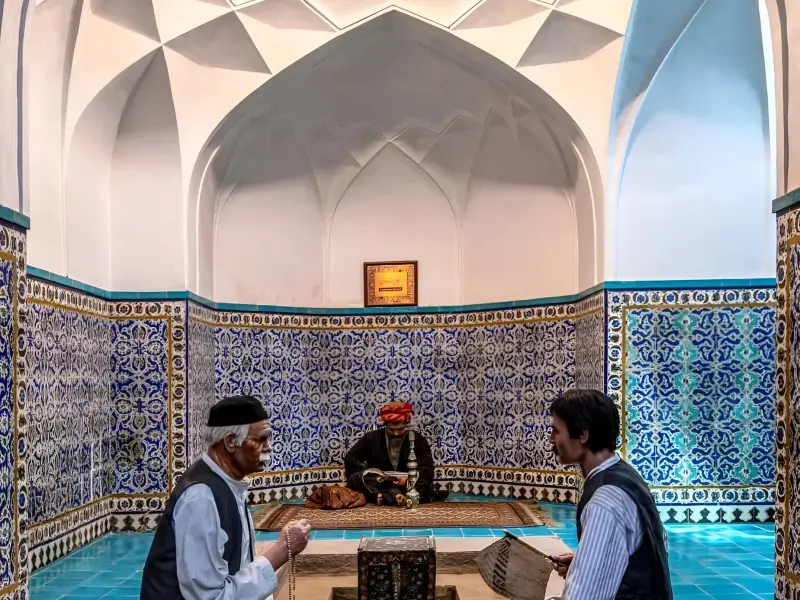
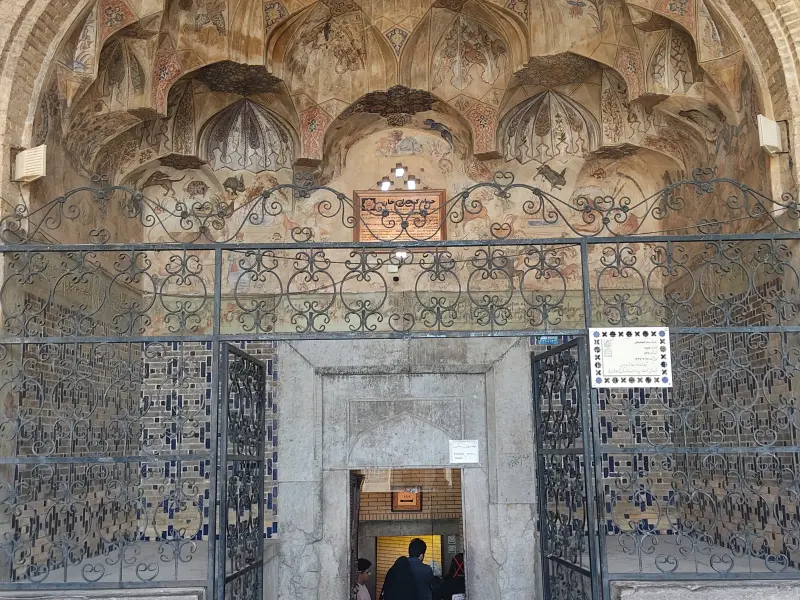
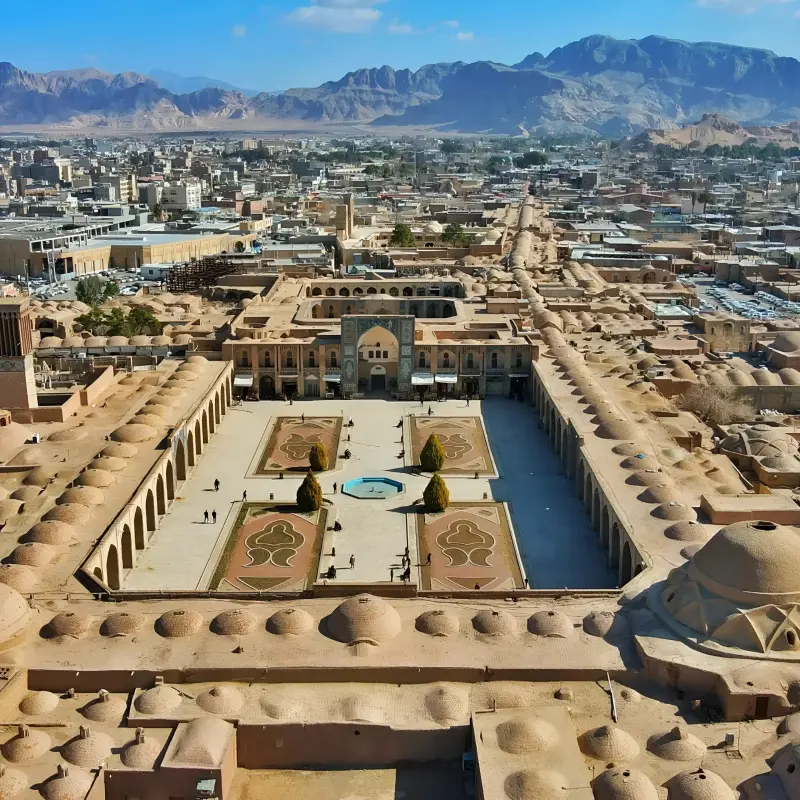
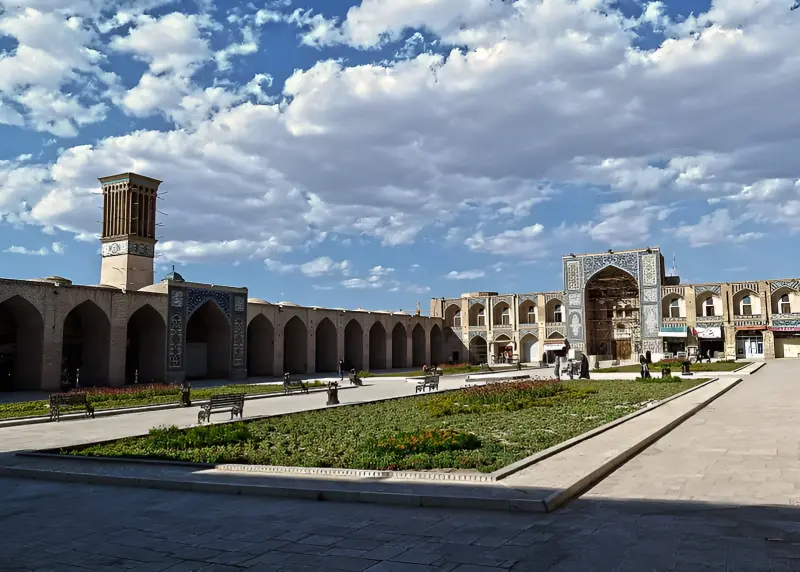
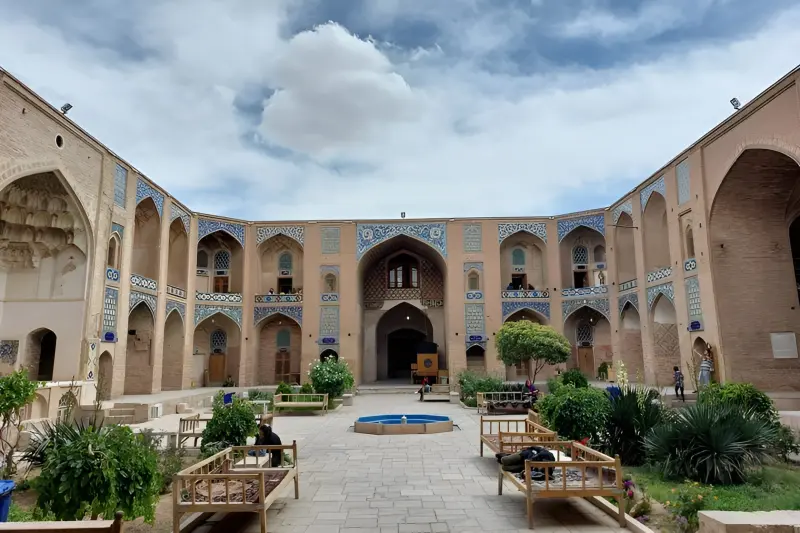
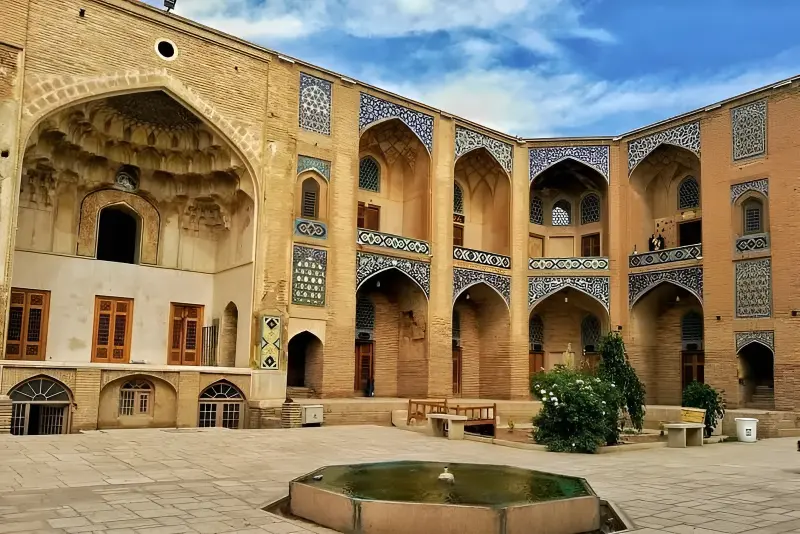
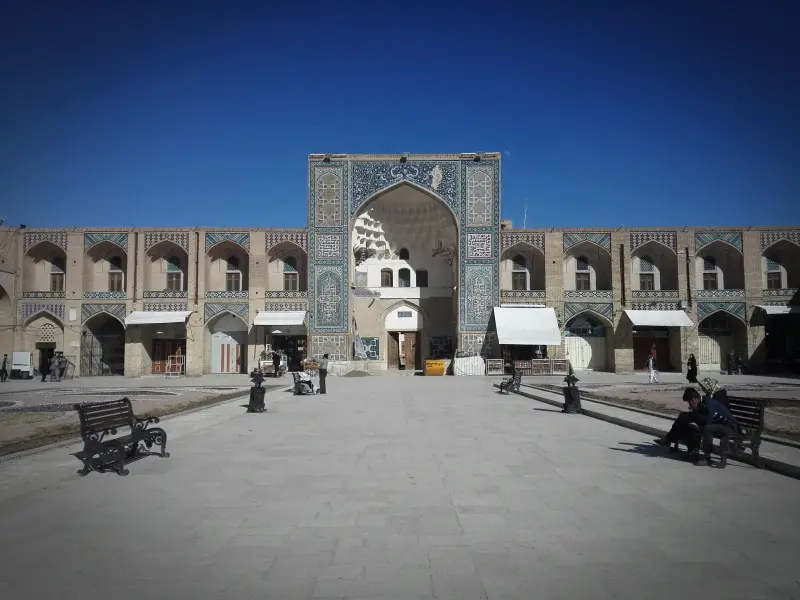
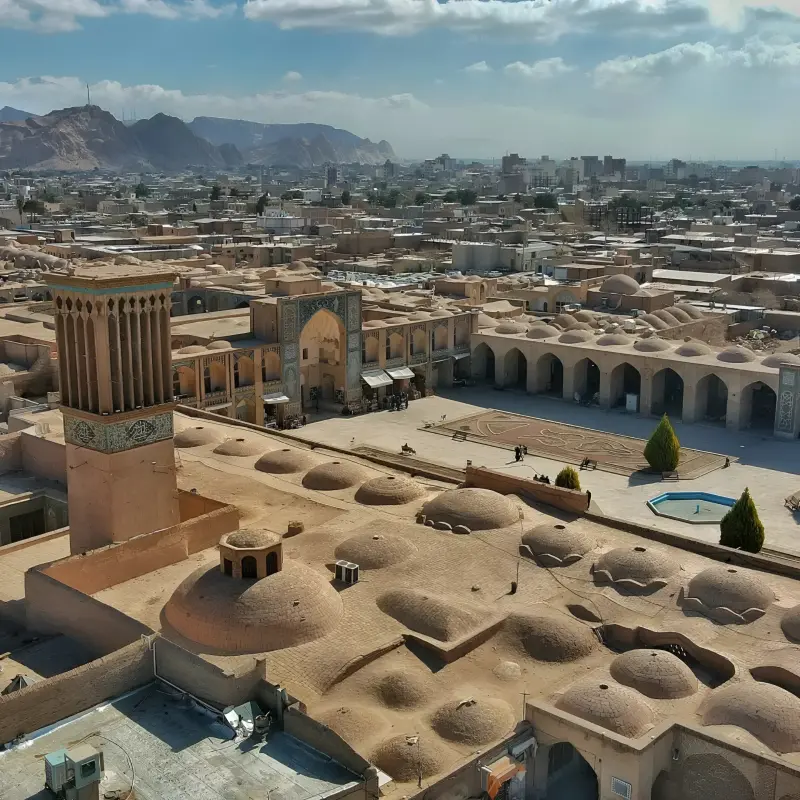
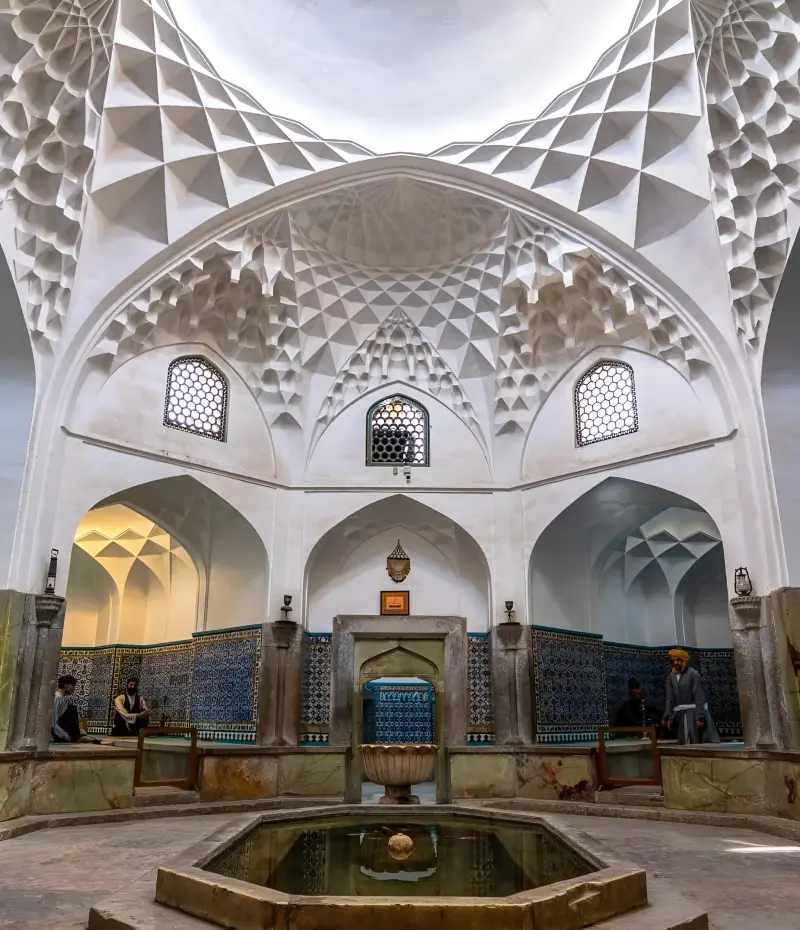
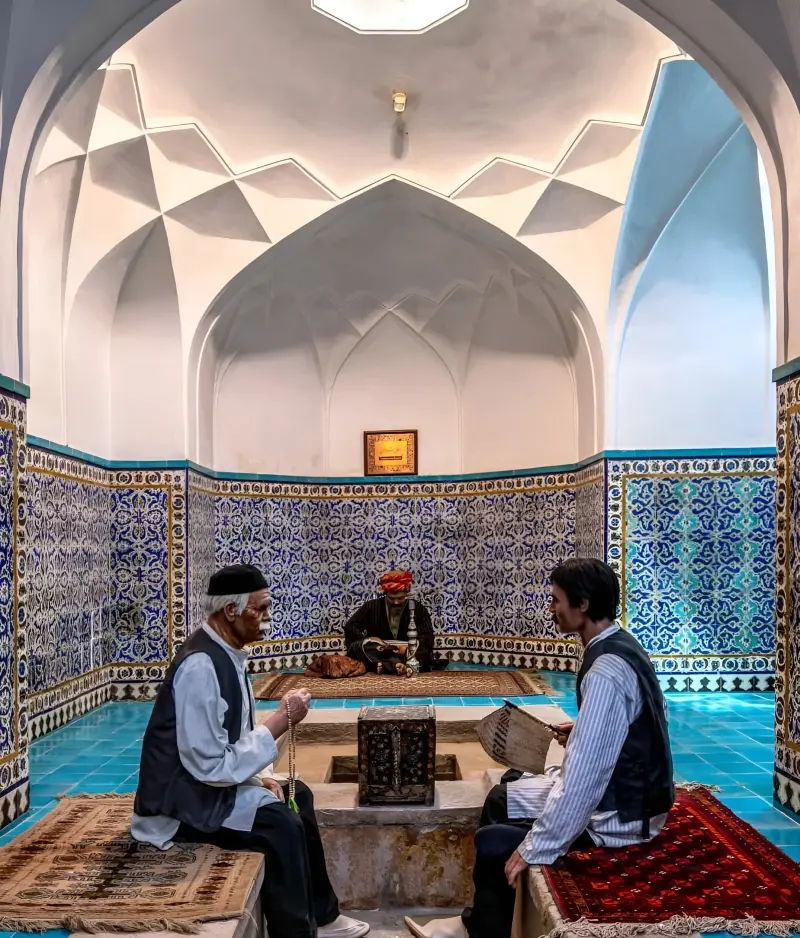
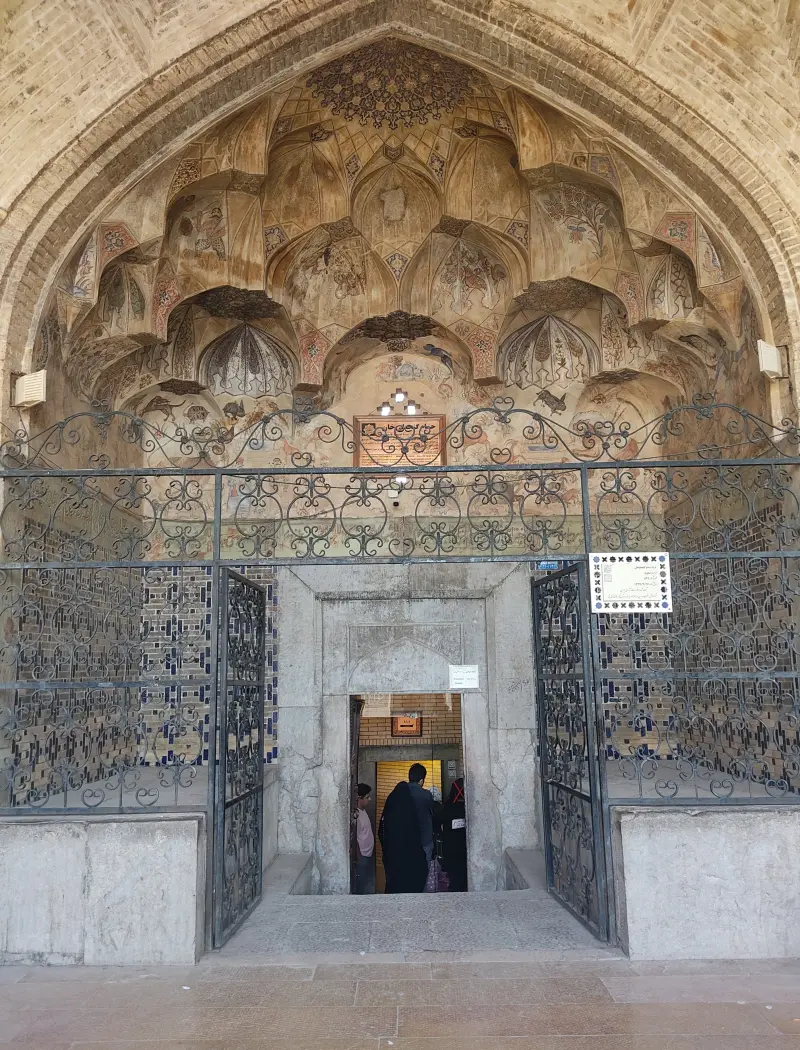
The Ganjali Khan Complex is one of the most distinctive historic complexes in the city of Kerman and one of the most important legacies of the Safavid era in Kerman Province. It stands in the historic centre of the city, next to the Grand Bazaar of Kerman. The complex was built on the orders of Ganjali Khan, governor of Kerman during the reign of Shah Abbas I of the Safavid dynasty, and Master Soltan Mohammad, the architect from Yazd, designed and built its main sections. During his rule over Kerman, Ganjali Khan commissioned numerous buildings and facilities to develop the city, creating a cohesive group of urban, commercial, religious and service spaces in its centre. Covering about 11,000 square metres, the Ganjali Khan Complex is regarded as a valuable example of Safavid architecture and urban planning and forms an important part of Kerman's historic fabric. The square, bazaar, bathhouse, mosque, school and caravanserai, mint and water reservoir (ab-anbar) are the main elements of the complex, and the relationships between them give a clear picture of how an urban complex was structured in the Safavid period.
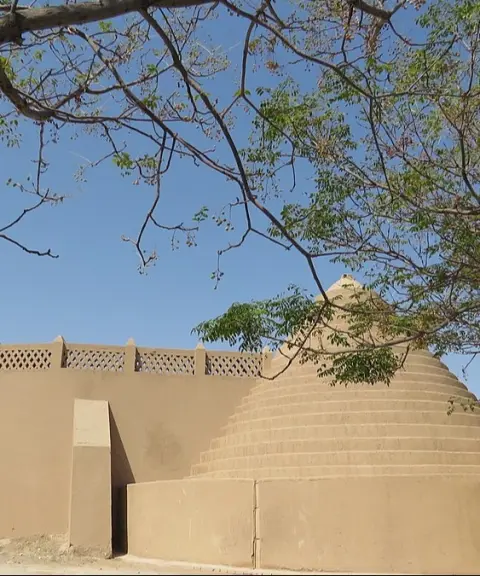
The most important feature of the Ganjali Khan Complex is the way buildings with different functions are gathered around its historic square. The bazaar lies along three sides of the square and the Ganjali Khan caravanserai along the other, and with its brick arcades, tilework, pool and traditional architectural elements, the square makes a striking impression. The Ganjali Khan Bazaar lies on the southern side of the square and connects to Kerman's historic bazaars and the Coppersmiths' Bazaar (Mesgari); at its far end is the Goldsmiths' Bazaar, also known as Qeysariyeh. The Ganjali Khan Bathhouse, built in 1020 AH (lunar Hijri), is one of the best-known parts of the complex and is now used as an anthropology museum. Its paintings, stucco work, muqarnas, skylights and wax figures make its interior one of the most appealing parts of a visit. The Ganjali Khan Mosque stands on the northeastern side of the square and, with its domed prayer hall, mihrab, stucco, paintings, muqarnas and karbandi (decorative vaulting), is a delicate example of Safavid religious architecture. The Ganjali Khan School and caravanserai lie on the eastern side of the square, while the mint on the northern side is now a coin museum, displaying a collection of coins and banknotes from various historical periods. The complex's water reservoir is in the western part and, with its stepped passage and rectangular tank, is another important component of this historic ensemble. The architecture of the complex follows mainly the Isfahani style, and the combination of bazaar, square, mosque, bathhouse, caravanserai and other spaces greatly enhances its historical, architectural and tourist value.
The Ganjali Khan Complex is in the central part of Kerman, around Ganjali Khan Square. It can be reached via Imam and Shariati streets, and also from the area around Shohada Square. Its closeness to the Grand Bazaar of Kerman makes it easy to combine a visit with a stroll through the city's historic quarter and traditional bazaar. Since the attraction is in an urban setting, it can be visited during most of the year, but spring and autumn, with Kerman's milder weather, are the best times for exploring the historic quarter and the complex. For a good visit, allow a few hours up to about half a day to see the different parts of the complex and the surrounding bazaar. During your visit, please avoid touching or damaging the historic decorations, walls and museum objects, do not leave any litter behind, and when taking photographs or spending time in the historic spaces, follow the complex's rules and respect the rights of other visitors.
Written by زهرا لنگری Last updated
What you can do here, and what it takes
میدان گنجعلیخان، راسته بازار، بازار مسگری و مسیرهای پیرامون مجموعه برای پیادهروی و تماشای بافت تاریخی شهر مناسب هستند.
Province Kerman
Province Kerman
Province Kerman



Unfortunately, no comments have been registered.