
 Attractions
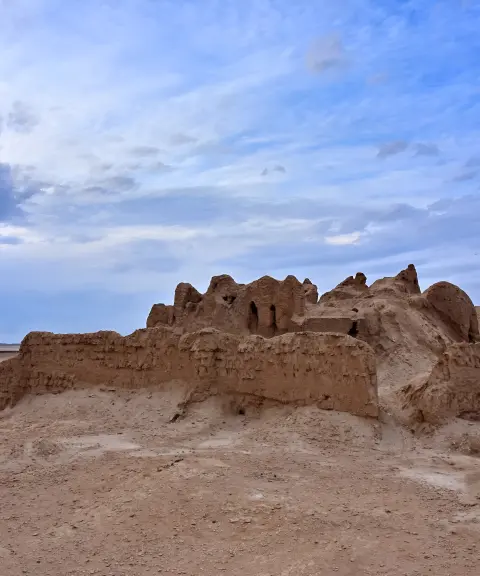

Goli Fortress of Mohammadabad
Province Qom
- Walking
A magnificent Seljuk-era monument in Qom
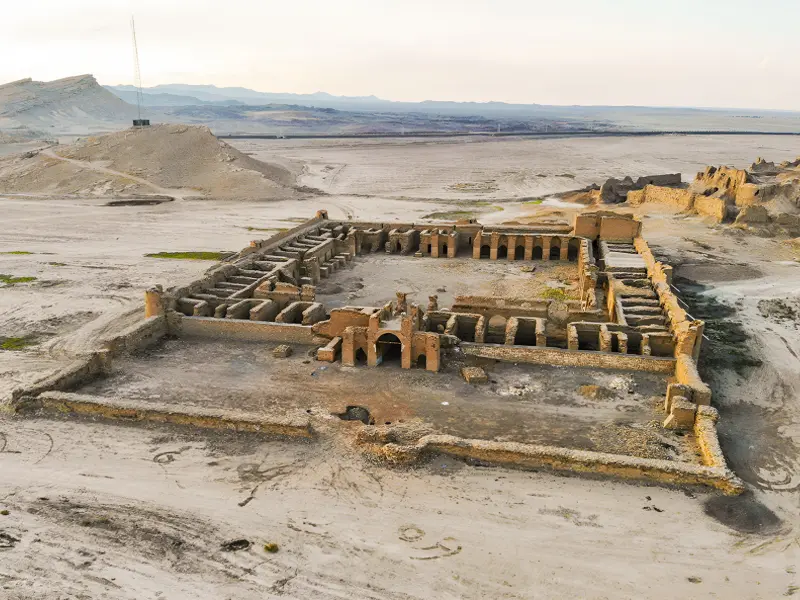
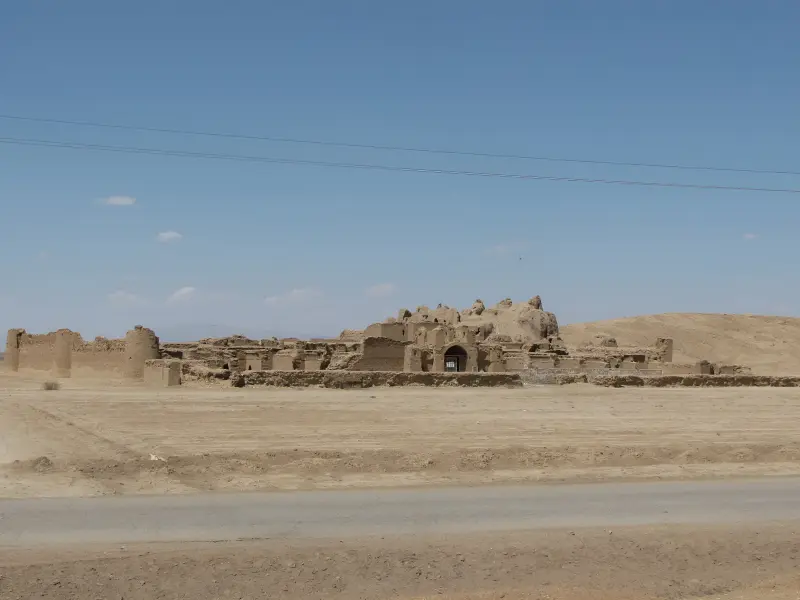
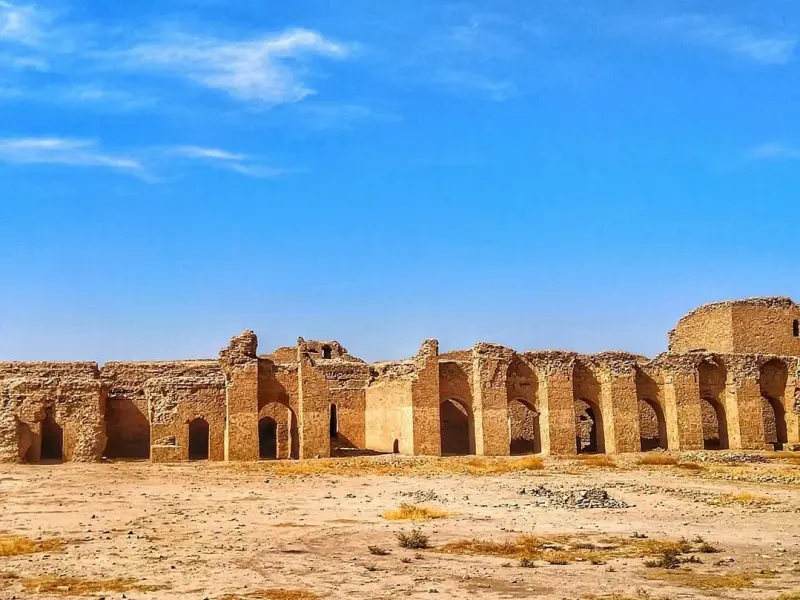
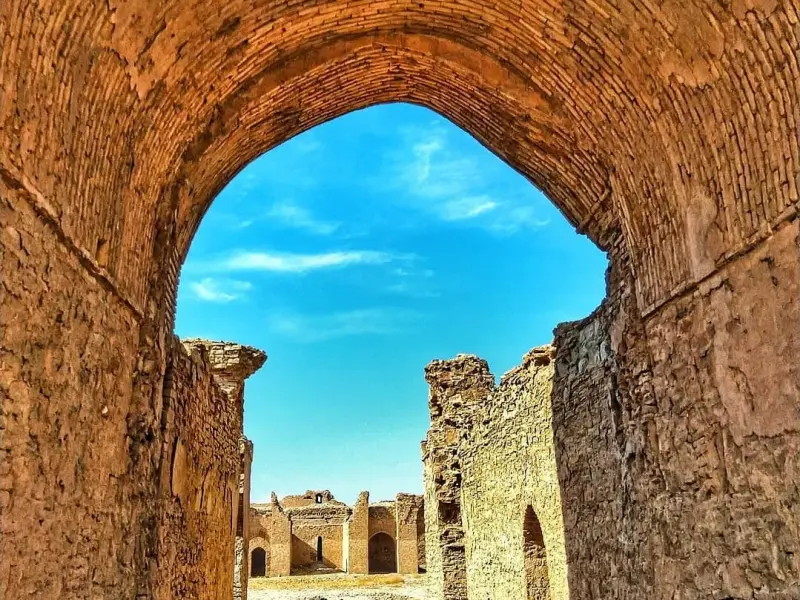
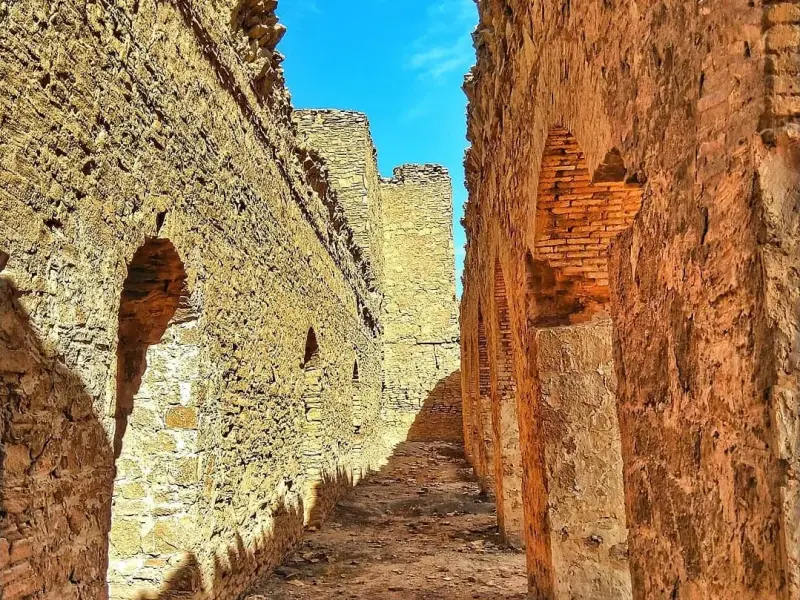
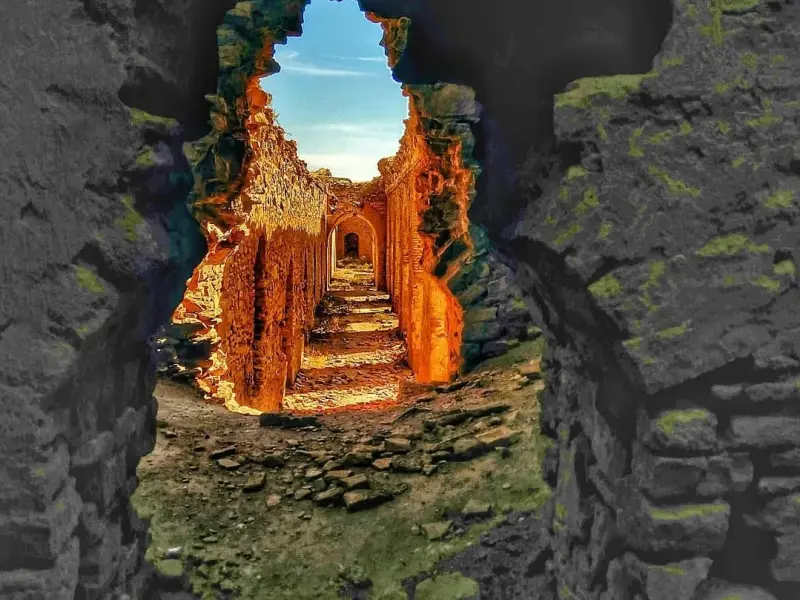
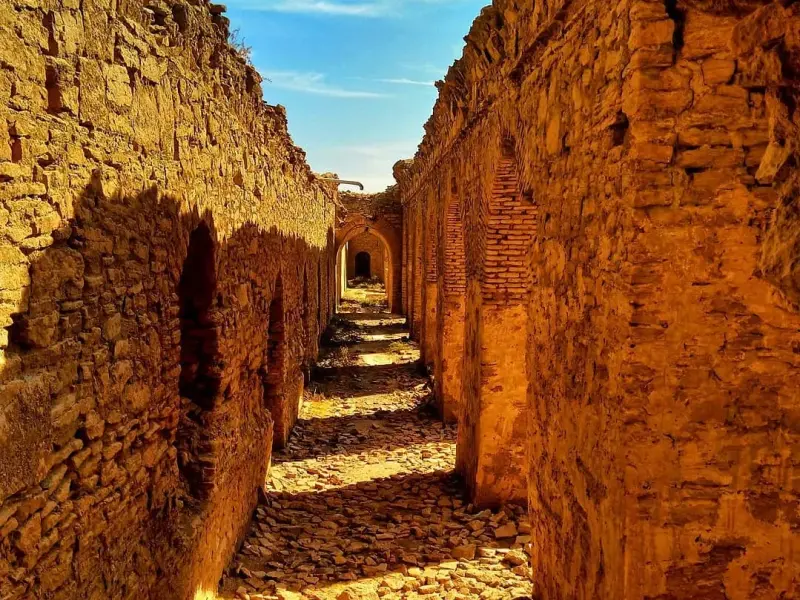
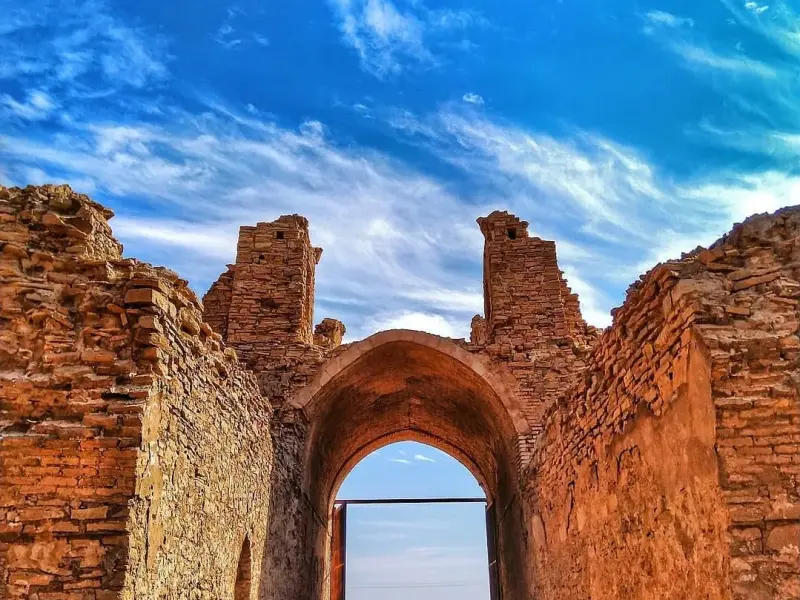
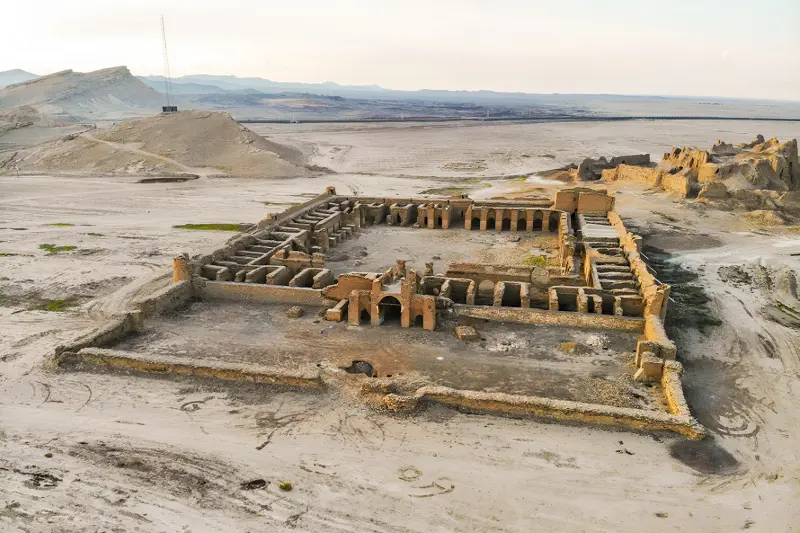
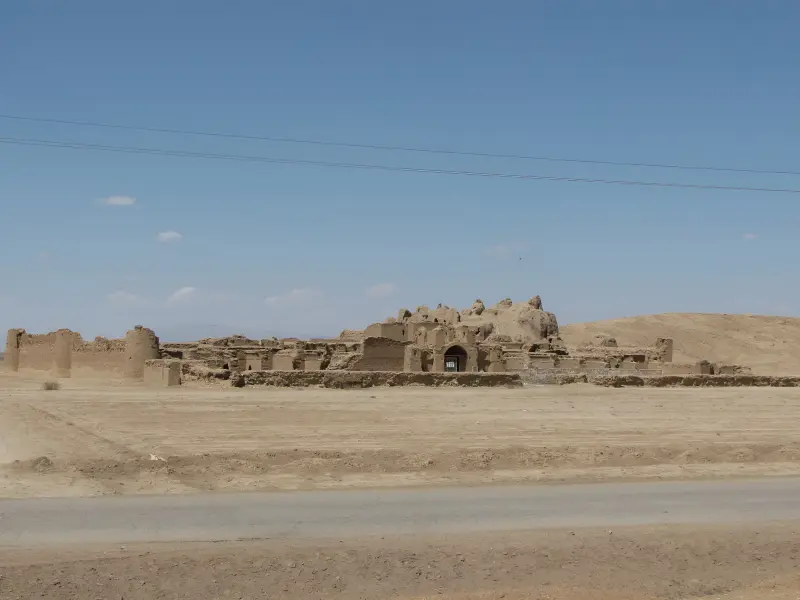
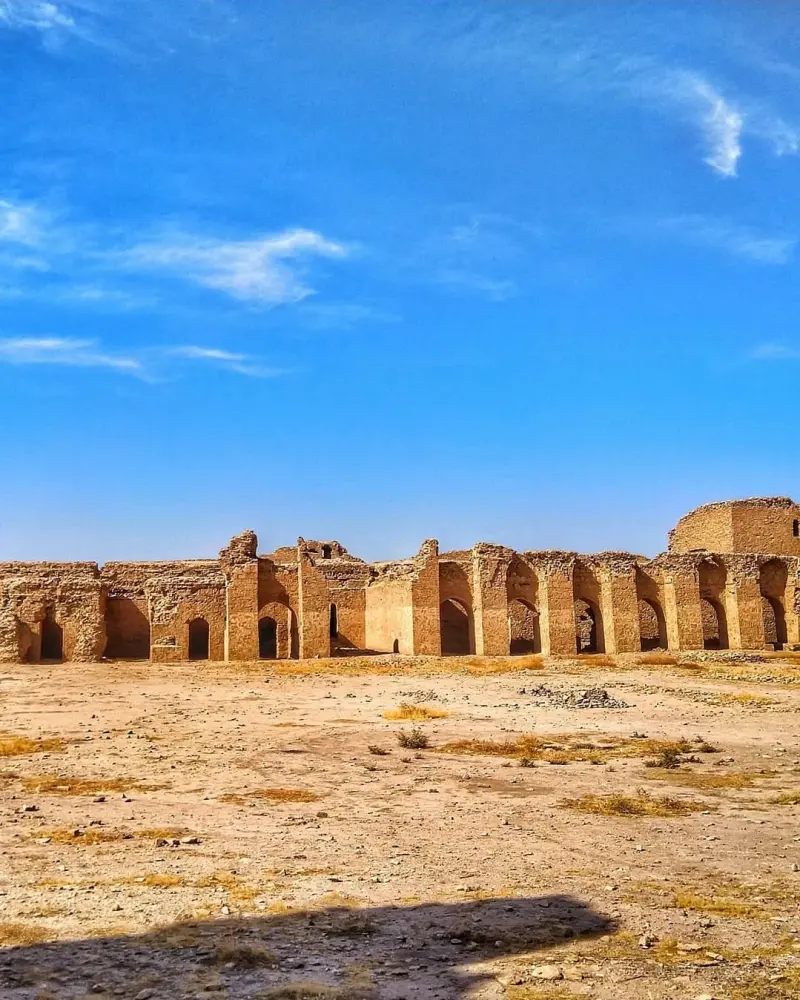
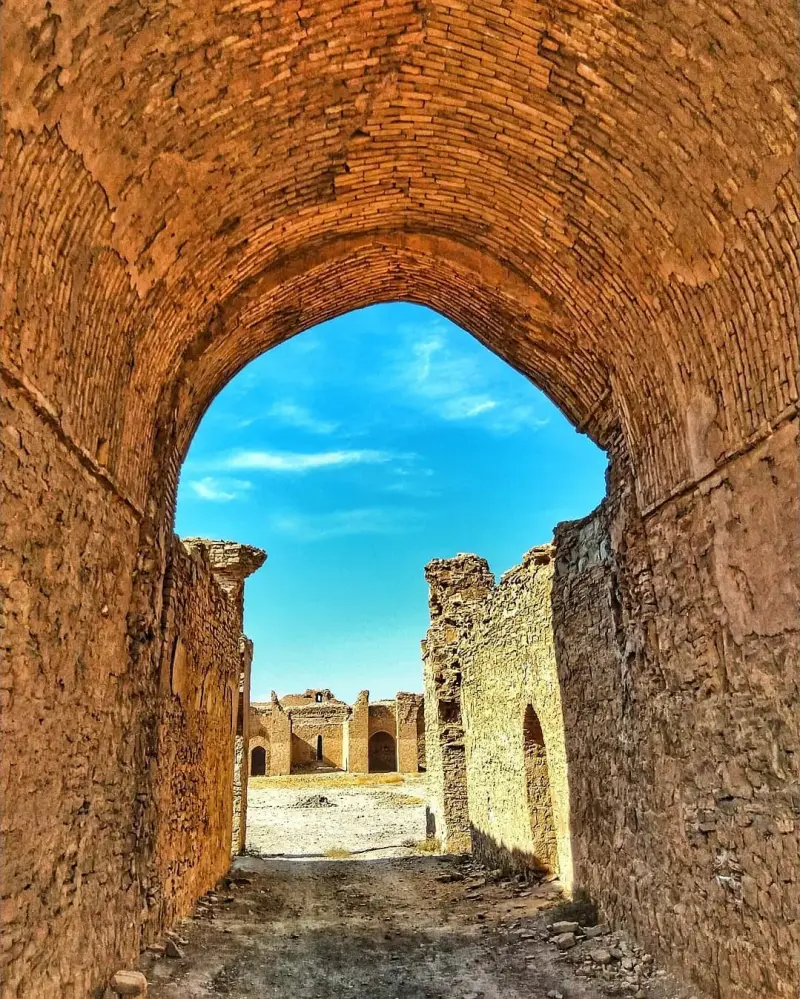
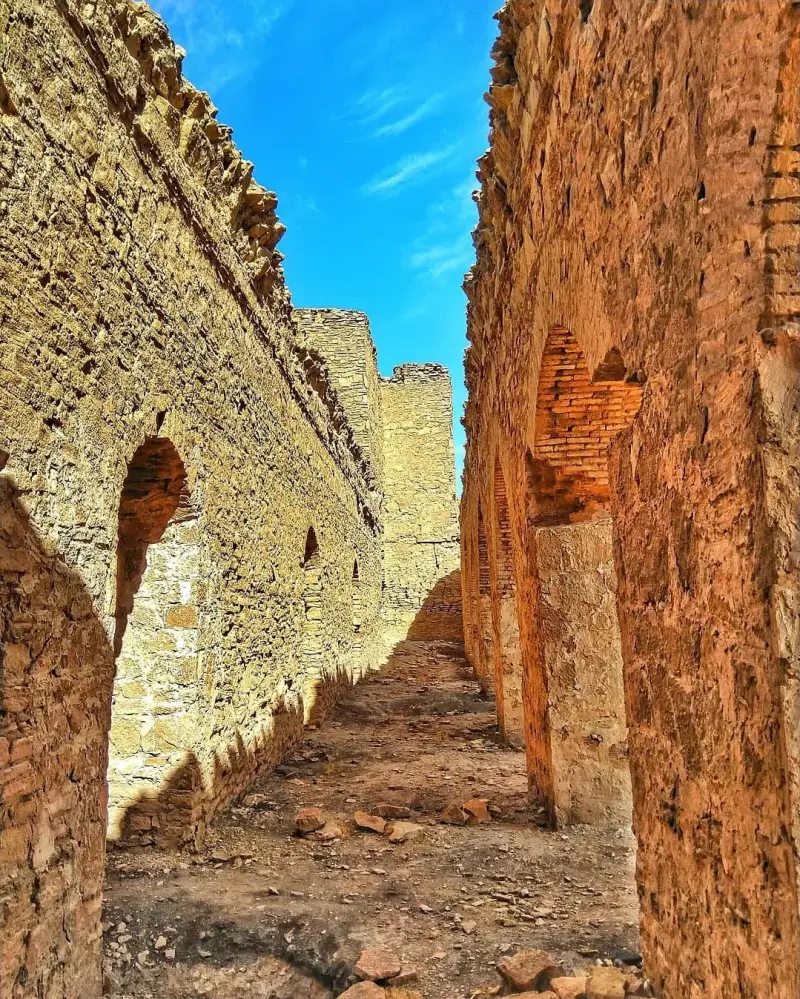
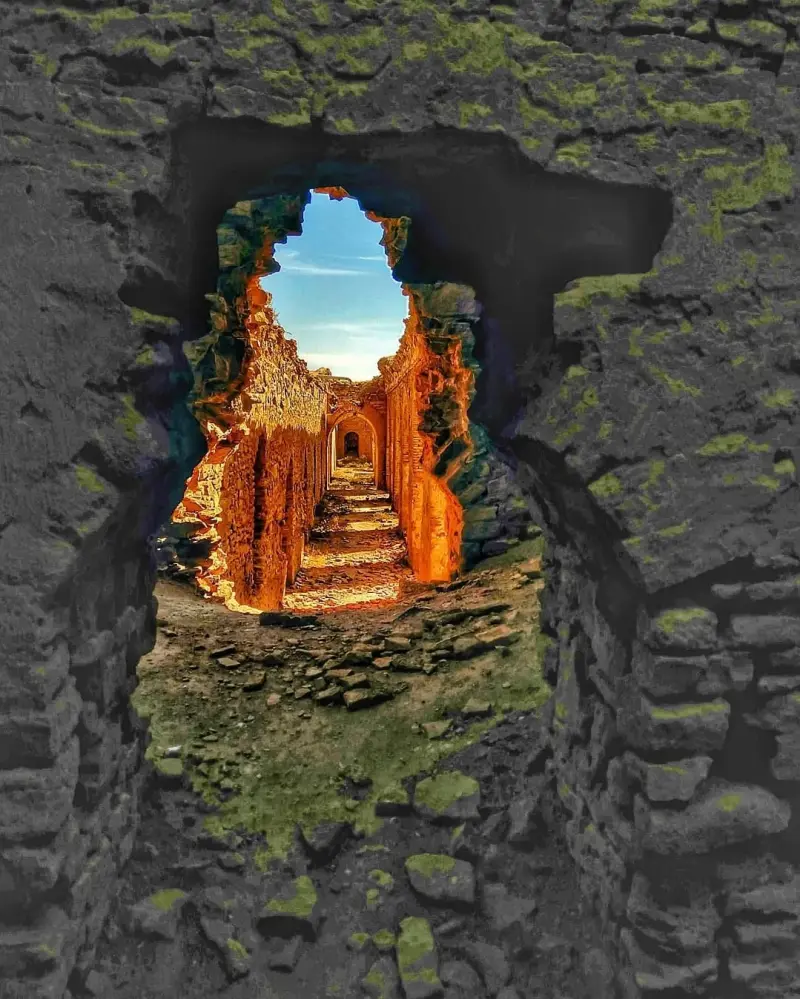
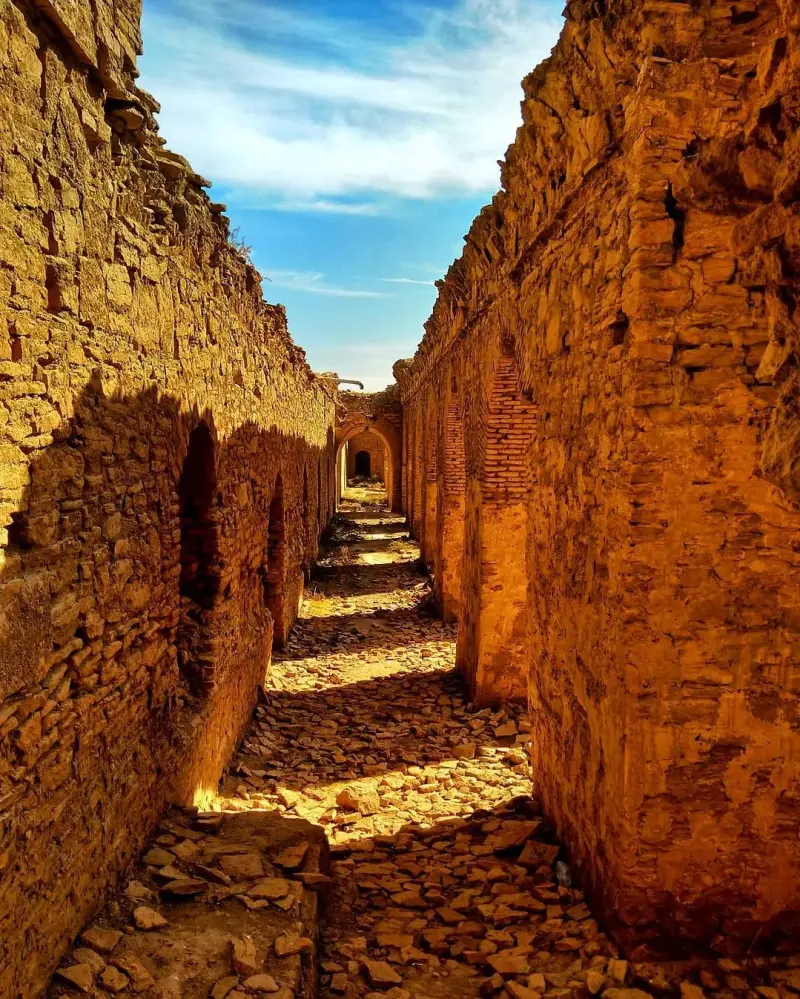
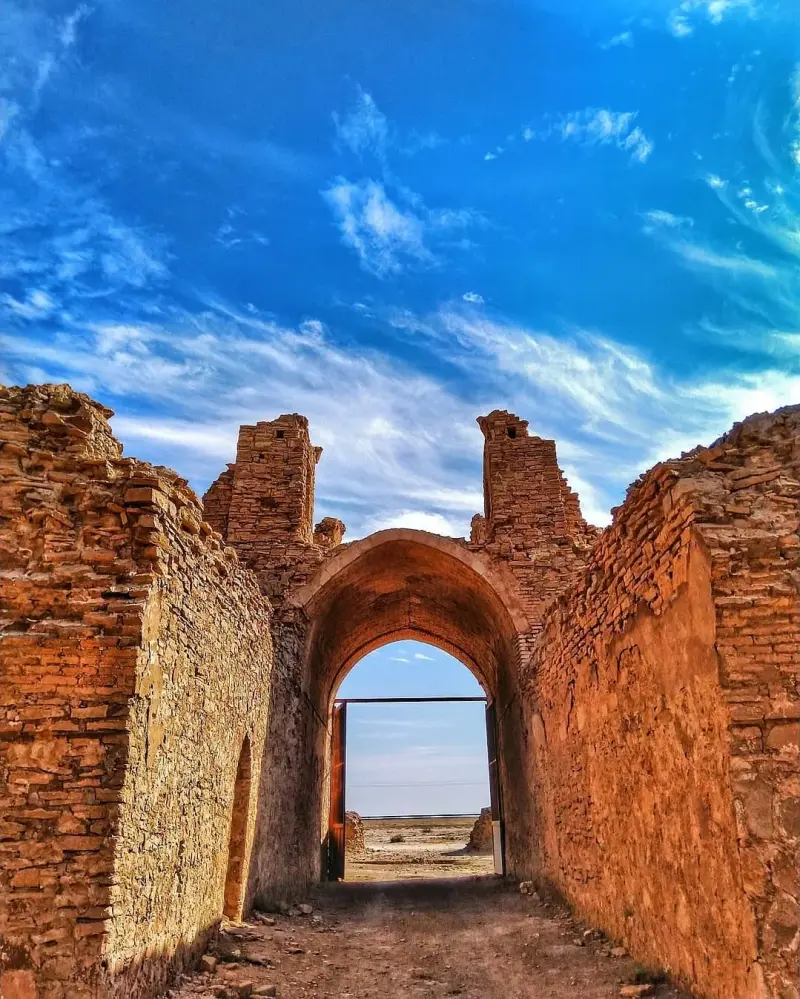
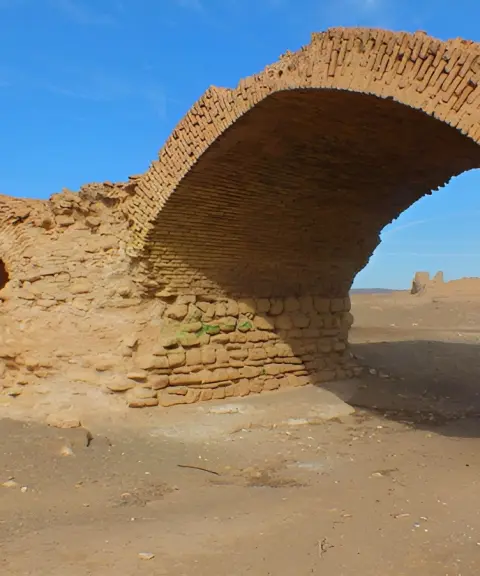
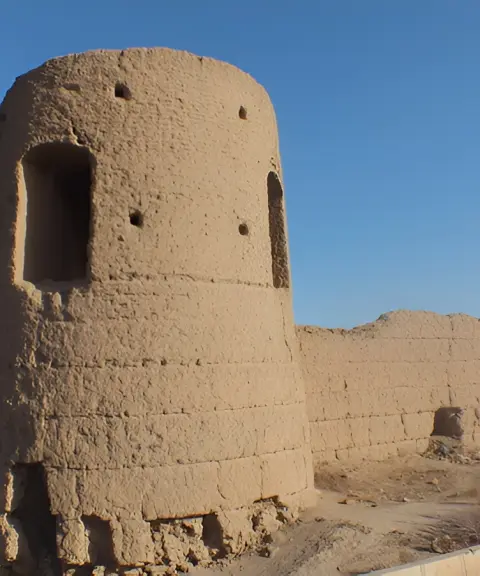
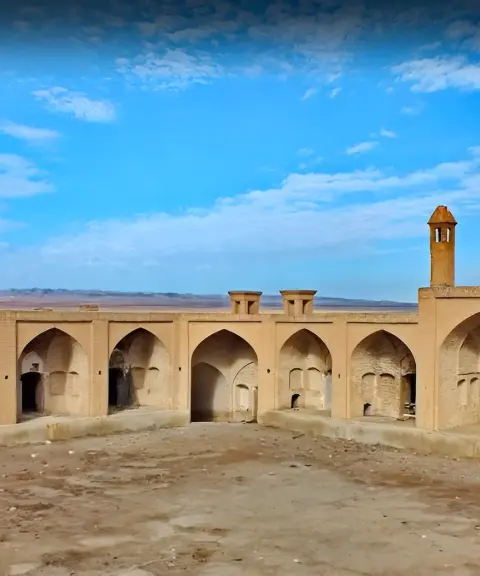
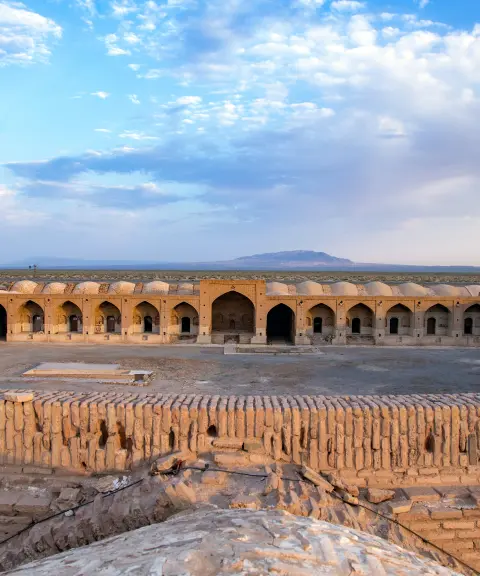
The Mohammadabad Stone Caravanserai is one of the historic monuments of Qom Province. It stands in the village of Mohammadabad, in the Central District of Qom County. This ancient caravanserai dates from the Seljuk period and lies along the Qom–Garmsar road, which was an important communication route in the past. With an area of about 12,610 square metres, the caravanserai is considered one of the largest historic caravanserais in Iran. Its location near the Mohammadabad Mud Fortress (Qaleh Gali) forms a valuable group of historic remains in the area. The Mohammadabad Mud Fortress is also one of the region's historic structures, and its age is attributed to the Parthian period. The Mohammadabad Stone Caravanserai was added to Iran's National Heritage List on 9 Aban 1377 (Solar Hijri) under registration number 2138.
The most important features of this caravanserai are the extensive use of rough stone from the mountain in its construction and its solid, defensive structure. The Mohammadabad Stone Caravanserai was built on a four-iwan plan and had massive stone walls, eight watchtowers and a sturdy construction. Together with the considerable size of the building, these features show its importance on historic routes of communication. The central courtyard and the iwans of the complex are among the caravanserai's most distinctive parts, and the overall structure gives a picture of how large caravanserais functioned in the Seljuk period and the role they played in supporting the movement of caravans. Its location near the Mohammadabad Mud Fortress also makes it possible to see remains from different historical periods in the same area, and has made it one of the most notable historic attractions of Qom County.
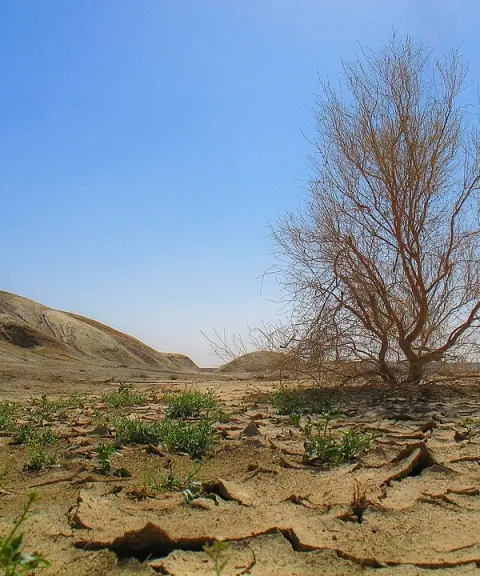
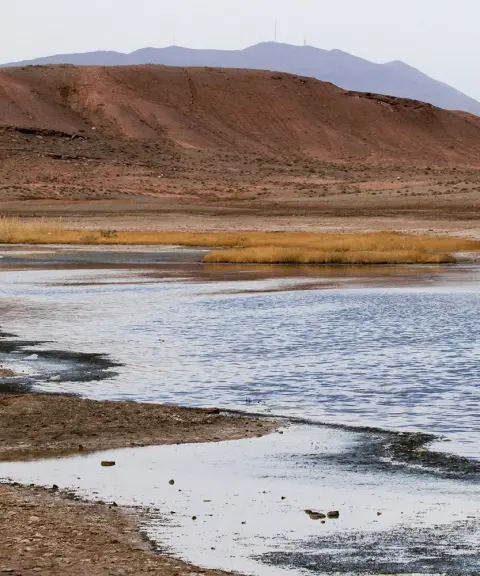
To reach the Mohammadabad Stone Caravanserai, travel to Qom Province and Qom County, then follow the Qom–Garmsar road to the area around the village of Mohammadabad. The address given for this attraction also places it in the area of the Haram-to-Haram Freeway. Because the building is historic, visitors should avoid damaging the walls, stones and architectural elements, moving historic building materials, or leaving litter on the site. Spring and autumn, with their milder weather, are better seasons for visiting and walking in the open space around the caravanserai. On hot summer days, it is best to choose the cooler hours of the day for a visit. In the surrounding natural landscape, staying on the existing paths and avoiding damage to vegetation or pollution helps preserve the historic and natural environment of the area.
Written by زهرا لنگری Last updated
What you can do here, and what it takes
حیاط مرکزی و محوطه پیرامون کاروانسرا برای پیادهروی سبک و گشتوگذار تاریخی مناسب است.
Province Qom
Province Qom


Unfortunately, no comments have been registered.