
 Waterfalls
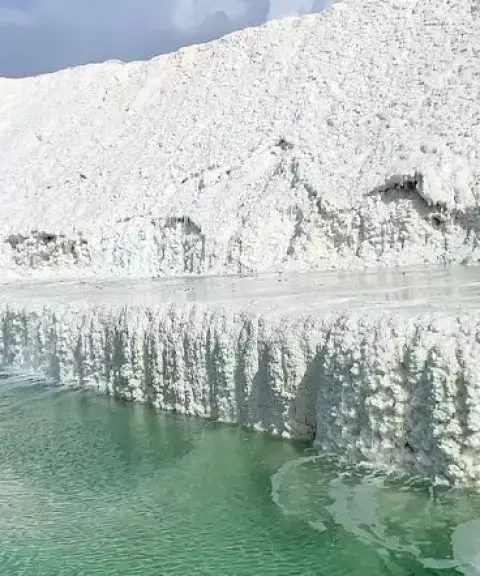
Potash Salt Waterfall
The White Wonder of the Desert in the Heart of Khur and Biabanak
- Waterfalls
- Isfahan, خور
- Altitude 705 m
- Ability level Beginner
Ability level:
Beginner
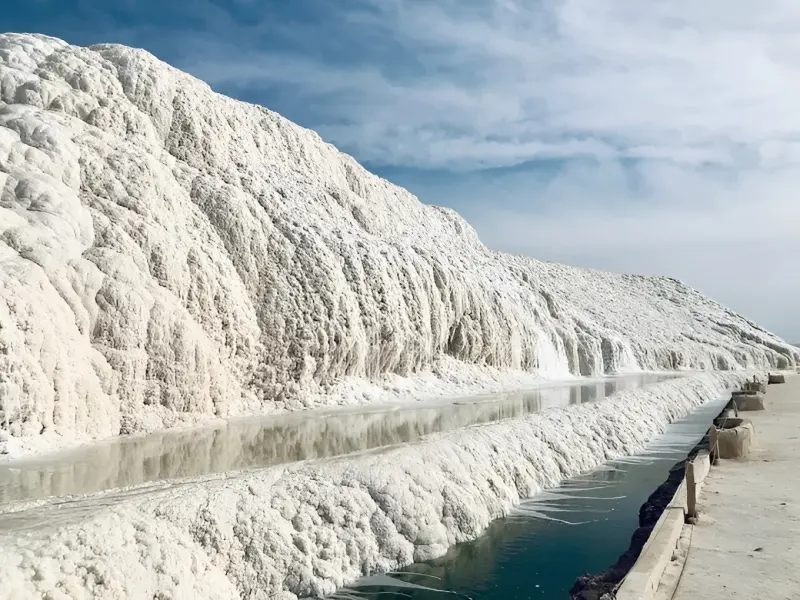
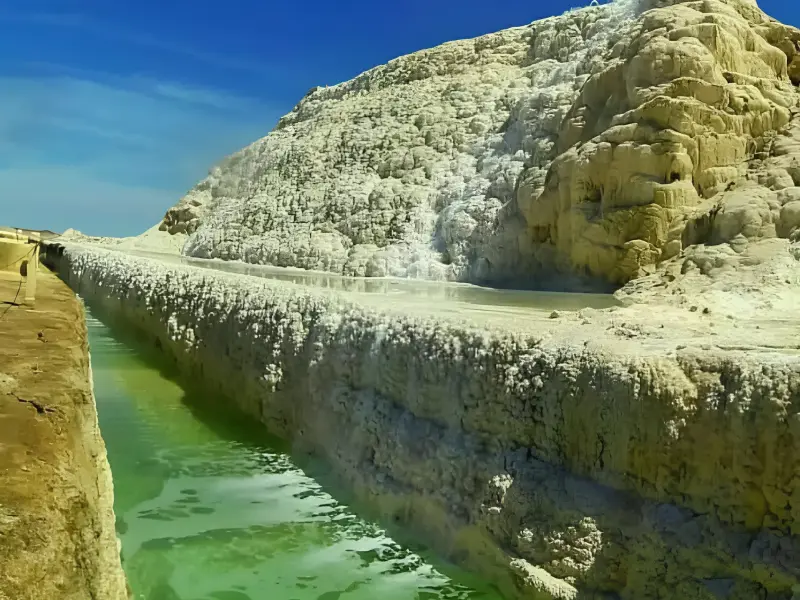
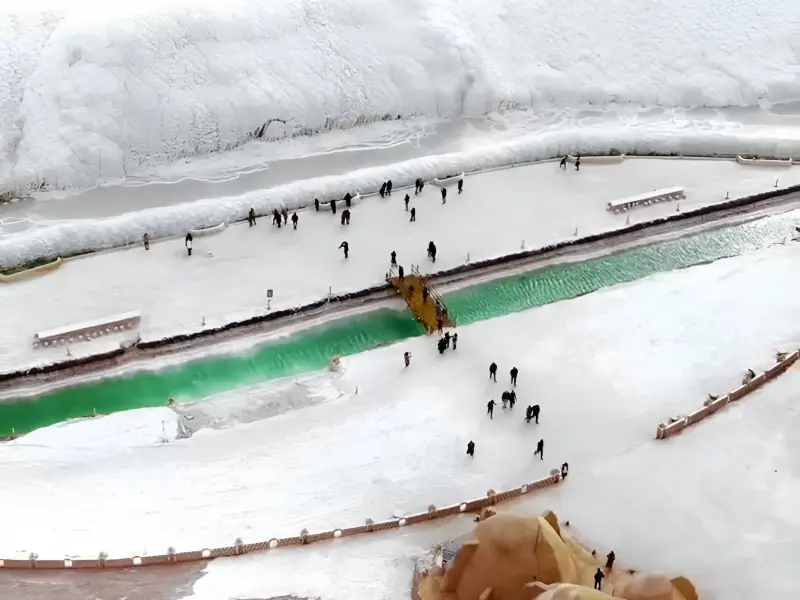
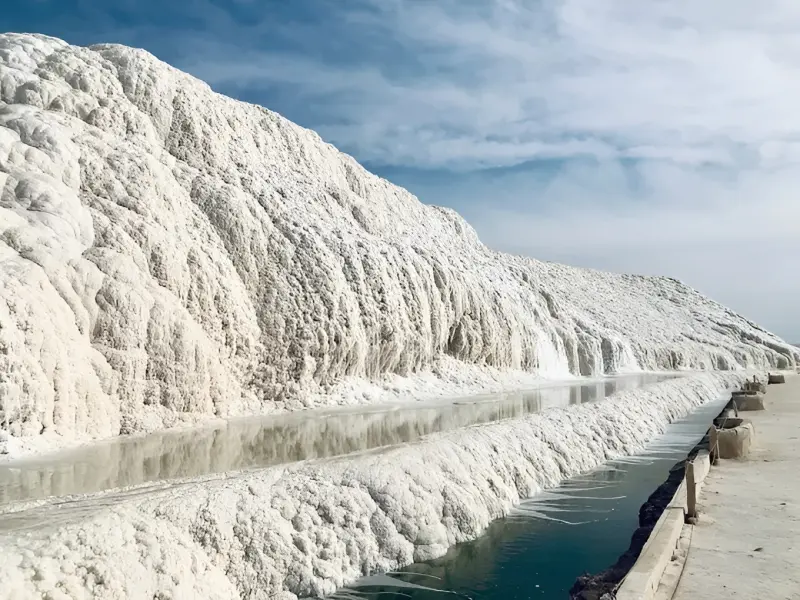
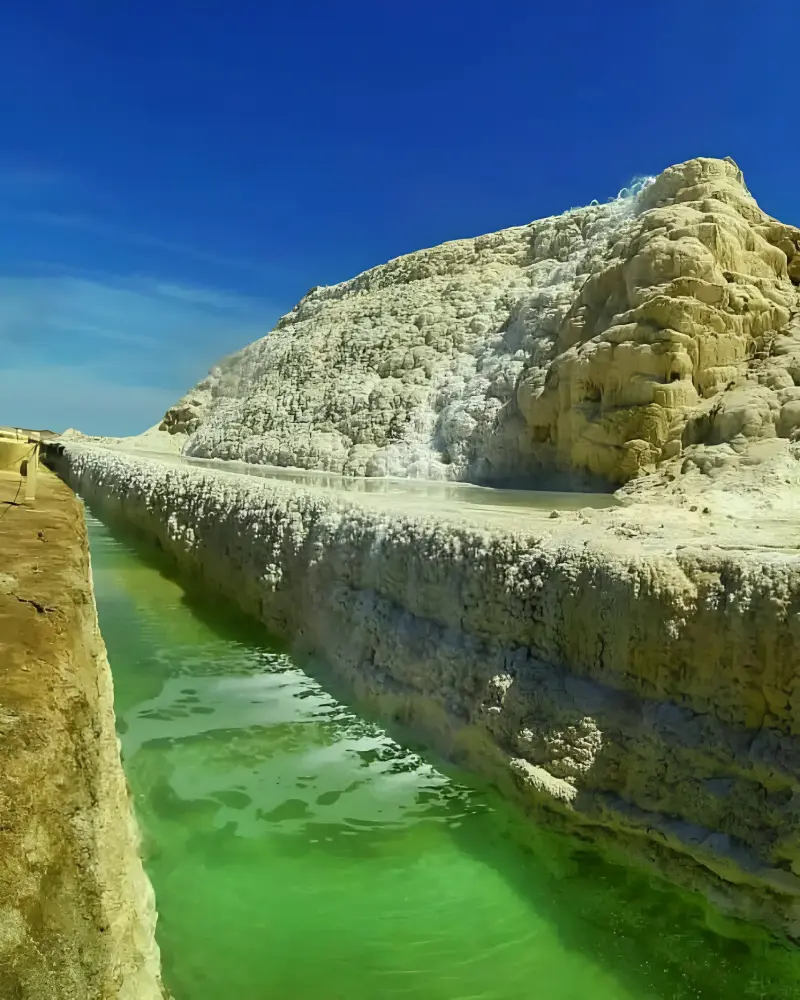
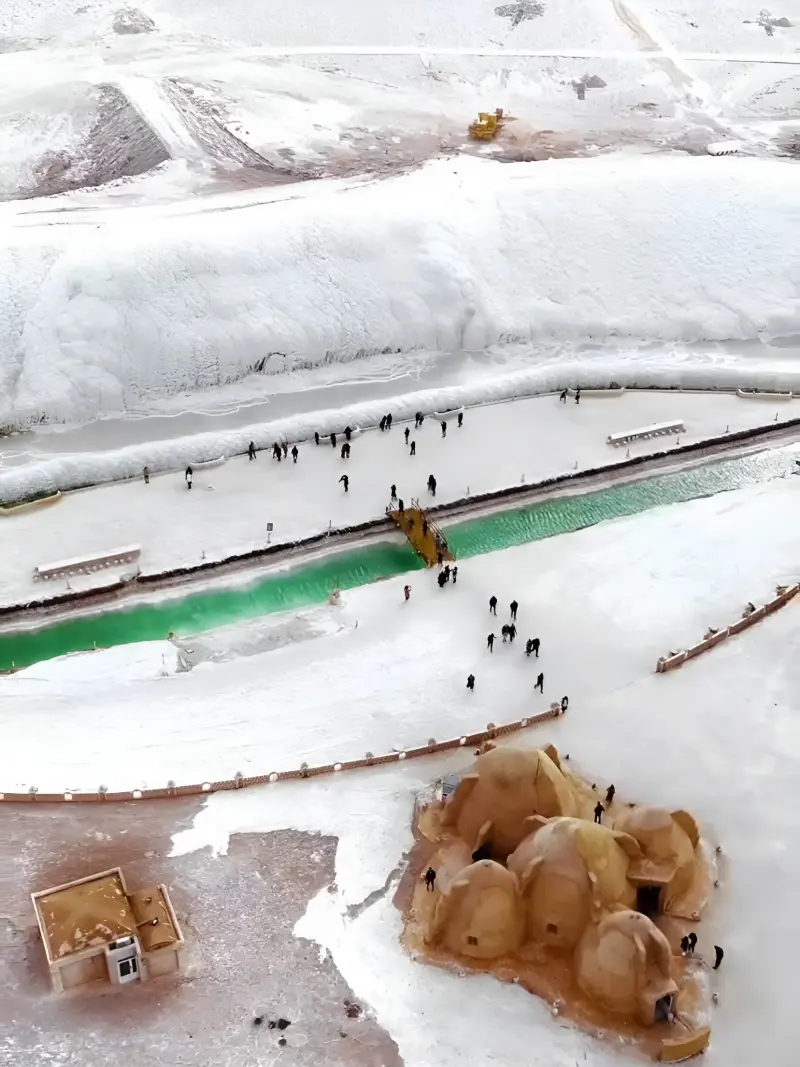
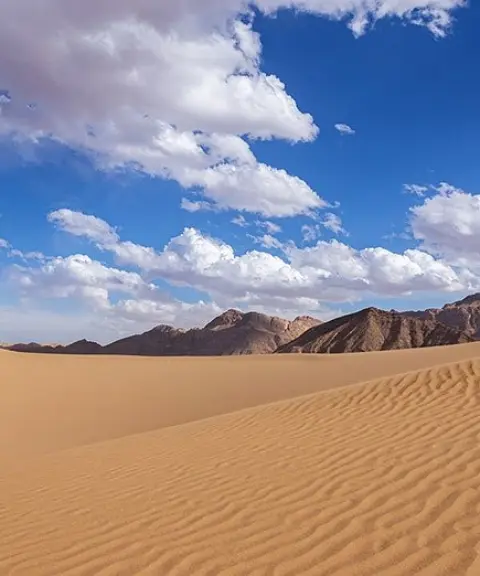
The Potash Salt Waterfall is one of the most unique natural attractions in Isfahan Province. It is located in the Potash Tourism Village, about 40 kilometers east of the town of Khur and Biabanak, on the Khur–Tabas road. The waterfall lies next to the Potash mining complex and close to the Meyghan Desert (Kavir-e Mesr), and because of its unusual structure it is known as the world's first salt waterfall. Over the years, the flow of salty water in this area has deposited salt and formed a white, shimmering wall. Together with a turquoise-blue lake, it creates a rare landscape in the heart of the desert. The contrast between the white salt crystals, the blue sky and the surrounding desert scenery has made this waterfall one of the most distinctive natural attractions in Iran.
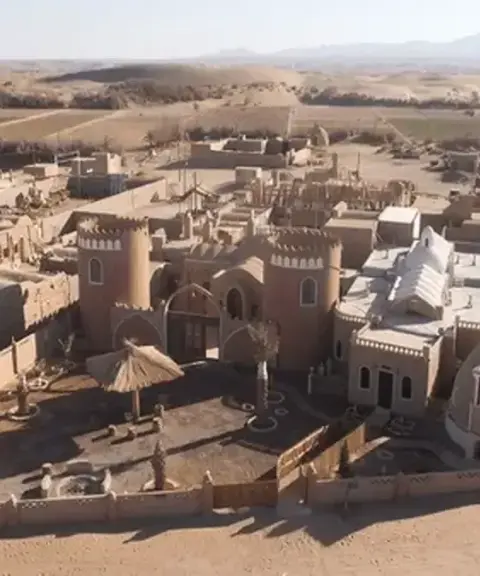
The Potash Salt Waterfall is about 25 meters high. It was formed by the evaporation of salty water and the continuous deposition of mineral salts, especially potash. The salt crystals, with their natural patterns and textures, give the waterfall the look of a frozen cascade. Together with the salt river, salt lakes, palm groves and sand dunes nearby, they form a rare collection of natural attractions. The Potash Tourism Village also offers facilities for visitors, including accommodation, a restaurant, a café, parking and rest areas, which is why the area is a popular destination for those interested in desert travel, geology and nature photography.
To reach the Potash Salt Waterfall, take the Khur–Tabas road from the town of Khur. After about 30 kilometers of driving you will reach the entrance of the Potash Tourism Village, and from there continue about 10 kilometers to the waterfall. The best time to visit is autumn, winter and early spring, when the desert weather is mild and pleasant and conditions are ideal for sightseeing. In summer, because of the region's intense heat, it is recommended to visit in the early morning or near sunset. Visitors can also help preserve this valuable natural phenomenon for future generations by not damaging the salt crystals, not leaving litter and not walking outside the marked paths.
Written by زهرا لنگری Last updated
Activities
What you can do here, and what it takes
-
Walking
در اطراف دهکده پتاس میتوان در میان رملهای شنی، نخلستانها و چشماندازهای کویری به گشتوگذار پرداخت و از سکوت کویر لذت برد.
Specifications
Introduction of the location and specifications of Potash Salt Waterfall
Location:
Isfahan, خور
Coordinates:
33.80448898, 55.52223992
Open in maps
Height above ground:
25 meter
Height above mean sea:
705 meter
Floras:
Deserts and Dry Shrublands
Faunas:
Presence of Allergenic Insects, Presence of Herbivorous Animals
Transports:
Private car, Minibus, Bus
Tourist Attractions in خور
Attractions that are nearby

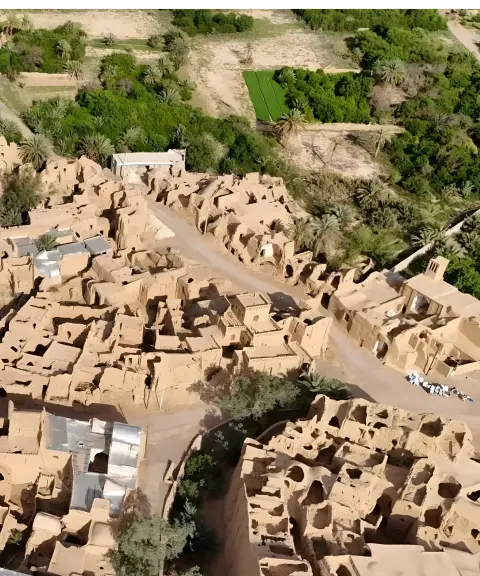

Bayazeh Castle
Province Isfahan
- Walking
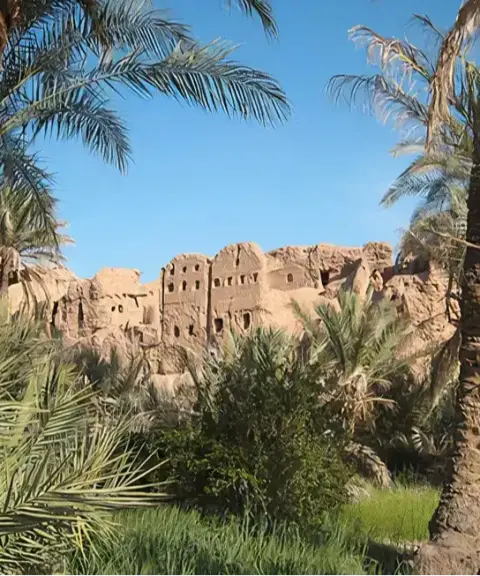
A legendary Sasanian fortress in the heart of the Khur and Biabanak desert

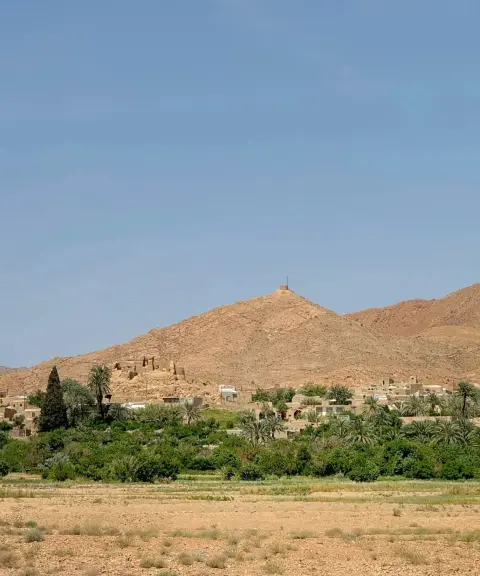
Iraj Village
Province Isfahan
- Walking
A thousand-year-old village with a historic castle in the heart of the desert
Related tags:
Unfortunately, no comments have been registered.