
 Desert (Kavir)
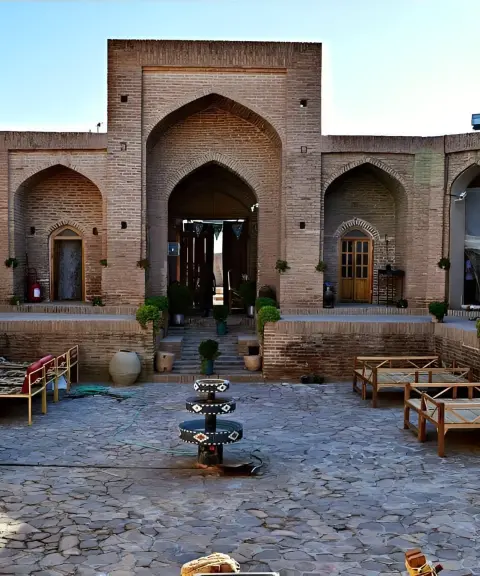

Sarayan Caravanserai
Province South Khorasan
- Walking
Where the calm of the desert meets the wonder of the night sky
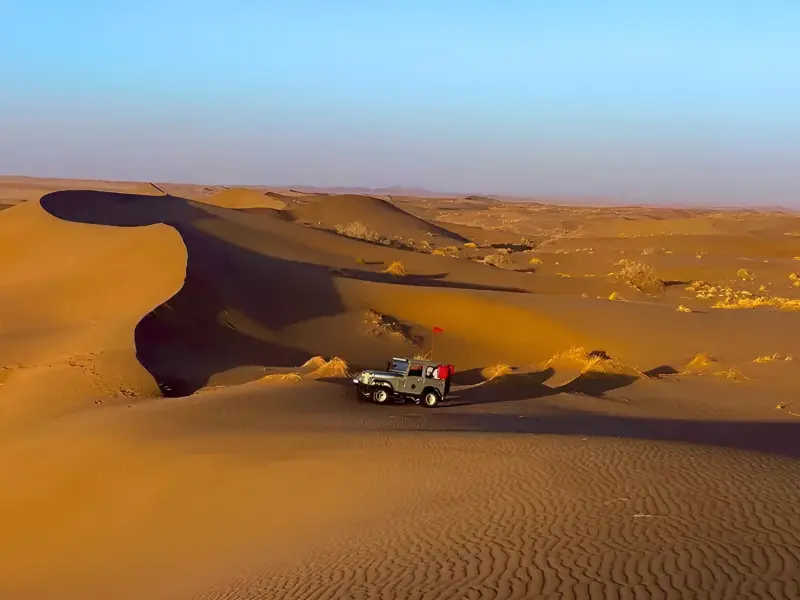
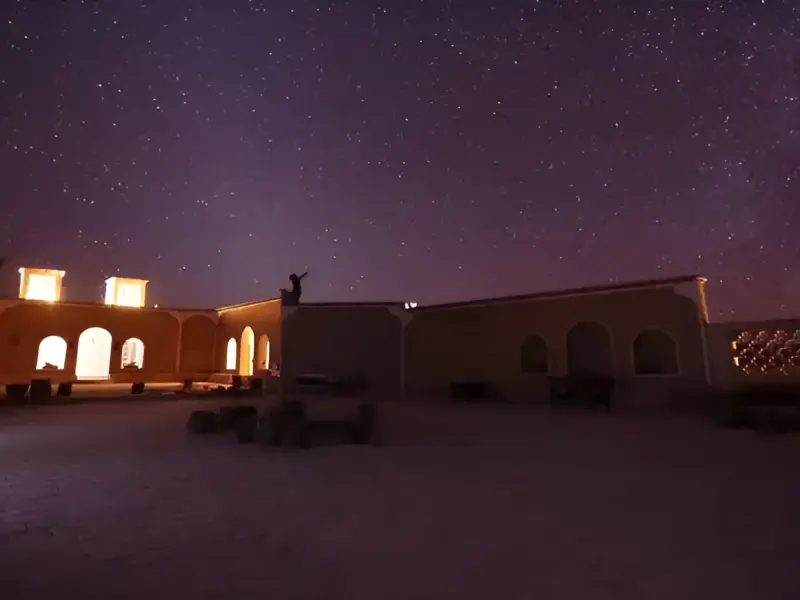
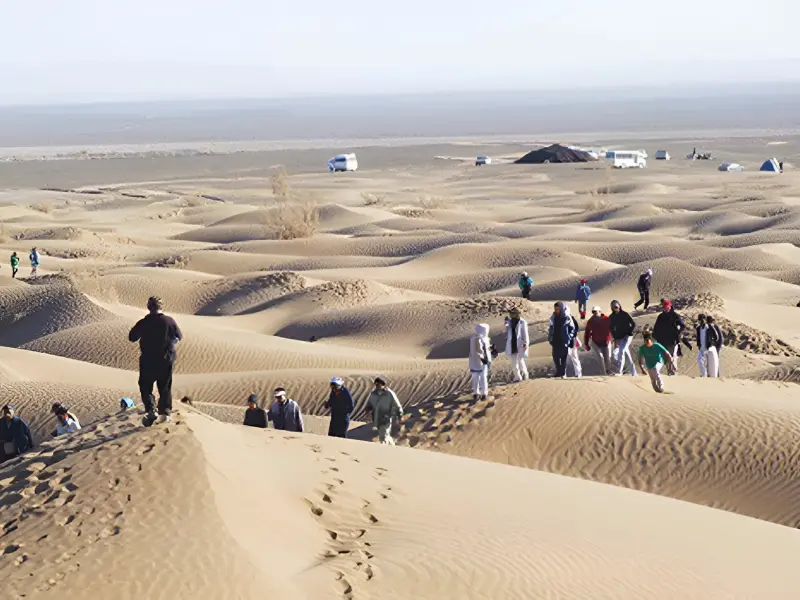
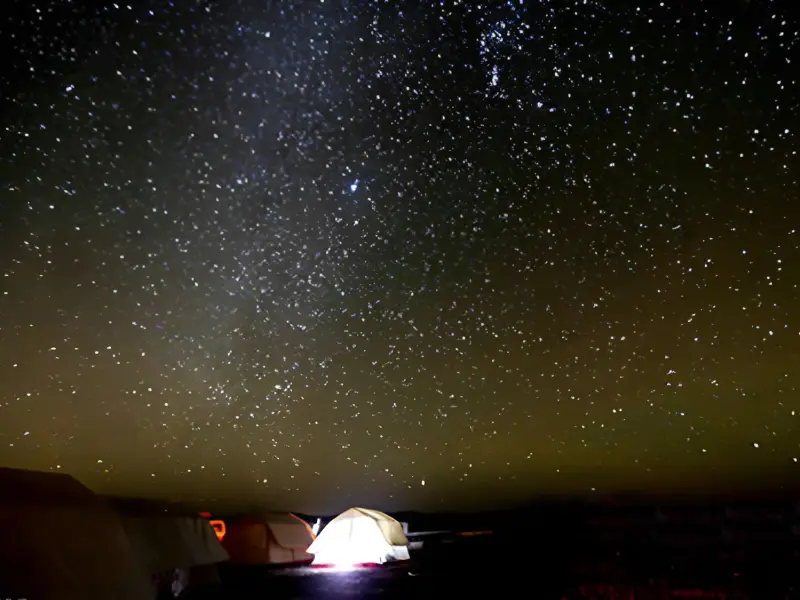
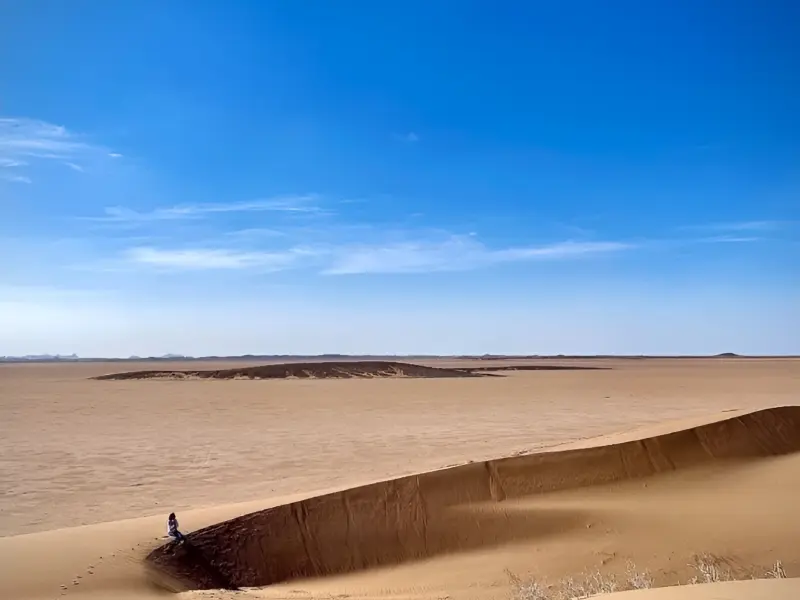
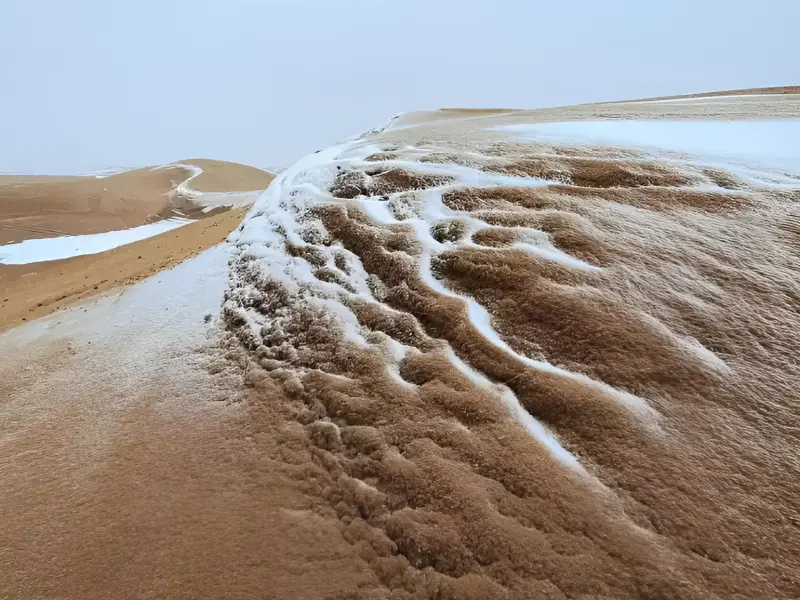
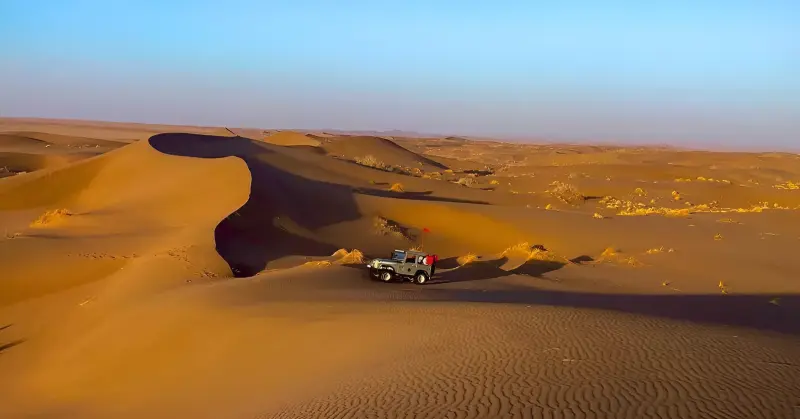
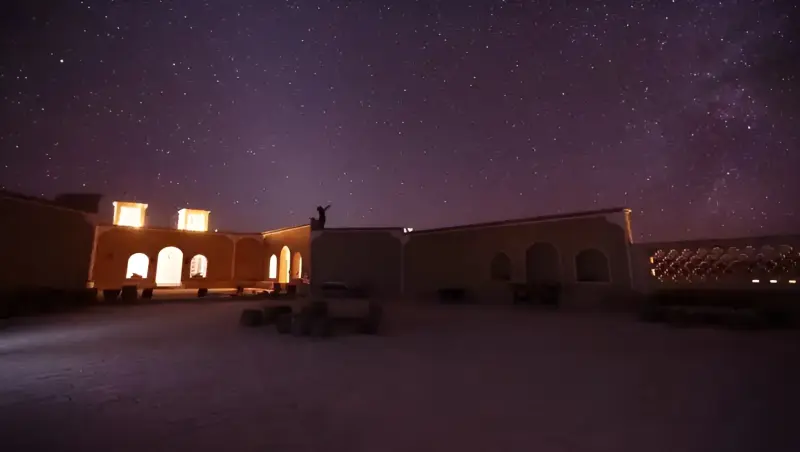
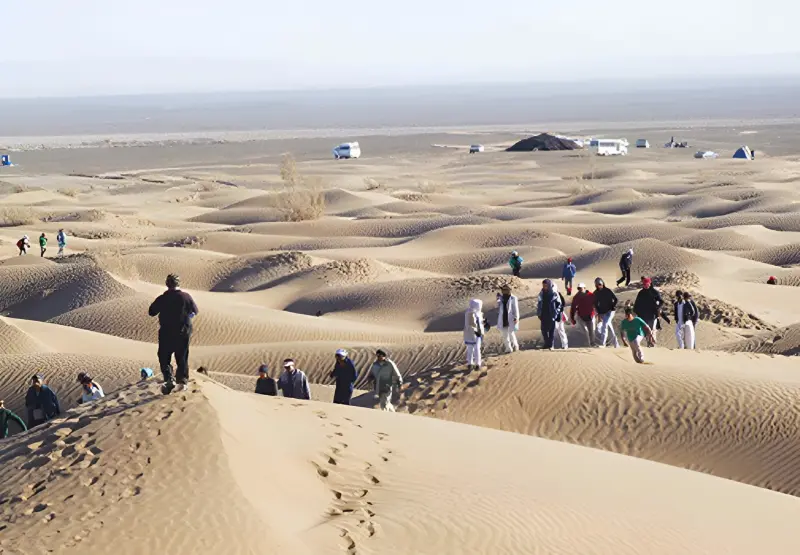
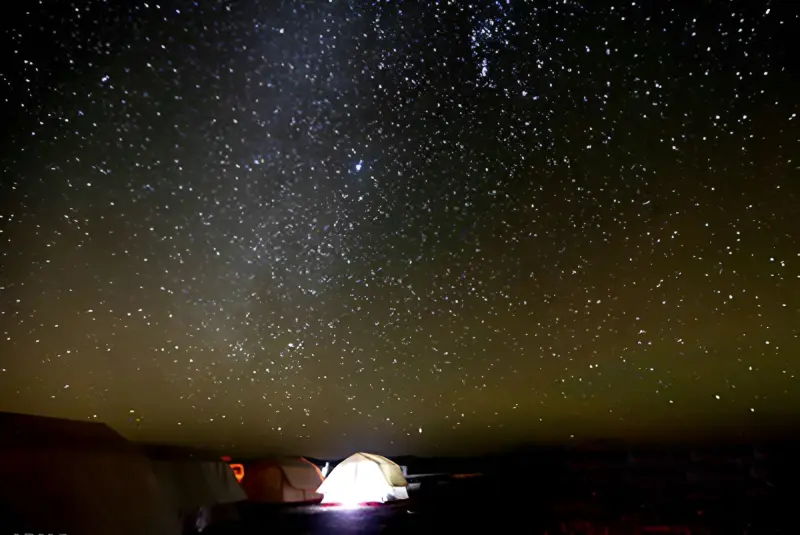
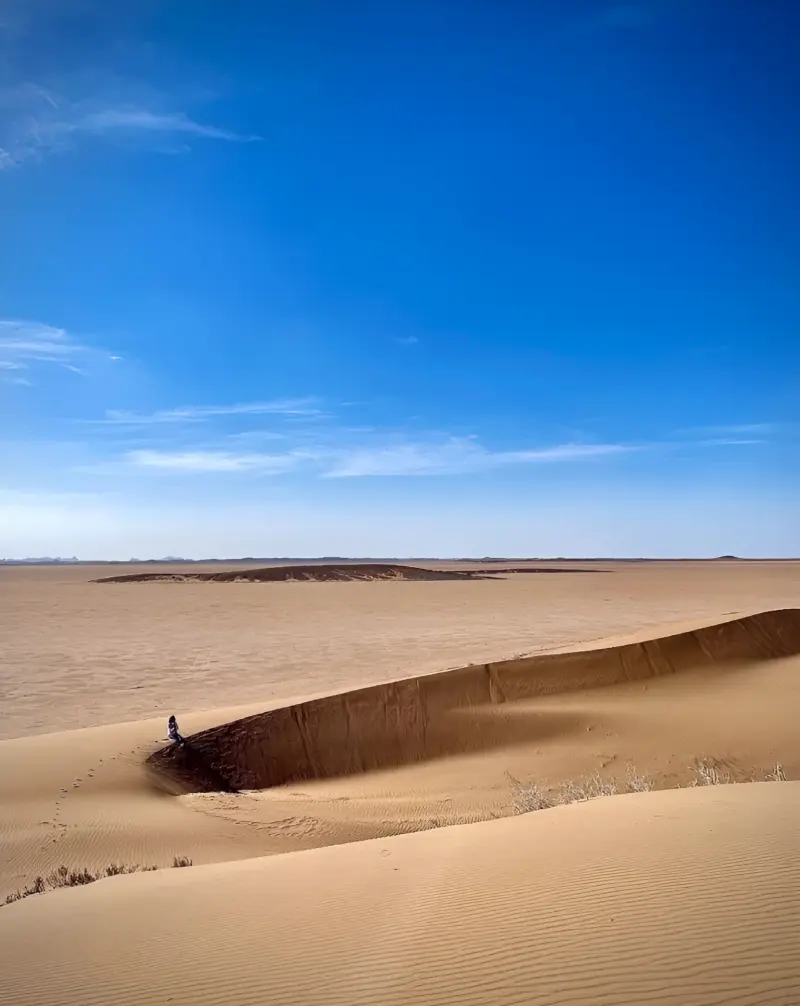
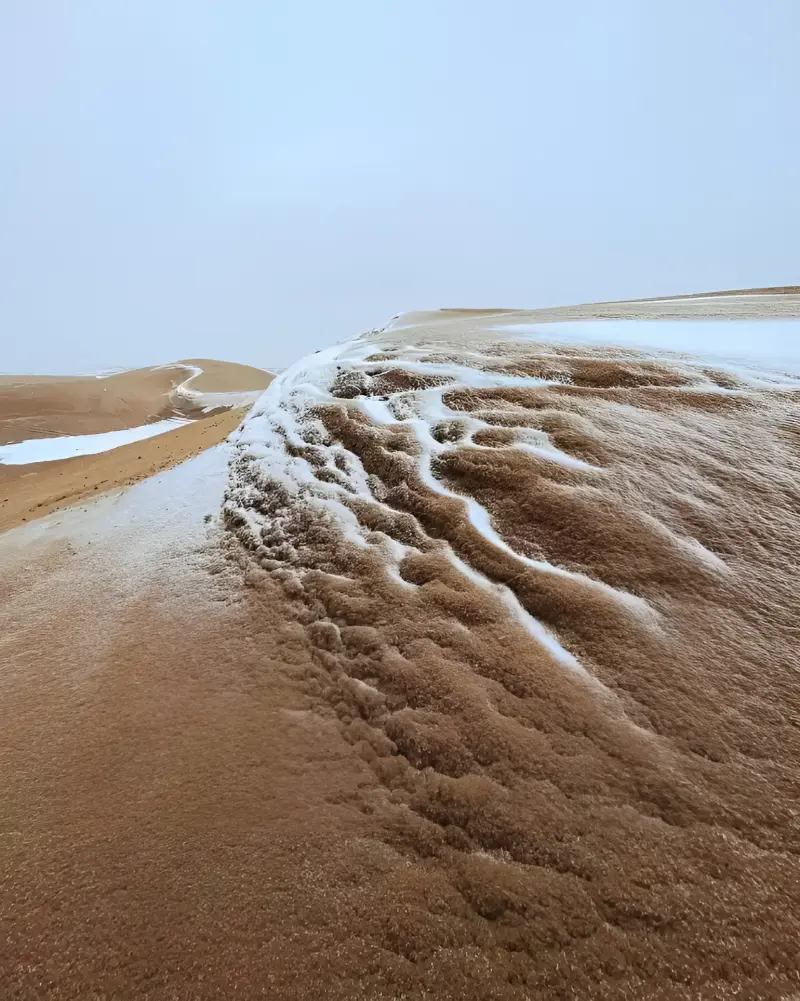
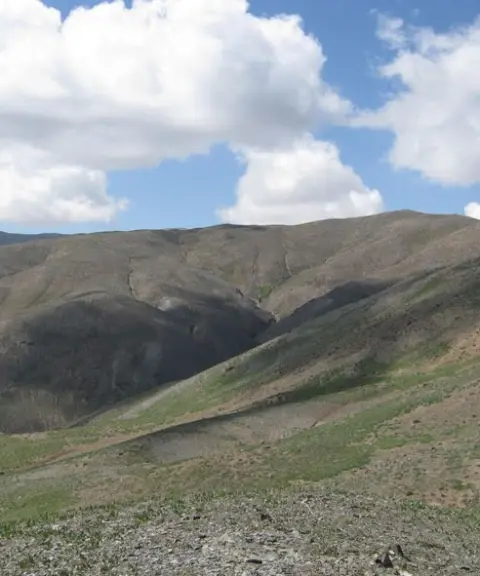
The Sehqaleh Desert is one of the most distinctive natural attractions of South Khorasan Province. It lies 30 kilometres south of the town of Sehqaleh, in Sarayan County. With its vast landscapes of sand dunes, wide clay flats (daqq), salt lakes and a rare stillness, it is a popular destination for nature lovers and desert trekkers. The area's most important feature is that it has the darkest sky in Iran and one of the darkest skies in the Middle East. This has made the Sehqaleh Desert one of the country's most important astronomical tourism destinations. Distance from light pollution, an open horizon, very clear air and a favourable climate make it possible to observe celestial objects in great detail, and every year they draw many enthusiasts here for stargazing and night photography.
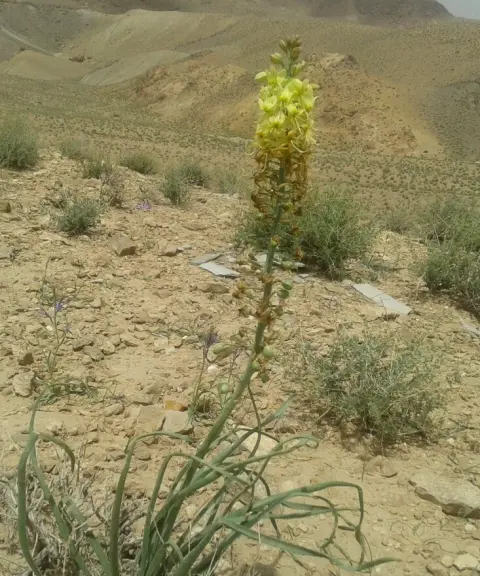
Beyond its natural value, the Sehqaleh Desert is also of great scientific importance. Its specialised observatory, with a dedicated platform for mounting telescopes, has hosted astronomy programmes and sky-observation competitions. The desert's varied landscapes include sandy dunes (raml), smooth, bare clay flats, salt marshes and drought-resistant vegetation such as saxaul (taghagh), qeych, eskanbil and camel thorn, offering a different side of Iran's desert nature. Valuable animal species such as the houbara bustard, the Turkestan ground jay (Hume's groundpecker), the Persian horned viper and various desert lizards also live in the area. Around the desert there are several ecolodges that let visitors stay overnight, observe the sky, learn about local culture and experience life on the desert's edge.
To reach the Sehqaleh Desert, first travel to the town of Sehqaleh in Sarayan County, then continue about 30 kilometres south of the town to the desert entrance. The first part of the route is paved, but the final section is a dirt road. It is therefore recommended to use a suitable vehicle, carry a map or navigation app, and travel with a local guide, especially on your first visit. The best time to visit is spring and autumn, particularly Farvardin, Ordibehesht, the second half of Shahrivar, Mehr and Aban, when temperatures are more comfortable for exploring the desert and staying overnight. If your main goal is stargazing or watching meteor showers, the month of Mordad is also a good time. While visiting, help protect this valuable ecosystem: keep vehicles out of sensitive areas, collect all your rubbish, avoid harming vegetation and wildlife, and respect the silence and calm of nature.
Written by زهرا لنگری Last updated
What you can do here, and what it takes
مسیرهای میان رملهای ماسهای و دقهای کویری، فرصت مناسبی برای پیادهروی و لذت بردن از سکوت کویر فراهم میکنند.
شیب برخی از رملهای ماسهای، امکان سر خوردن روی شن و اسکی روی ماسه را برای علاقهمندان فراهم میکند.
Province South Khorasan
Province South Khorasan
Province South Khorasan
Province South Khorasan
Province South Khorasan
Province South Khorasan
Province South Khorasan


Unfortunately, no comments have been registered.