
 Attractions
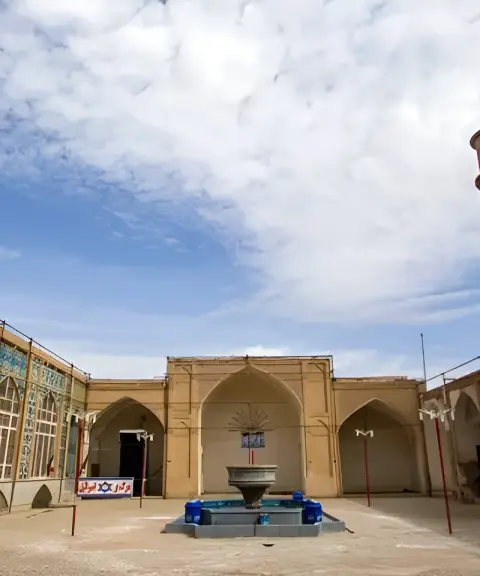
Jame Mosque of Kashan
Province Isfahan
- Walking
An enduring example of authentic Qajar architecture in the historic fabric of Kashan
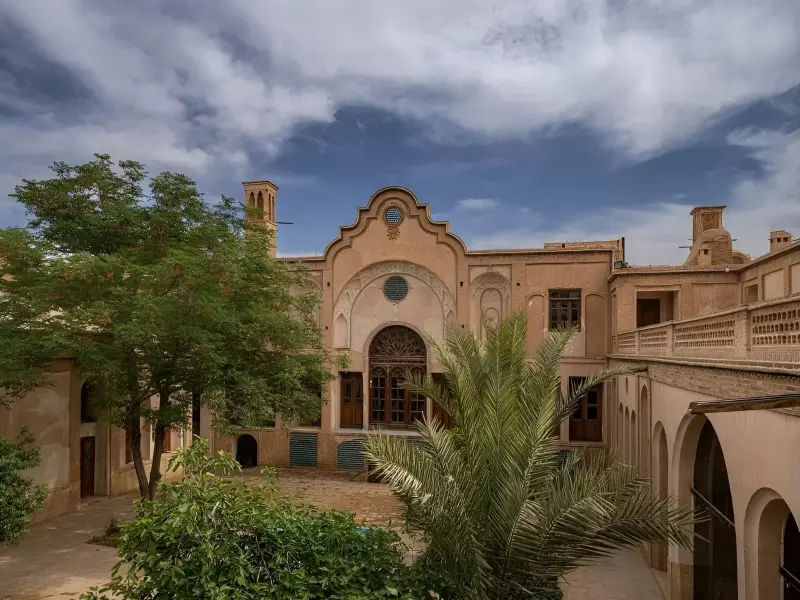
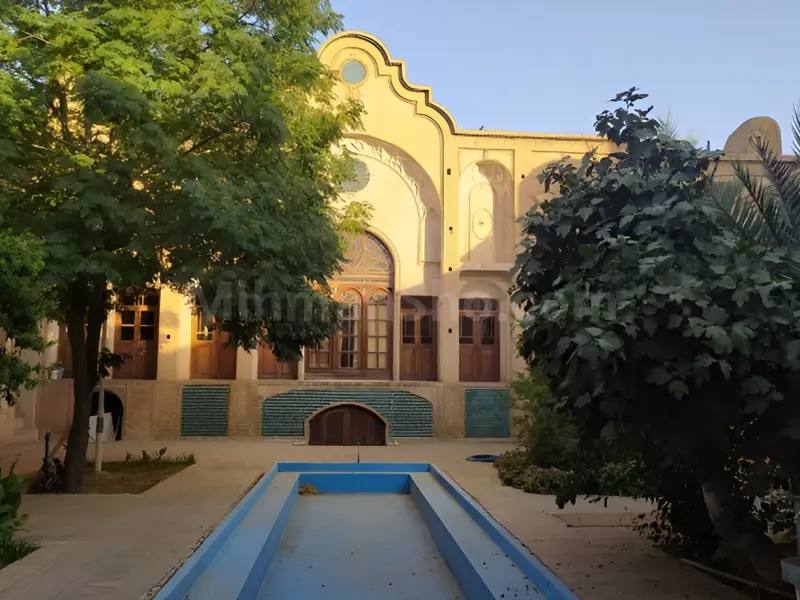
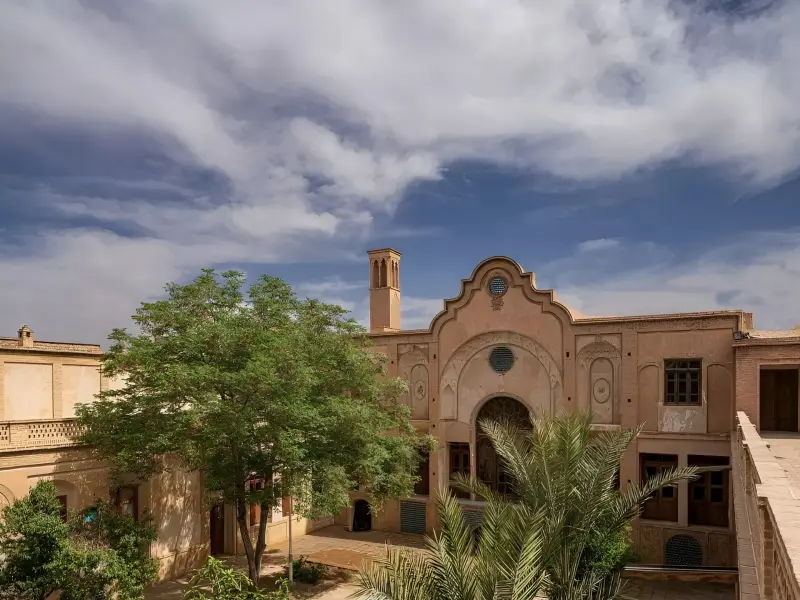
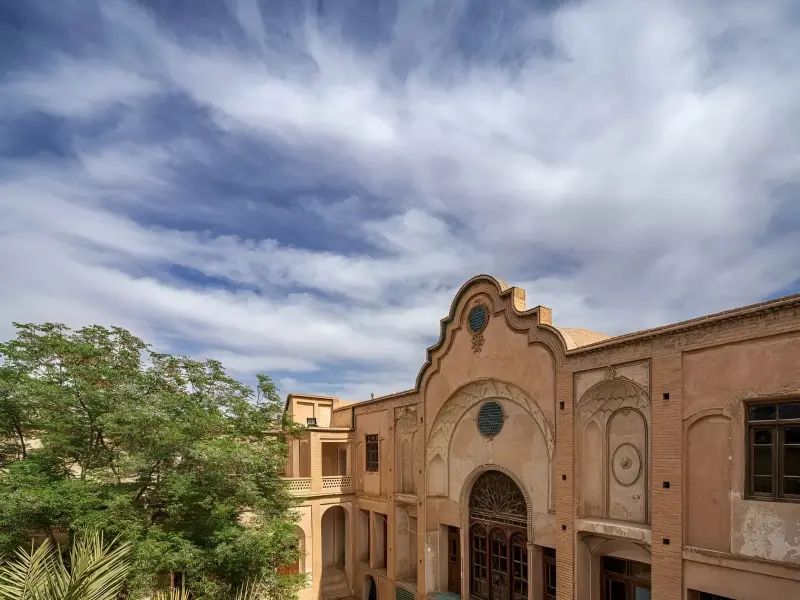
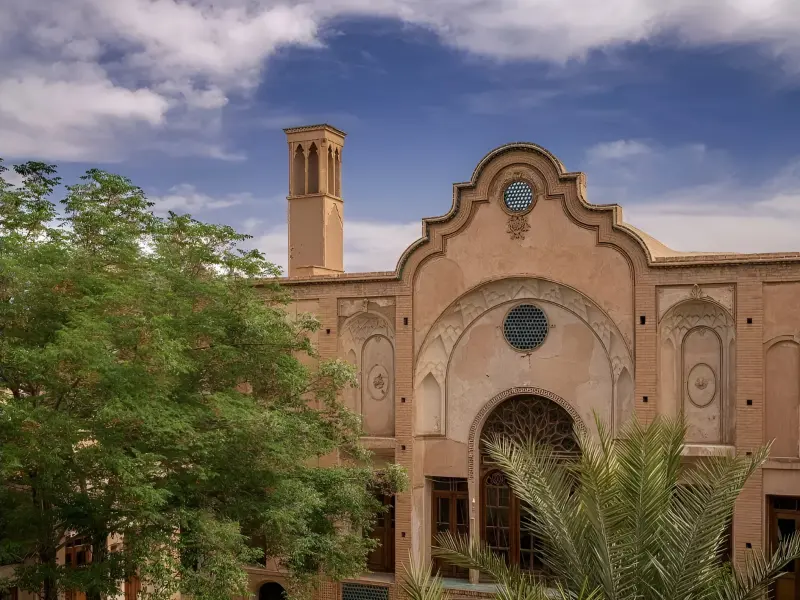
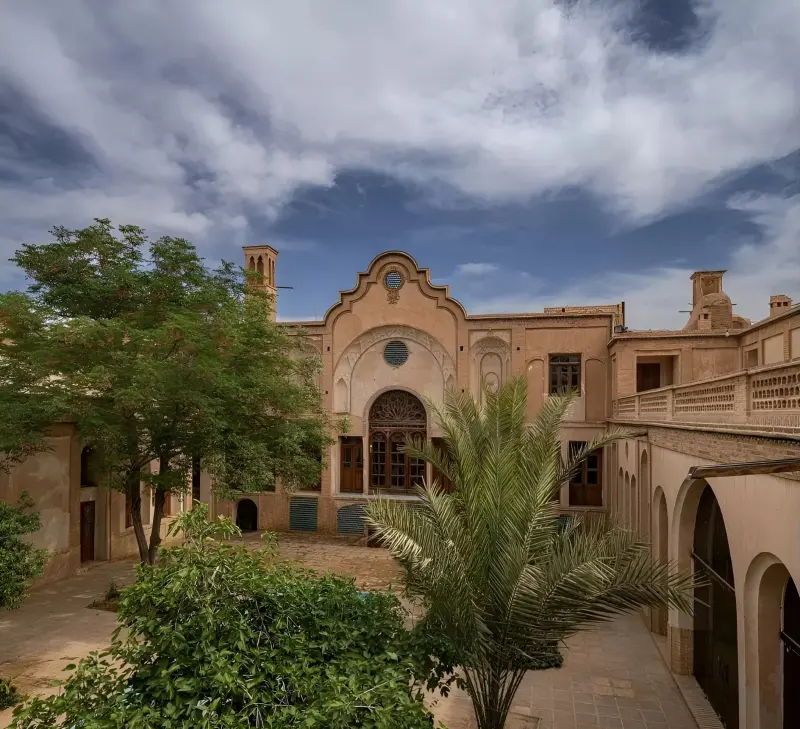
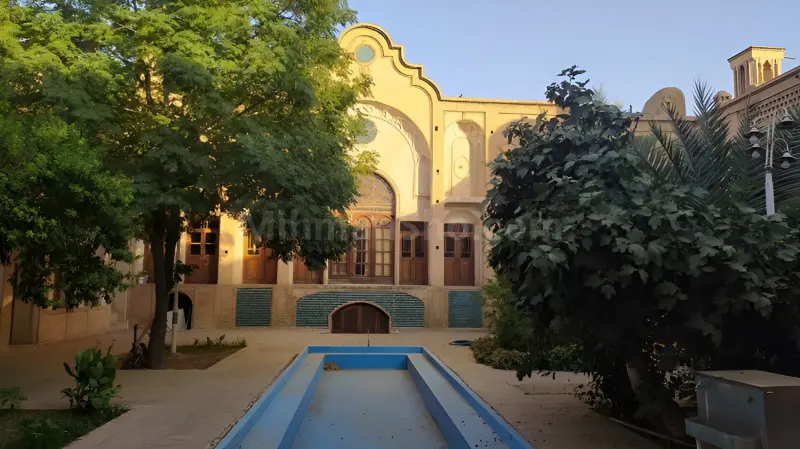
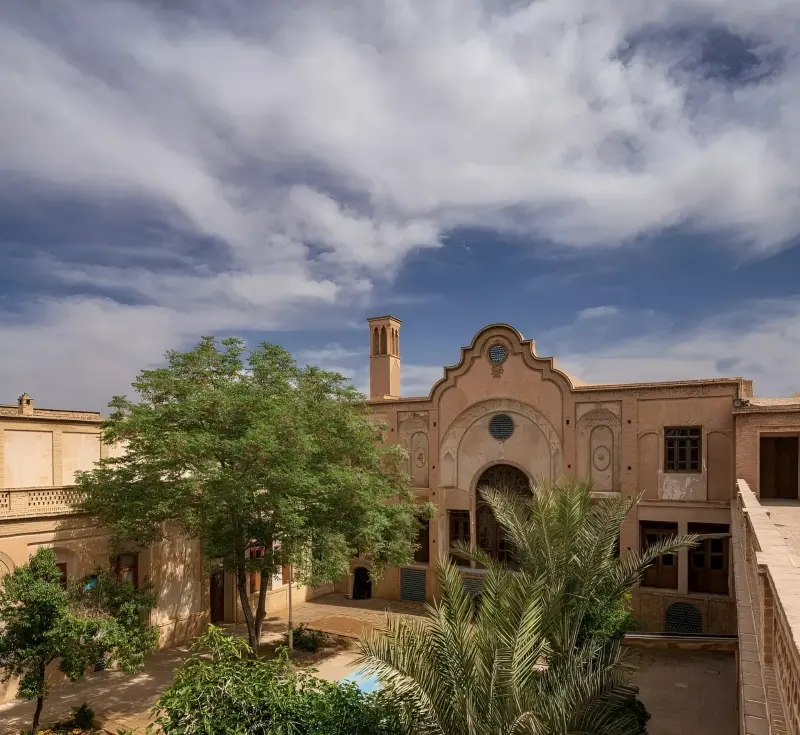
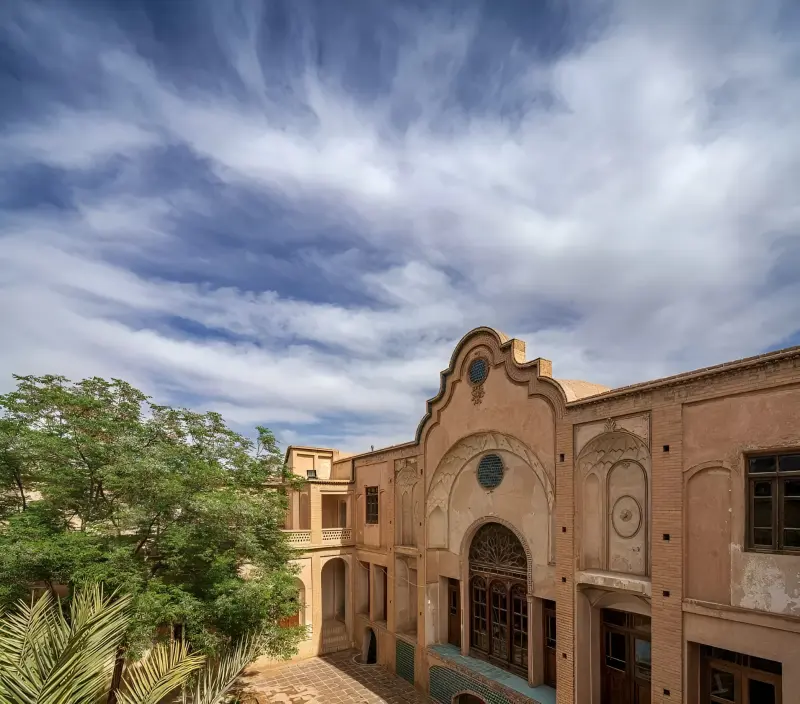
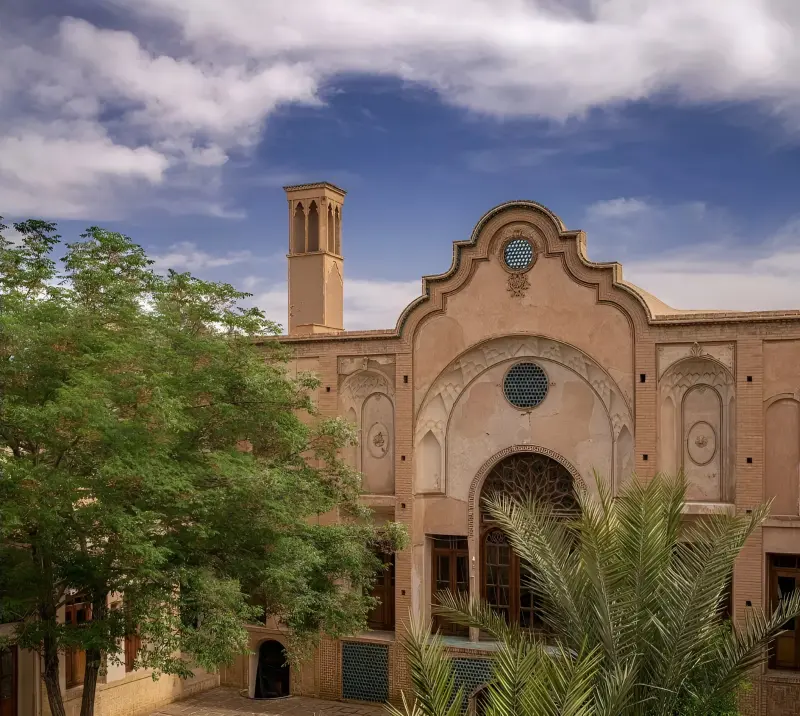
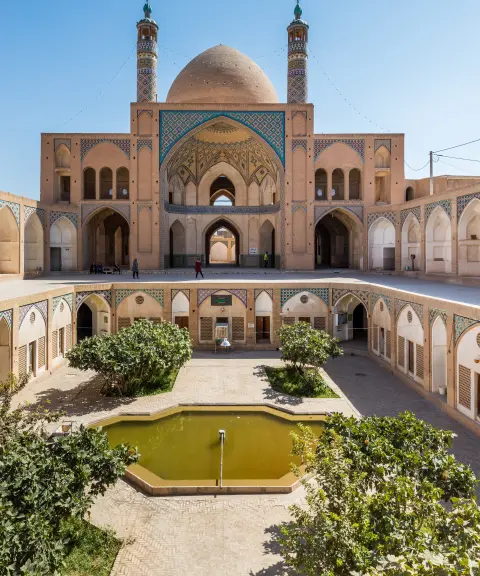
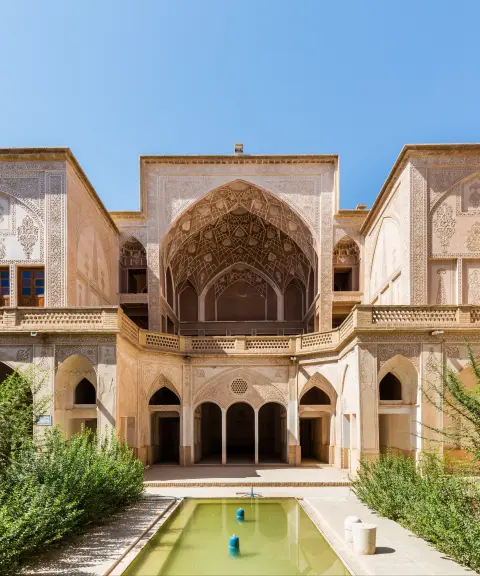
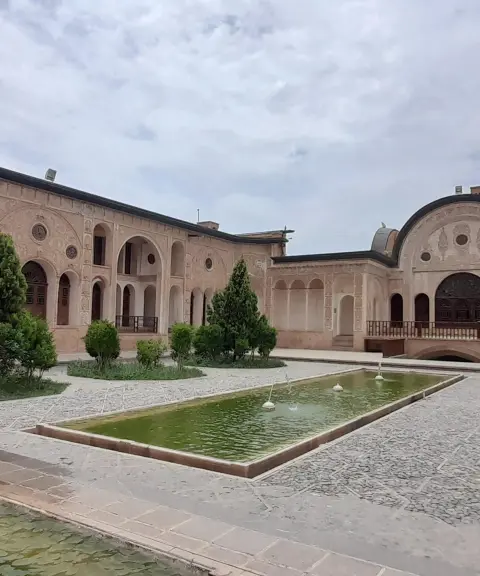
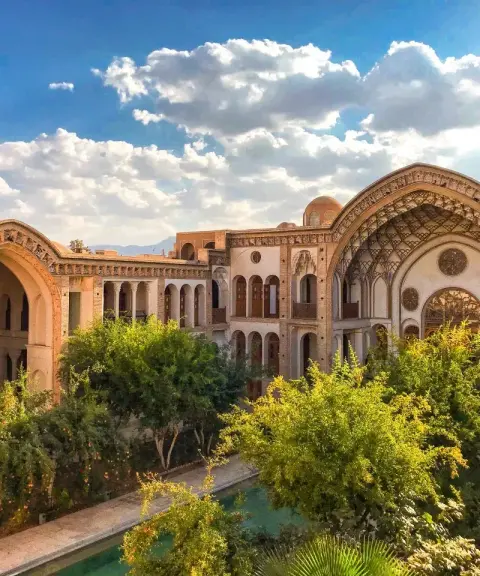
Attarha House (Khaneh-ye Attarha) is one of the most valuable historic houses in the city of Kashan, in Isfahan Province. It stands in the Panjeh-Shah neighborhood, near Ayatollah Kashani Intersection. This magnificent building dates from the Qajar period and was inscribed on Iran's National Heritage List on 27 Mordad 1377 (Solar Hijri) under registration number 2092. Architectural evidence suggests that the present building is only part of a much larger complex that once consisted of three courtyards. Today, thanks to its authentic architecture, artistic decoration and unique structure, the house is regarded as one of Kashan's important historic attractions, and it is owned by the Carpet Research Institute of the University of Kashan.
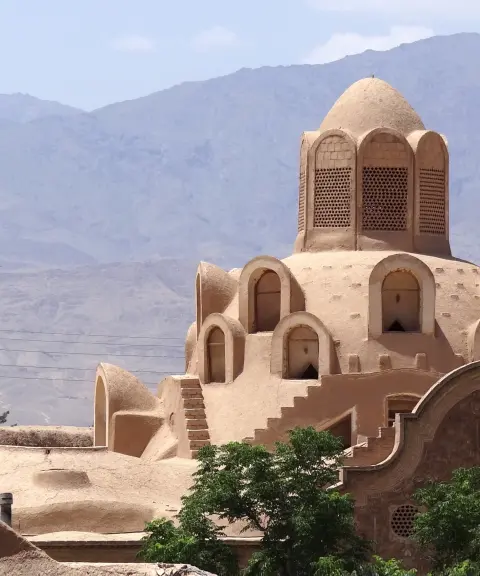
Attarha House has an inner courtyard (andaruni) of more than 470 square meters. Most of its architectural spaces lie along the eastern and western sides of the courtyard, while the northern side is marked only by a tall wall and a blind arcade, a sign of how the building has changed over time. On entering, visitors are immediately drawn to the large hall with its royal alcove (shahneshin) and the two dodari rooms (rooms with doors on two sides) flanking it. These rooms open onto both the hall and the courtyard, and the hall's domed ceiling, with its delicate Yazdi-bandi decoration, is considered one of the most beautiful parts of the building. Simple orosi (sash windows), three spacious cellars (sardabs), three wind towers (badgirs), an entrance vestibule (hashti), a pool room (howzkhaneh) and other service spaces show the skill of Iranian architects in creating comfort, natural ventilation and harmony with Kashan's hot, dry climate, making this house a valuable example of Qajar-era residential architecture.
Attarha House is easy to reach via Ayatollah Kashani Intersection and the historic Panjeh-Shah neighborhood, and it lies close to many of Kashan's other historic houses and cultural attractions. The best time to visit is spring or autumn, when the weather is most pleasant for walking through the historic quarter. During your visit, please keep quiet, avoid touching the decorations, orosi windows and architectural elements, take care not to damage any historic parts, and keep the site clean. These simple courtesies play an important role in protecting this valuable heritage and passing it on to future generations.
Written by زهرا لنگری Last updated
What you can do here, and what it takes
کفش مناسب پیادهروی به همراه داشته باشید.
Province Isfahan
Province Isfahan
Province Isfahan
Province Isfahan
Province Isfahan
Province Isfahan
Unfortunately, no comments have been registered.