
 Attractions

Taghdiri House, Ardakan
Province Yazd
- Walking
An ancient sacred place of worship in the heart of the Ardakan mountains
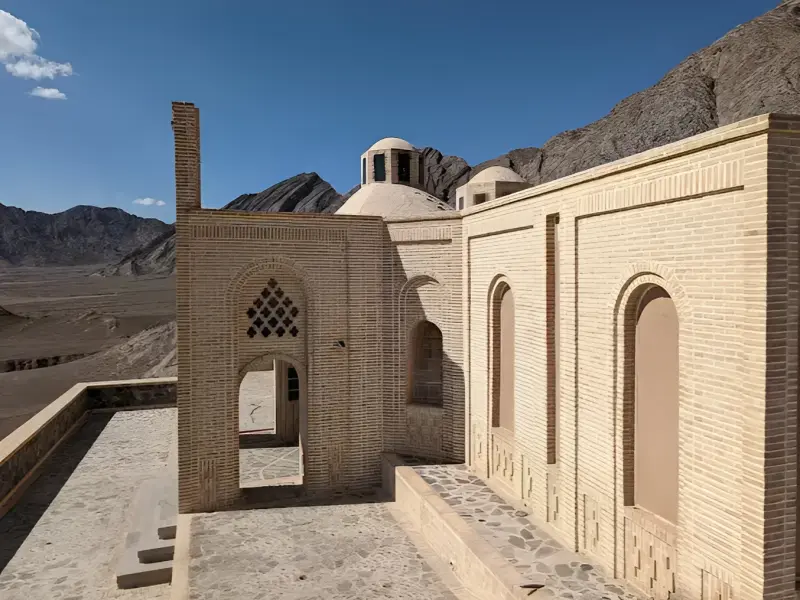
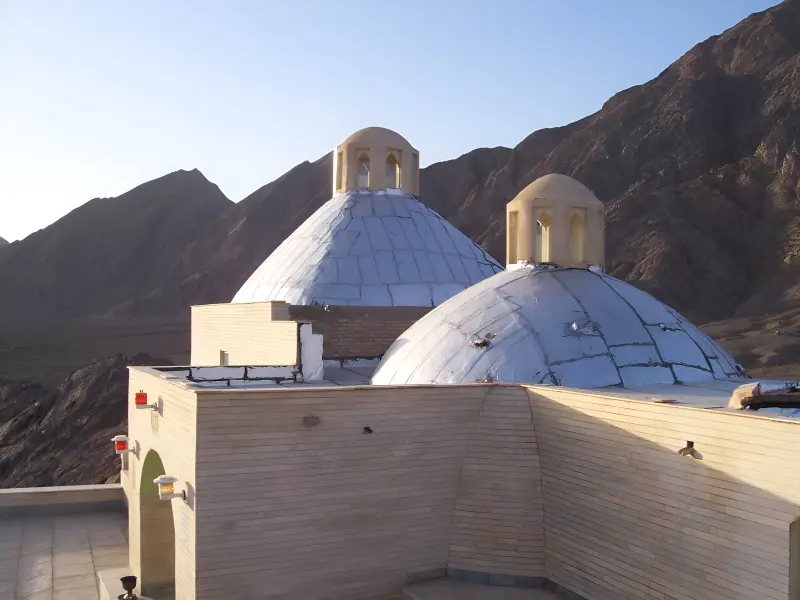
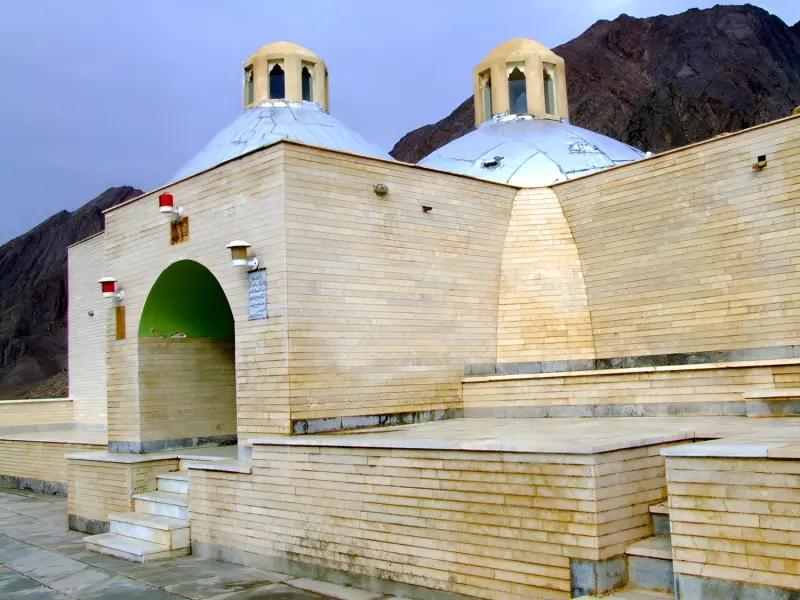
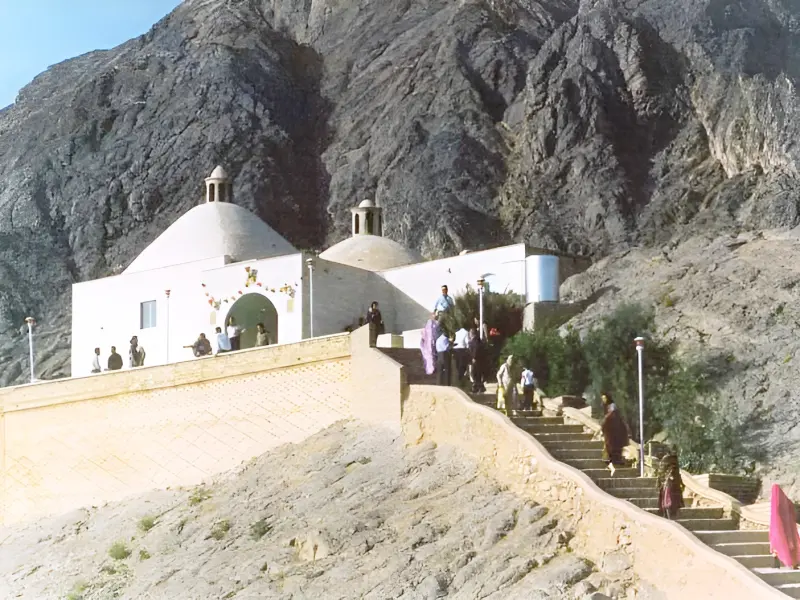
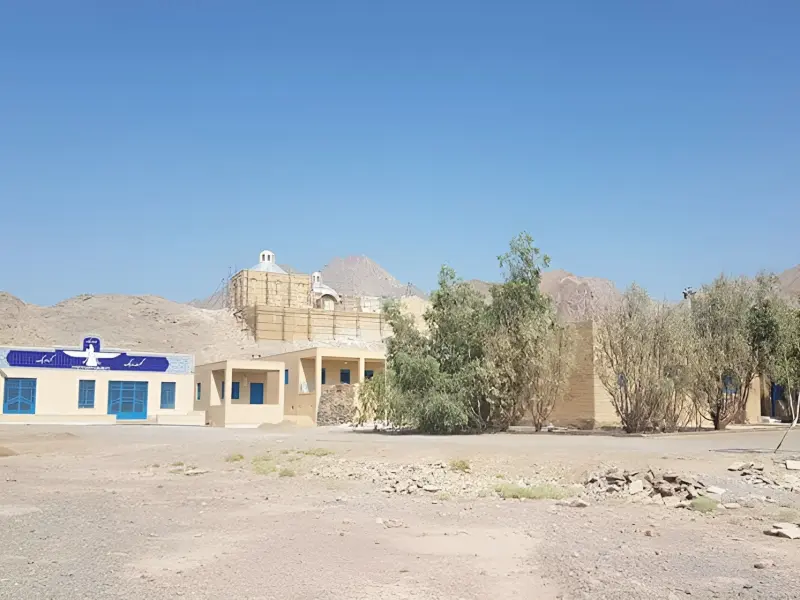
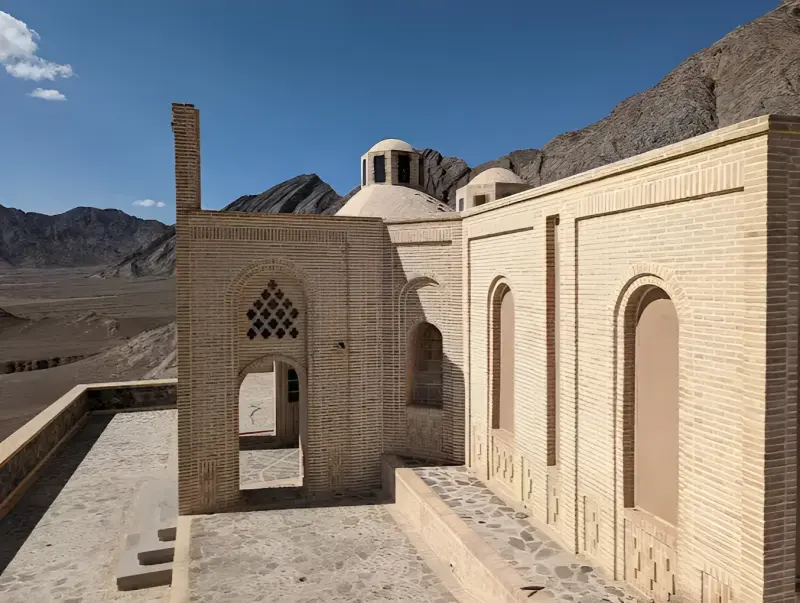
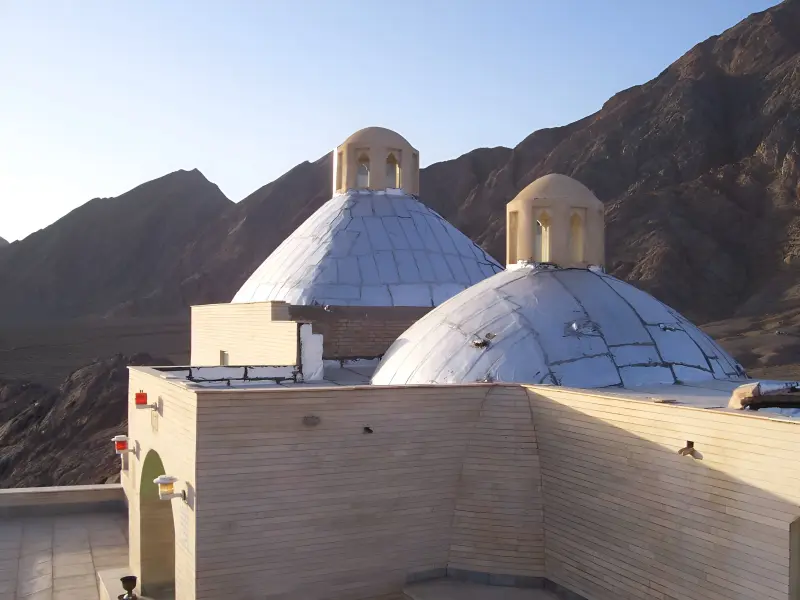
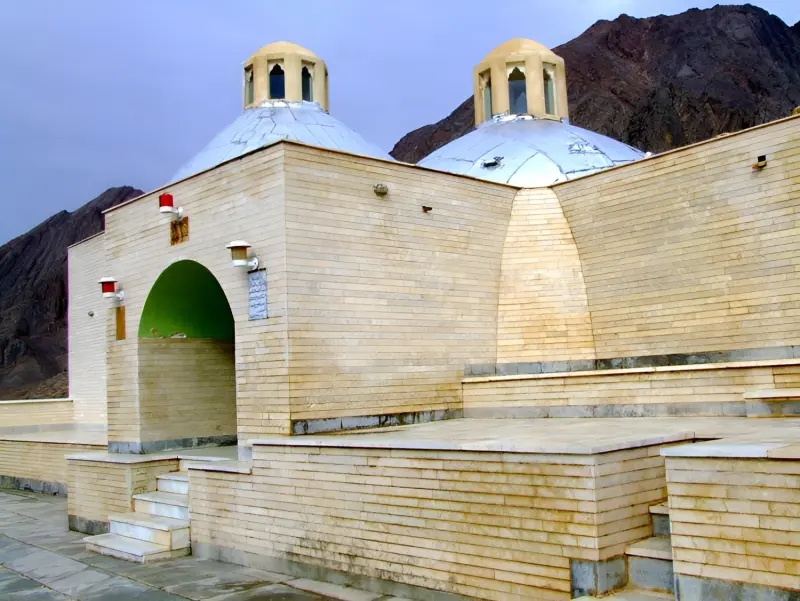
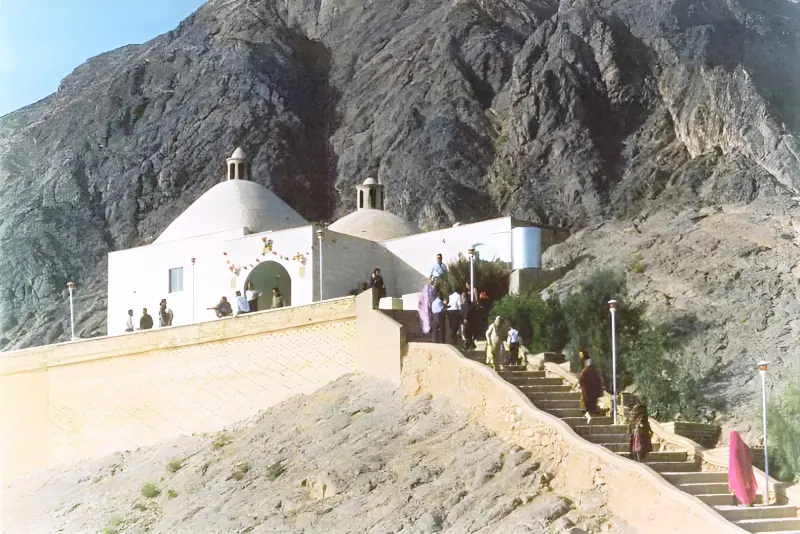

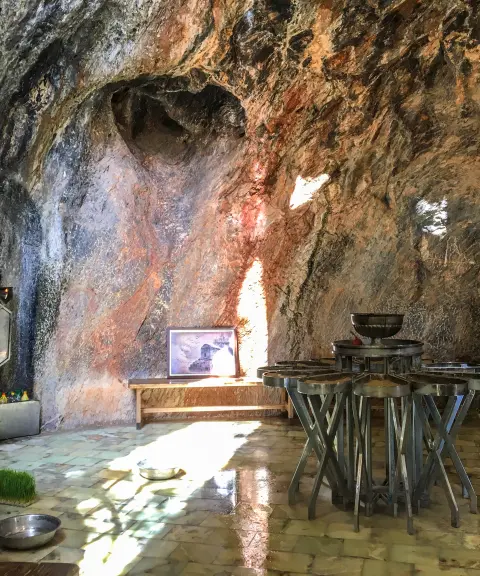
The Pir-e Harisht Shrine is one of the most important and best-known places of worship for Iran's Zoroastrians. It is located in Yazd Province, in Ardakan County, about 15 kilometres east of the city of Ardakan, along the Choopanan Road. The shrine is built on the slopes of low mountains amid dry, desert landscapes, and has long held a special place in Zoroastrian religion and culture. According to Zoroastrian belief, this is the place where "Morvarid Banu" or "Gohar Banu", one of the attendants of the daughter of Yazdegerd III, the Sasanian king, vanished. While fleeing her pursuing enemies she took refuge here and disappeared as she prayed. For this reason, Pir-e Harisht has become one of the holiest Zoroastrian shrines, and every year many pilgrims from Iran and other countries travel here to make a pilgrimage and hold religious ceremonies.
To reach the main building of the shrine, you must climb the stairway built on the mountainside. The interior includes a domed room where the sacred fire is kept burning, with platforms around it where pilgrims can rest and pray. In another part of the building is a room that Zoroastrians regard as the place where Gohar Banu vanished, and three flames are always kept alight beside it. Plasterwork decorations and motifs of sixteen-petalled flowers and lotuses lend the spiritual atmosphere of the building a special quality. At the foot of the mountain, buildings known as "Khileh" have been built for pilgrims to stay and rest. One of the most important ceremonies held at this shrine is the Hiromba festival, which the Zoroastrians of Sharifabad hold every year in late Farvardin, with the gathering of firewood, the lighting of fires, prayers, traditional music and religious rituals. Zoroastrian religious and traditional ceremonies are also held here from the 7th to the 11th of Farvardin.
To visit the Pir-e Harisht Shrine, first make your way to the city of Ardakan, then follow the Choopanan Road for about 15 kilometres to the shrine. The final section of the route ends in a stone stairway leading to the entrance of the sanctuary. The best time to visit is autumn, winter and early spring, when the weather in the region is milder and a visit is more comfortable. Those interested in Zoroastrian rituals can also visit on the days when religious ceremonies are held, enjoying the spiritual and cultural atmosphere of the shrine while following the rules and respecting the religious beliefs of the Zoroastrians. Wearing suitable clothing, keeping quiet, not damaging the building and keeping the site clean are among the most important principles of nature tourism and responsible travel at this valuable site.
Written by زهرا لنگری Last updated
What you can do here, and what it takes
پلکان و مسیر منتهی به زیارتگاه فرصت مناسبی برای پیادهروی کوتاه در دامنه کوه فراهم میکند.
Province Yazd
Province Yazd
Province Yazd
Province Yazd
Province Yazd
Province Yazd
Province Yazd


Unfortunately, no comments have been registered.