
 Attractions
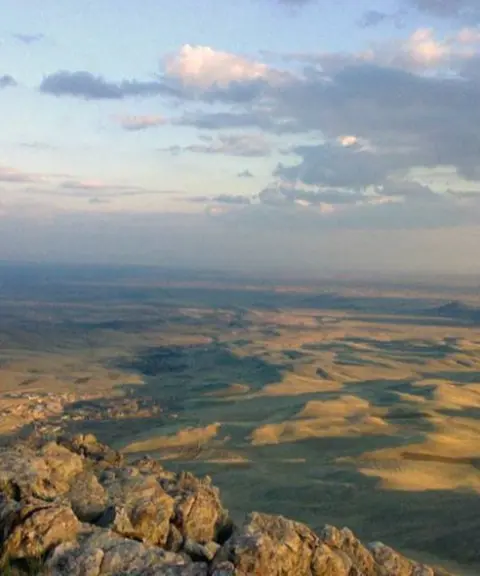

Bashgol Protected Area
Province Qazvin
- Walking
- Mountaineering
A thousand-year-old masterpiece of Islamic architecture on the Abhar Plain
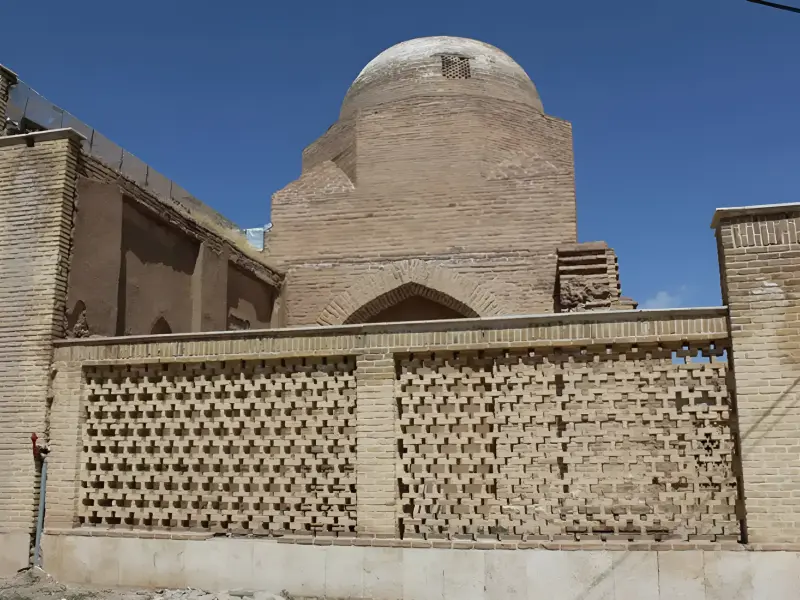
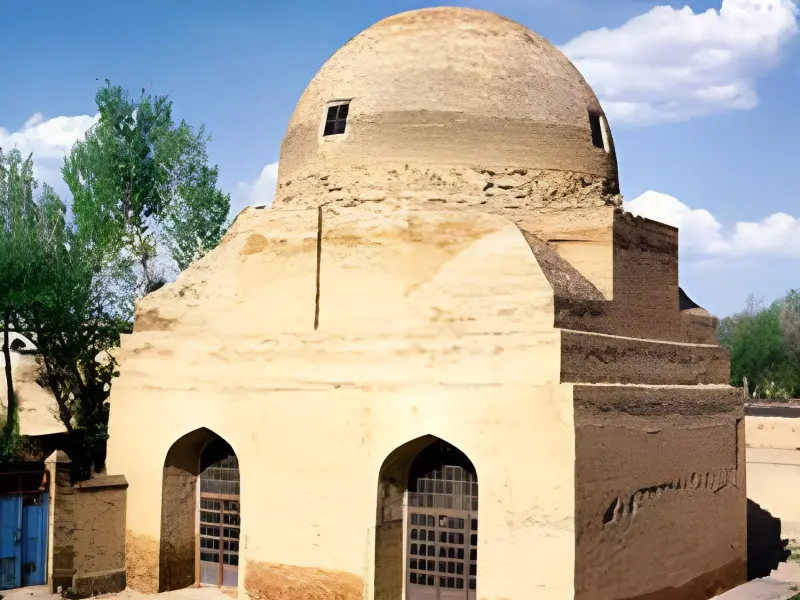
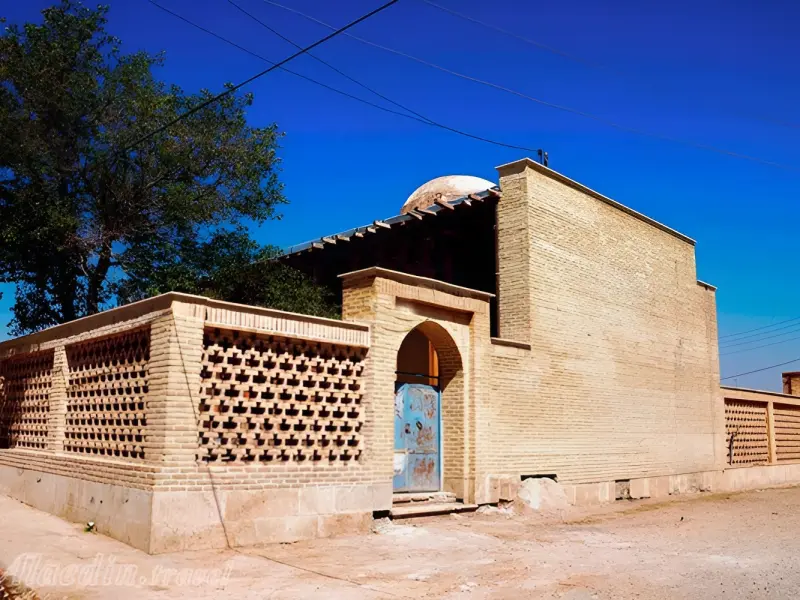
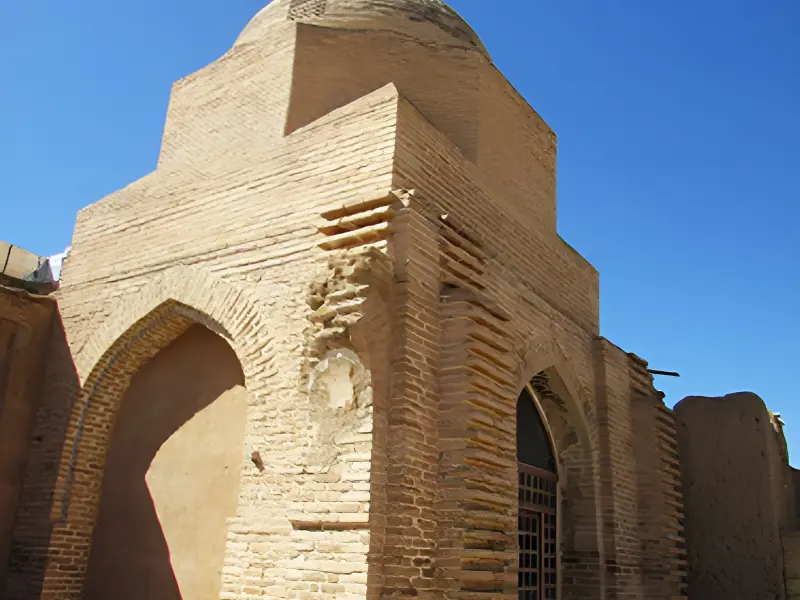
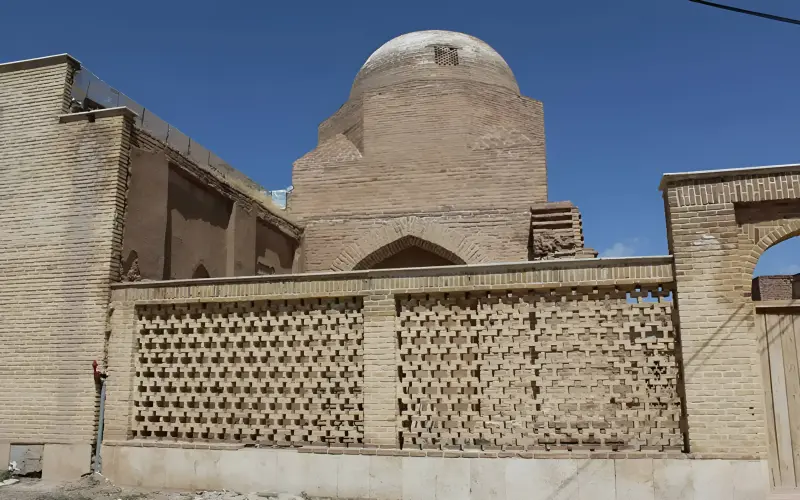
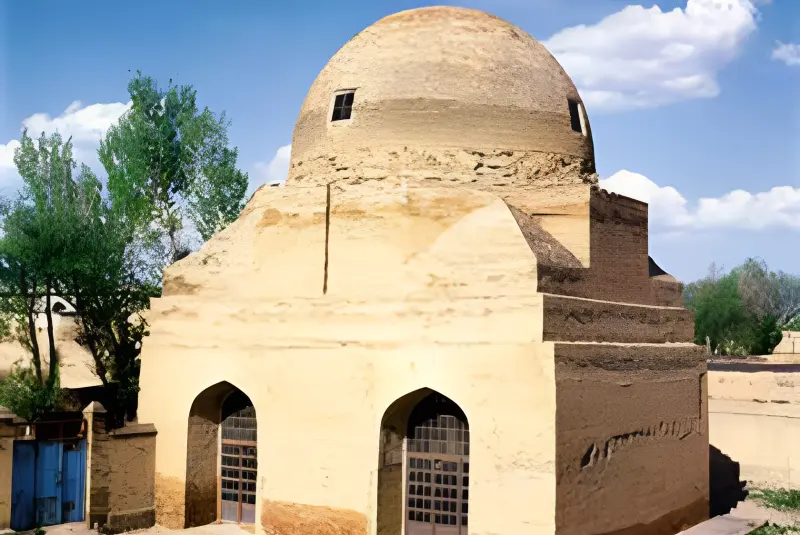
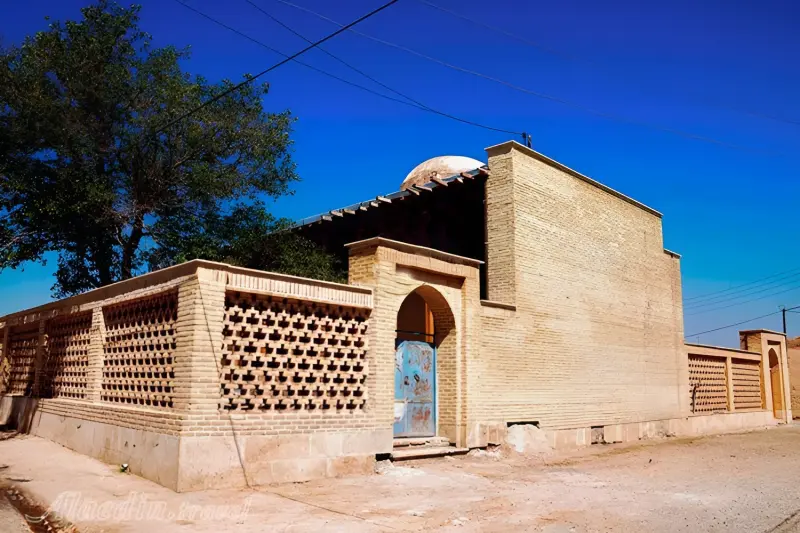
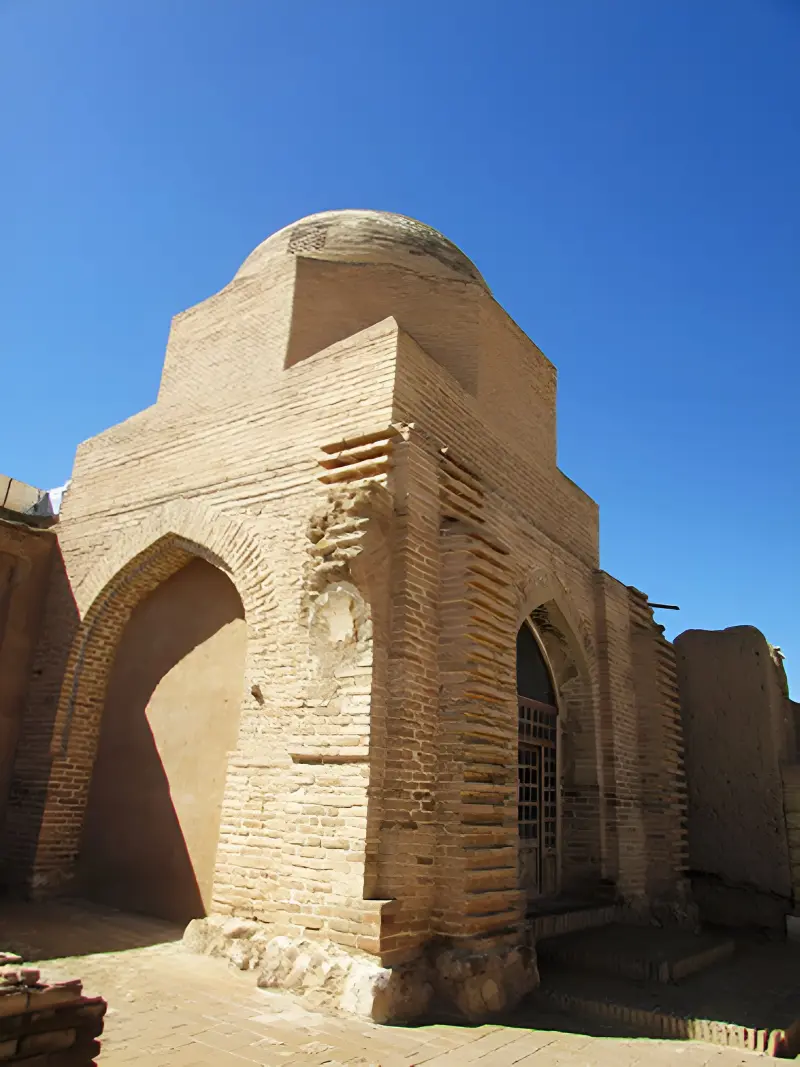
The Jame Mosque of Ghorveh is one of the most valuable historical and religious monuments in Zanjan Province. It stands in the village of Ghorveh, about 15 kilometres from the Abhar–Takestan transit road and close to the city of Abhar. Also known as the Friday Mosque of Ghorveh, it is regarded as one of the most outstanding architectural relics of the early Islamic centuries in the region. According to historical evidence, the present building was constructed in 413 AH (lunar Hijri), making it one of the oldest mosques in Zanjan Province. This precious monument was registered on Iran's National Heritage List on 5 Esfand 1341 (Solar Hijri) under number 433, and thanks to its age, unique architecture and artistic decoration it holds a special place among the historical monuments of northwestern Iran.
The architecture of the Jame Mosque of Ghorveh is a distinctive example of Seljuk-era art and architecture. The main space of the building consists of a central domed chamber and two prayer halls (shabestans) on the east and west sides, and its beautiful dome rests on four squinch-supported piers (pillars). With its skilful brickwork, fine stucco carving, geometric patterns and historical inscriptions, the mosque has become one of the masterpieces of Islamic architecture. Two important inscriptions in the building record its construction in 413 AH and its restoration in 575 AH. The stucco inscriptions in Thuluth and Naskh calligraphy, together with floral motifs and interlaced medallions, give the interior of the mosque an almost unparalleled splendour. Research indicates that the mosque was built using older building materials and has undergone several stages of restoration and reconstruction over the centuries.
To visit the Jame Mosque of Ghorveh, head from the city of Abhar toward the historic village of Ghorveh. The monument is easily reached via the Abhar–Takestan road, and it can be visited on any day of the year. Spring and autumn, with their pleasant weather in the region, are the best times to visit this historical site. While inside the mosque, visitors should avoid touching or damaging the decorations, inscriptions and historical parts of the building, and by observing the principles of cultural heritage protection, help preserve this valuable thousand-year-old relic.
Written by زهرا لنگری Last updated
What you can do here, and what it takes
کفش پیادهروی به همراه داشته باشید..
Province Qazvin
Province Zanjan
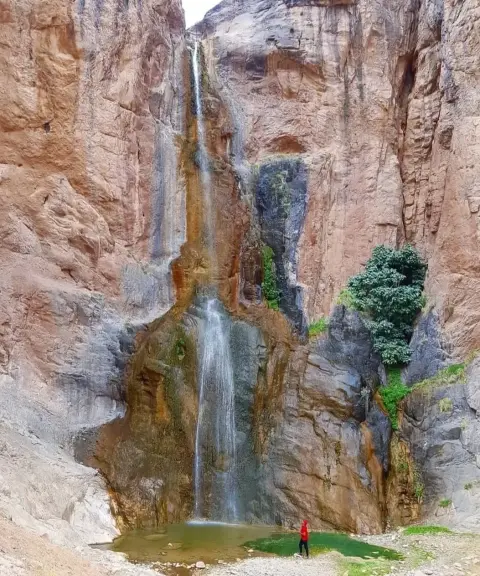
Province Qazvin
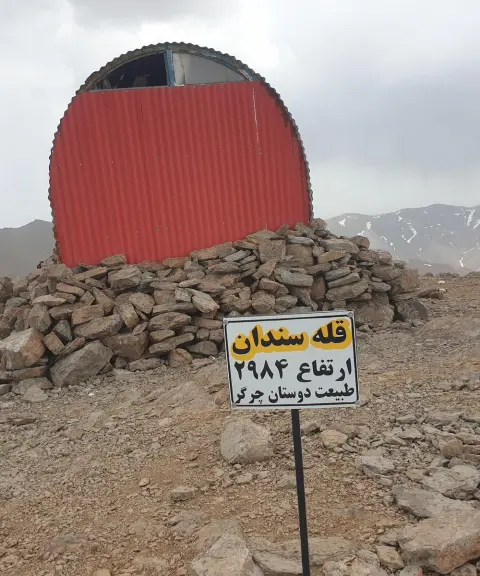
Province Zanjan


Unfortunately, no comments have been registered.