
 Attractions
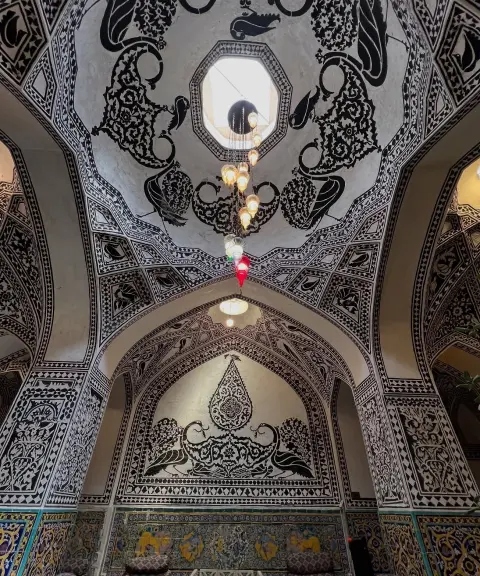
Khan Bath
Province Kurdistan
- Walking
A Historic Masterpiece over the Gheshlagh River
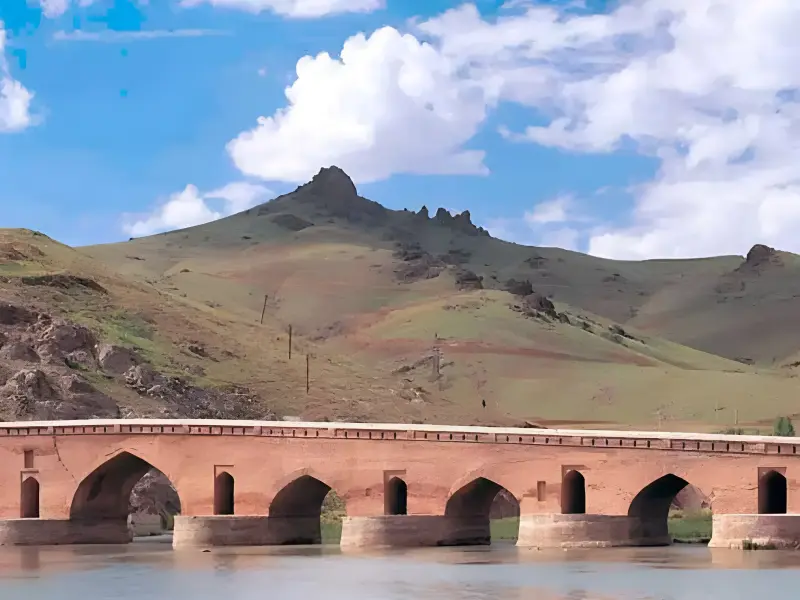
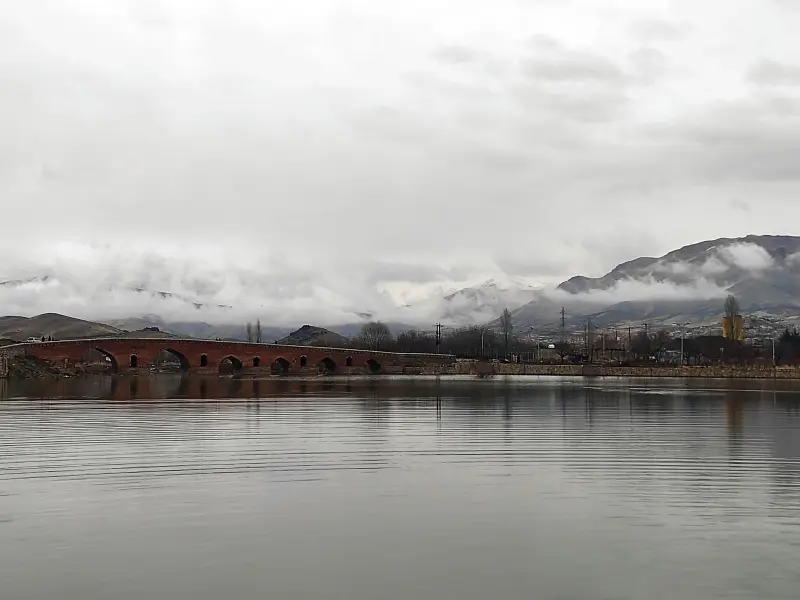
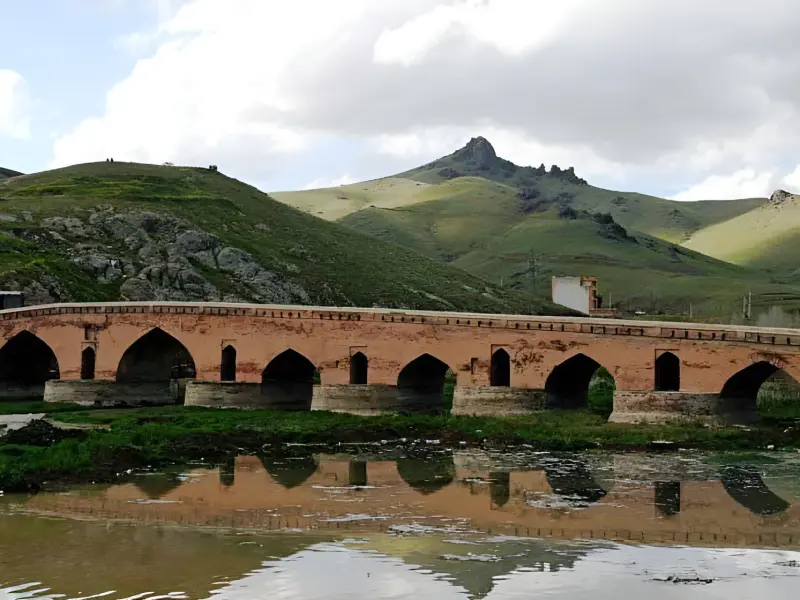
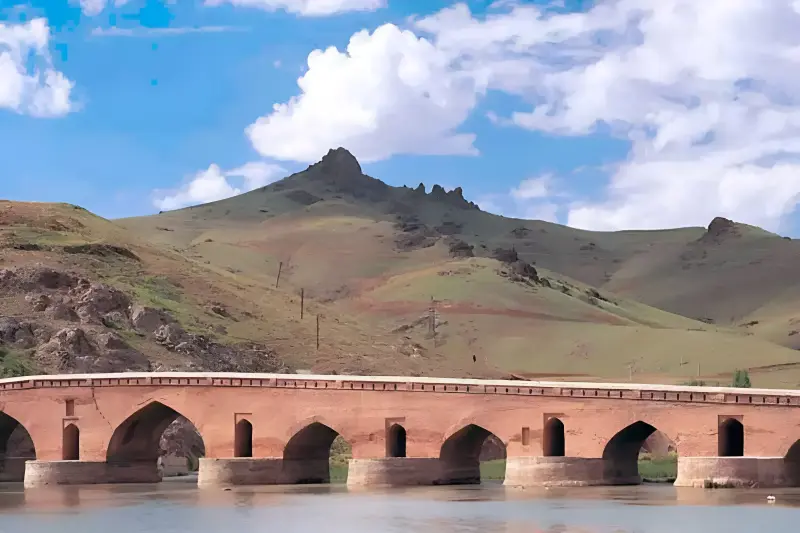
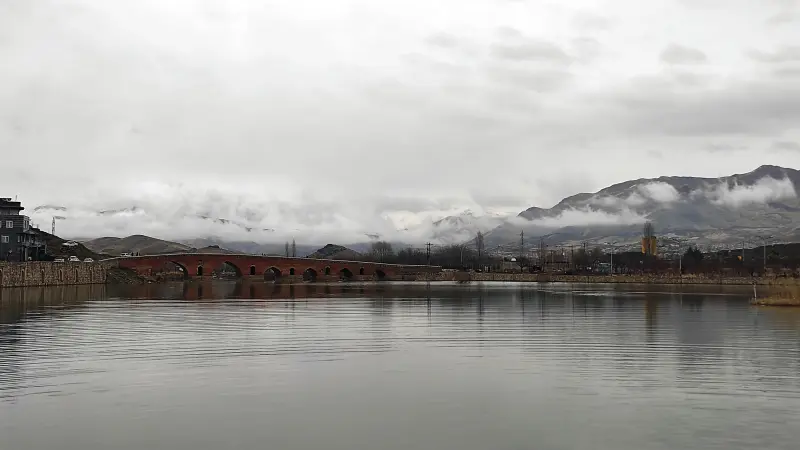
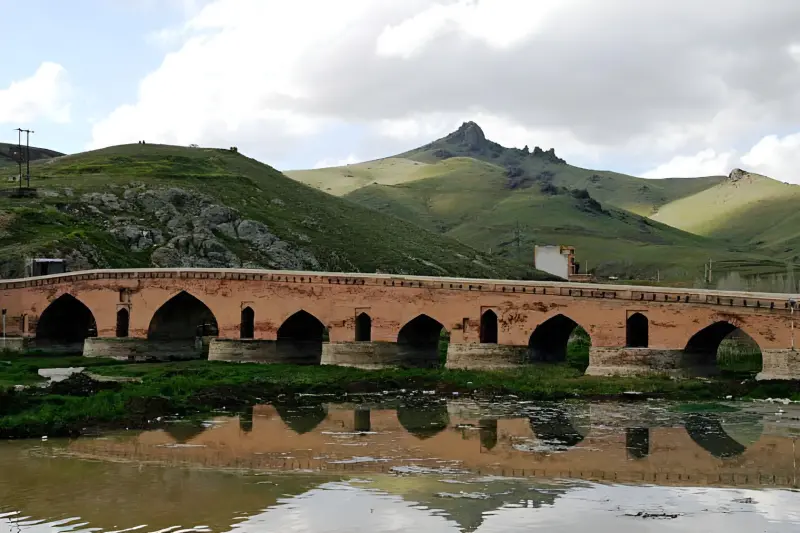
The historic Gheshlagh Bridge, also known as the "Thirty-Three Bridges of Kurdistan" (Si-o-Seh Pol of Kurdistan), stands on the Gheshlagh River in the east of Sanandaj, in Kurdistan Province, and is considered one of the city's most important historical monuments. The bridge lies on the historic route from Sanandaj to Hamadan, and its construction dates back to the Safavid era, specifically to 1046 AH (lunar Hijri), during the reign of Shah Safi. Gheshlagh Bridge was built on the orders of Soleiman Khan Ardalan and was repeatedly repaired and rebuilt in later periods, especially during the Zand and Qajar eras. Its location on the edge of the city, over a perennial river, gives this historic structure special natural significance in addition to its architectural value.
Architecturally, Gheshlagh Bridge is a valuable example of Safavid-era bridge engineering, designed with a regular, linear structure. The bridge is about 78 metres long and 3 metres wide, with 6 spans covered by pointed arches; the spans gradually widen from east to west. At its highest point the bridge rises about 6.4 metres above the riverbed, and its sturdy stone piers are reinforced with triangular cutwaters. The use of materials such as stone and brick, together with the paved stone floor and side parapets, reflects the great precision of the engineers of that period in designing civil structures. Throughout history, besides serving as a link between places, the bridge has also been recognised as one of the key symbols of Sanandaj's urban identity.
Reaching the historic Gheshlagh Bridge from the centre of Sanandaj is very easy, as it lies along the roads leading to the east of the city. The bridge can be visited in every season, but spring and early autumn are considered the best times to go because of the pleasant weather and the beautiful flow of the river. Visitors usually stop around the bridge to photograph the natural scenery of the river and the historic atmosphere of the area. When visiting this historic monument, it is very important to follow the principles of responsible nature tourism, such as not leaving litter, avoiding damage to the historic structure and preserving the peace of the surroundings, so that this valuable heritage is preserved for future generations.
Written by زهرا لنگری Last updated
What you can do here, and what it takes
مسیرهای حاشیه رودخانه و اطراف پل برای پیادهروی سبک و گردش آرام در فضای تاریخی و طبیعی مناسب است.
Province Kurdistan
Province Kurdistan
Province Kurdistan
Province Kurdistan
Province Kurdistan
Province Kurdistan
Province Kurdistan
Province Kurdistan
Unfortunately, no comments have been registered.