
 Attractions
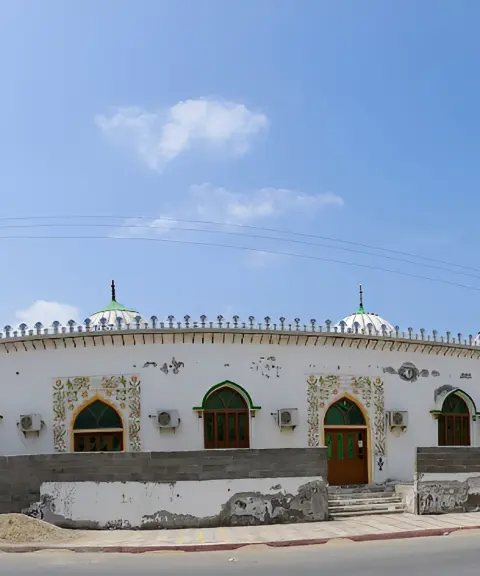
Tis Jame Mosque
Province Sistan and Baluchestan
- Walking
A mysterious graveyard among the ancient rocks of Chabahar
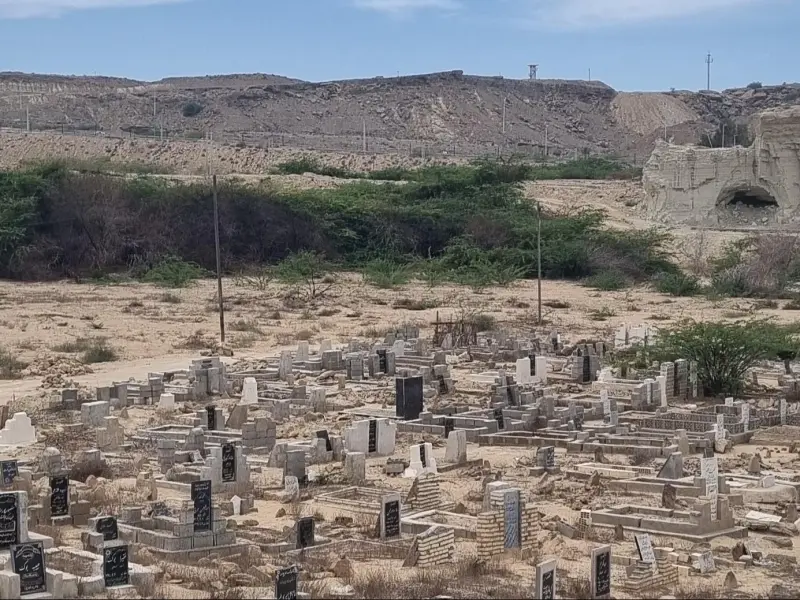
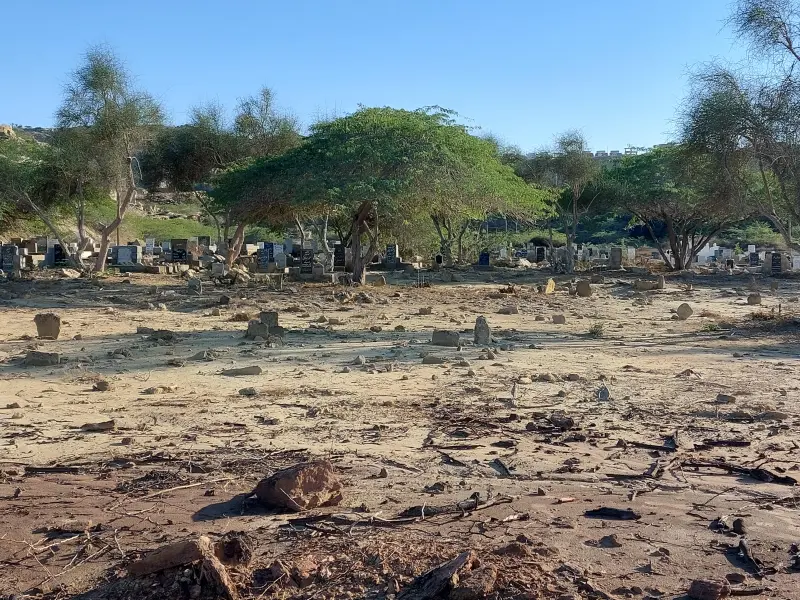
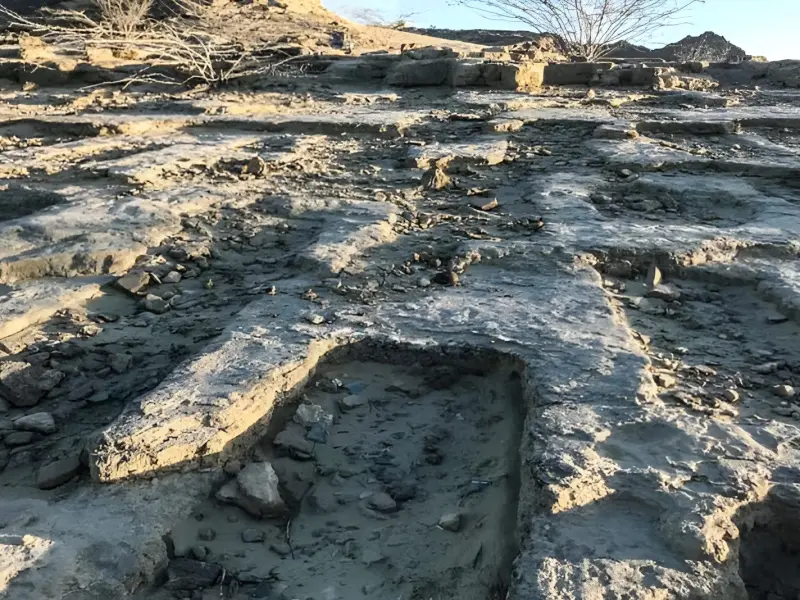
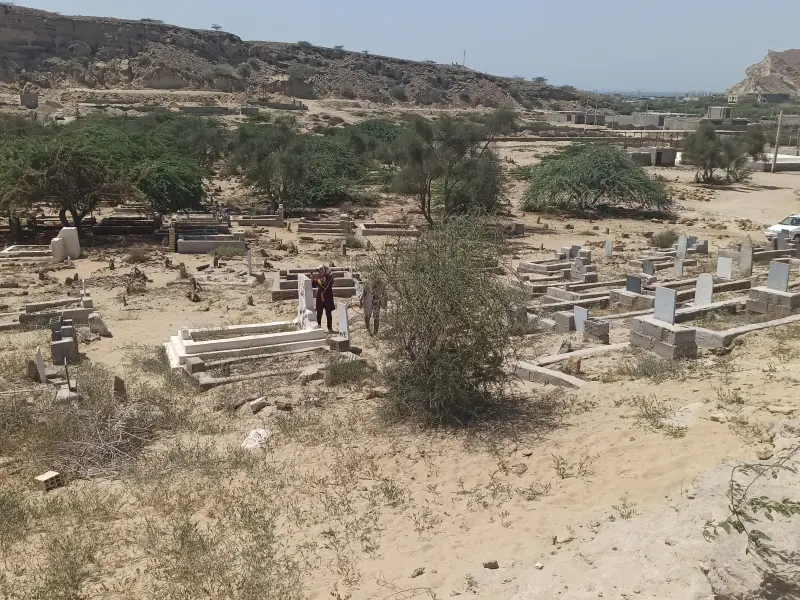
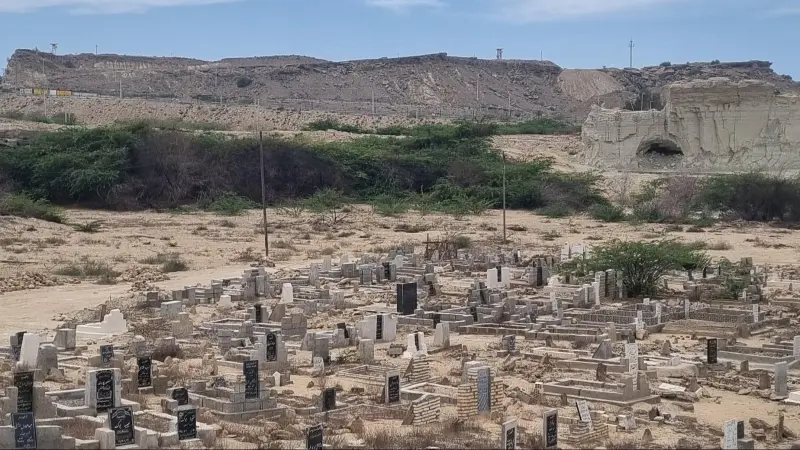
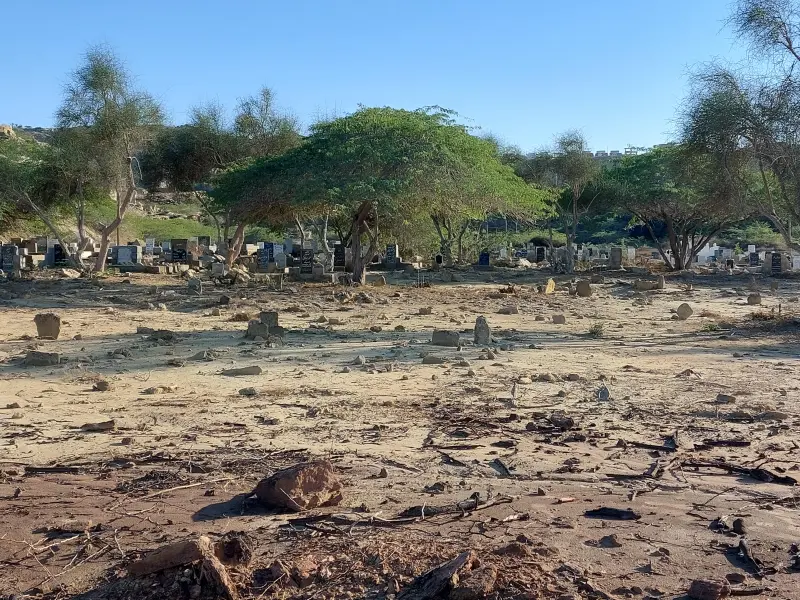
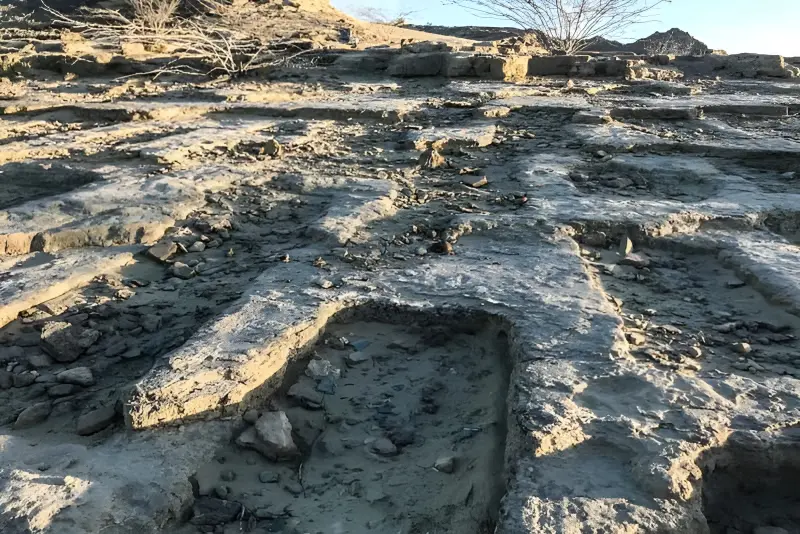
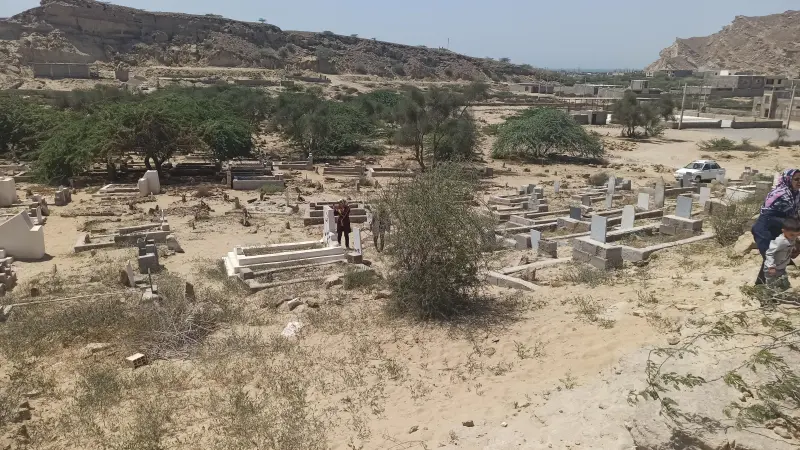
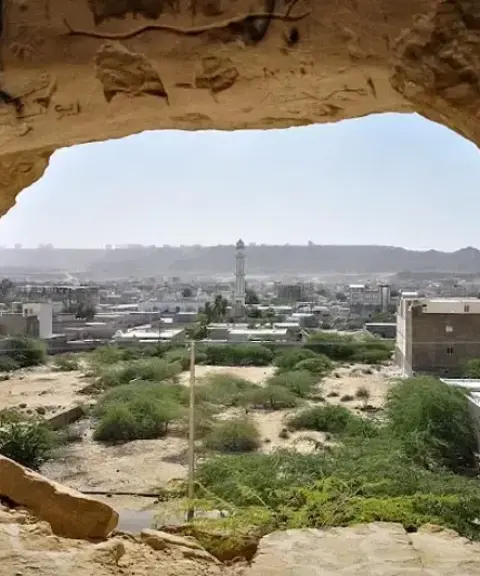
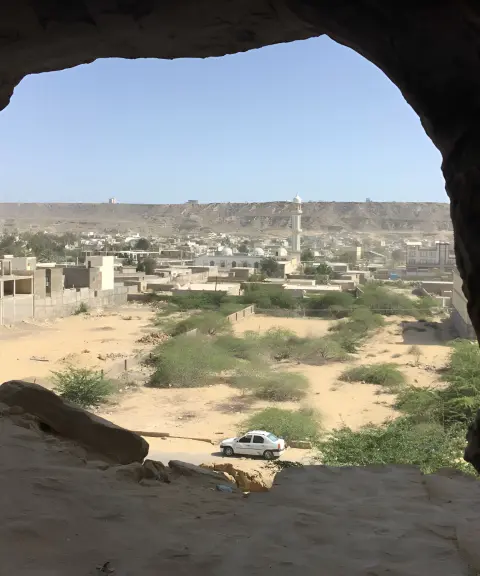
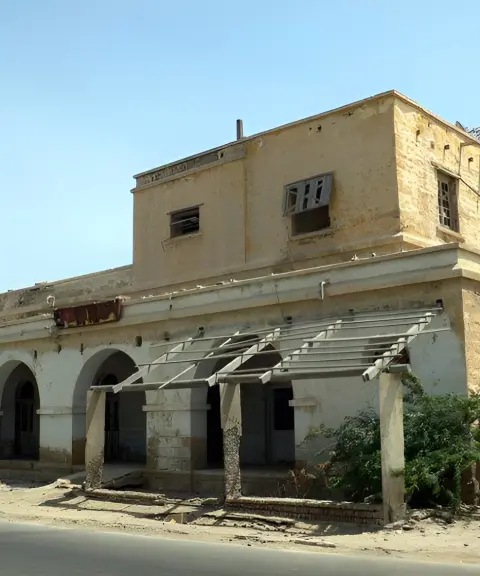
The Cemetery of the Jinn in Tis is one of the most mysterious and best-known tourist attractions in Sistan and Baluchestan Province and one of the sights around the city of Chabahar. It lies close to the historic village of Tis, a short distance from the village. The graveyard has formed on a rocky slope at the foot of Pilband Mountain. The neighbouring village of Tis dates back about 2,500 years to ancient Iran. Its location near one of the oldest settlements in southeastern Iran gives the site special importance, not only for its natural setting but also for its history. Tis was once an important port in the Makran region and appears in historical texts under names such as «Tiz».
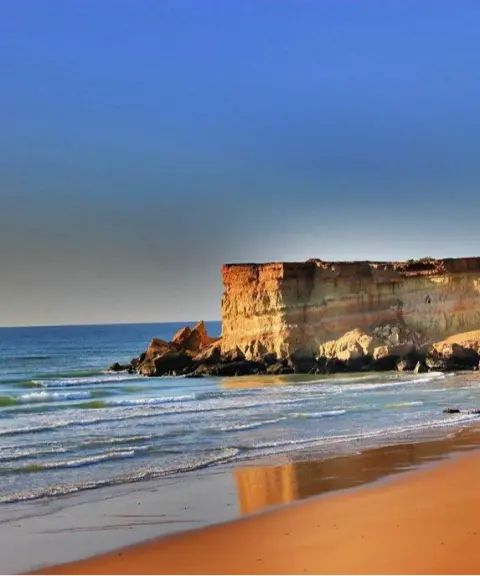
The graveyard consists of two parts: one used for burying the villagers, and another known among the locals as the «Cemetery of the Jinn». In terms of its appeal to visitors and its physical structure, the Cemetery of the Jinn has an unusual and distinctive look because of its large gravestones carved into the stone and rock, which sets it apart from ordinary cemeteries. These tombs, built in various sizes and sometimes very large, have been affected by natural erosion over time, but their overall structure is still visible. These features, together with local beliefs and stories, have given rise to legends that attribute the place to supernatural beings. Alongside this mysterious atmosphere, the mountainous natural scenery and the proximity of the other historic sights of Tis village have made the area one of Chabahar's major destinations for cultural and adventure tourism.
The site was registered as one of Iran's national heritage monuments in 1386 (2007), and today, besides its historical value, it has become one of Chabahar's most fascinating and intriguing places. The Cemetery of the Jinn is easily reached via Tis village and the Chabahar–Konarak road, and visitors can get there from the centre of Chabahar in a short time. The best time to visit is autumn and winter, when the weather in the region is milder and better suited to sightseeing. Visiting during daylight hours is recommended, and a visit usually takes only a short time. Practising responsible tourism, such as not damaging the historic remains, keeping the surroundings quiet and not leaving litter, is essential for protecting this valuable historical and natural heritage.
Written by زهرا لنگری Last updated
What you can do here, and what it takes
مسیرهای اطراف گورستان و تپههای مشرف به روستای تیس برای پیادهروی سبک مناسب است.
Province Sistan and Baluchestan
Province Sistan and Baluchestan
Province Sistan and Baluchestan
Province Sistan and Baluchestan
Province Sistan and Baluchestan


Unfortunately, no comments have been registered.