
 Attractions
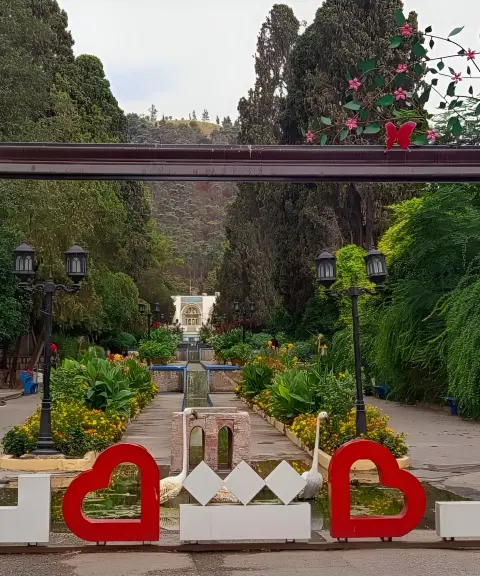
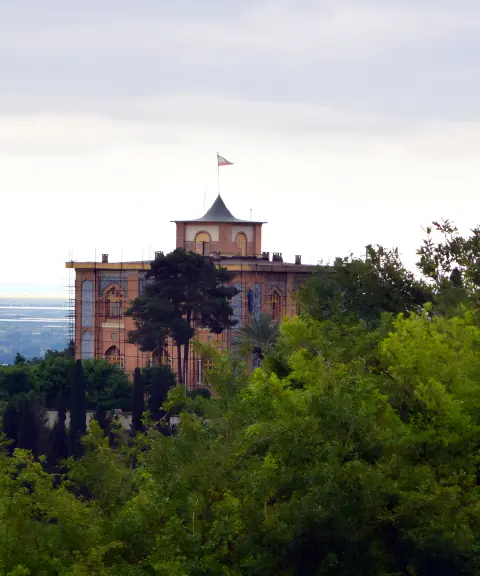
Chehel Sotoun Garden of Ashraf
Province Mazandaran
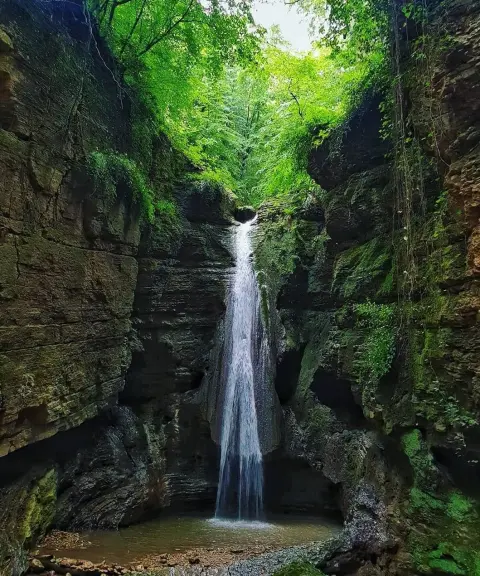
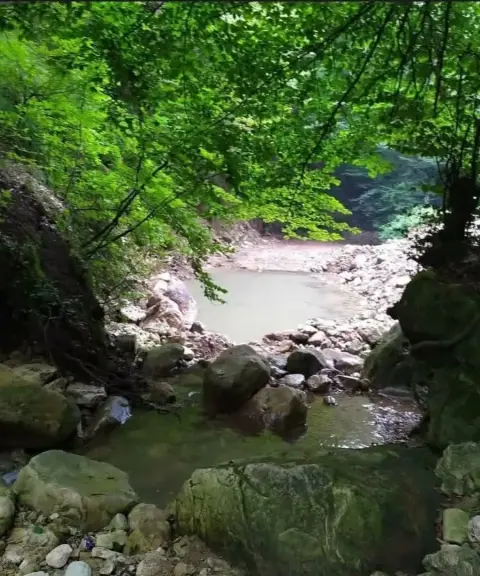
- Swimming
A Masterpiece of Safavid Garden Design in the Heart of Behshahr
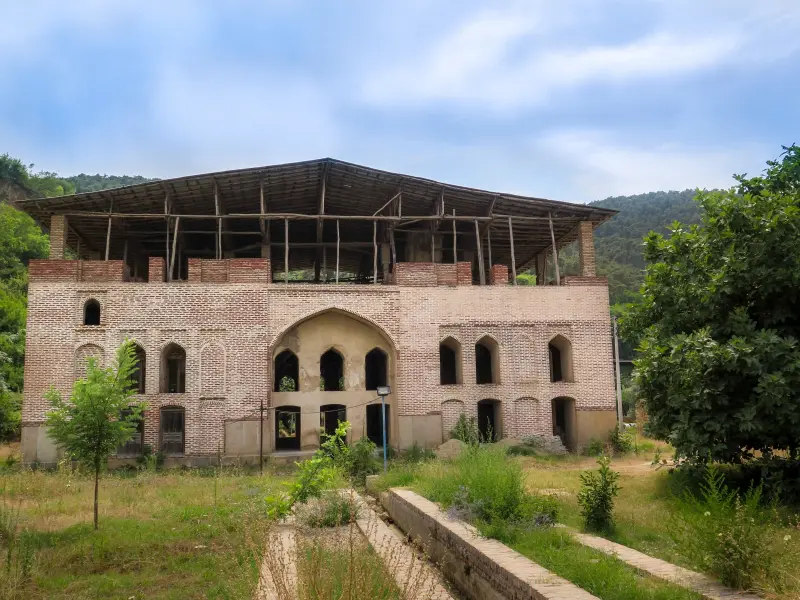
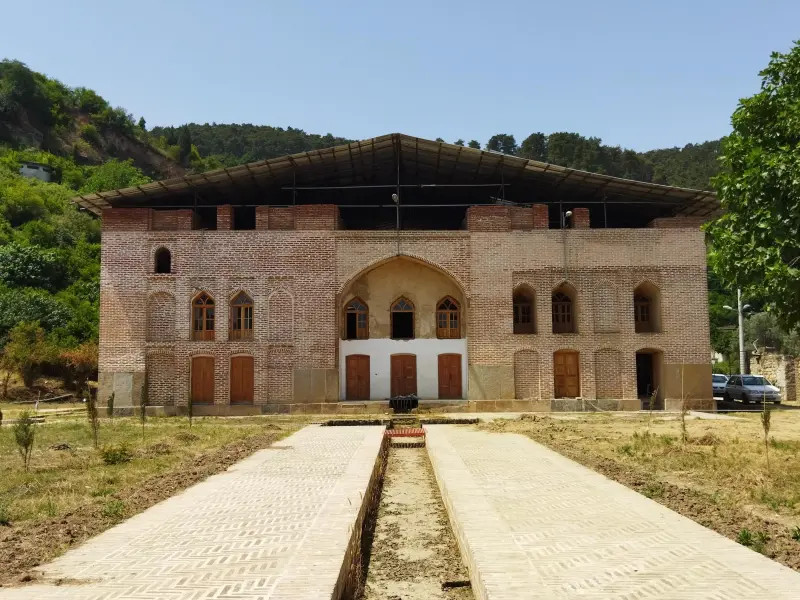
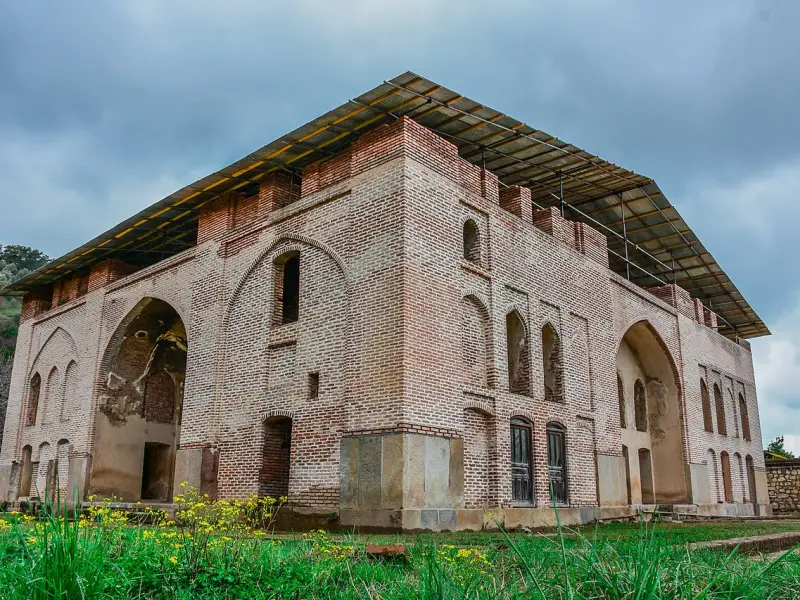
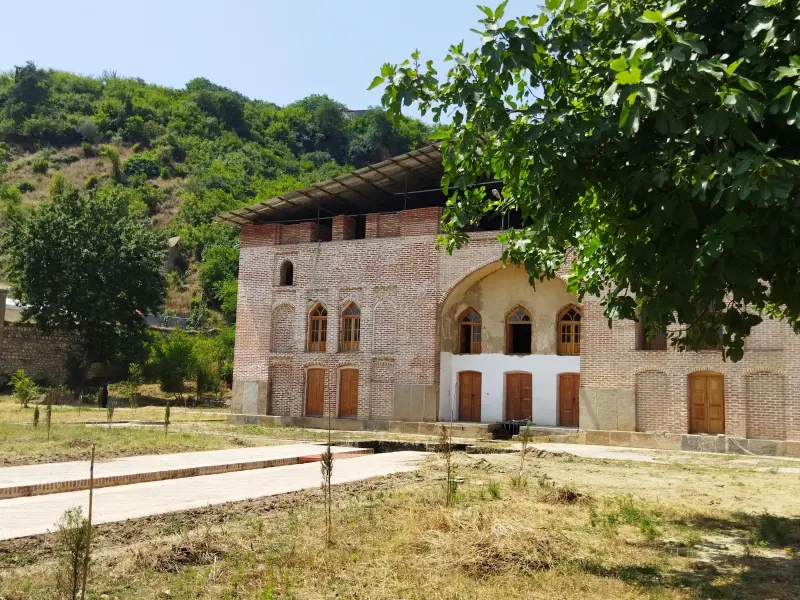
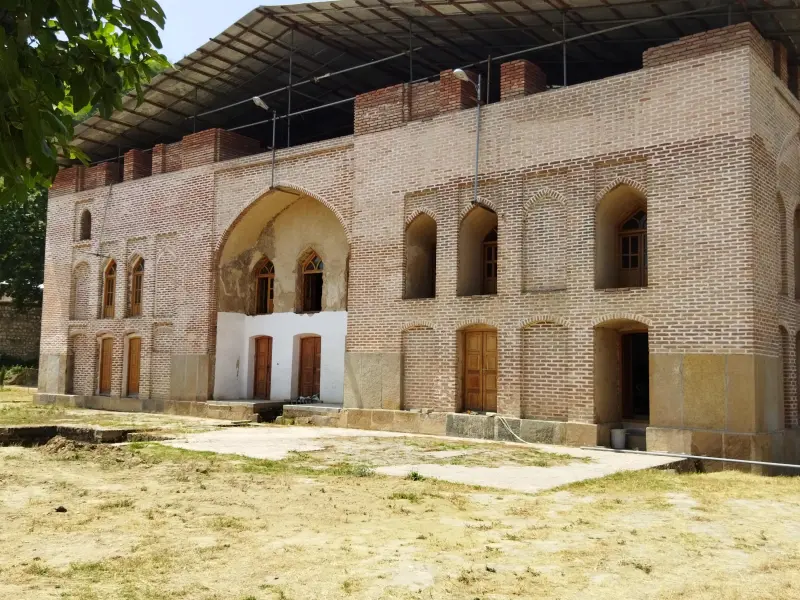
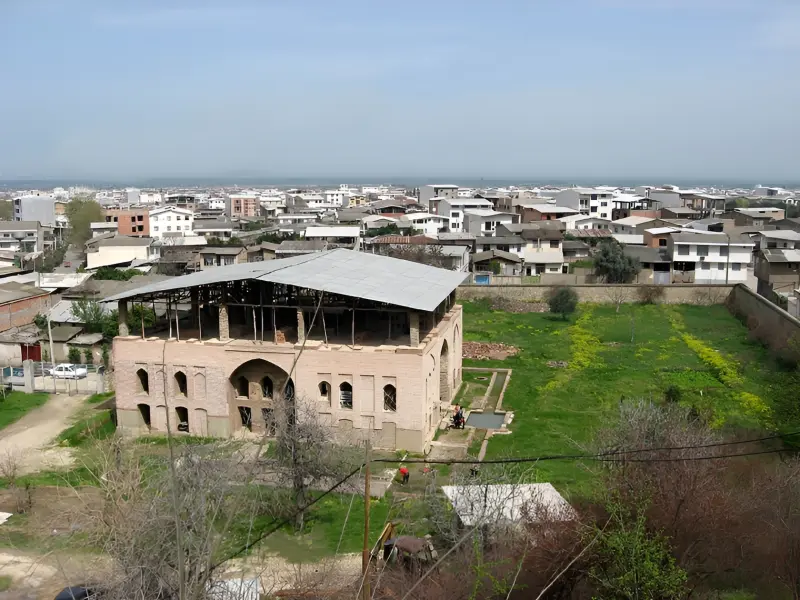
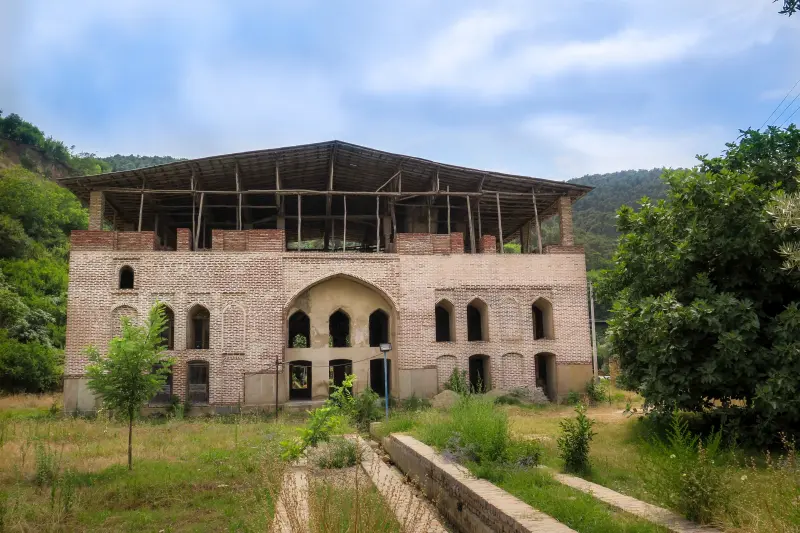
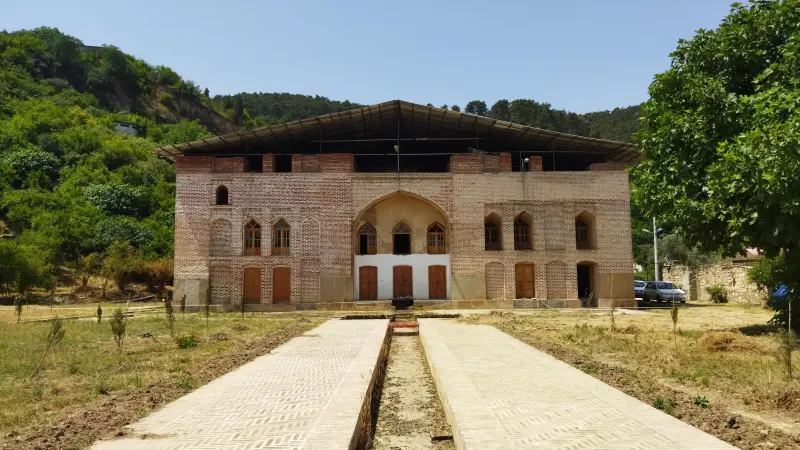
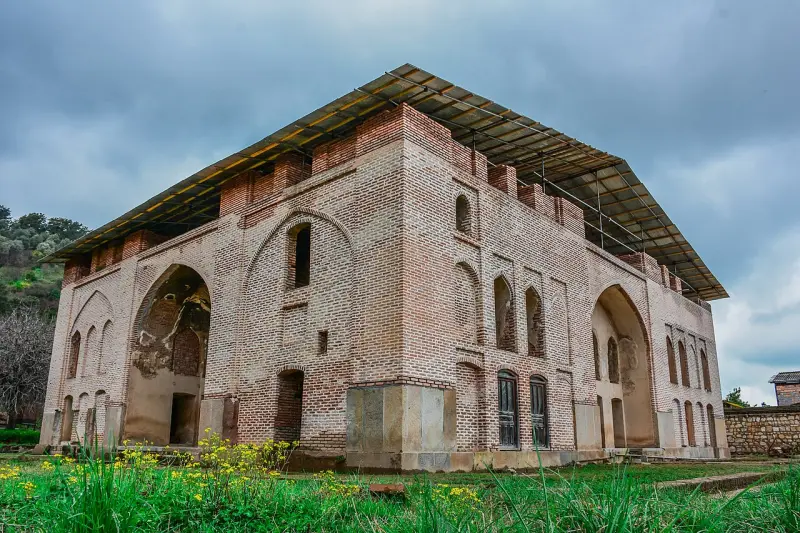
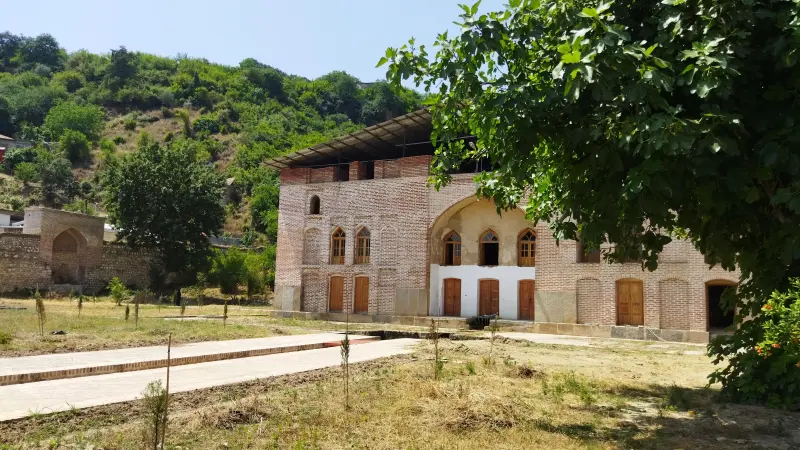
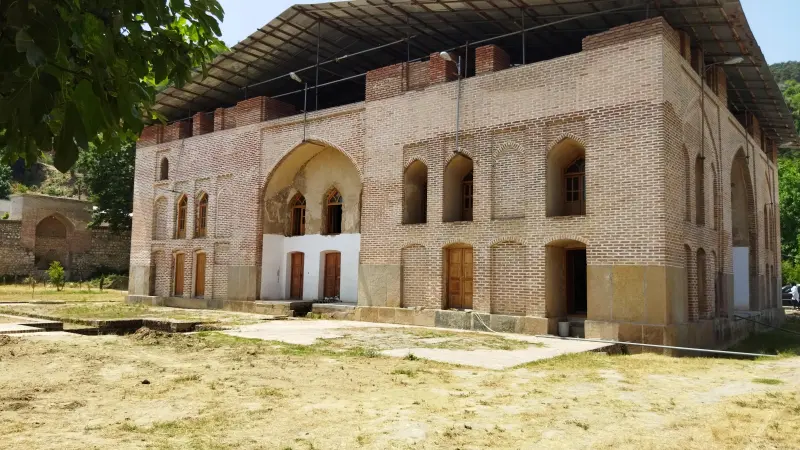
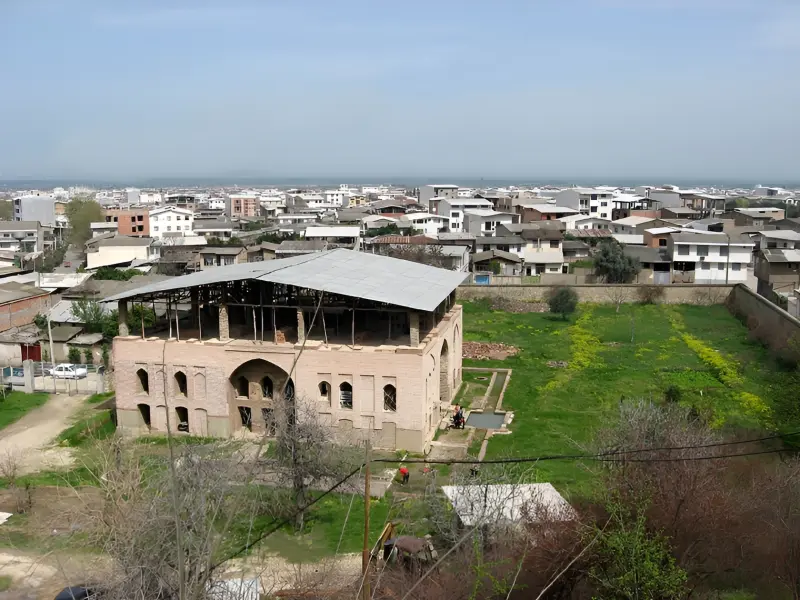
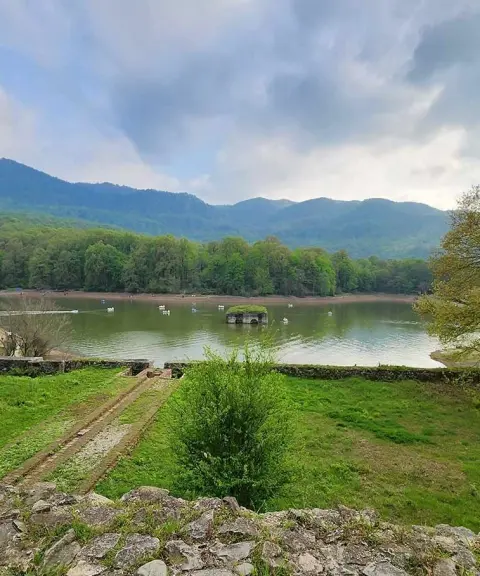
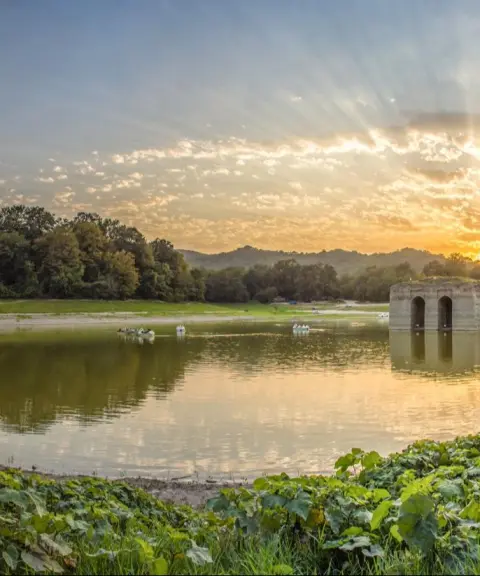
Cheshmeh Emarat is one of the most valuable surviving examples of Safavid-era architecture and garden design in the city of Behshahr, in Mazandaran Province. It stands on Shahid Hasheminejad Boulevard and Pasdaran Street. This historic building was constructed on the orders of Shah Abbas I of the Safavid dynasty as part of the royal gardens and palaces of Ashraf al-Belad, and today it is regarded as one of Behshahr's most important historical attractions. The building takes its name from a natural spring at the centre of its ground floor, whose water wells up from the earth and played the central role in the design of the complex. Cheshmeh Emarat was added to Iran's National Heritage List in 1352 (1973) under registration number 948, and thanks to its unique architecture and water engineering, it holds a special place among the historical monuments of northern Iran.
In the past, this complex was part of a large garden of about 6 hectares, designed according to the geometric principles of the Persian garden. The garden consisted of seven main plots, water channels, pools, and a two-storey building with a cross-shaped plan, located in the south-east of the complex. The most remarkable feature of Cheshmeh Emarat is its astonishing water supply system: the spring water was carried to the upper floor through clay pipes, without any mechanical pump, and after filling the basins it cascaded down like a waterfall to the ground floor and the surrounding pools. This technology, advanced for the Safavid period, reflects the high level of water engineering knowledge of that era. Although much of the garden and the upper floor of the building have been lost over time, the surviving remains still showcase the splendour of Safavid architecture and the art of Persian garden design.
To visit Cheshmeh Emarat, simply make your way to Behshahr and turn from Shahid Hasheminejad Boulevard onto Pasdaran Street. The monument is located next to the Water and Wastewater Department and can be reached by private car or by public transport. A visit to the complex usually takes one to two hours, and spring and autumn, with their mild weather and the greenery of the surroundings, are the best times to go. When visiting this historic site, it is essential to practise responsible tourism, including avoiding damage to the architectural remains, keeping the site clean, and respecting the cultural and historical value of the building, so that this precious heritage is preserved for future generations.
Written by زهرا لنگری Last updated
What you can do here, and what it takes
مسیرهای موجود در محوطه مجموعه شرایط مناسبی برای گشتوگذار و پیادهروی سبک فراهم میکنند.
Province Mazandaran
Province Mazandaran
Province Mazandaran
Province Mazandaran
Province Mazandaran


Unfortunately, no comments have been registered.