
 Historic Castle
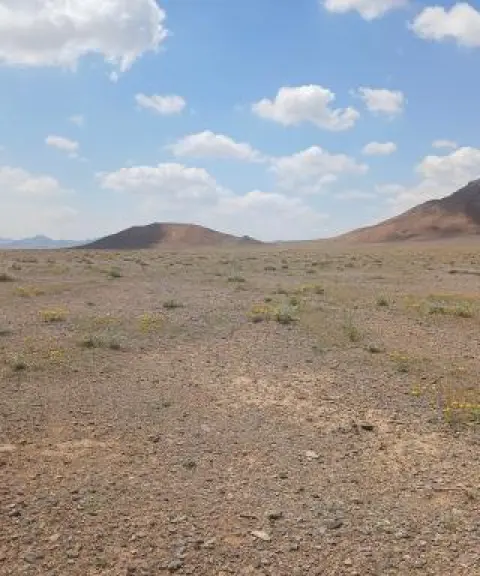

Qamishlu National Park
Province Isfahan
- Walking
A Qajar hunting-lodge relic in the heart of Iran's wildlife
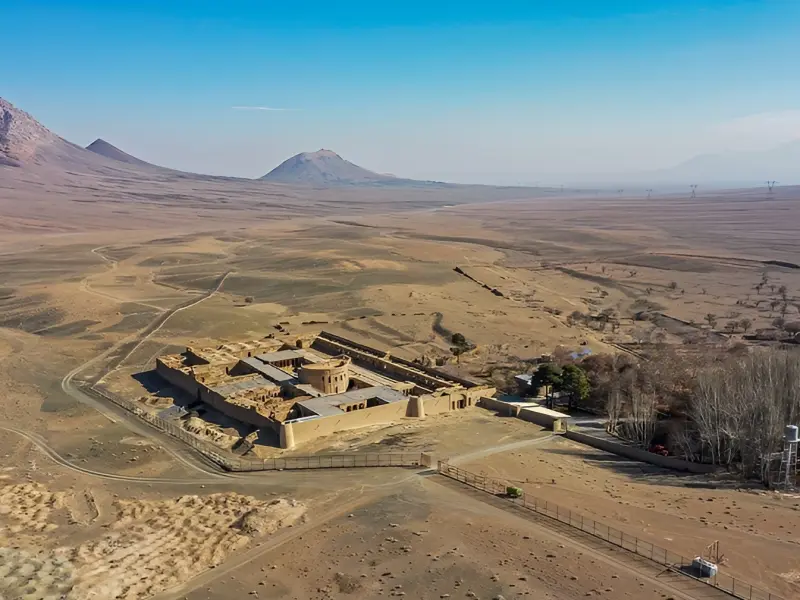
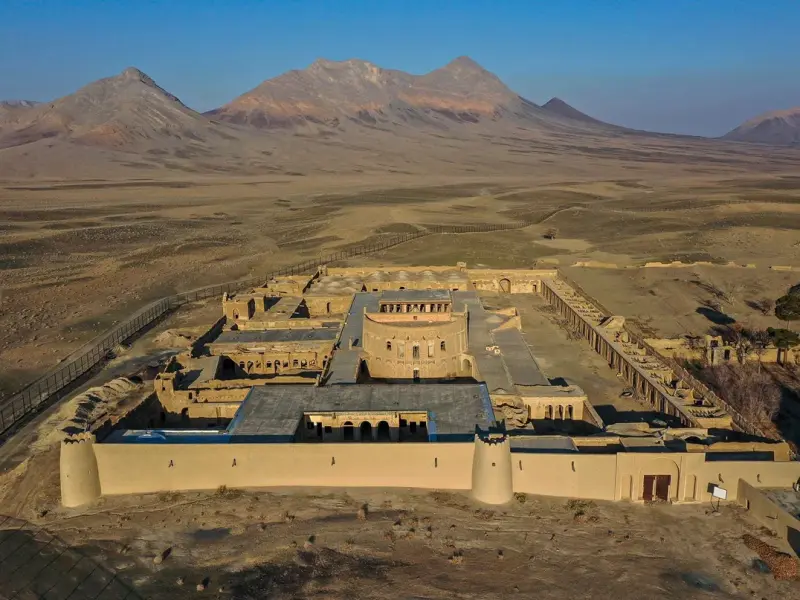
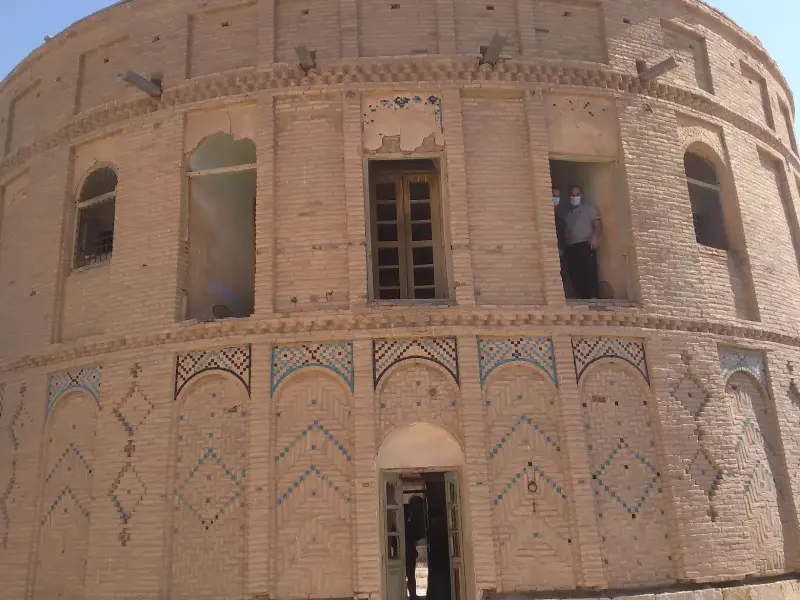
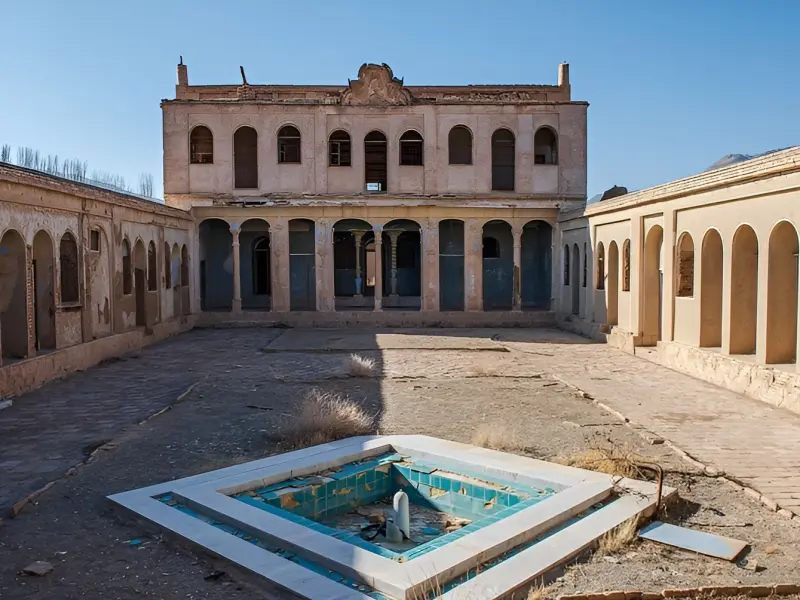
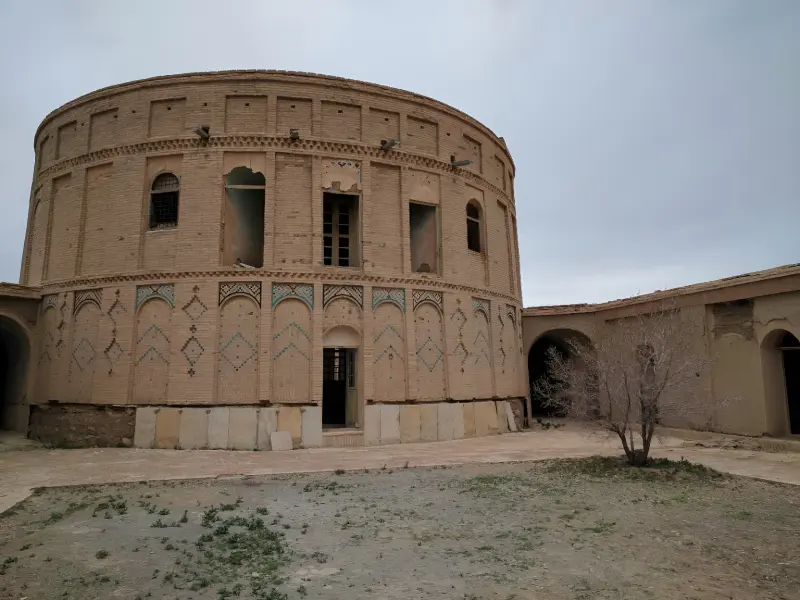
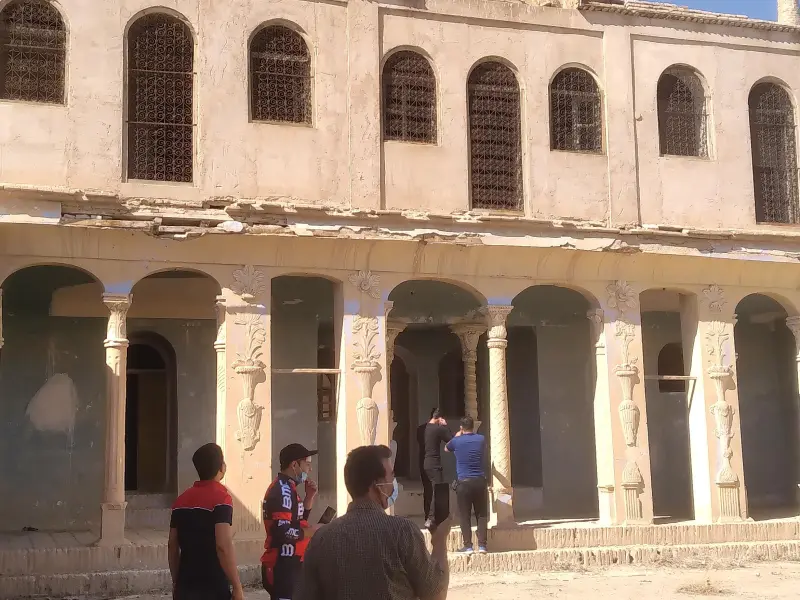
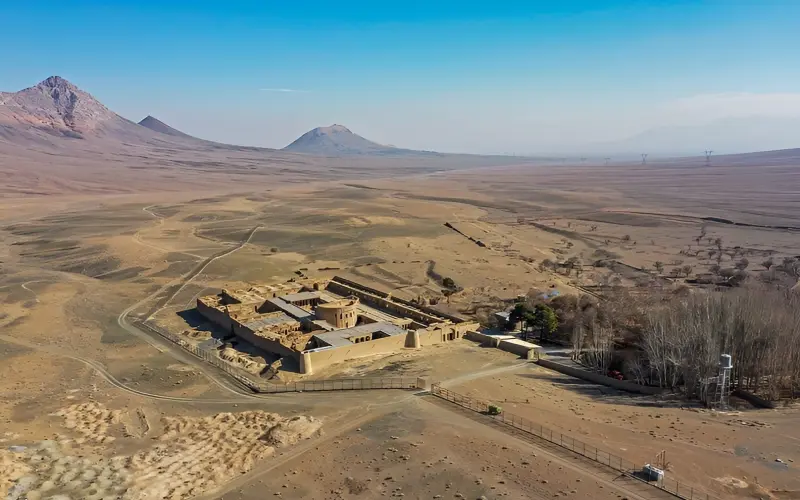
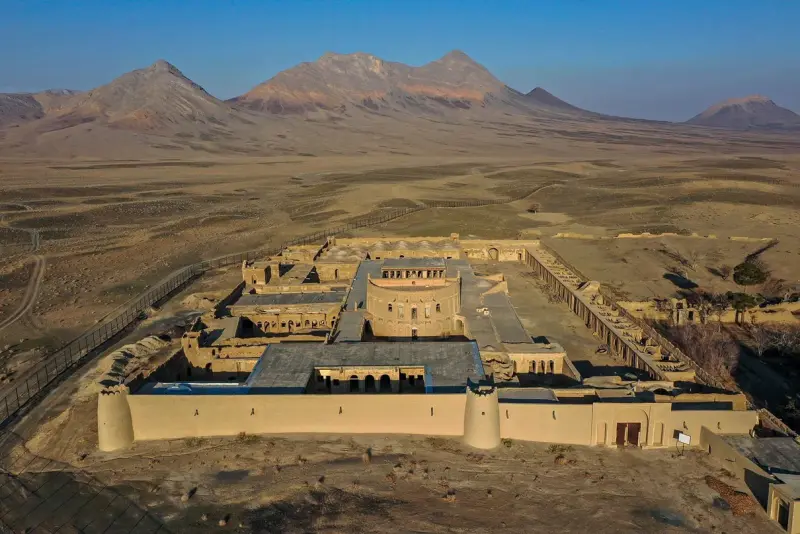
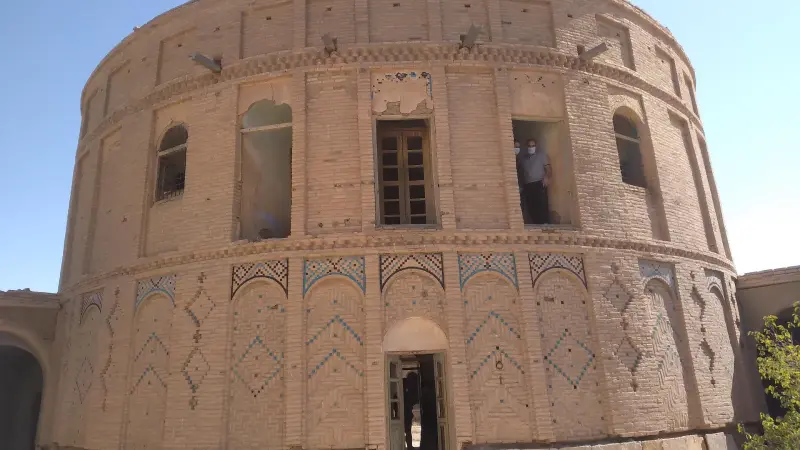
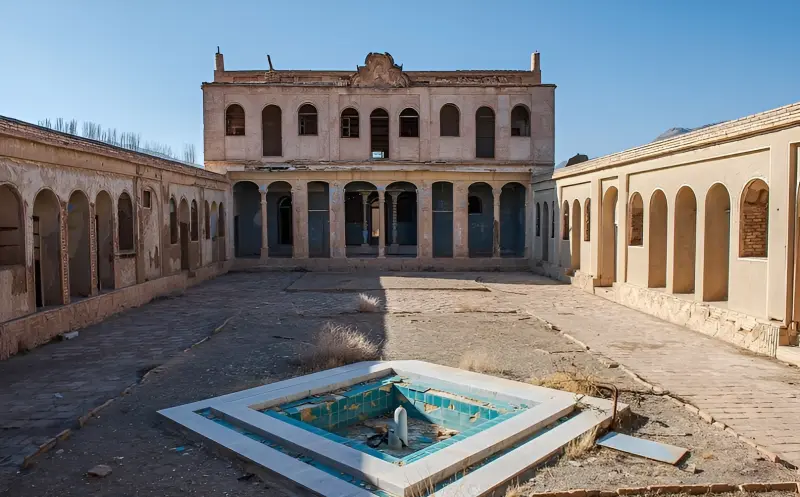
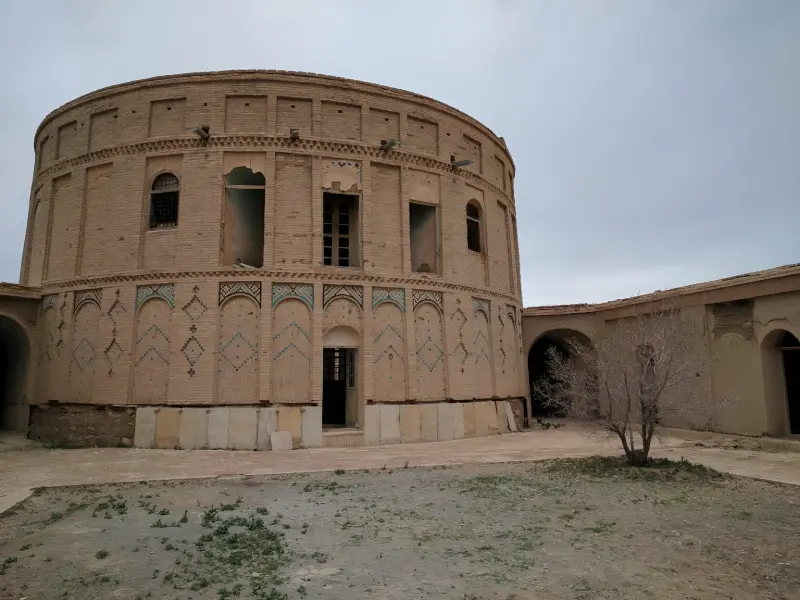
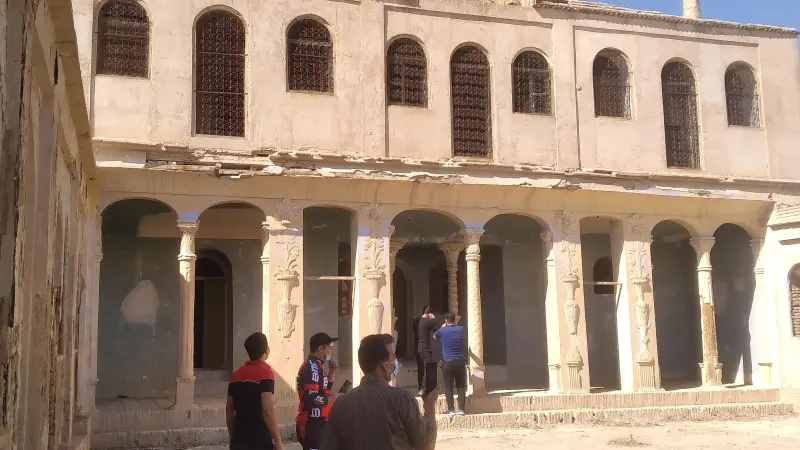
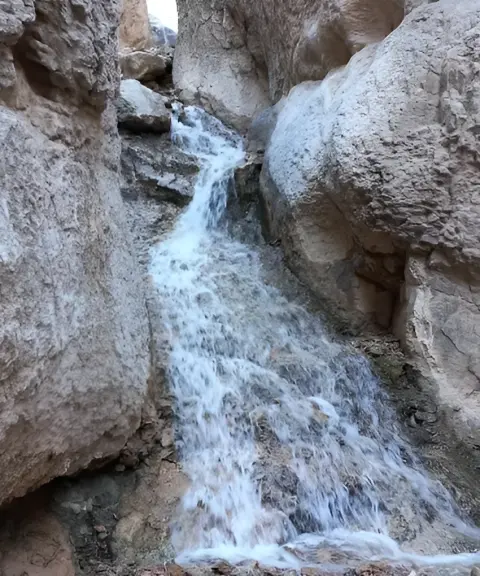
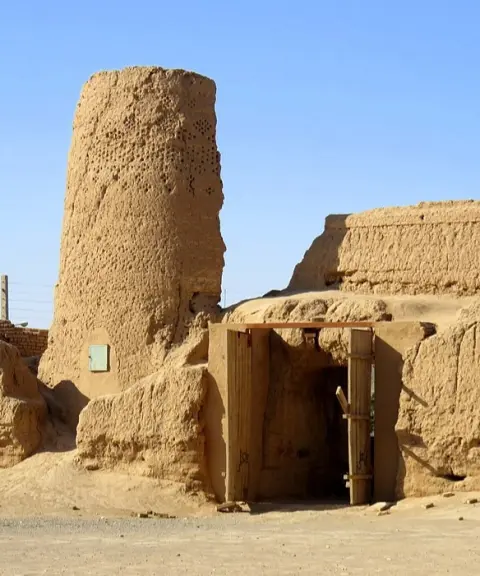
Qamishlu Castle is one of the valuable historical monuments of Isfahan Province. It stands in Tiran and Karvan County, within the boundaries of Qamishlu National Park and Wildlife Refuge. Located about 12 kilometres northeast of the town of Tiran, this historic building is considered one of the area's most important historical and tourist attractions, and it was added to Iran's National Heritage List in 2001 (year 1380 in the Solar Hijri calendar) under registration number 5437. Set amid a semi-arid landscape rich in wildlife, the castle is a truly unique place that offers visitors a blend of history and nature. In the past, the Qamishlu area was the private hunting ground of Zill al-Sultan, the Qajar governor of Isfahan, and this played an important role in the creation of this historic complex.
Qamishlu Castle is about 140 to 160 years old. It was built on the orders of Masoud Mirza Zill al-Sultan, a son of the Qajar king Naser al-Din Shah, and served as a summer residence and a base during hunting trips. Covering an area of roughly 9,000 square metres, the castle has numerous sections, including the private quarters (andaruni) and public quarters (biruni), a harem, a royal seating hall (shahneshin), halls, stables, storerooms, a bathhouse, a sherbet house and the guards' quarters. Its four gates facing different directions, together with its defensive towers and walls, reflect the building's fortified and well-organised design. There was also a large garden on the eastern side of the castle, which together with the other spaces formed a complete Qajar aristocratic residence. Besides its historical value, because it lies within a wildlife refuge, the area is also home to species such as gazelle, wild sheep (mouflon), wild goat and ibex, and a variety of birds.
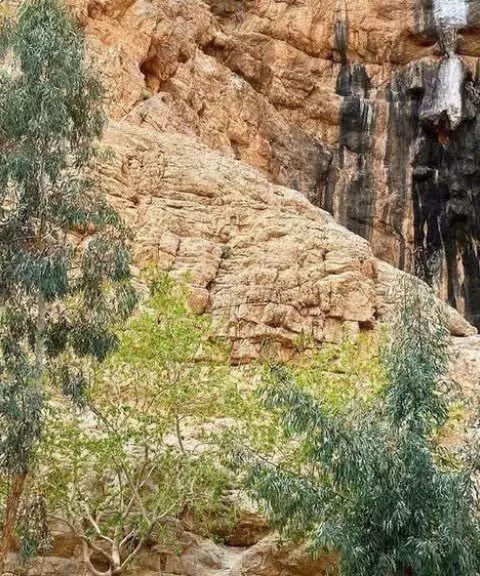
To reach Qamishlu Castle, you can drive from Najafabad towards Tiran and, after passing the village of Mobarakeh, turn onto the side road leading to the Qamishlu area. The route runs through pristine nature and a protected area before finally reaching the castle grounds. The best times to visit are spring and autumn, when the weather is milder and it is easier to enjoy the scenery and spot wildlife. Because the castle lies in a protected area, facilities around it are limited, so visitors should bring the equipment they need. Practising responsible nature tourism, avoiding any damage to the building and respecting environmental regulations are also essential for preserving this historical and natural heritage.
Written by زهرا لنگری Last updated
What you can do here, and what it takes
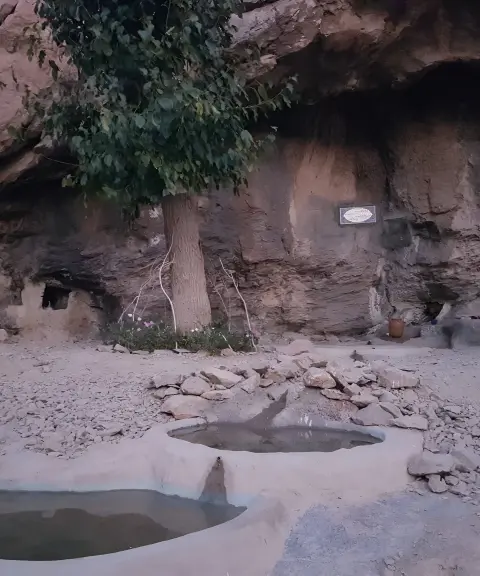
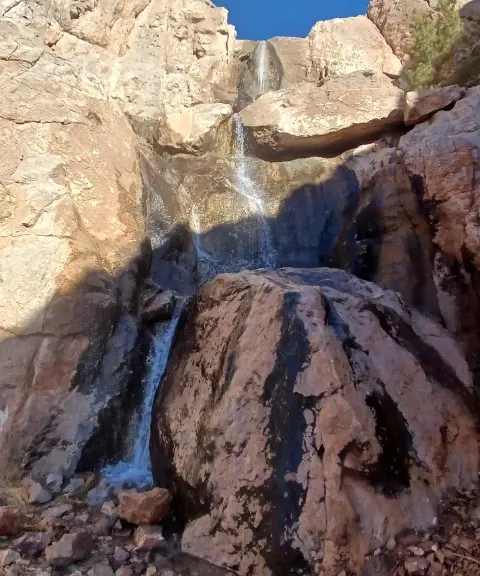
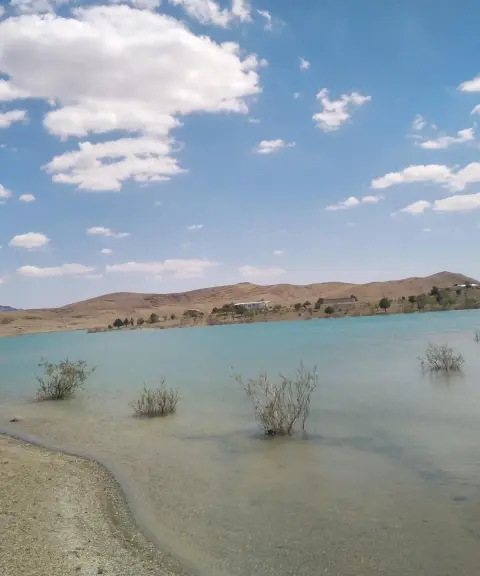
محیط اطراف قلعه در منطقه حفاظتشده، برای گشتوگذار در طبیعت بکر و مشاهده چشماندازهای خاص مناسب است.
Province Isfahan
Province Isfahan
Province Isfahan
Province Isfahan
Province Isfahan
Province Isfahan


Unfortunately, no comments have been registered.