
 Seas and Lakes
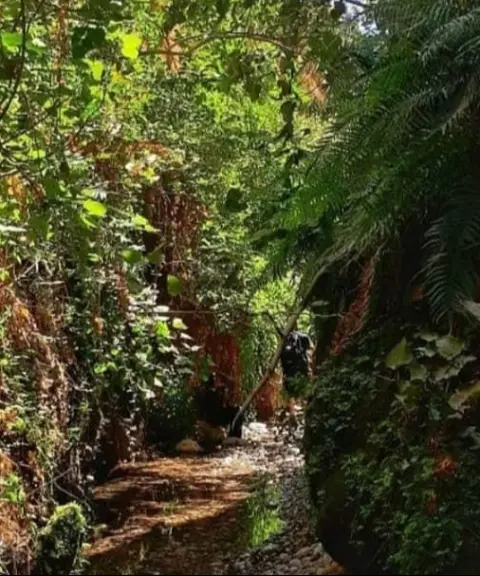

Pol-e Parzin Valley
Province Khuzestan
- Walking
- Canyoning
A Monumental Engineering Structure on the Karun River in Khuzestan
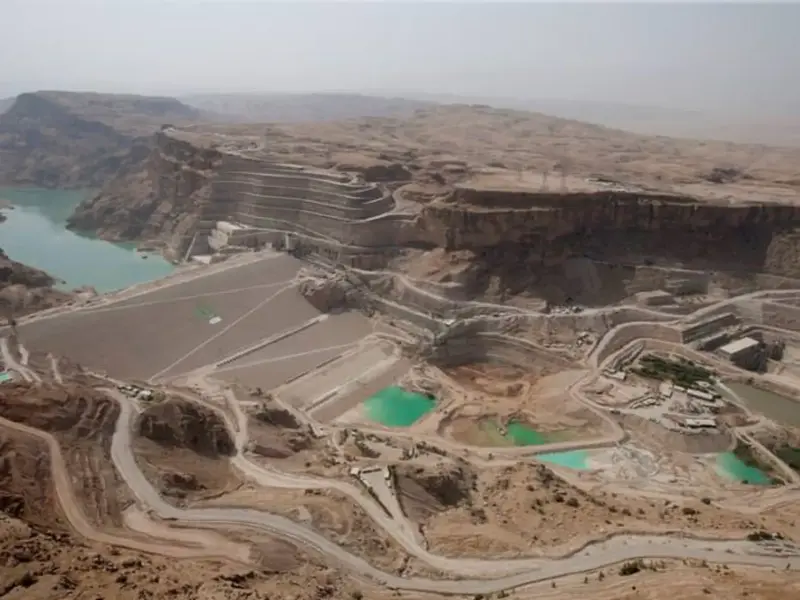
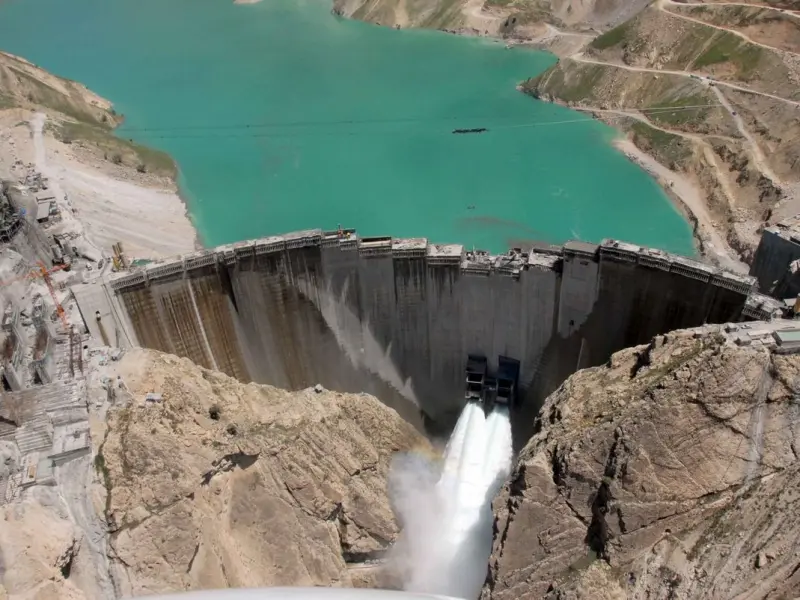
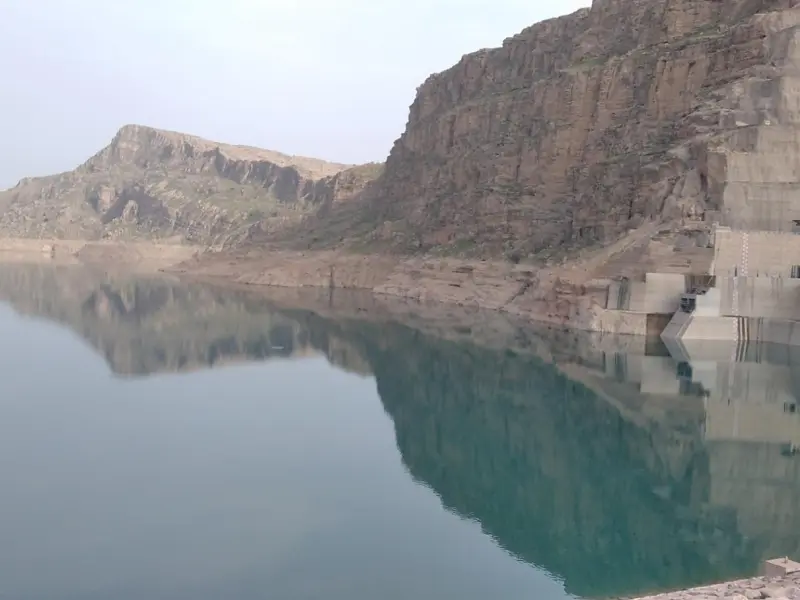
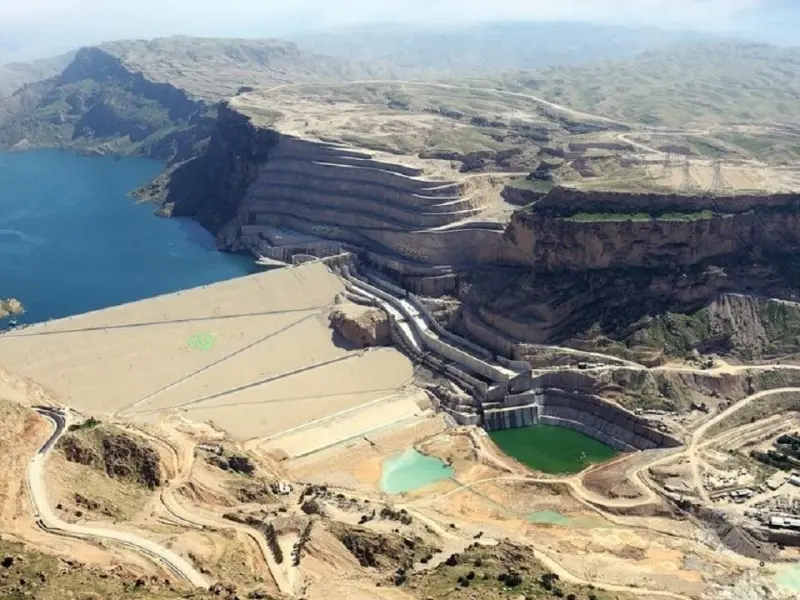
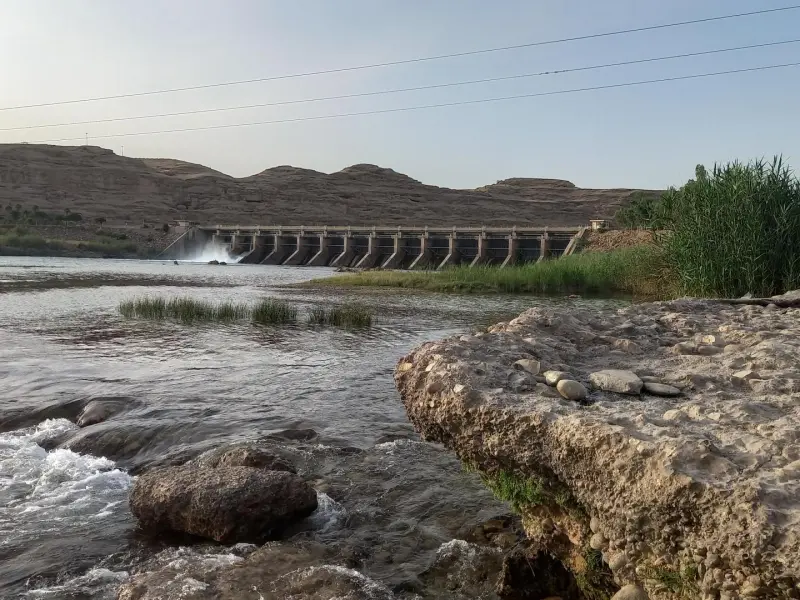
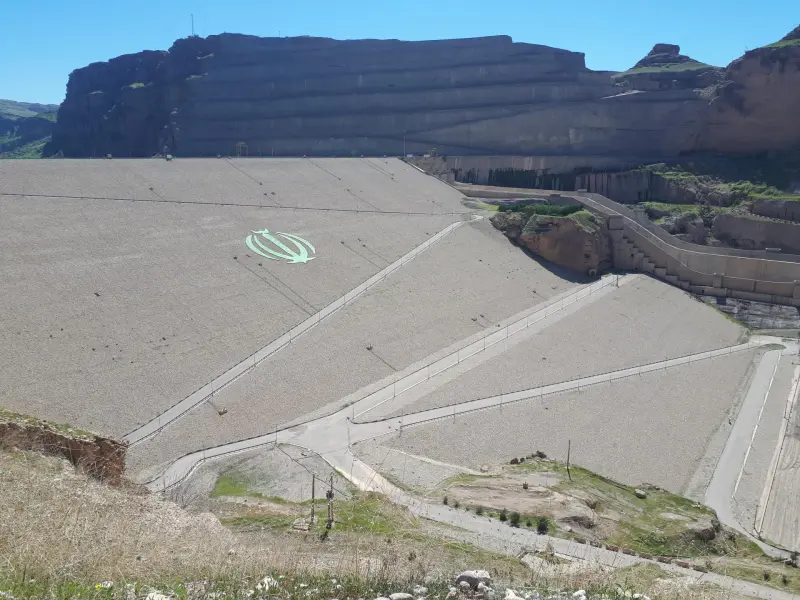
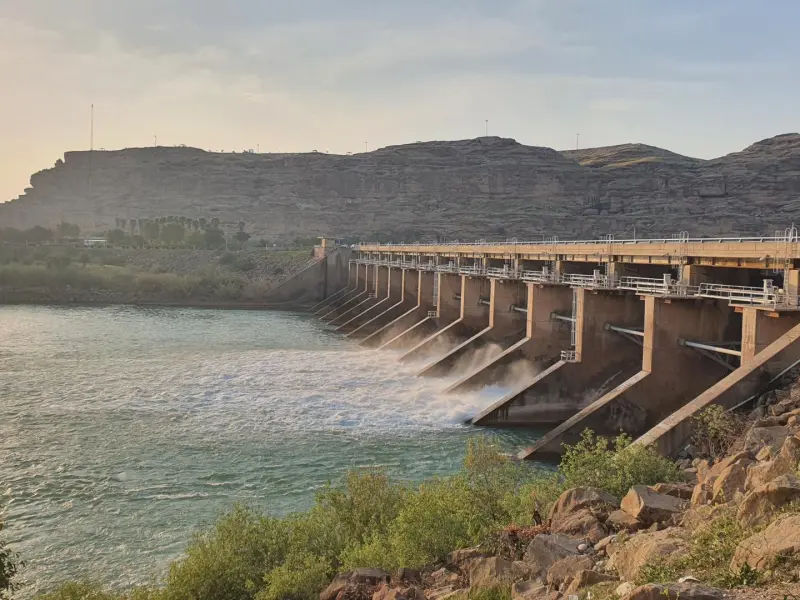
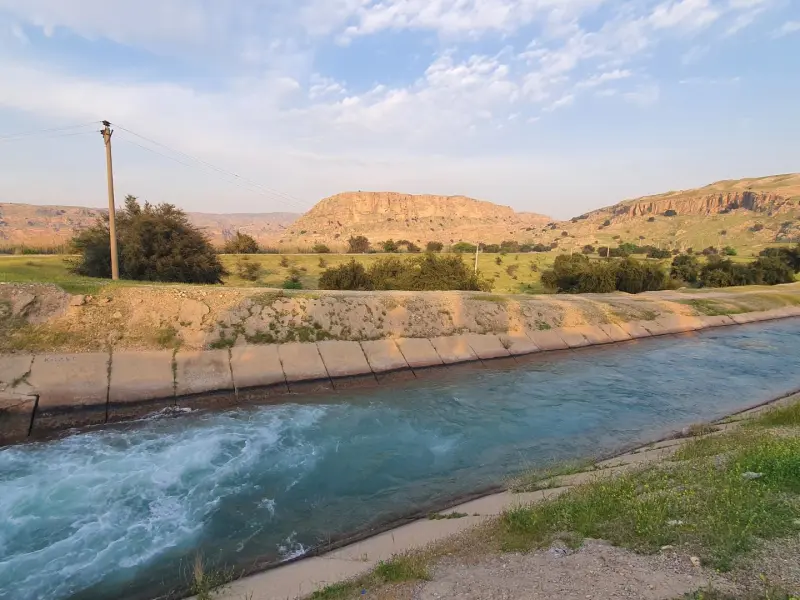
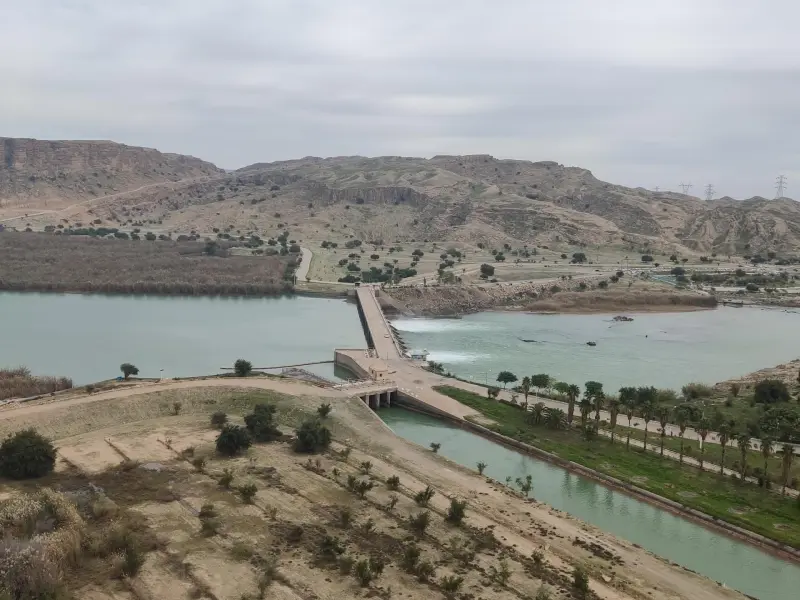
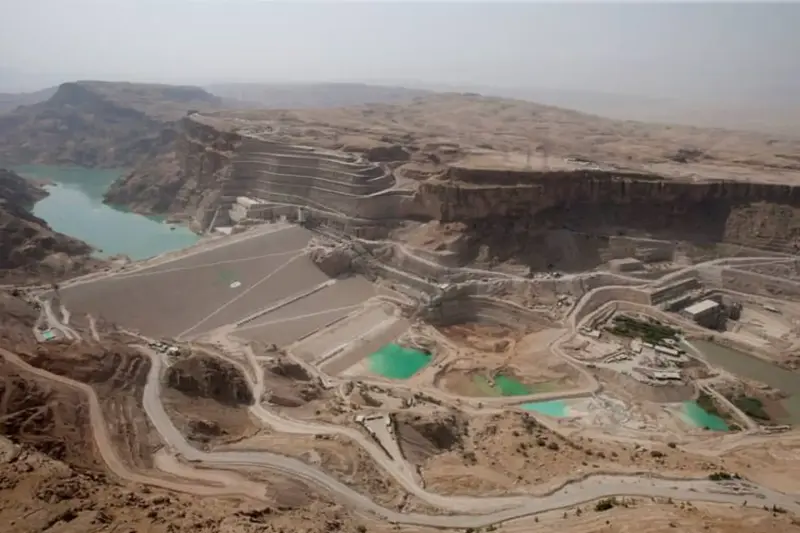
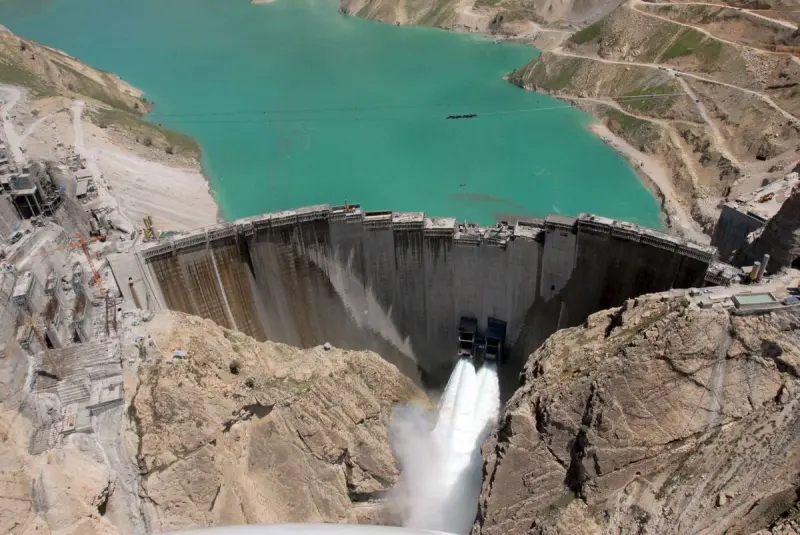
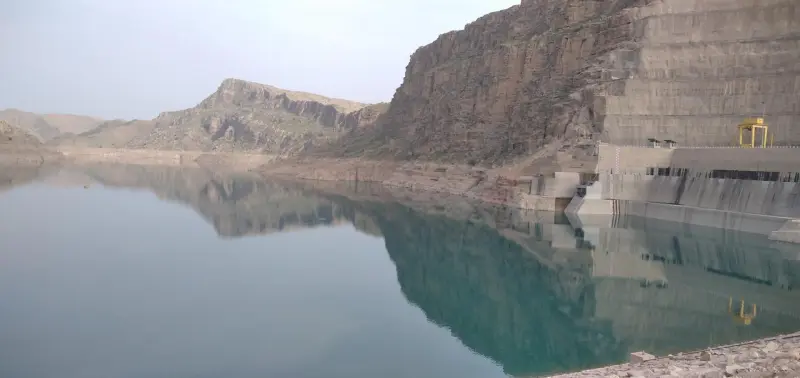
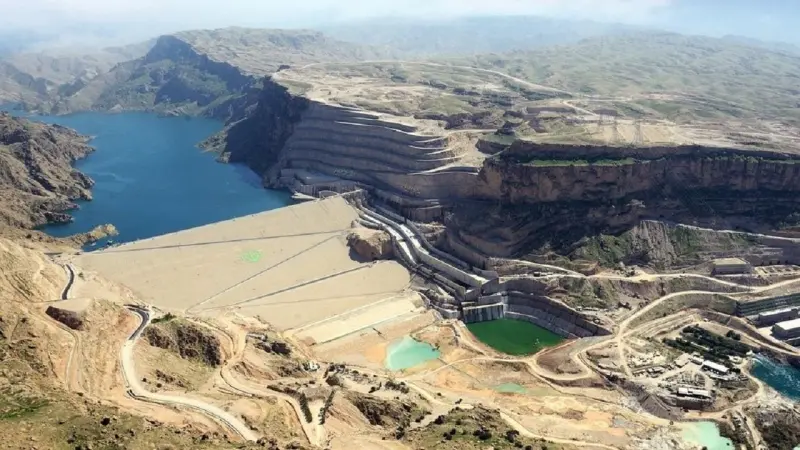
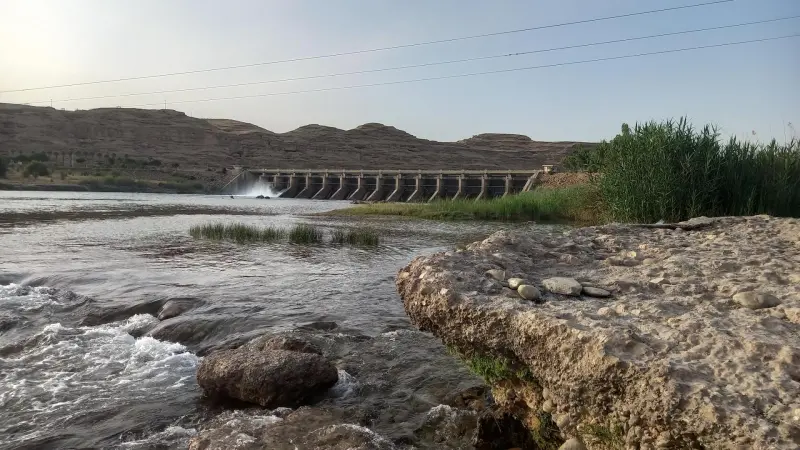
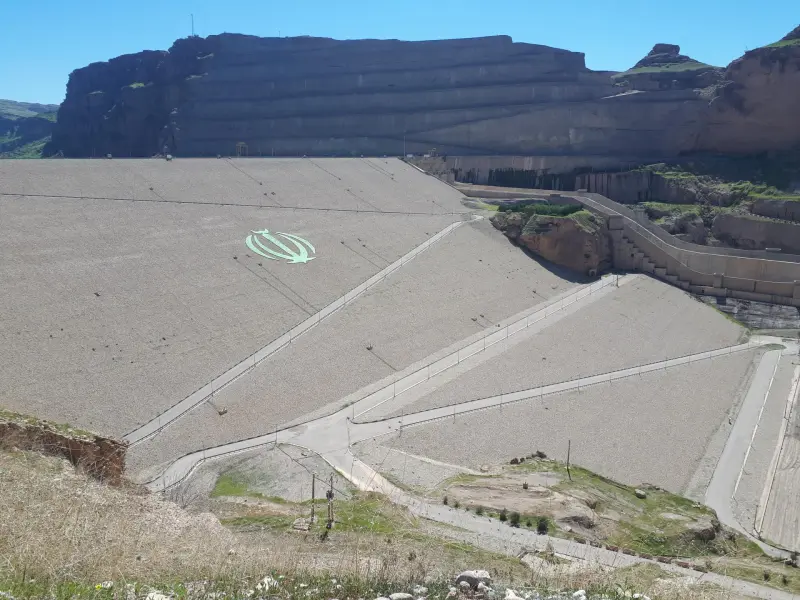
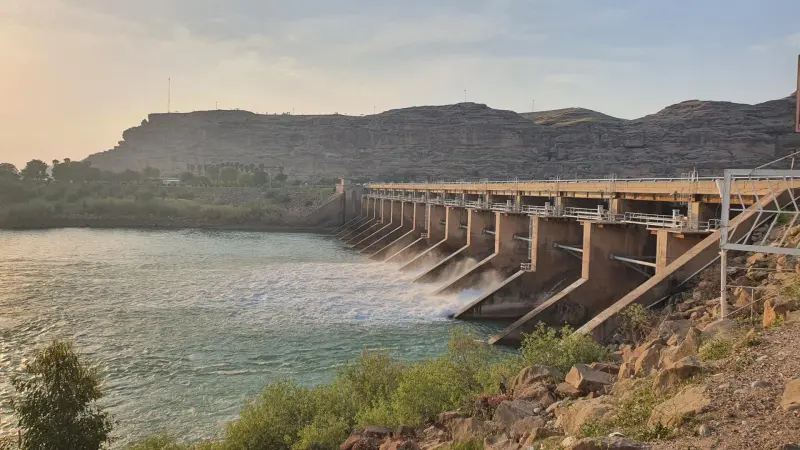
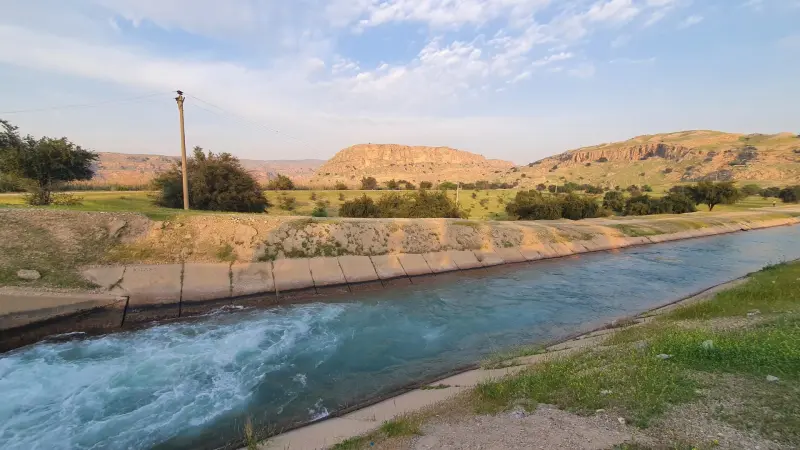
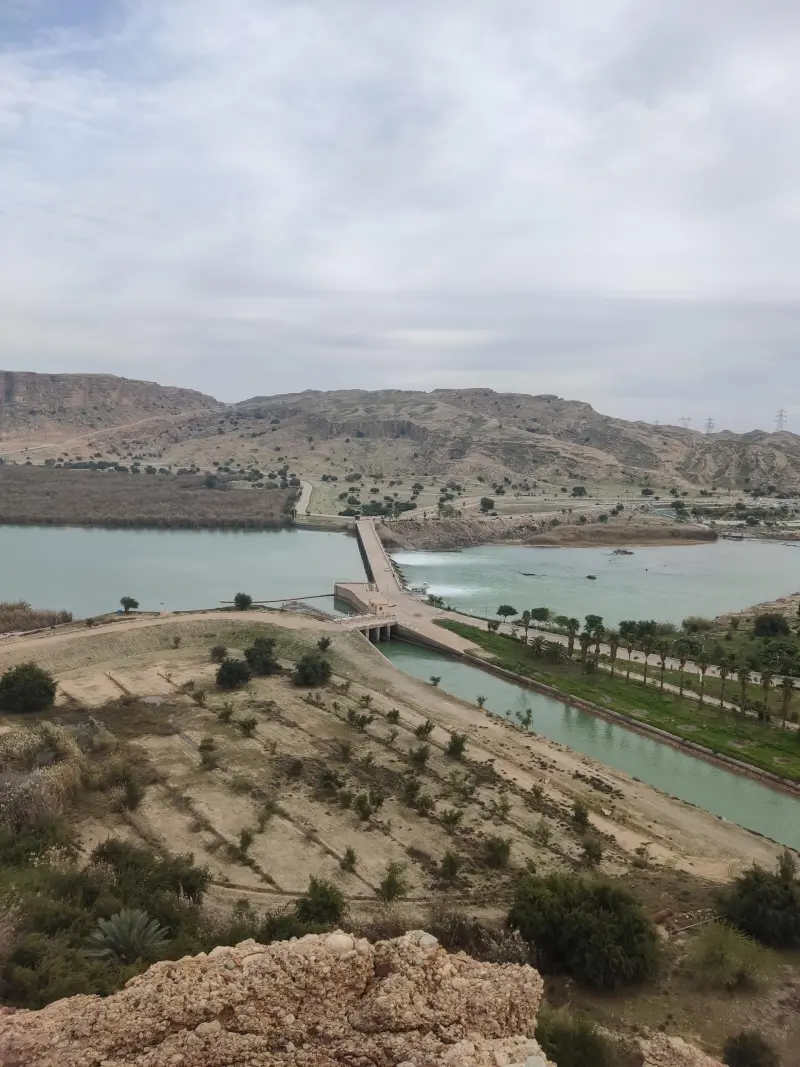
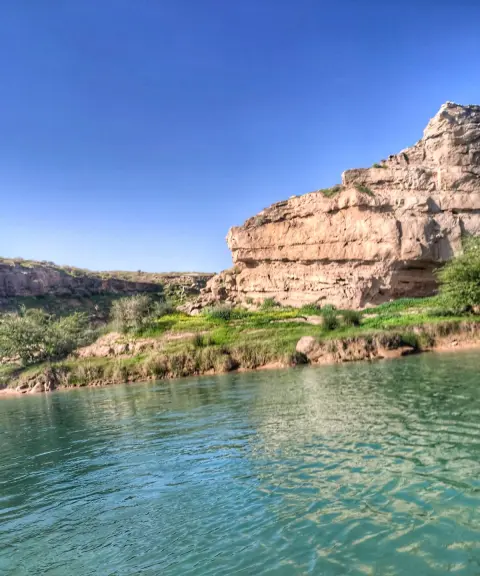
Gotvand Olya Dam is one of the largest dams in Iran. It stands on the Karun River in Khuzestan Province, 25 kilometers north of Shushtar and 10 kilometers from the town of Gotvand. It is considered the last dam that could be built on the Karun River, and it has created a lake with a reservoir capacity of 4.7 billion cubic meters, the second-largest artificial lake in the country after the Karkheh Dam. Gotvand Olya Dam is regarded as an engineering masterpiece, built to manage floods, supply water and improve the water quality of the Karun River.
The dam is an earthfill dam with a clay core, about 180 meters high from its foundation, making it one of the tallest dams of this type in the country. The reservoir behind it holds nearly 4.5 billion cubic meters, and its hydroelectric power plant has a capacity of about 1,000 megawatts in the first phase, which could rise to 2,000 megawatts if the second phase is completed. Despite the dam's technical and economic importance, the project has faced extensive environmental and social debate since the reservoir began filling in the early 2010s (the 1390s in the Solar Hijri calendar). Rising salinity in the reservoir and in the lower Karun, changes to the river's regime and the flooding of villages have been among the most contested issues surrounding the project. Although concerns were raised at the time of impounding that the salinity of the Karun's water would increase, research has shown that, in the worst conditions, the dam's effect on downstream salinity was only 1.5%, and that in later years it fell to zero.
The Water Institute of the University of Tehran has reported that, three years after impounding, the quality of the water released from the dam had improved, and that careful management of releases through the dam's five different gates had made the Karun's water fresher throughout the year. It was also found that the main cause of increased salinity downstream was agricultural and industrial wastewater from Khuzestan's sugarcane operations, not the dam itself. However, the Iran Water and Power Resources Development Company and the consulting engineering firms did not accept some of the University of Tehran's estimates, citing the decline in the Karun's flow from 2007 (1386) until the dam began filling. Later studies showed that even with a 51 percent reduction in the Karun's inflow, the quality of the water released from the dam in the first three years after impounding was not significantly different from what it would have been without the dam. Gotvand Olya Dam has thus played an important role in managing water resources and controlling the water quality of the Karun, and with proper planning its negative environmental effects have been greatly reduced.
Written by زهرا لنگری Last updated
What you can do here, and what it takes
مسیرهای حاشیه مخزن سد و جادههای اطراف تاج سد برای پیادهروی سبک، تماشای چشمانداز رودخانه کارون و گشتوگذار تفریحی مناسب است.
Province Khuzestan
Province Khuzestan
Province Khuzestan
Province Khuzestan
Province Khuzestan





Unfortunately, no comments have been registered.