
 Historic Castle
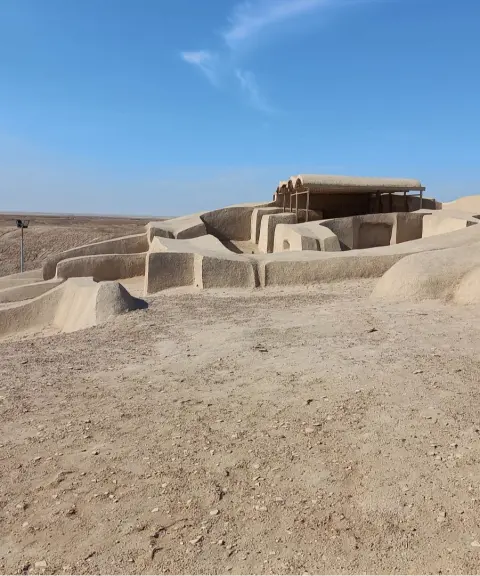

Shahr-e Sukhteh
Province Sistan and Baluchestan
- Walking
A fortress with a political and military history in Sistan
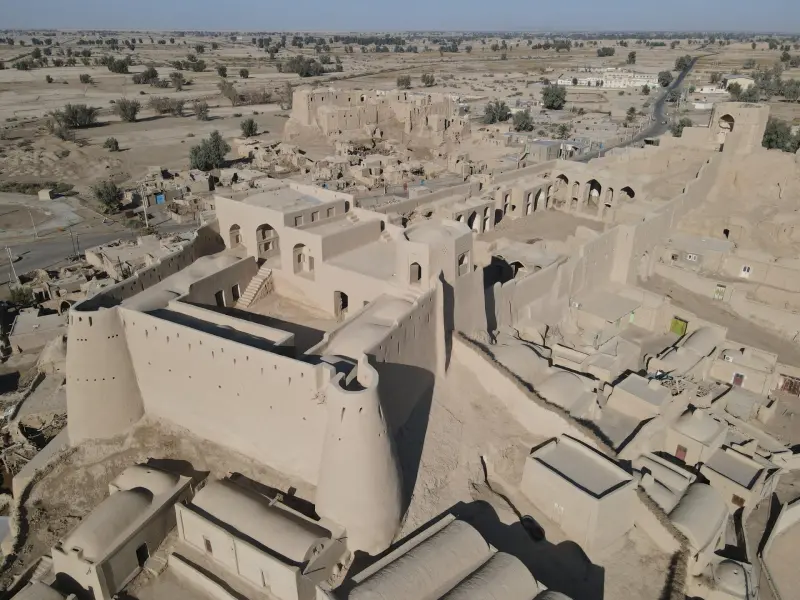
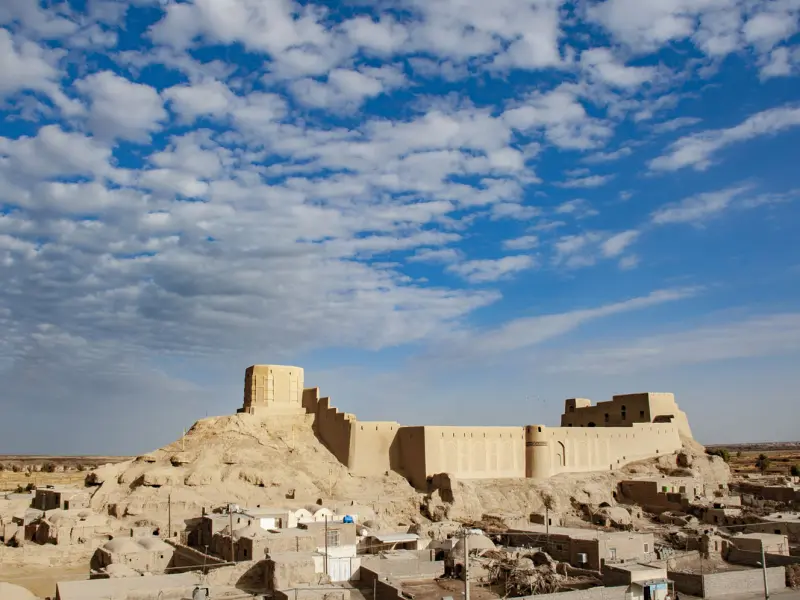
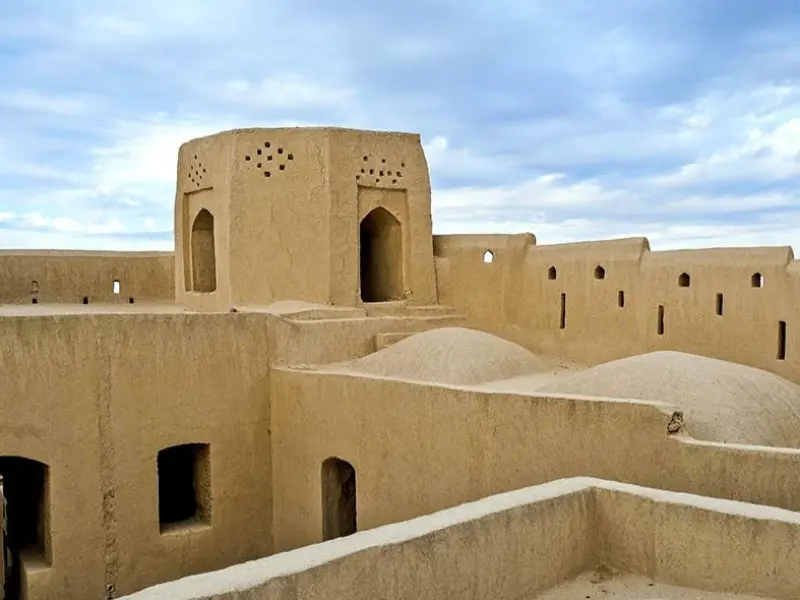
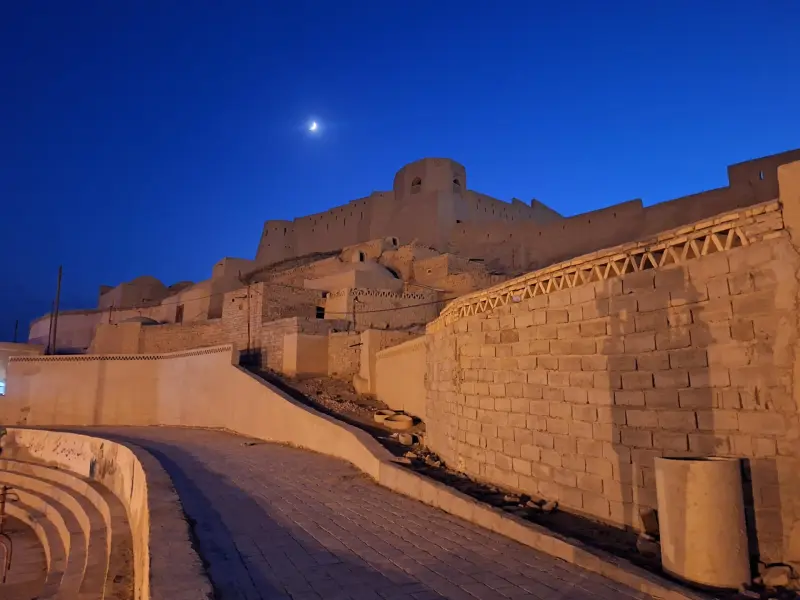
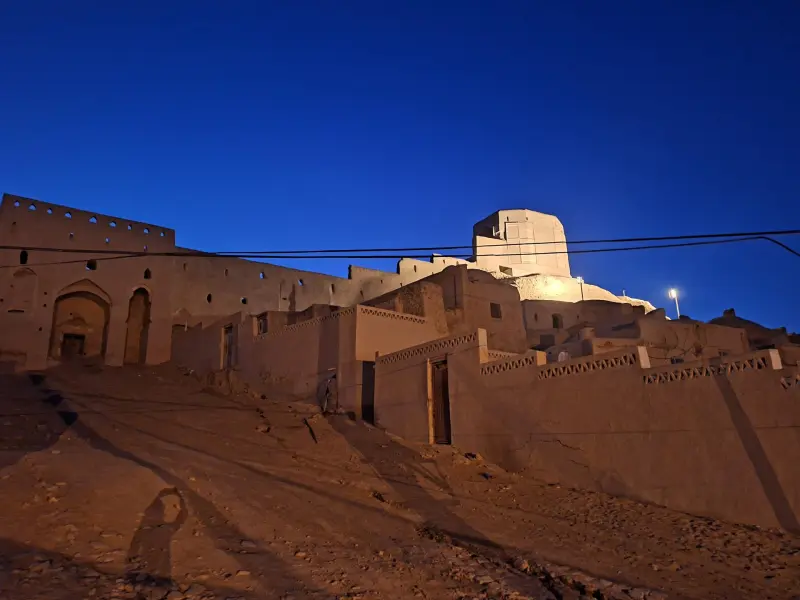
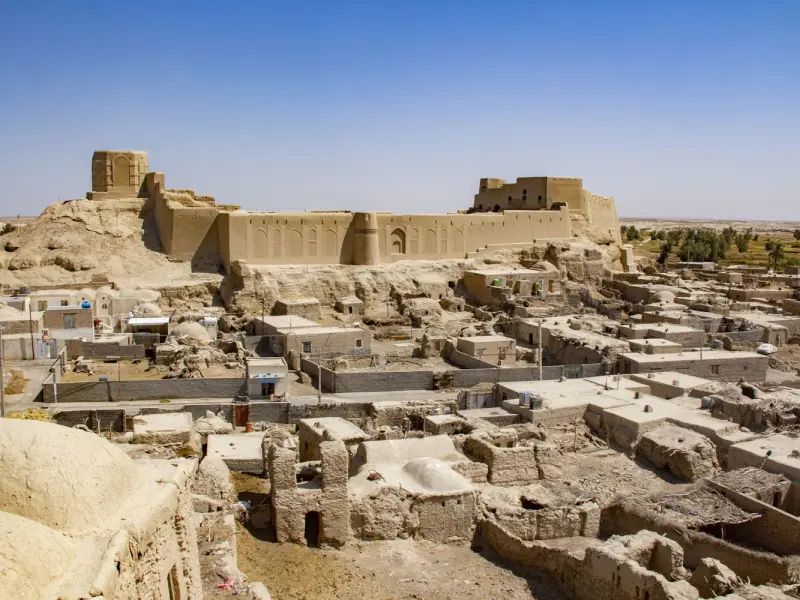
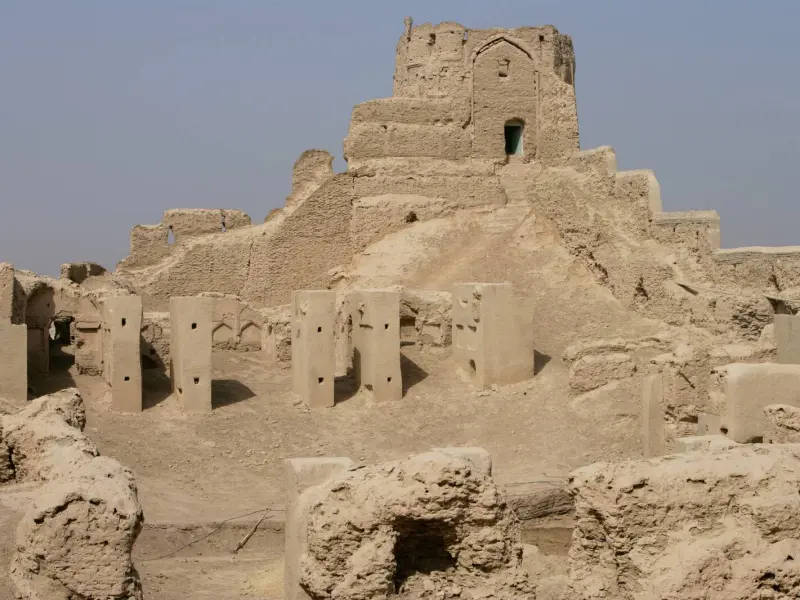
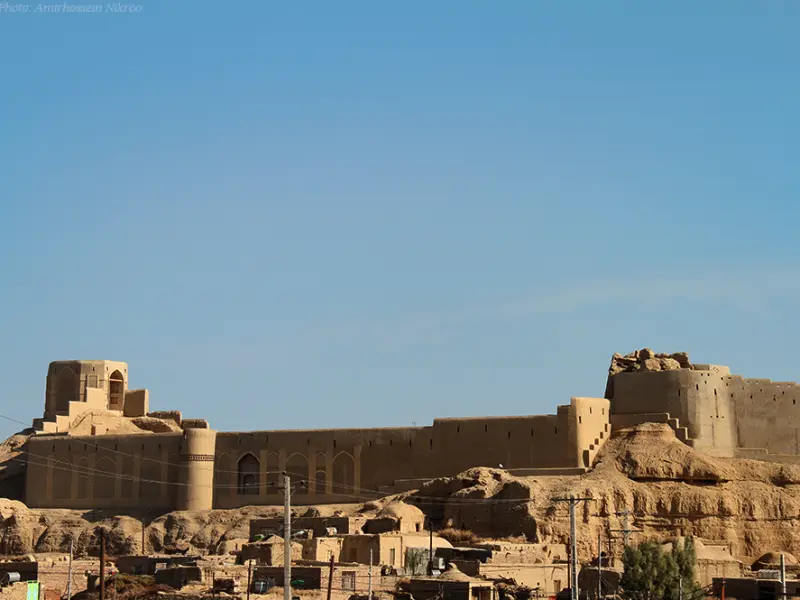
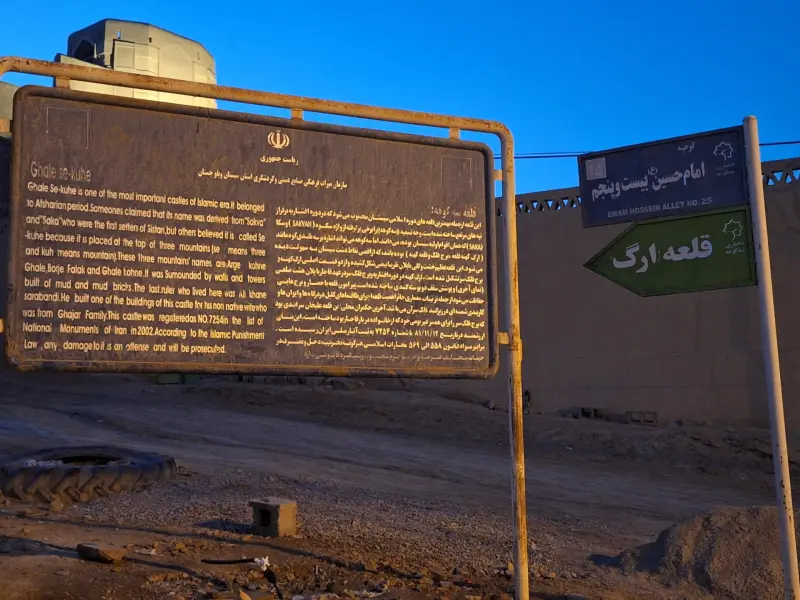
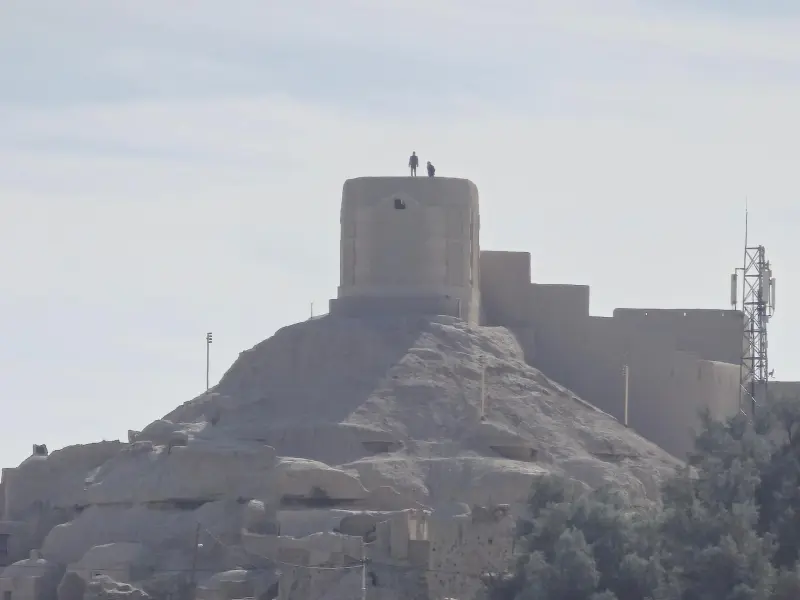
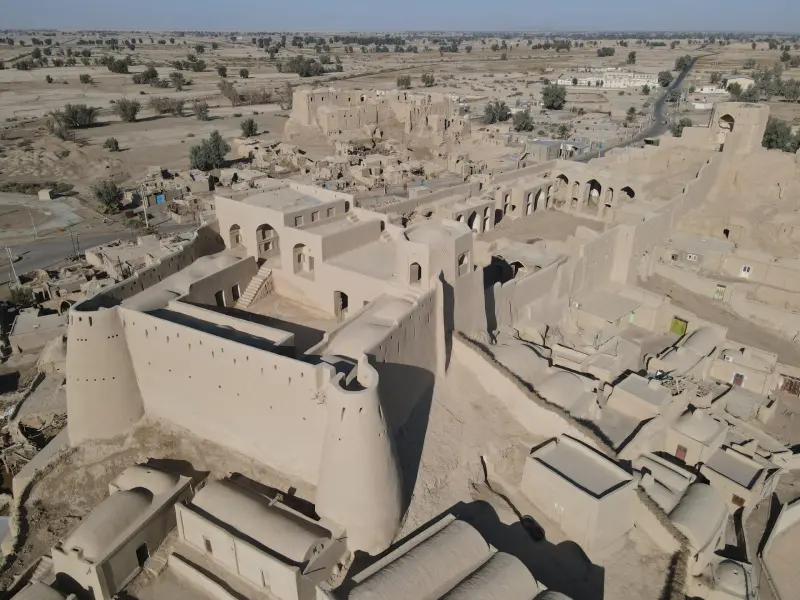
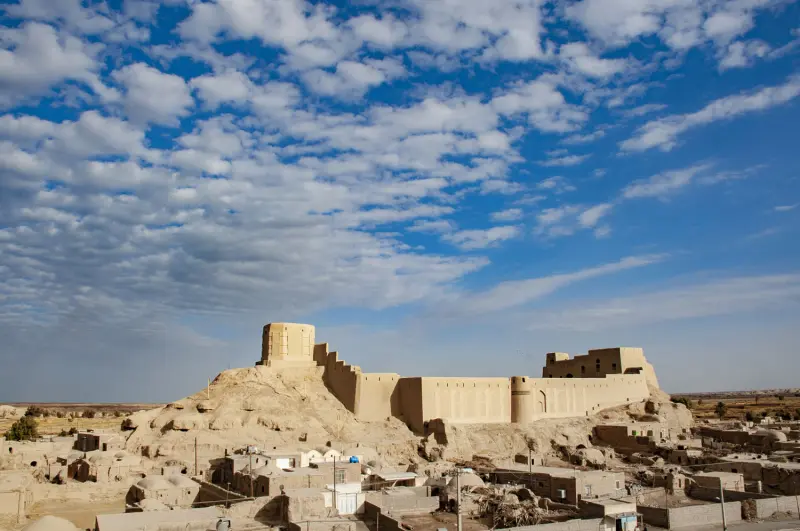
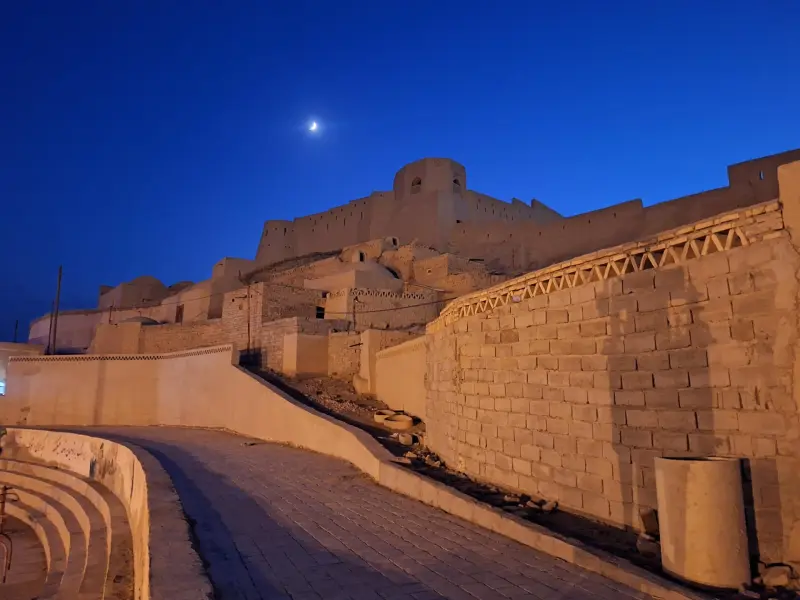
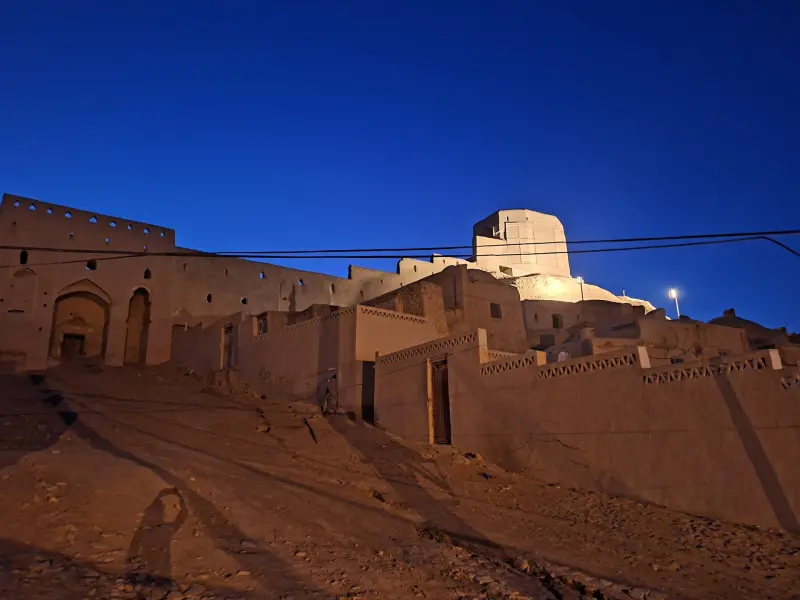
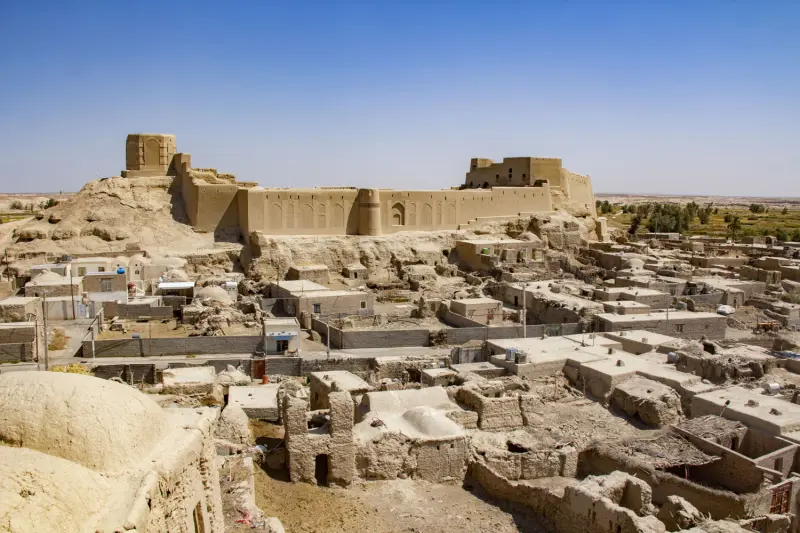
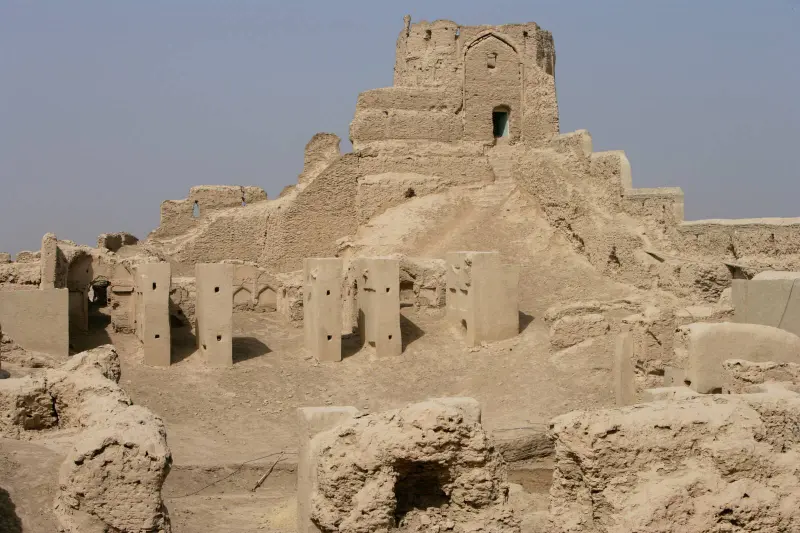
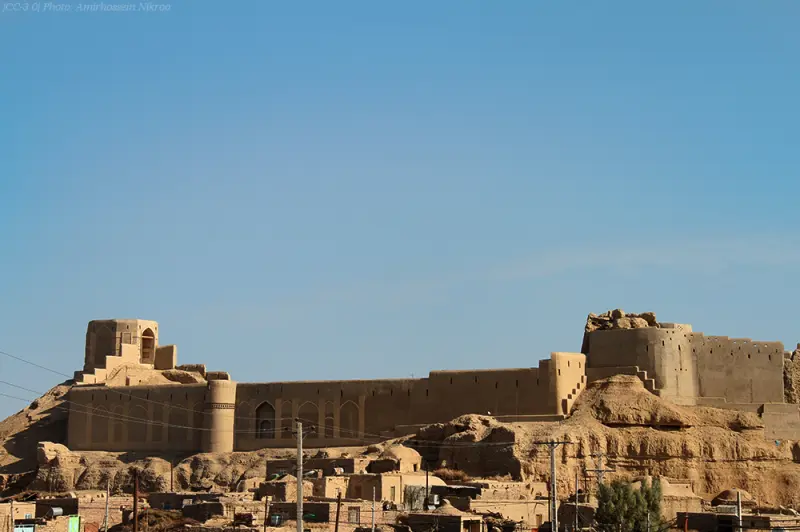
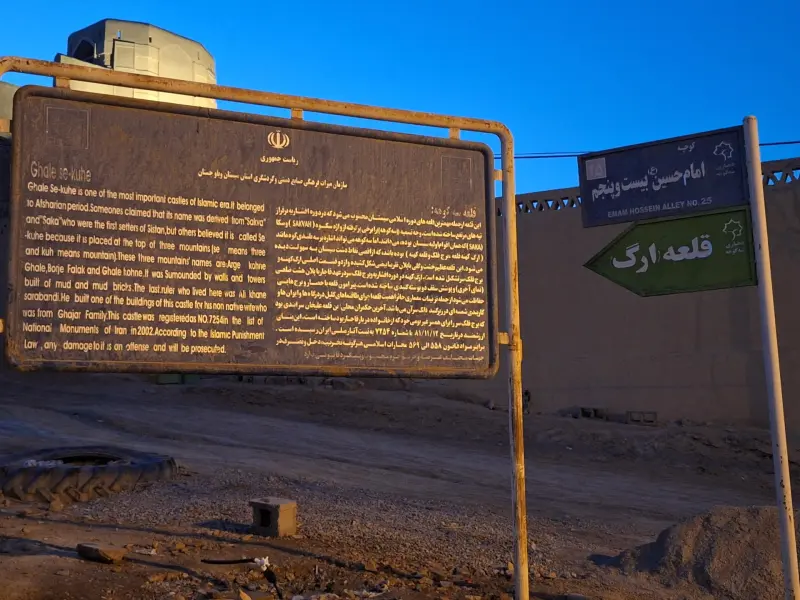
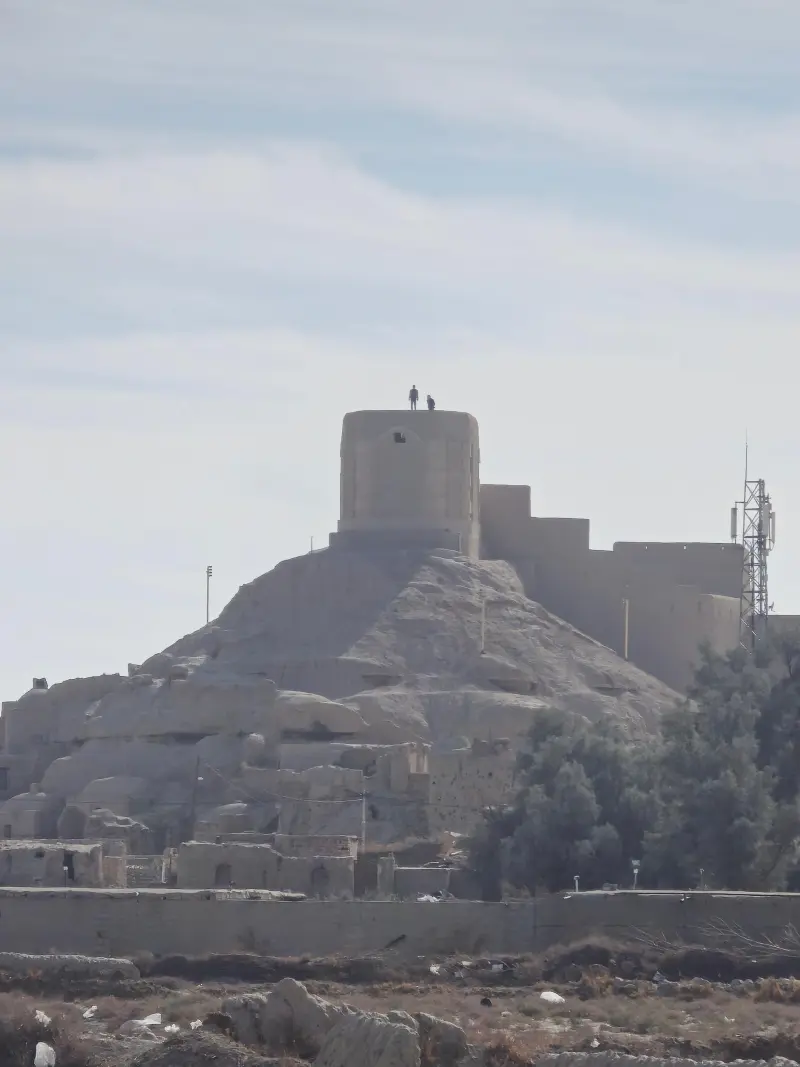
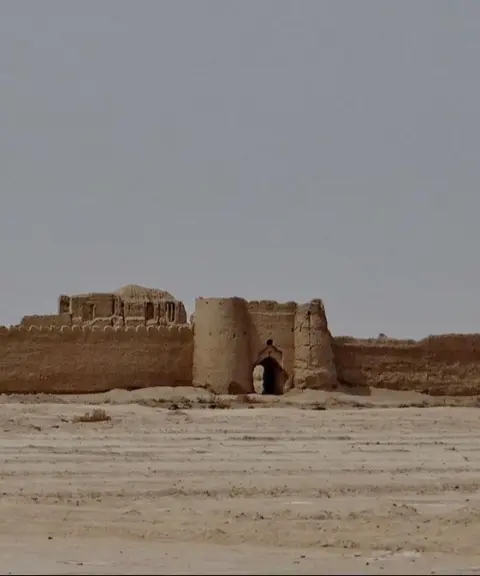
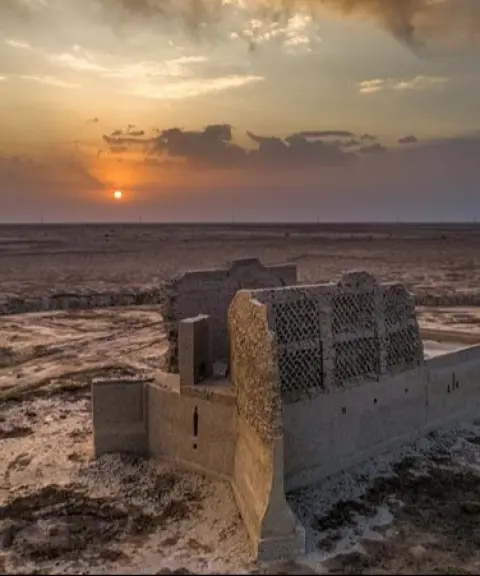
Se Kuheh Castle (sometimes pronounced "Sekuheh") is one of the most notable historical monuments in Sistan and Baluchestan Province, in Hamoon County, near Zabol. This ancient historical castle stands in the village of Se Kuheh, about 30 kilometres southwest of Zabol. It was in use from the Afsharid period until the late Qajar era and is regarded as one of the most important political and military centres of the Sistan region. Its importance is such that historical texts describe it as the last seat of government in Sistan. The monument was registered as a National Heritage Site of Iran on 12 Bahman 1381 under registration number 7254.
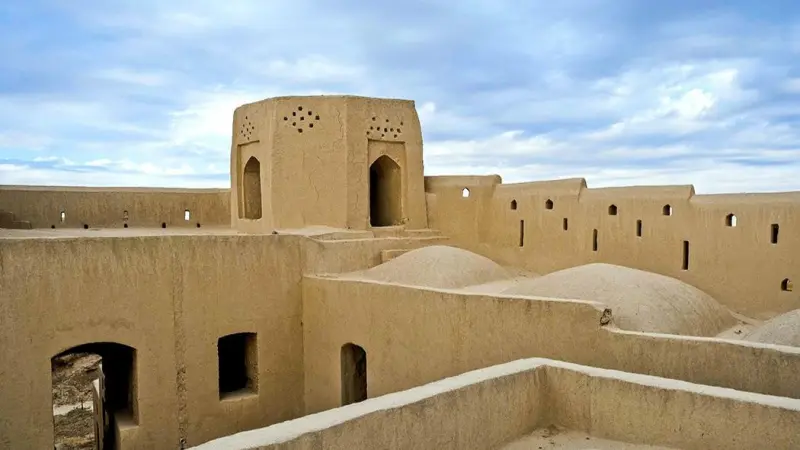
Se Kuheh Castle has a polygonal architectural layout made up of interconnected sections: the southern castle or citadel, the northern citadel (the Falak-Sar Tower) and a central courtyard, which together give the fortress its military and defensive unity. It is known as one of the tallest buildings in the region (about 31 metres high) and has played an important role in the region's political and military events over the centuries. As for the castle's history, accounts speak of the presence and rule of the Sarabandi family in the Afsharid period, and of its role in resisting British colonial efforts in the time of the Qajar king Naser al-Din Shah. Its most prominent event was the raising of the Iranian flag over the castle by Sardar Ali Khan Sarabandi in 1231 (Solar Hijri).
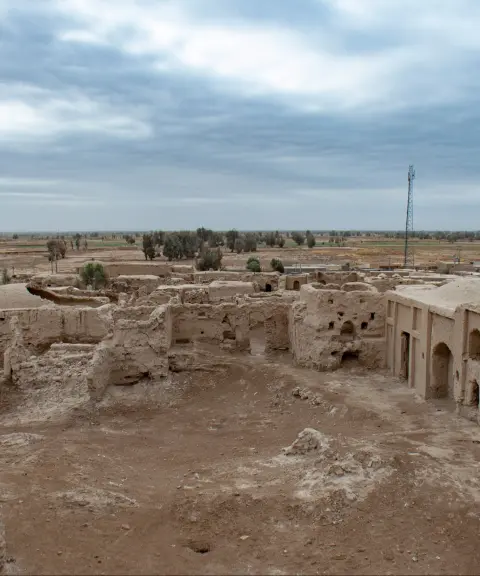
The southern citadel has a central courtyard surrounded by rooms and a tall, narrow iwan on the north side, and it was the residence of the ruler of the time. The northern citadel, known as Falak-Sar or Malek-Sar, is smaller and served as a resting place for the ruler and his companions. Its exterior is polygonal, and it is covered with a dome and arches. The central citadel stood between the southern and northern citadels and contained rooms for the ruler's servants and guards. The materials used to build the castle include straw-clay (kah-gel), mud brick and a mortar of gypsum and soil. The castle has special historical and cultural importance: it was the site where the Iranian flag was raised in the struggle against British colonialism, and the residence of the last ruler of Sistan in the Qajar period. Archaeological evidence points to the continuing evolution of architecture in the region.
To reach Se Kuheh Castle, visitors usually travel southwest from the city of Zabol and, on arriving at the village of Se Kuheh, can see the castle grounds. The route to the castle mostly follows local dirt roads and village footpaths, and the area around the building is suitable for a light walk. The best time to visit is the mild seasons, such as spring and autumn, to avoid the intense heat of summer or the dry winds of winter. When visiting, it is important to follow the principles of cultural heritage protection and responsible nature tourism, including not damaging the remains and taking your litter with you, so that this historical landmark is preserved.
Written by زهرا لنگری Last updated
What you can do here, and what it takes
مسیر پاکوب روستایی و اطراف قلعه برای پیادهروی سبک و بازدید از محوطه مناسب است.
Province Sistan and Baluchestan
Province Sistan and Baluchestan
Province Sistan and Baluchestan


Unfortunately, no comments have been registered.