
 Attractions
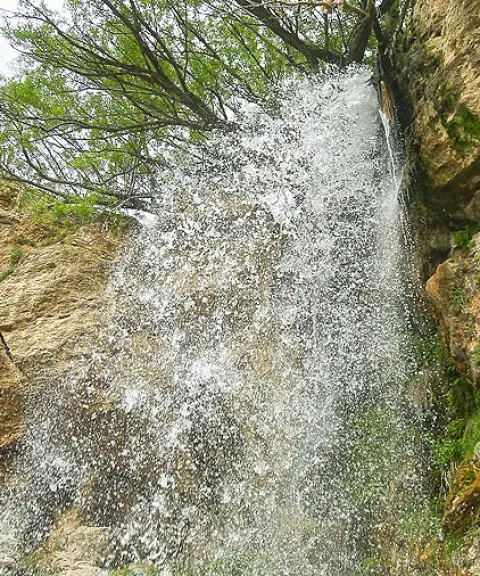

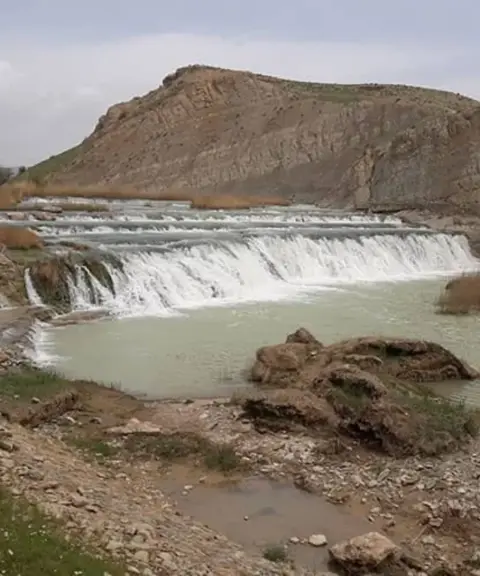
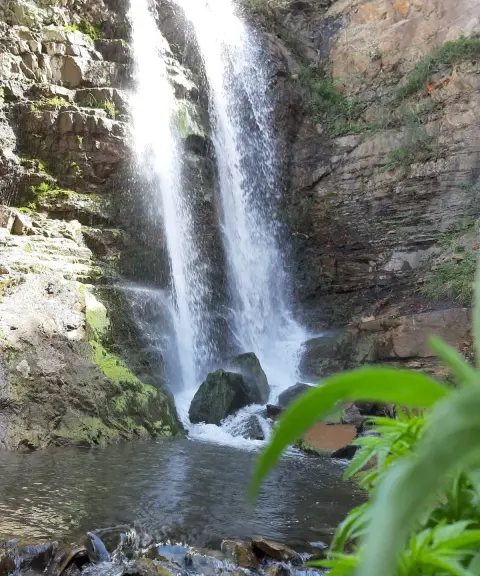
Chenaghchi Waterfall
Province Markazi
- Walking
- Swimming
A Cultural Gem in the Mountains of Markazi Province
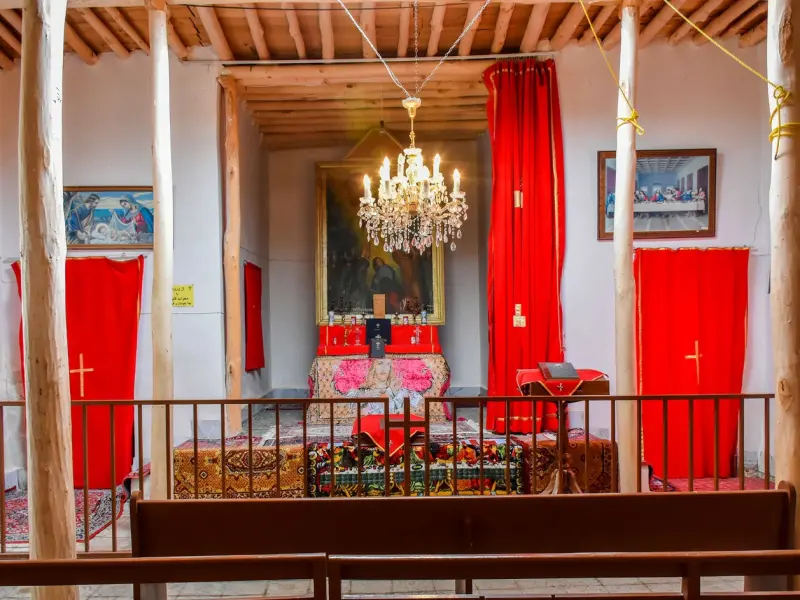
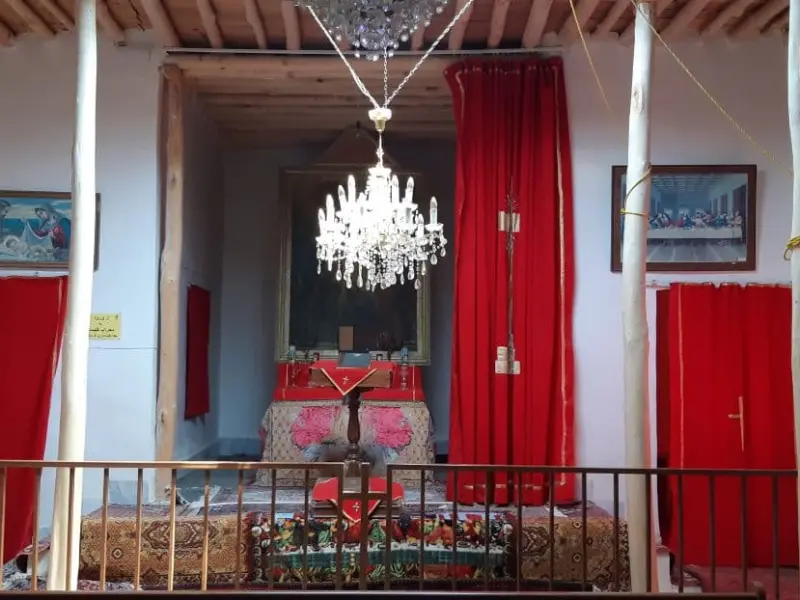
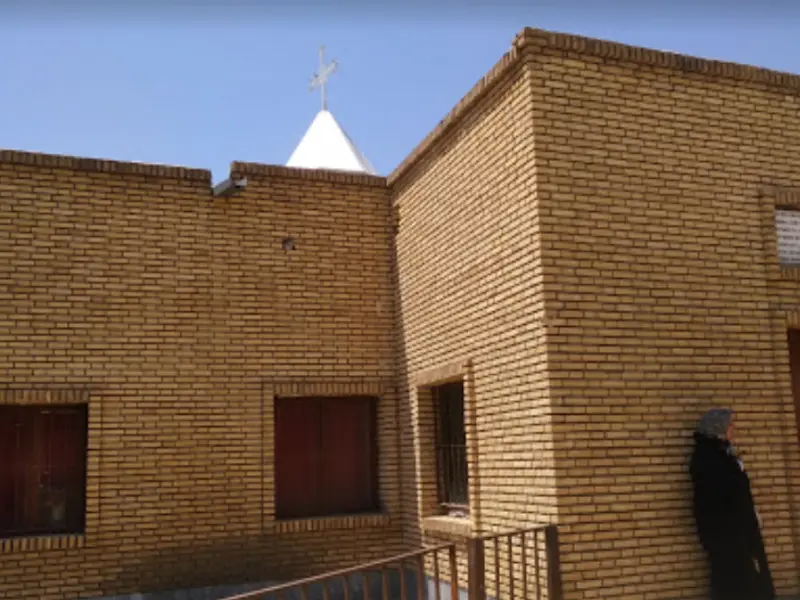
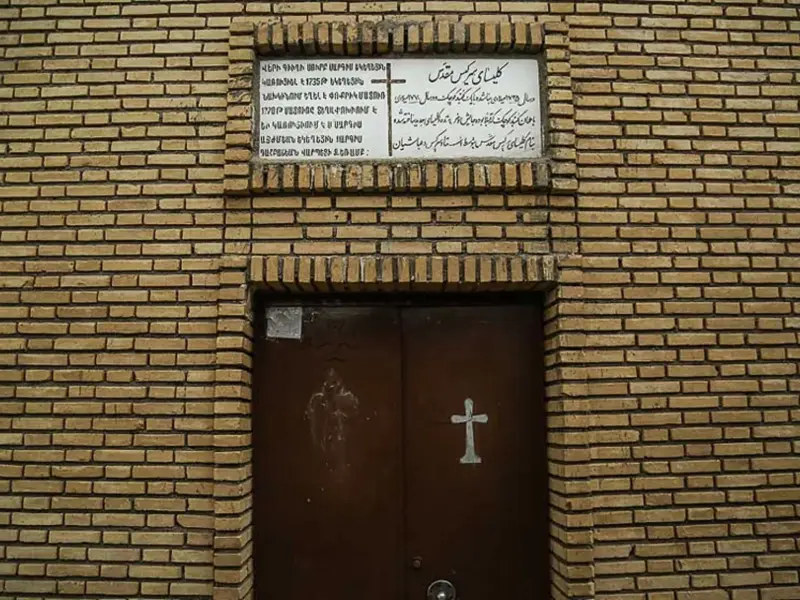
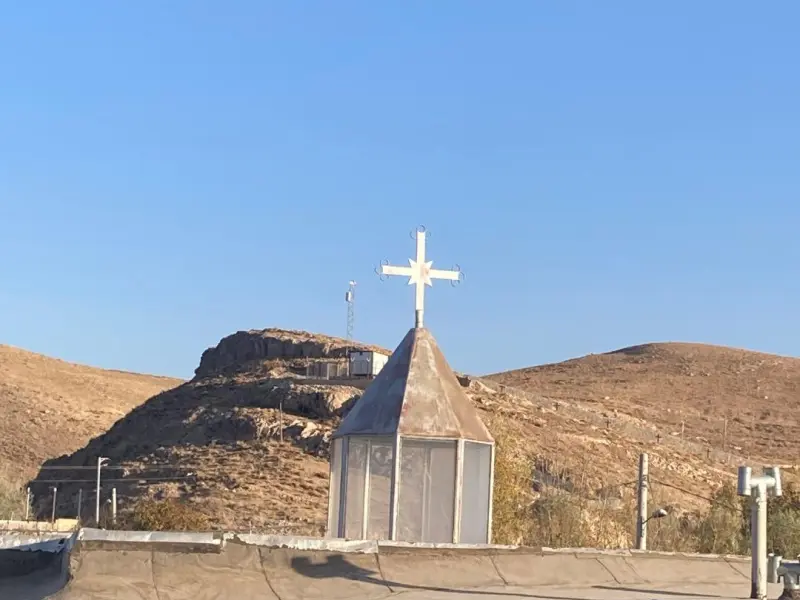
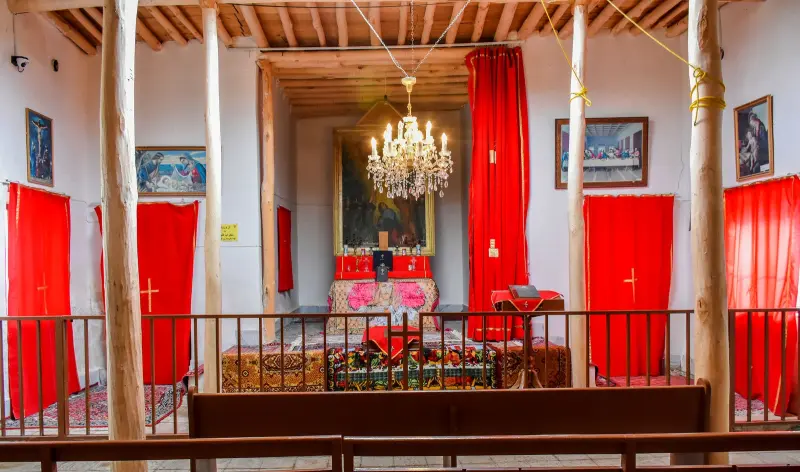
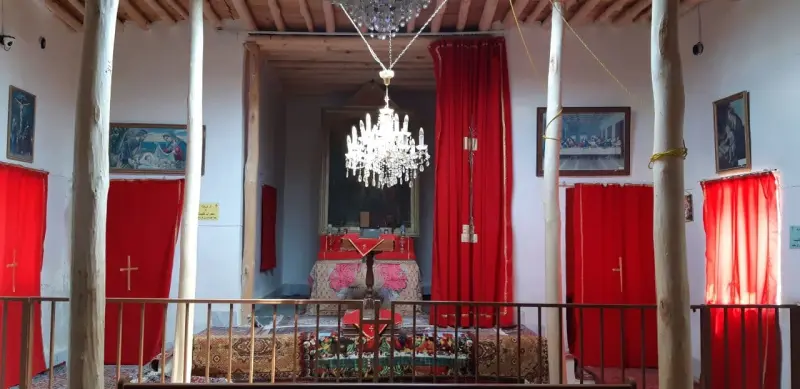
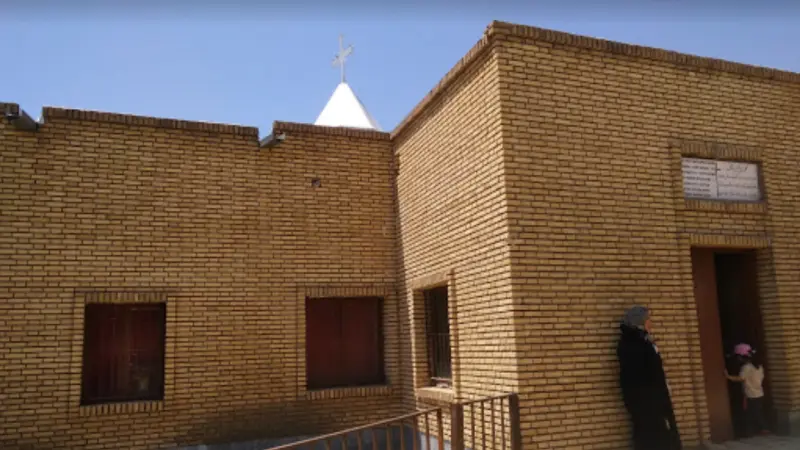
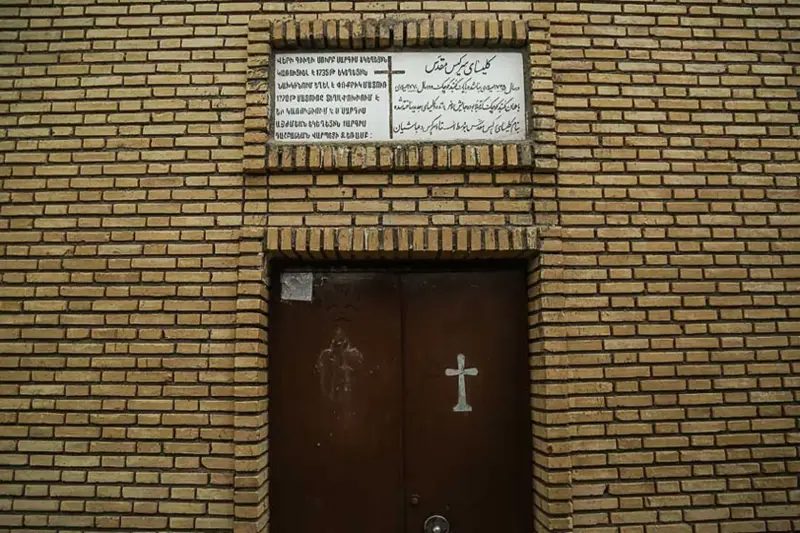
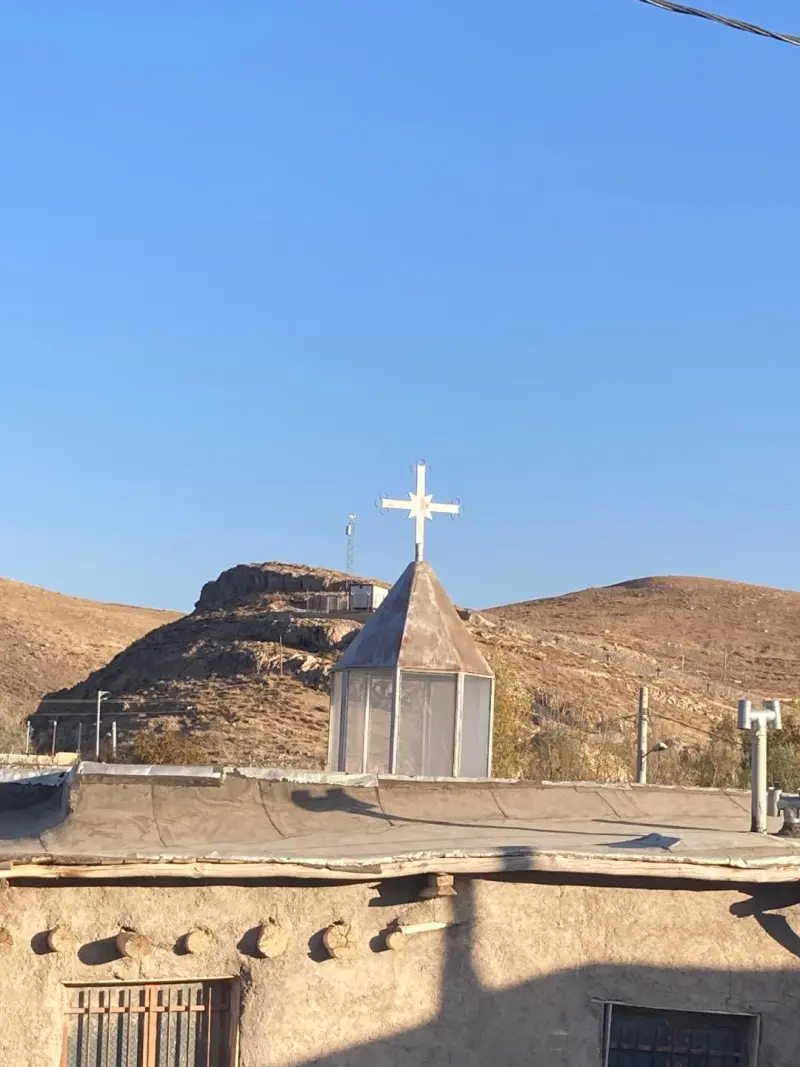
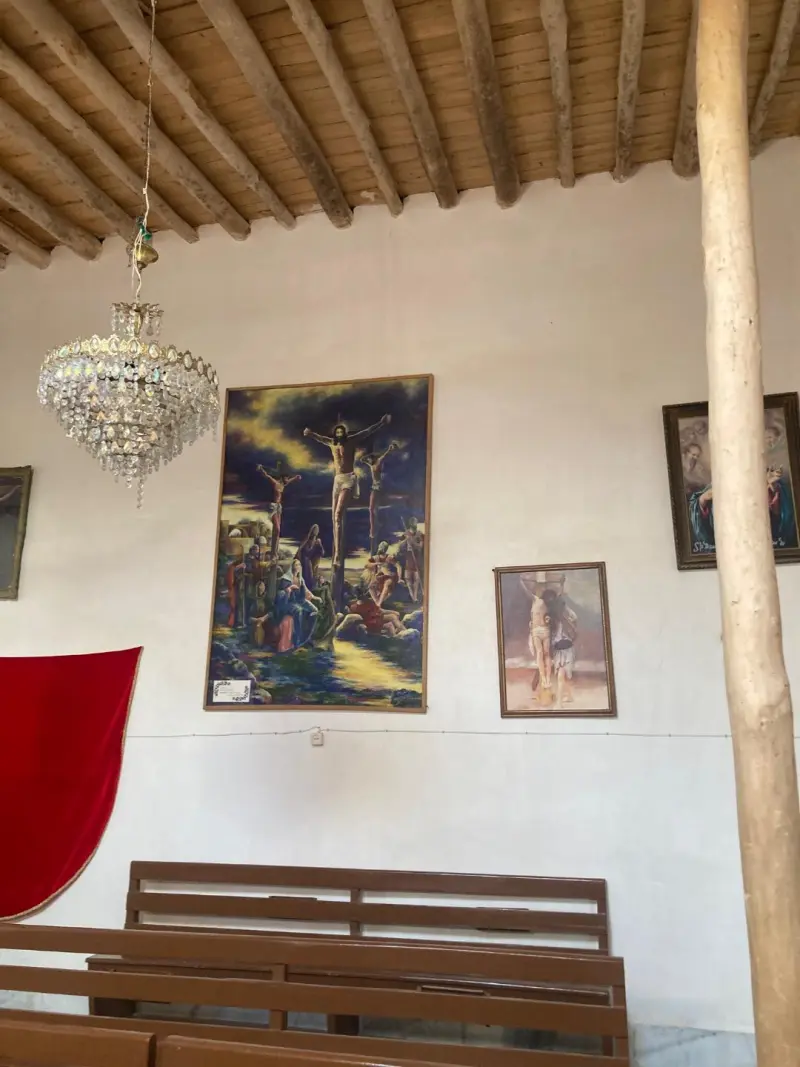
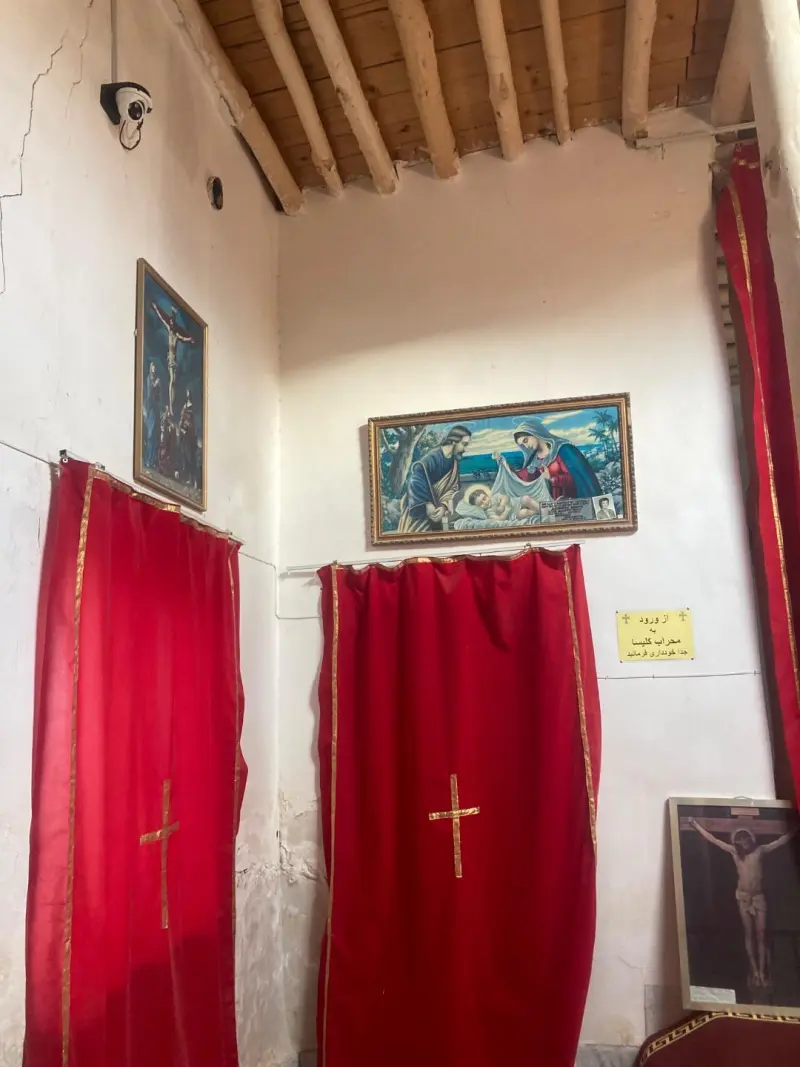
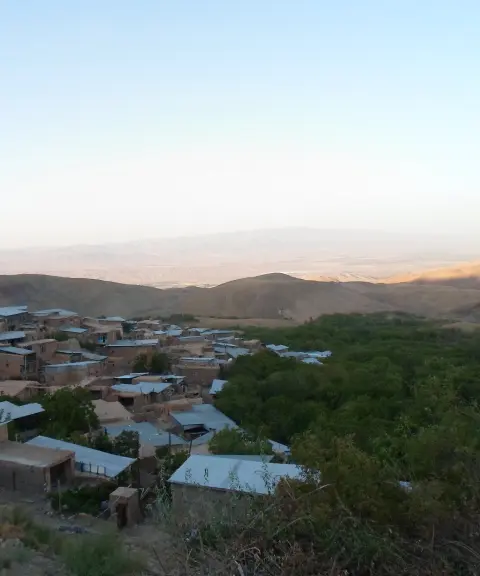
Saint Sarkis Church stands in the village of Upper Chenaghchi (Chenaghchi-ye Olya), in Kharaqan District of Zarandieh County, Markazi Province, Iran. It is regarded as one of the village's most important historical and religious landmarks. The village lies about 45 kilometers northwest of the city of Saveh, on mountain slopes surrounded by beautiful natural scenery. This ancient church is a reminder of the Christian presence in the region. It dates back more than three centuries and was once the site of religious ceremonies and rituals for Orthodox Christians.
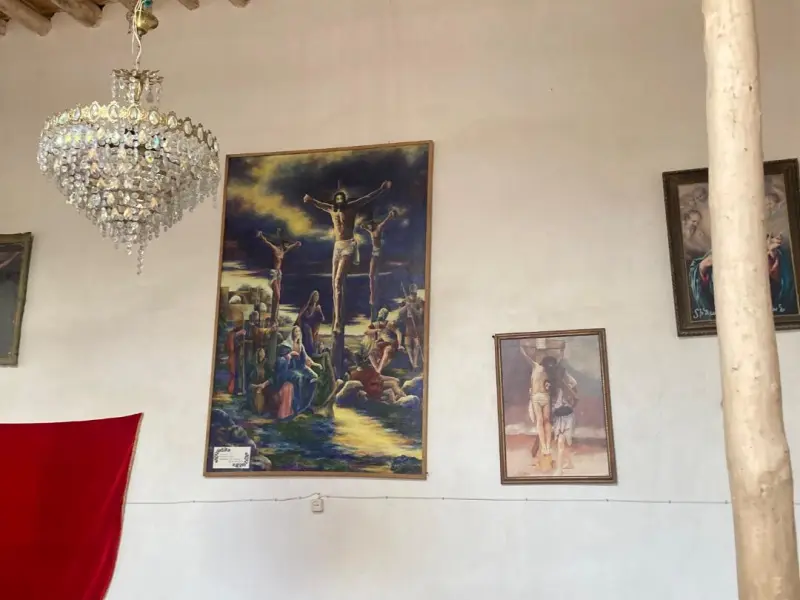
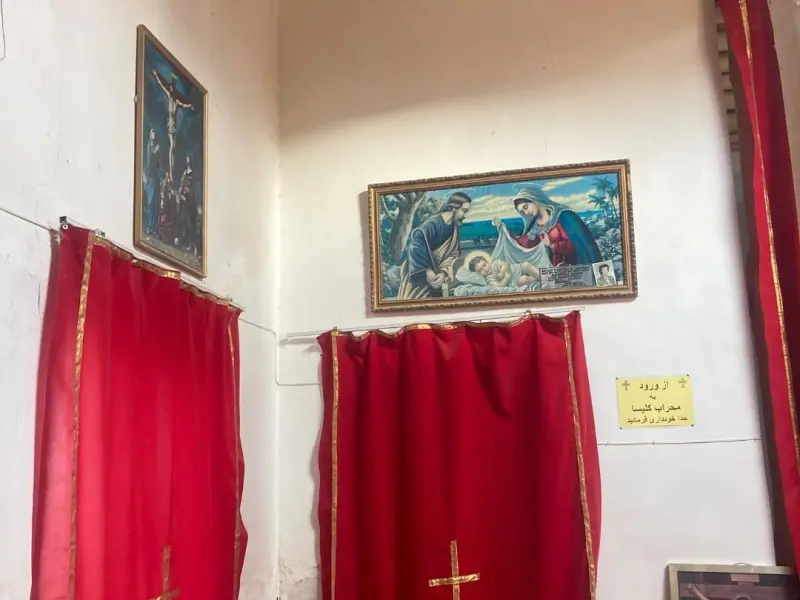
The architecture of Saint Sarkis Church is simple yet striking, and it was built with local materials such as wood, mud brick and fired brick. Inside, the walls are decorated with Christian patterns, images and religious symbols. The paintings include crosses, angels and depictions of Jesus Christ (peace be upon him), which give the space a spiritual atmosphere. These decorations reflect the artistic taste and deep faith of its builders, and are considered a valuable treasure of religious art in Iran. Saint Sarkis Church is a religious building more than three centuries old, and the present structure stands on the remains of the original church. The first building is attributed to around 1770 CE, and it was rebuilt in 1341 (Solar Hijri) with wood, mud brick and fired brick, thanks to the efforts of the builder Sarkis Dehbashian. The interior is adorned with symbols and paintings associated with the Christian denomination, and the altar is raised above the floor of the building, which reflects a traditional style of religious architecture. The church matters not only to Christians but is also a unique attraction for researchers of Iran's culture and religious history.
To reach Saint Sarkis Church, travel to the city of Saveh and drive from there to the village of Upper Chenaghchi. The mountainous road around the village offers beautiful natural views that make the trip more enjoyable. The best time to visit is spring and summer, when the countryside around the village is green and pleasant, and walking around the church and the village's other attractions is easier. While visiting, it is essential to respect the principles of protecting historical monuments and to practice responsible nature tourism. This includes not touching or moving historical elements, keeping the area clean, and respecting local culture, all of which help preserve this heritage for future generations.
Written by زهرا لنگری Last updated
What you can do here, and what it takes
مسیرهای پاکوب اطراف روستا و بهخصوص پیرامون کلیسا برای پیادهروی تفریحی و مشاهده بافت تاریخی و طبیعت کوهستانی مناسب است.
Province Markazi
Province Markazi
Province Hamadan


Unfortunately, no comments have been registered.