
 Attractions
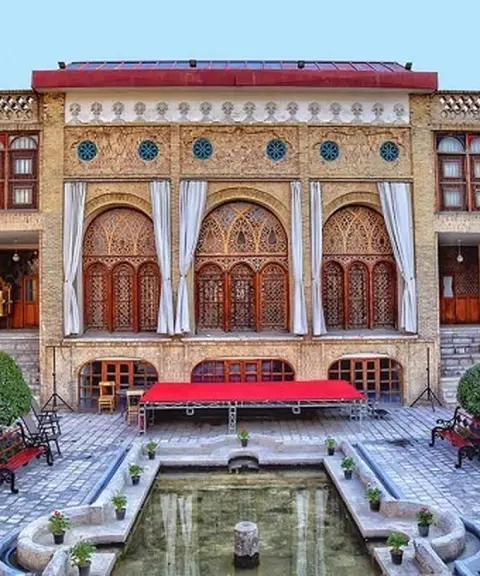
Khanat Caravanserai
A Historic Gem in the Heart of Tehran
- Attractions
- Tehran, Tehran
- Altitude 1,130 m
- Ability level Beginner
Ability level:
Beginner
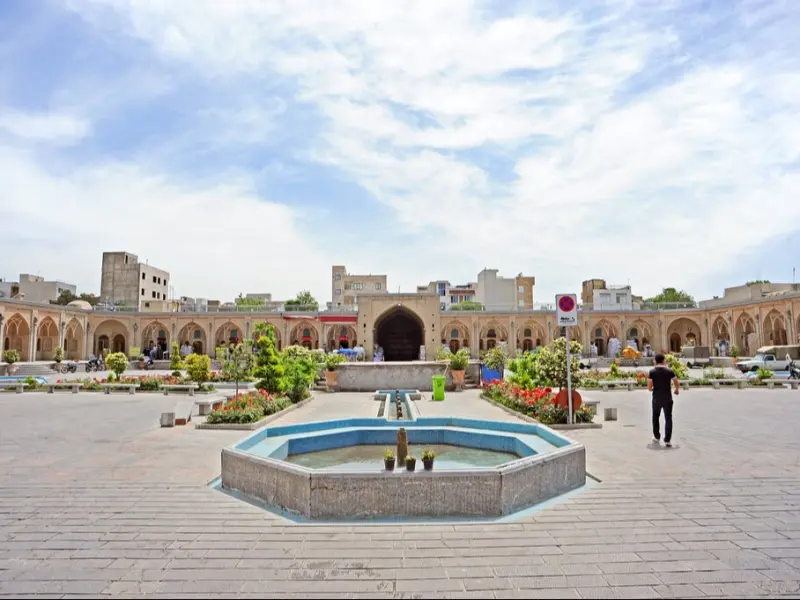
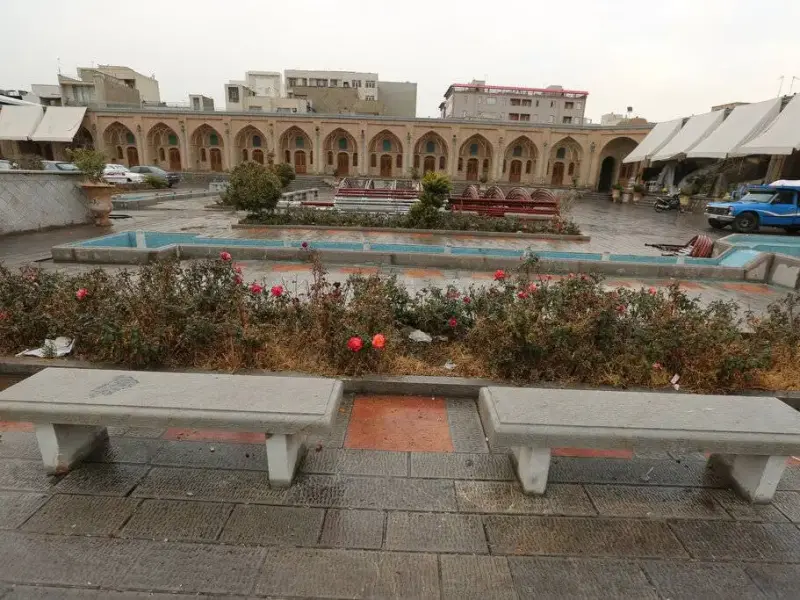
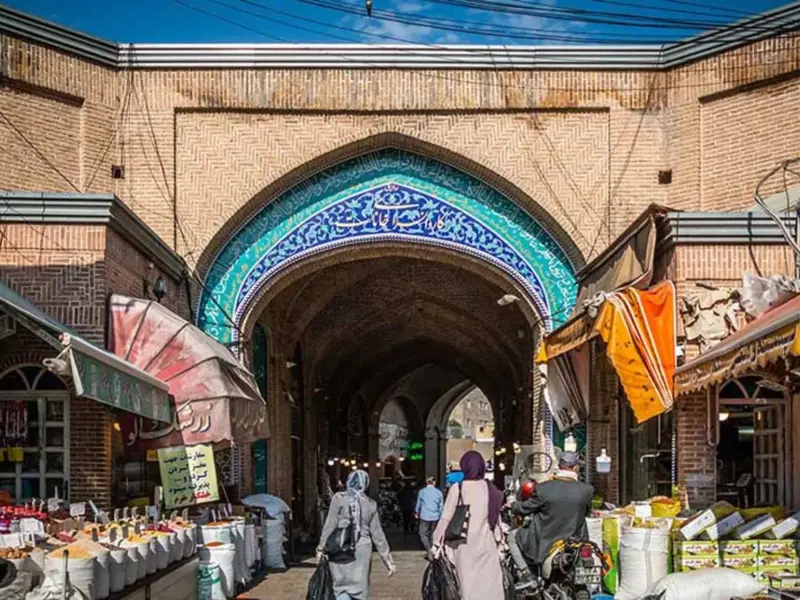
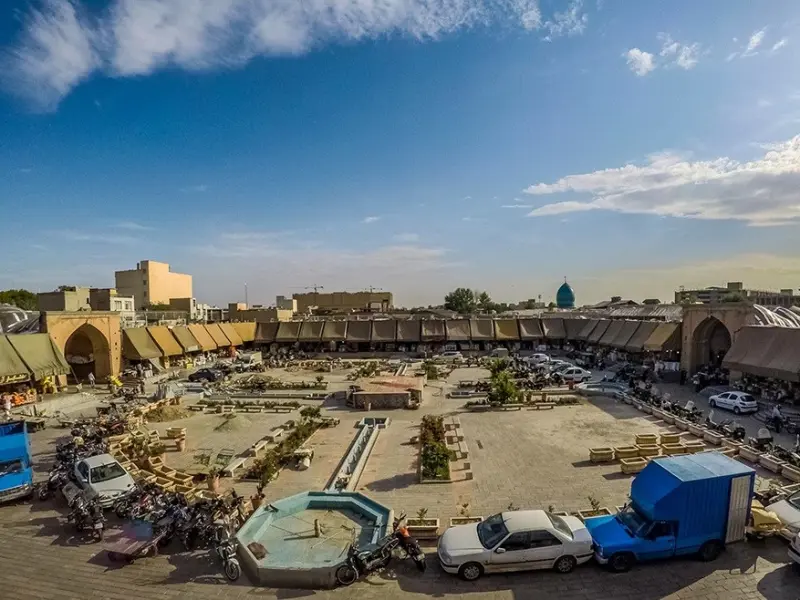
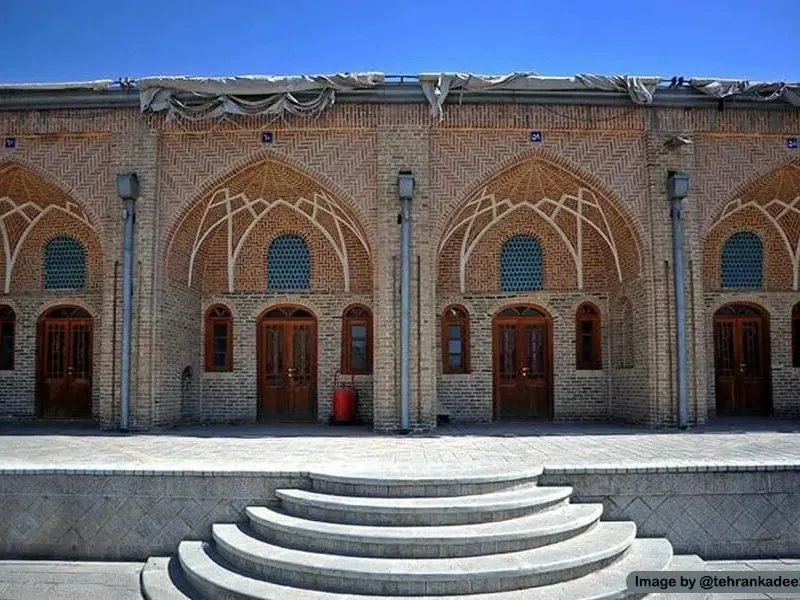
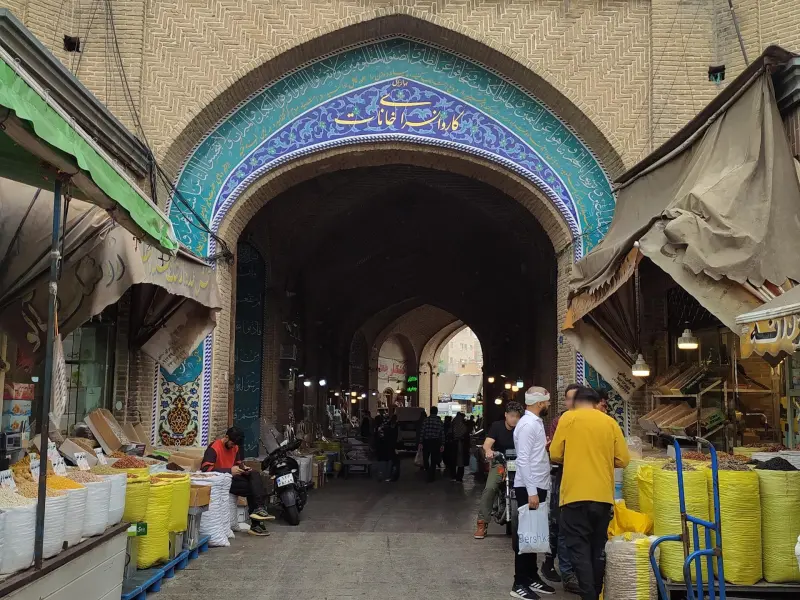
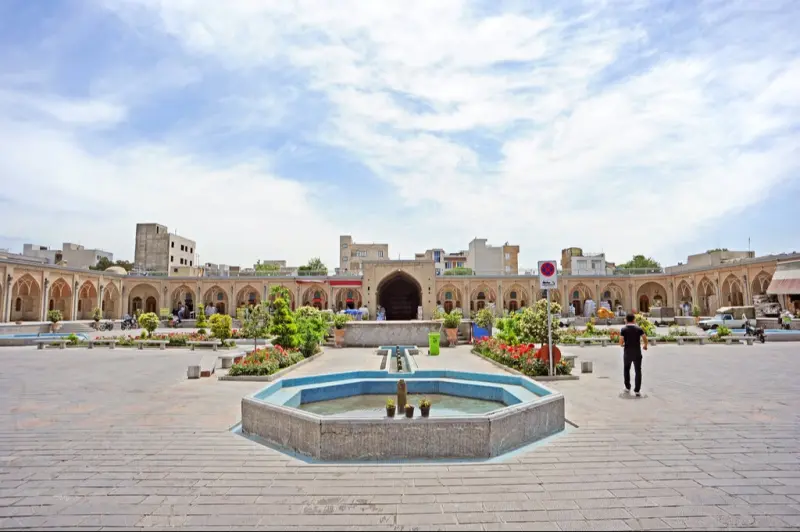
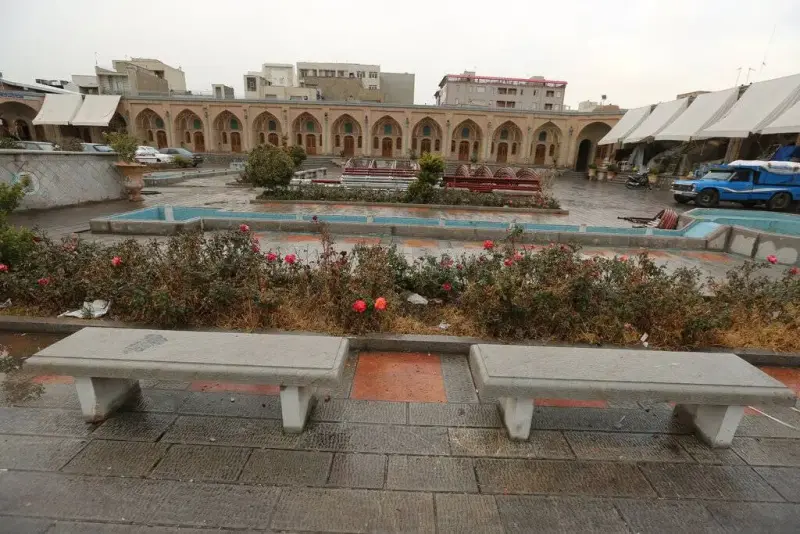
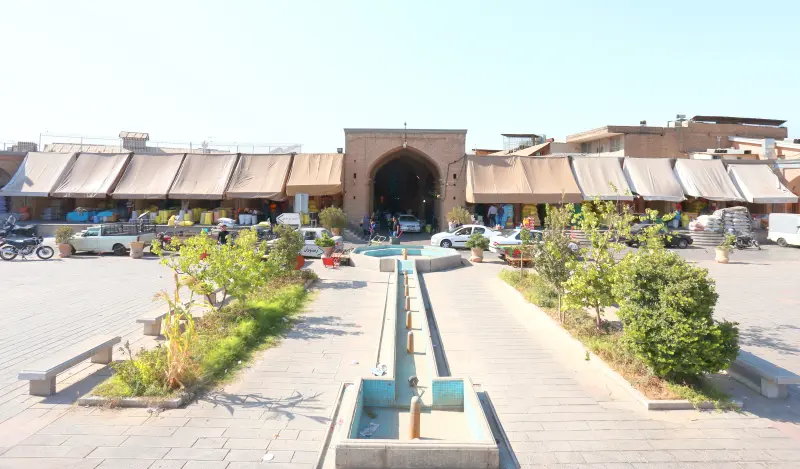
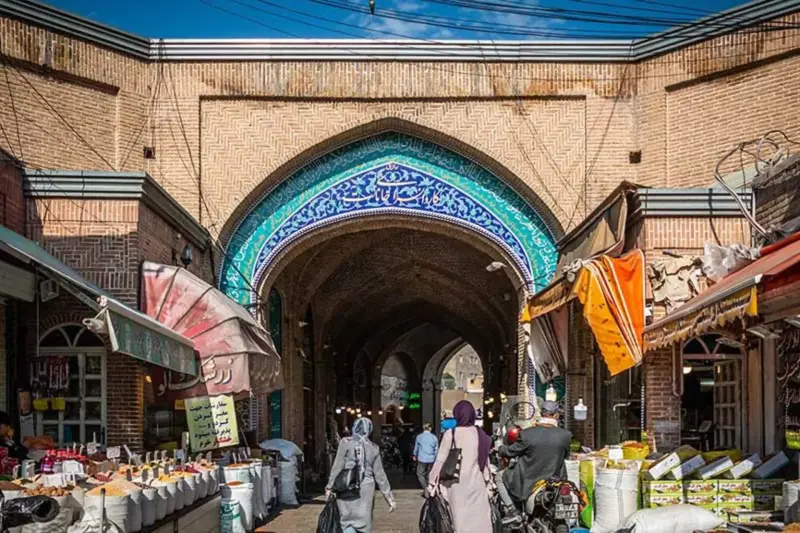
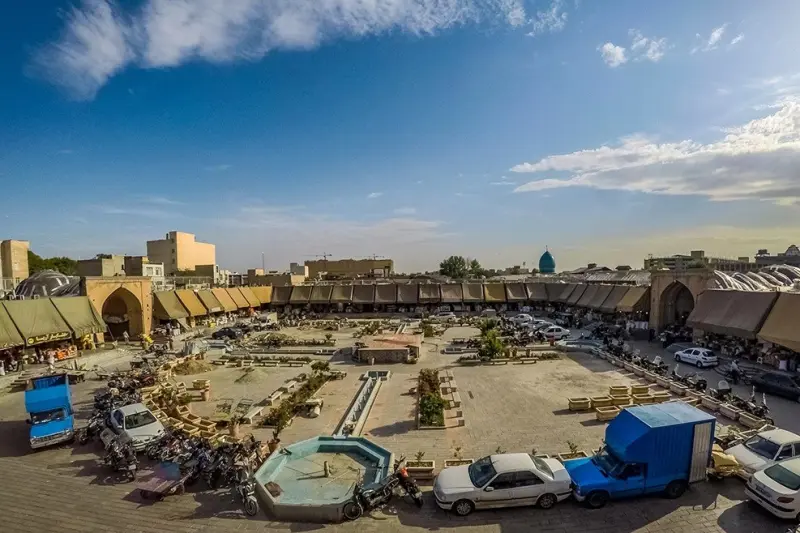
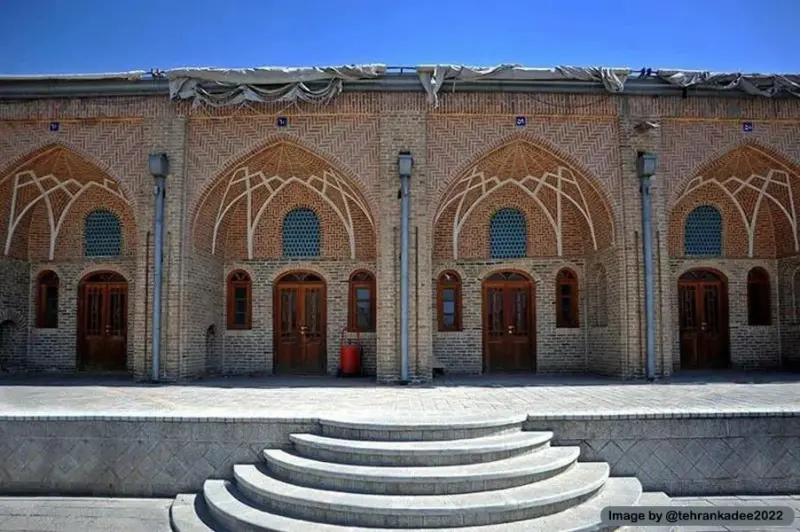
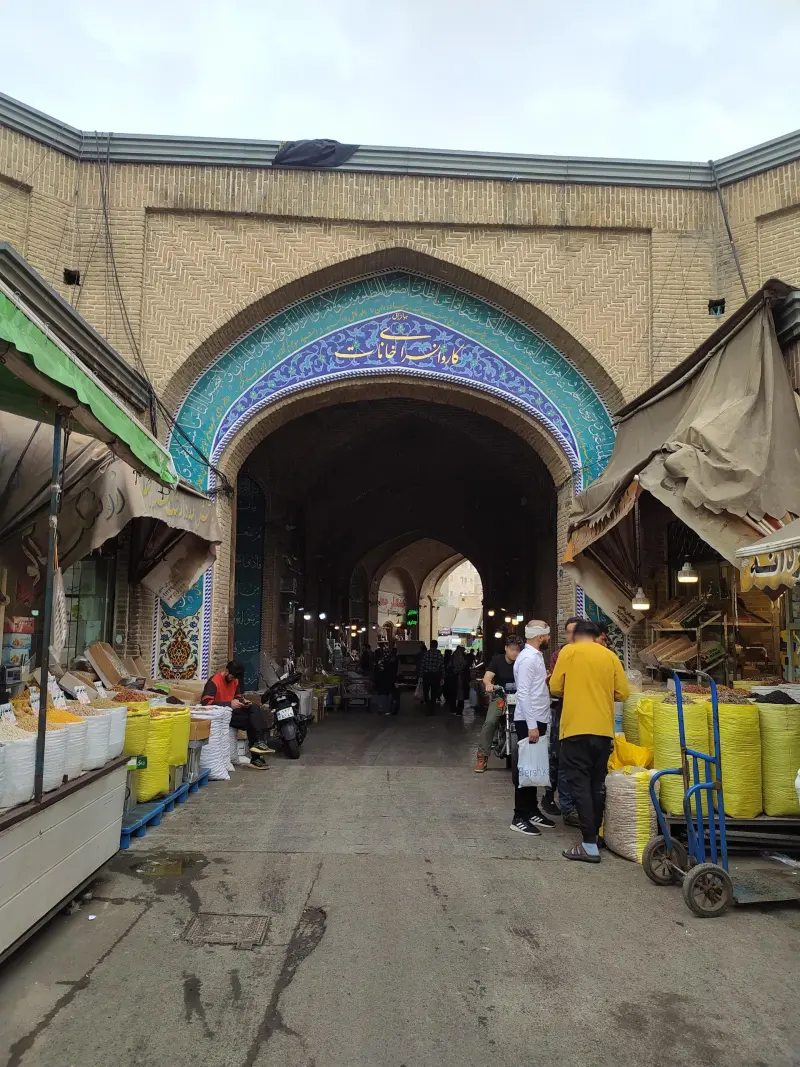
Khanat Caravanserai, the largest urban caravanserai in Tehran, is located on Sahebjam Street, north of Shush Square and south of Molavi Intersection. The building was constructed in the late reign of Naser al-Din Shah Qajar and was once used as a resting place and unloading point for caravans and travellers on the route from Tehran to Rey. With an area of about 10,500 square metres, Khanat Caravanserai consists of 54 small rooms with tall wooden doors and a camel-keeping area (shotorkhan) behind the rooms. In the past, the caravanserai was also known as the "Sarai Roghani-ha" (Oil Merchants' Caravanserai), because it was a place for buying and selling cooking oil.
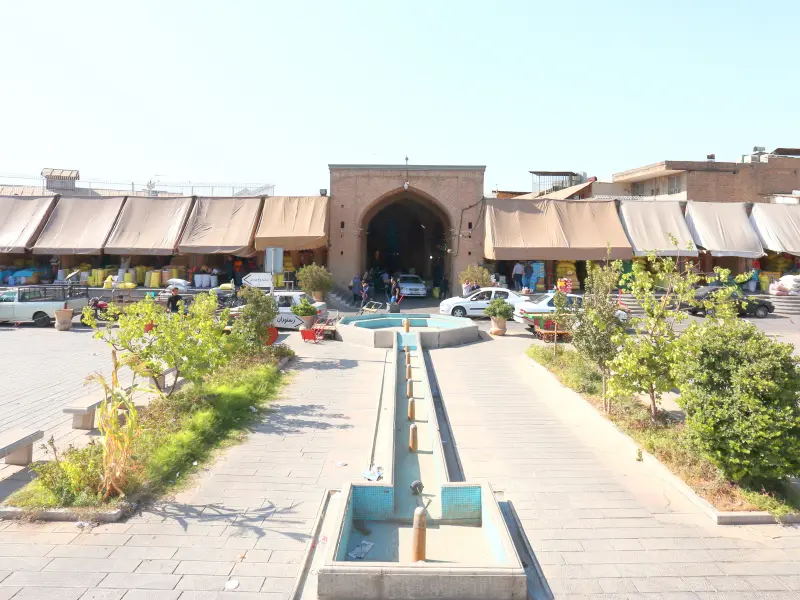
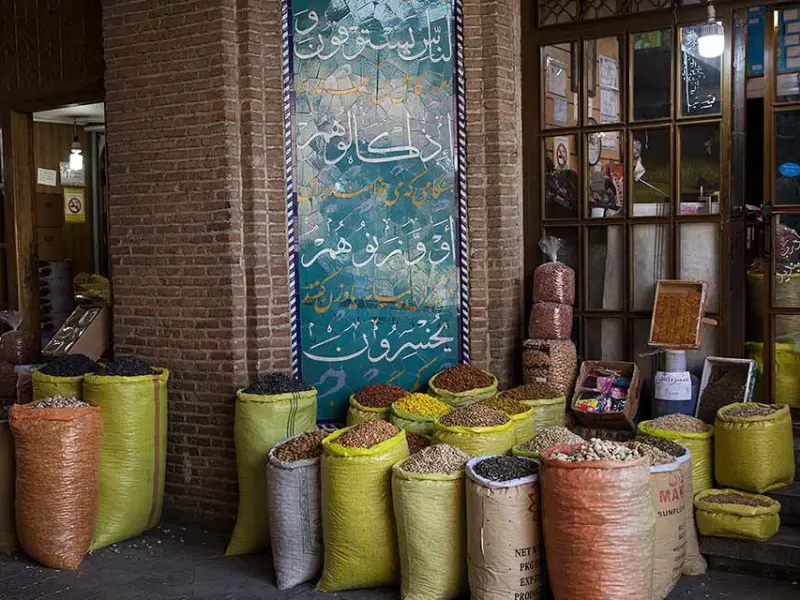
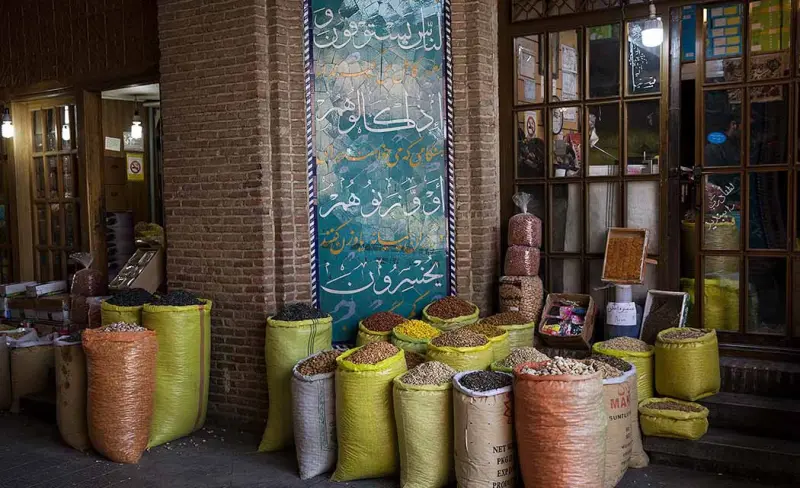
The architecture of Khanat Caravanserai features brickwork and geometric knot patterns (gereh-sazi), and materials such as brick, stone, lime, gypsum plaster, mud and wood were used in its construction. The main entrance door is made of Russian wood and is five metres high, and its 40 decorative studs catch the eye of every visitor. Around the door, tiles are installed bearing guidance from Imam Ali (peace be upon him) on the etiquette of buying and selling. After the fire of 1357 (1979), the caravanserai remained unused for some time, but it was officially reopened in Esfand 1388 (March 2010) with a Nowruz celebration. Today, while preserving its historical identity, the caravanserai has become Tehran's dried fruit and nut exchange and continues to play an active role in the city's economic and cultural life. This valuable building was registered on Iran's National Heritage list in 1382 (2003) under number 10418.
To get there, you can take the metro: the nearest metro station is Molavi Station, and the caravanserai is a few minutes' walk from it. If you are travelling by private car, you can take Molavi or Shush streets towards Sahebjam Street and park in the surrounding area. The best time to visit is spring and autumn, when Tehran's weather is pleasant and ideal for walking and exploring the historic setting. Responsible tourism here means respecting the historic structure and its artefacts, avoiding any damage to the doors and building materials, keeping quiet and calm, and not littering.
Written by زهرا لنگری Last updated
Activities
What you can do here, and what it takes
-
Walking
مسیرهای اطراف کاروانسرا و گذرهای تاریخی محله مولوی مناسب قدمزدن و لمس فضای تاریخی تهران است.
Specifications
Introduction of the location and specifications of Khanat Caravanserai
Location:
Tehran, Tehran
Coordinates:
35.66710870, 51.42999400
Open in maps
Height above mean sea:
1130 meter
Transports:
Private car, Minibus, Bus
Tourist Attractions in Tehran
Attractions that are nearby
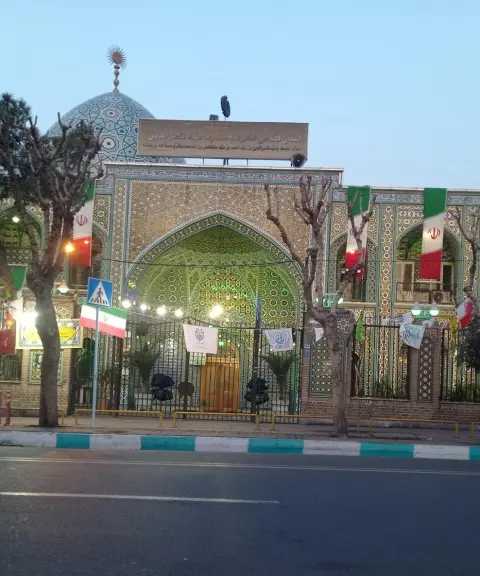
Imamzadeh Seyyed Nasreddin
Province Tehran
- Walking
A historic shrine with stunning tilework in the heart of Tehran
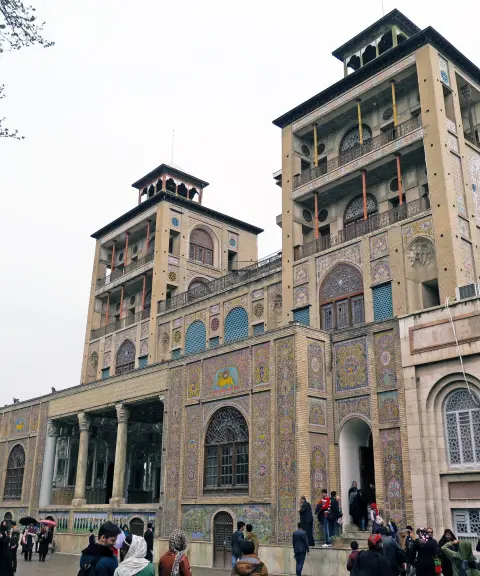
Shams-ol-Emareh
Province Tehran
- Walking
Tehran's first skyscraper and a symbol of Qajar architectural splendor
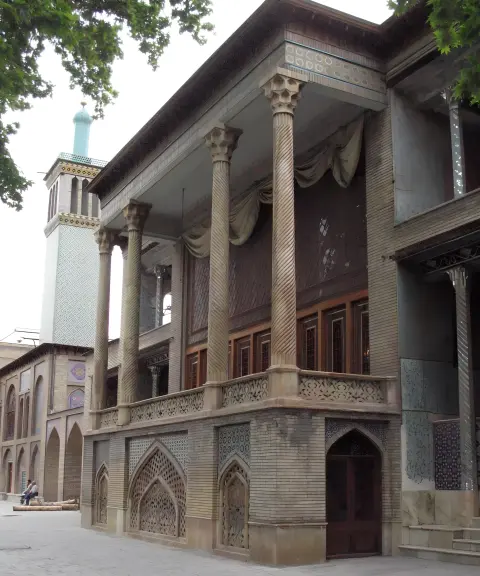
Badgir Mansion
Province Tehran
- Walking
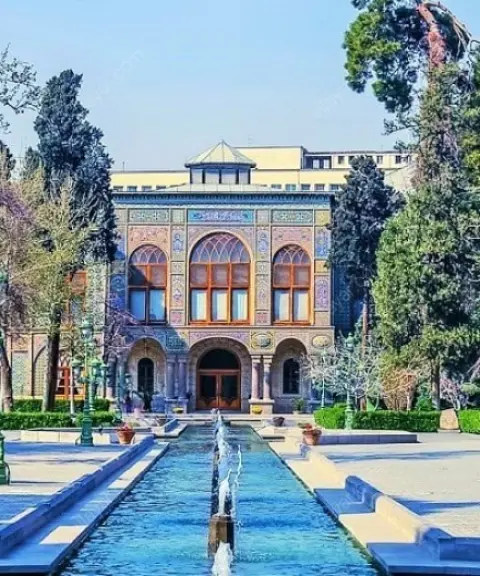
The Splendor of Qajar Architecture in the Heart of Golestan Palace
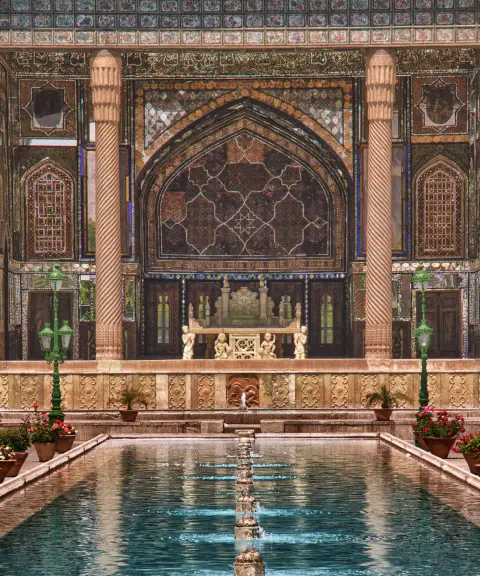
Marble Throne Veranda
Province Tehran
- Walking
The splendour of royal art and architecture in Golestan Palace, Tehran
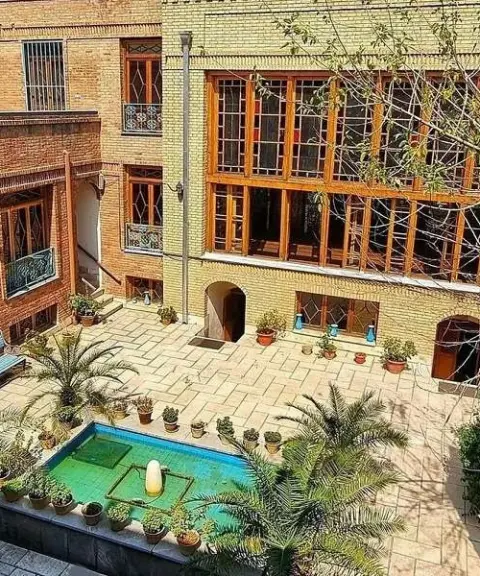
Sultan Begum Mansion
Province Tehran
- Walking
A Masterpiece of Qajar Architecture in the Heart of Tehran
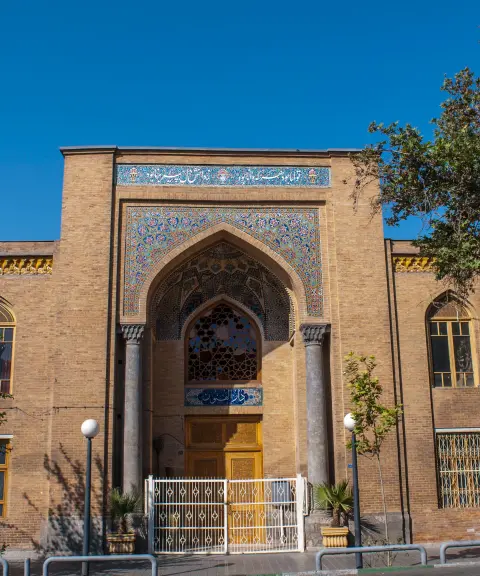
Dar ul-Funun School
Province Tehran
- Walking
The birthplace of modern education in the heart of Tehran
Related tags:
Unfortunately, no comments have been registered.