
 Attractions
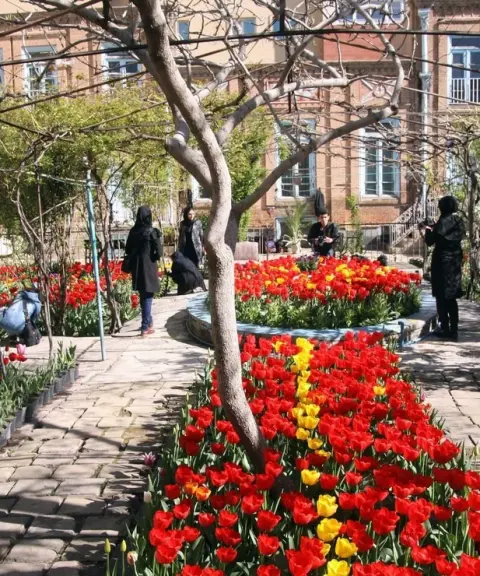
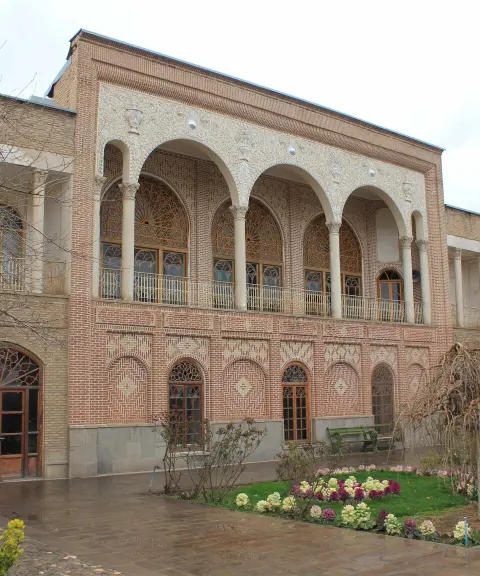
Laleh-ei House
Province East Azerbaijan
- Walking
The Turquoise Jewel of Iran's Islamic Architecture
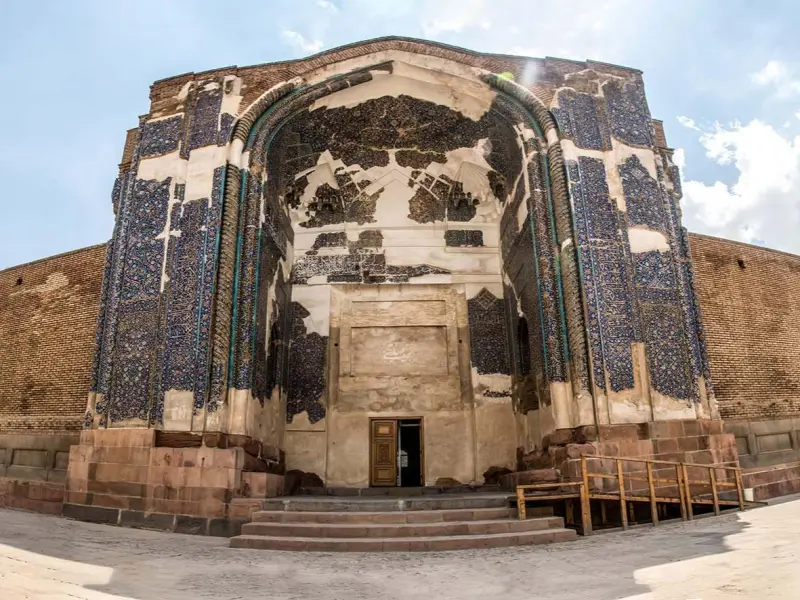
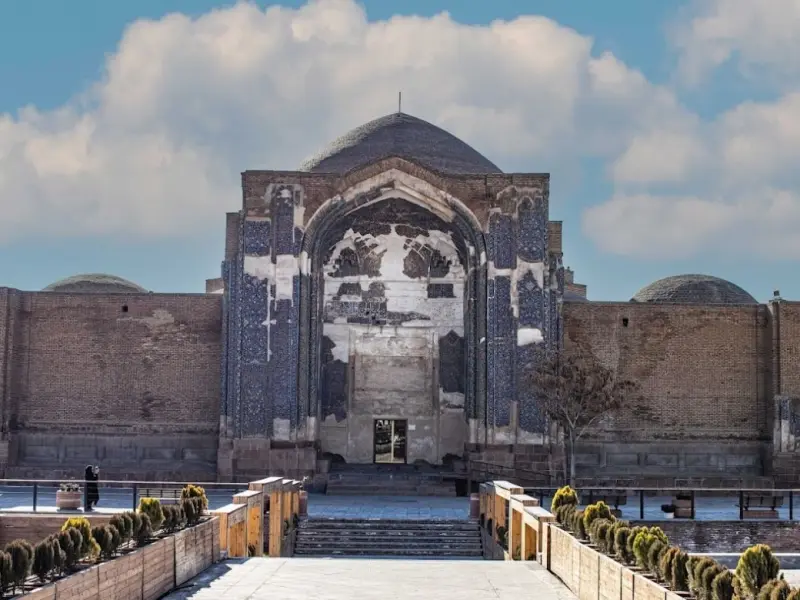
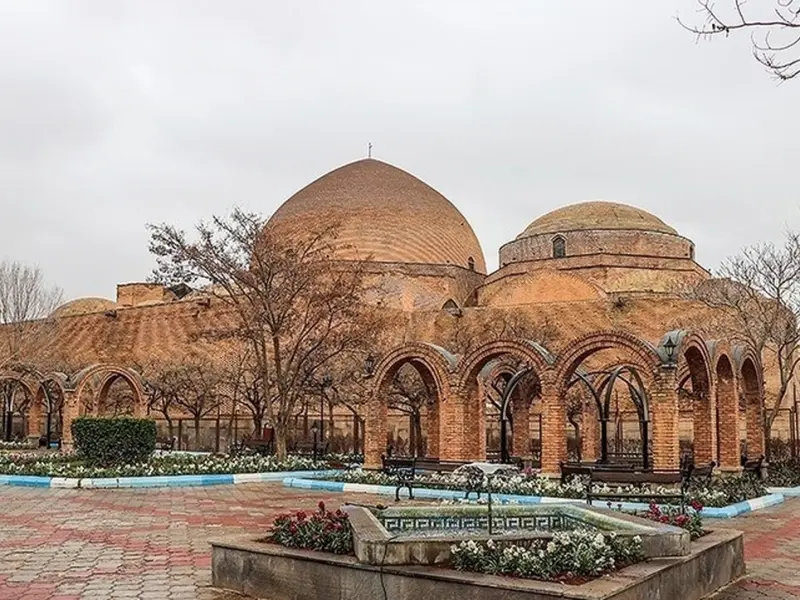
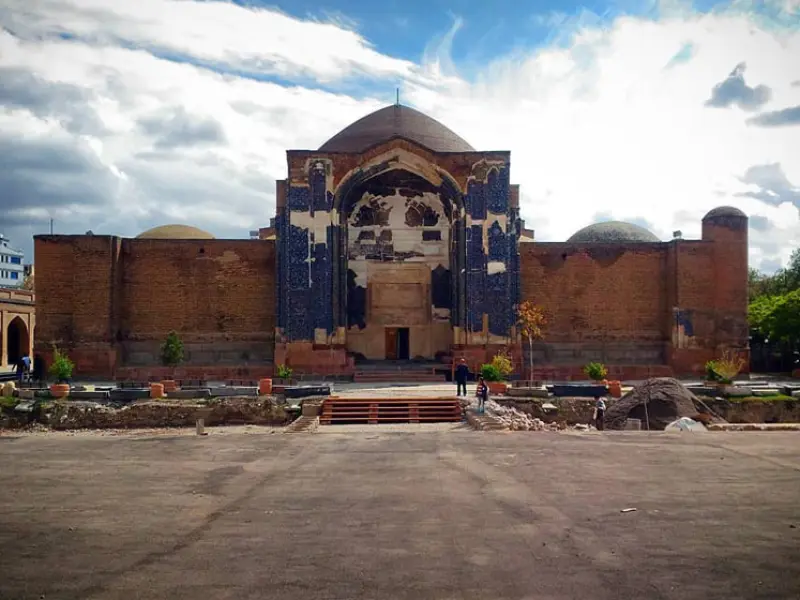
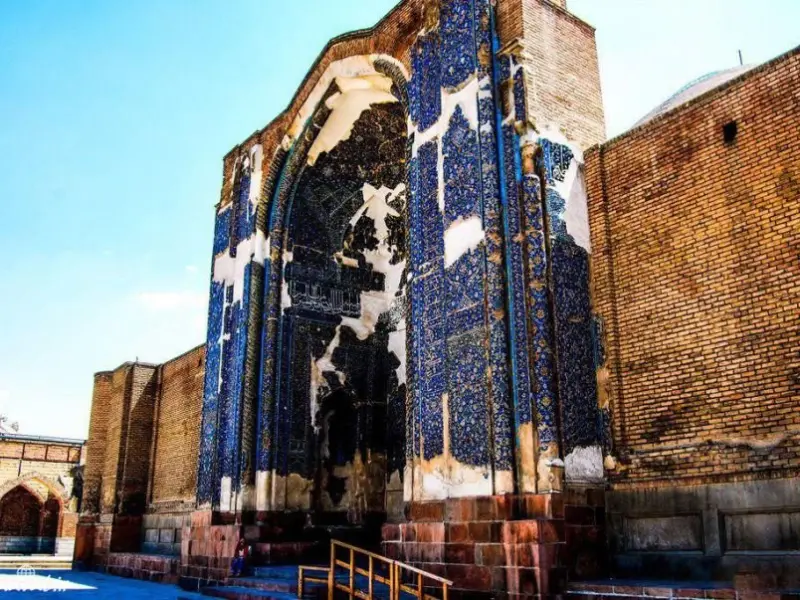
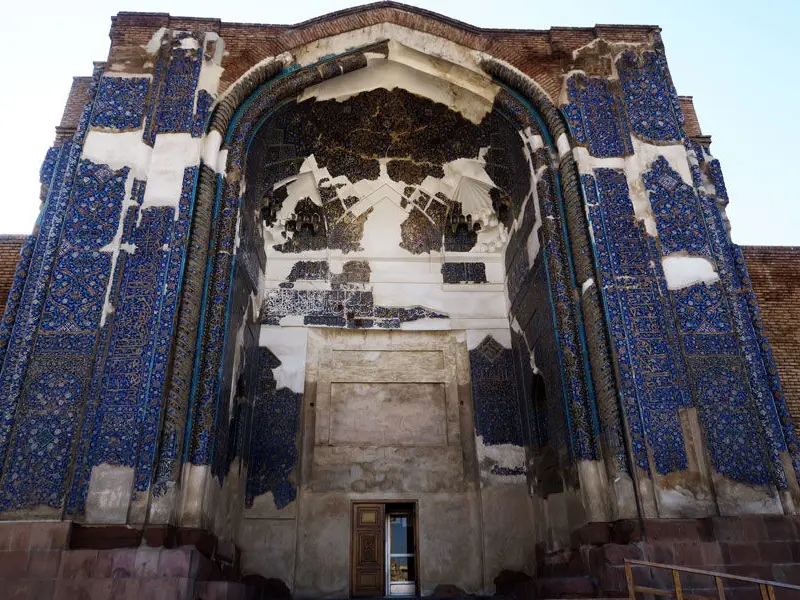
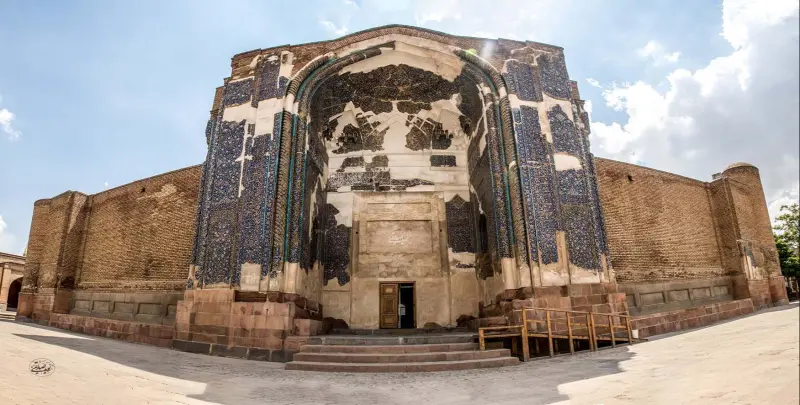
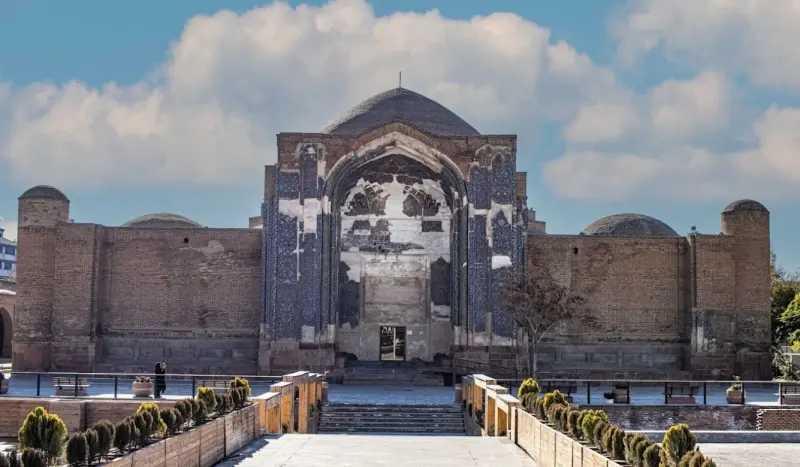
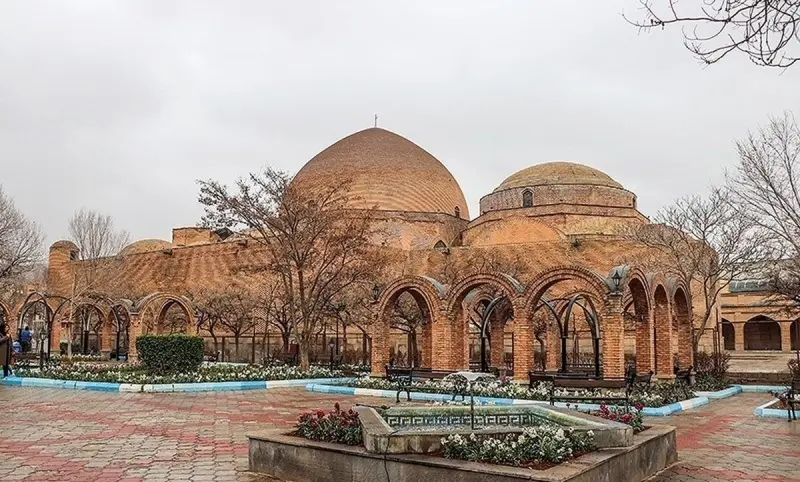
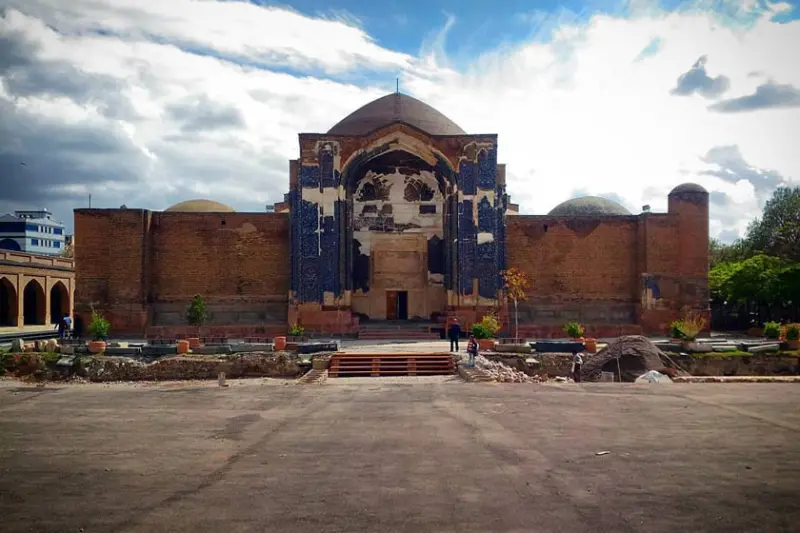
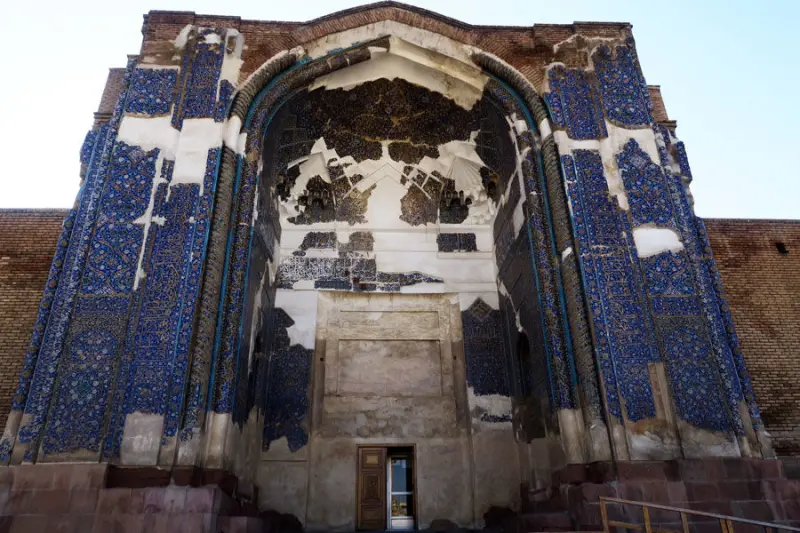
The Kabud Mosque of Tabriz, also known as the "Goy Masjid" (Blue Mosque), stands on Imam Khomeini Street, near Clock Square (Meydan-e Saat) and beside Khaqani Park. It was built in the 9th century AH, during the rule of the Qara Qoyunlu dynasty, and is regarded as one of the masterpieces of Iran's Islamic architecture. More than 600 years after it was built, it still keeps its beauty and splendor.
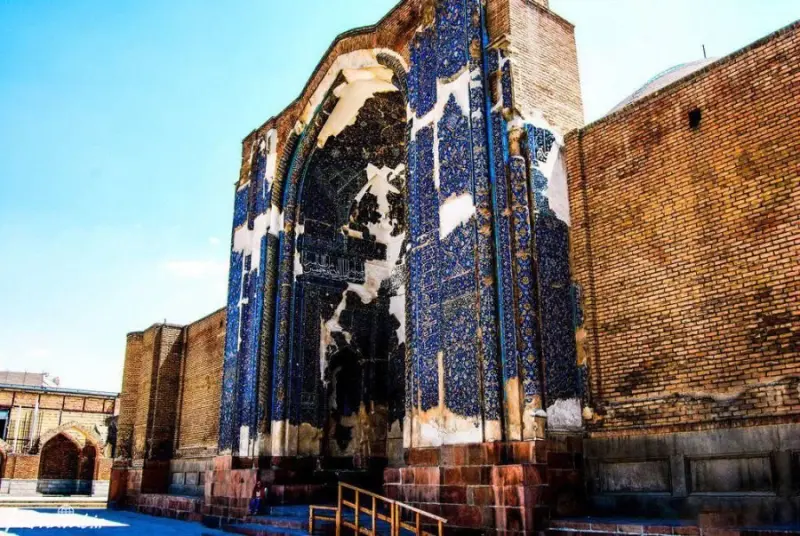
The Kabud Mosque was built in 870 AH by order of Sultan Jahan Shah Qara Qoyunlu. It was part of a larger complex called "Muzaffariyya", which included a mosque, a khanqah (dervish lodge), a library and a bathhouse. Unfortunately, most of the complex was destroyed in the earthquake of 1193 AH, and only the Kabud Mosque survived. Because of its turquoise and lapis-blue tilework, the mosque has become known as the "Turquoise of Islam". The inscriptions above the mosque's entrance, written in the calligraphy of Ne'mat-Allah al-Bavvab, confirm that the building dates to the year 845 (Solar Hijri). The tilework on the outer wall of the mosque that refers to the Rashidun Caliphs dates back to the Sunni rule of Uzun Hasan.
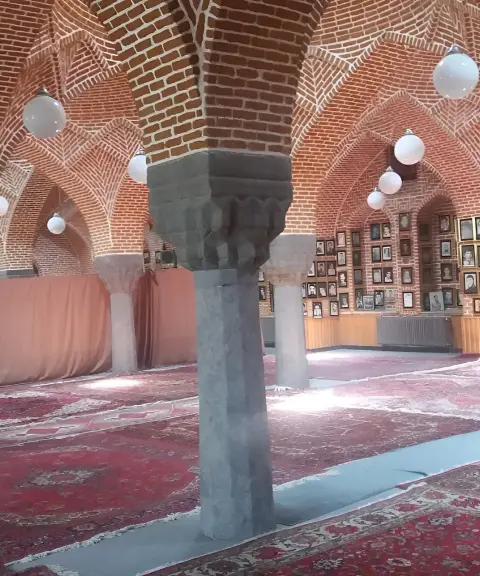
In 1158 (Solar Hijri), this historic monument was badly damaged by a severe earthquake, and its beautiful domes collapsed. After standing in ruins for many years, the mosque was restored. Working with artists, the restorers rebuilt and recreated the various parts of the building, including the base layers, the plasterwork, the designs and the inscriptions. To preserve the motifs and colors, the lines around them were also incised, painted and sealed with a protective layer, so that this valuable historic monument can be preserved for future generations. The Kabud Mosque is built of brick and, in some parts, marble. Its architecture is in the Azari style, and it has a large dome covered with beautiful, colorful tilework. Inside the mosque you can see artistic decoration including calligraphic inscriptions, arabesque and geometric patterns, and mosaic tilework, each reflecting the taste and skill of the architects of that era.
Written by زهرا لنگری Last updated
What you can do here, and what it takes
کفش پیادهروی به همراه داشته باشید.
Province East Azerbaijan
Province East Azerbaijan
Province East Azerbaijan
Province East Azerbaijan
Unfortunately, no comments have been registered.