
 Historic Castle
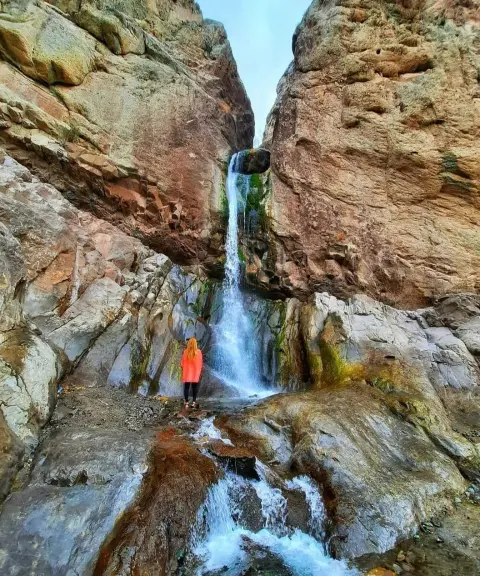

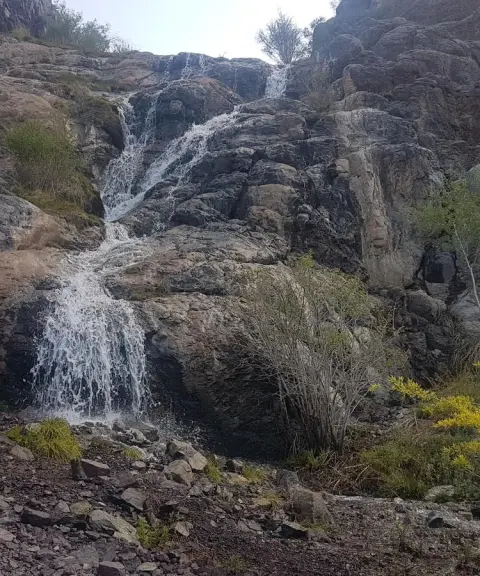
Rayen Waterfall
Province Kerman
- Walking
- Ice Climbing
- Swimming
The second largest adobe structure in the world
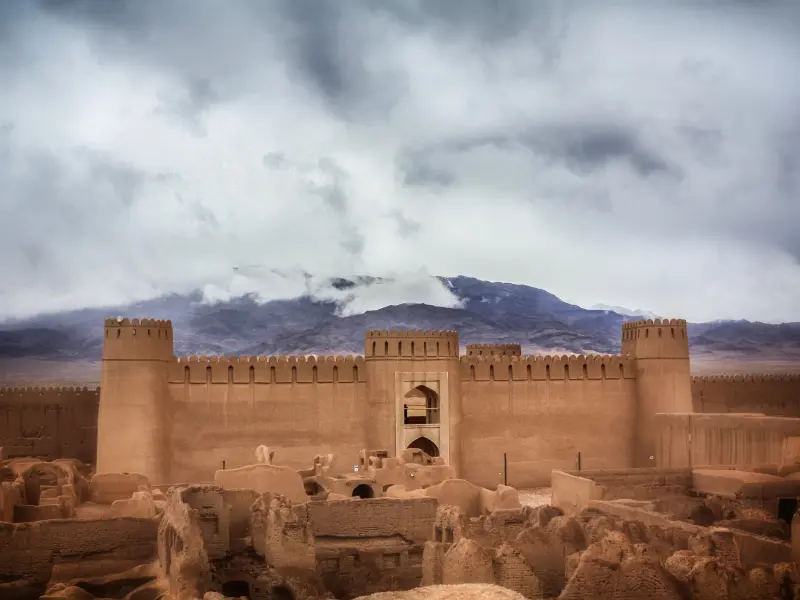
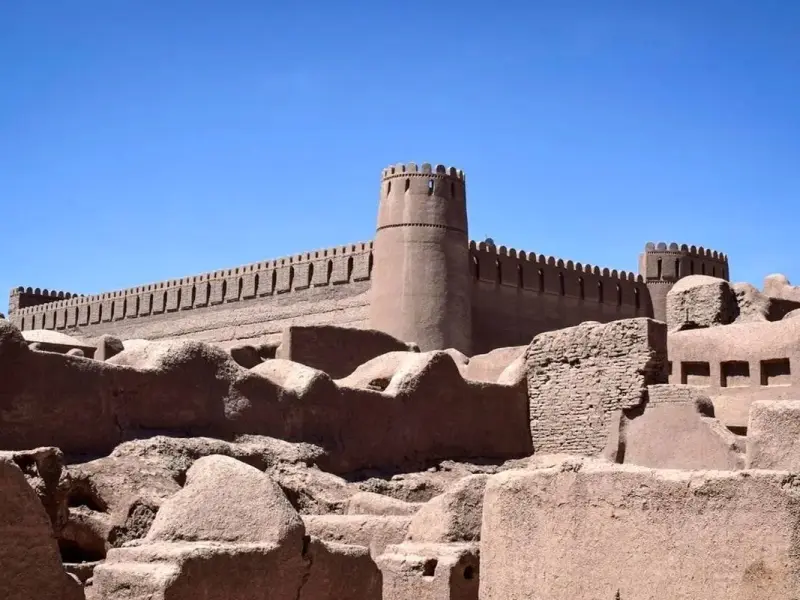
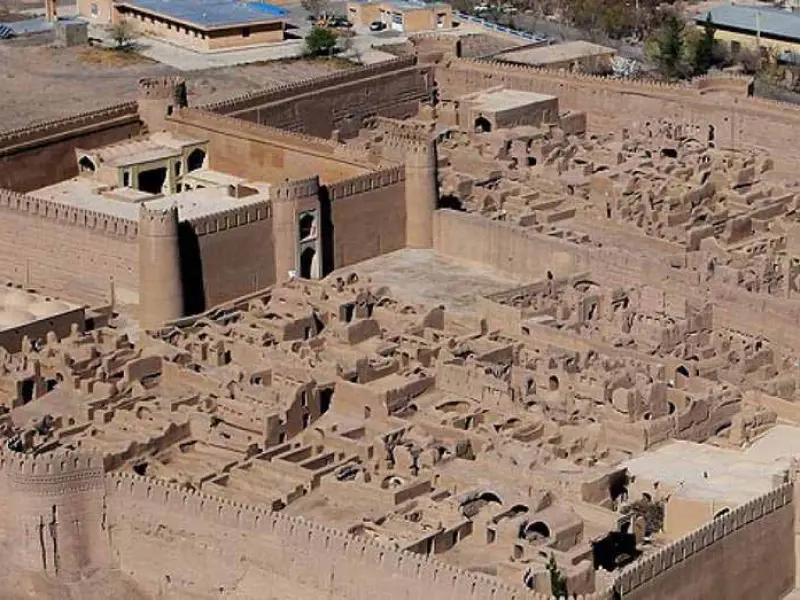
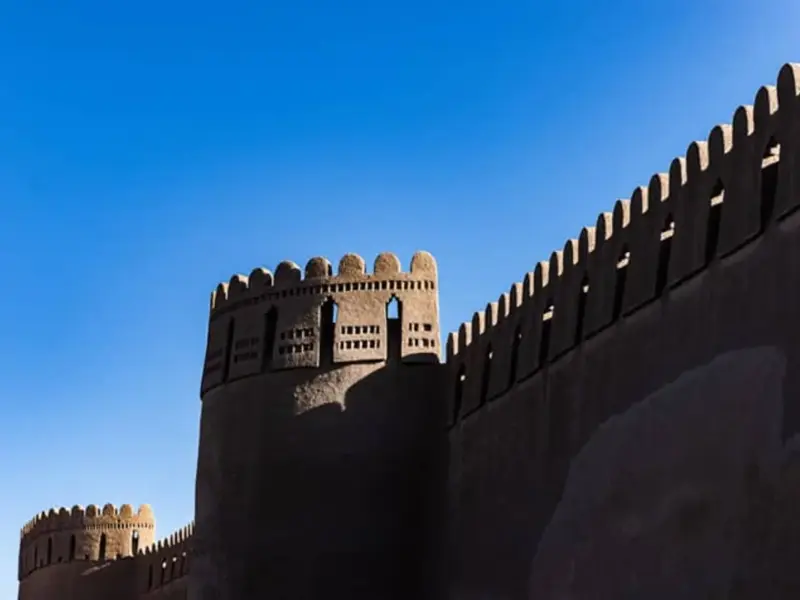
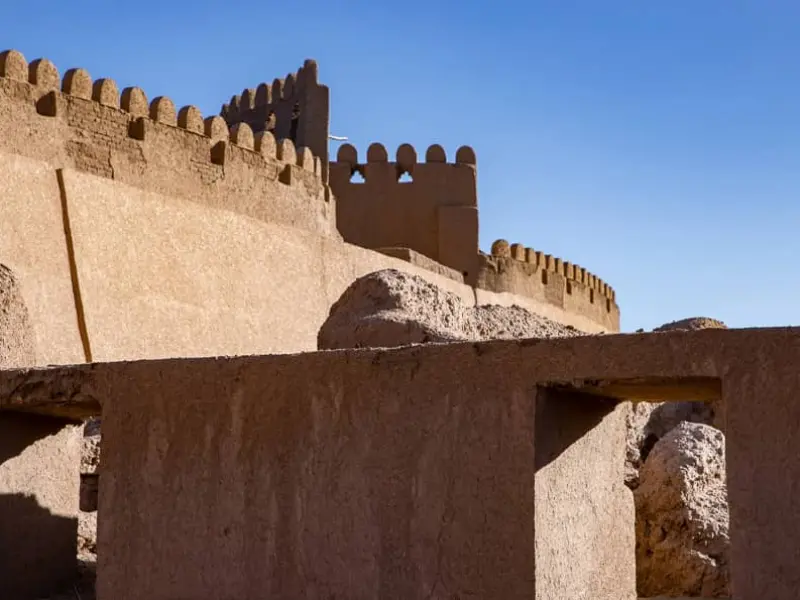
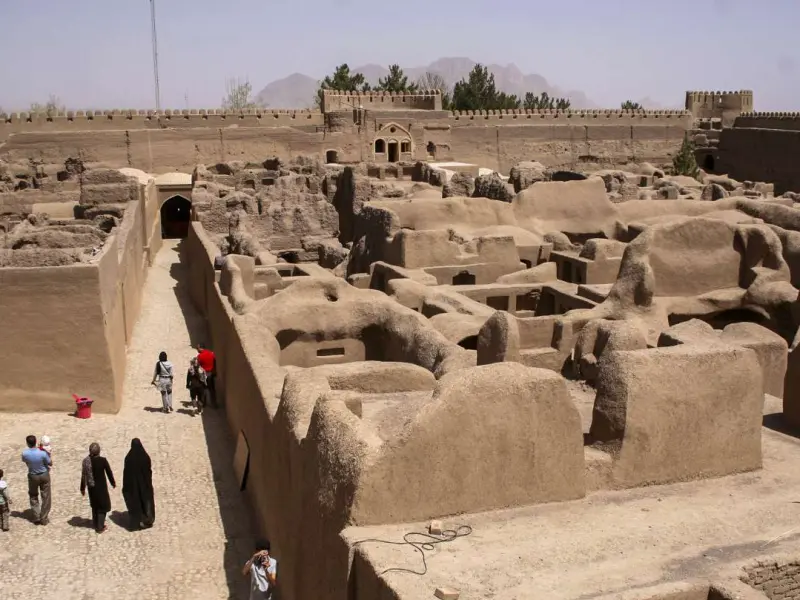
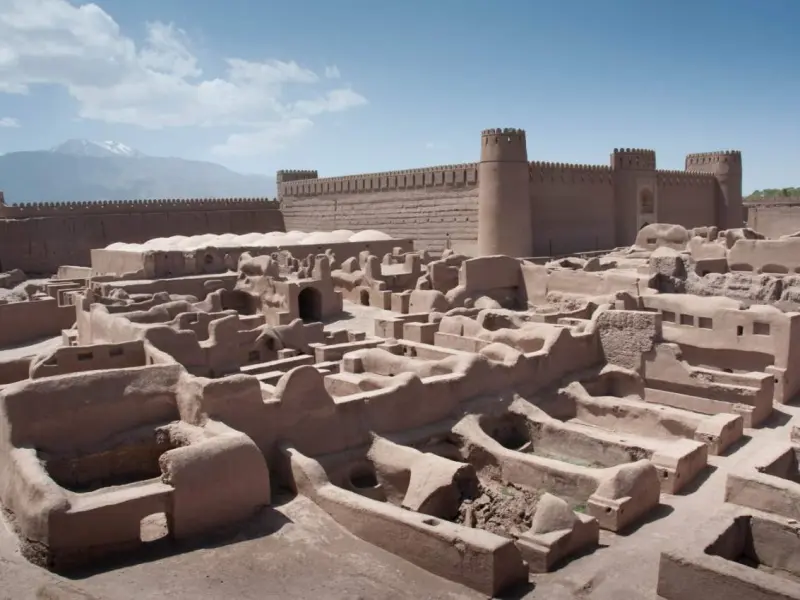
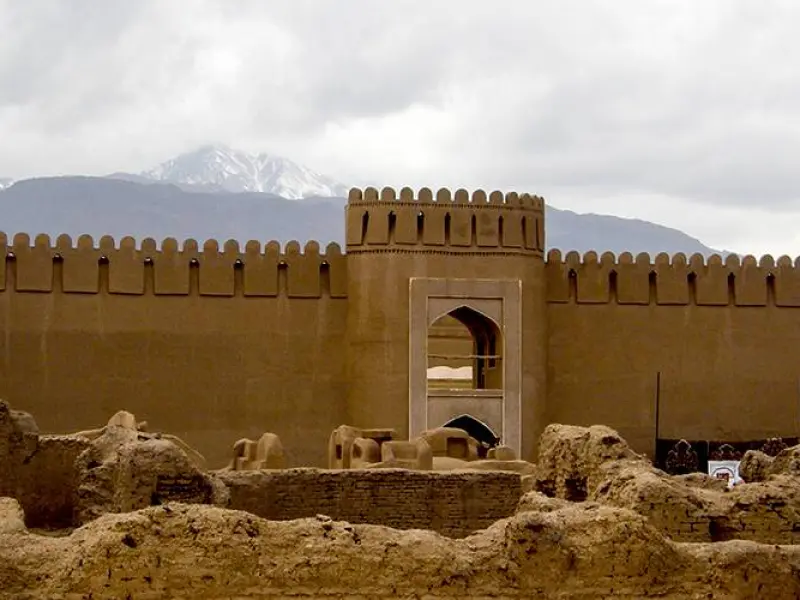
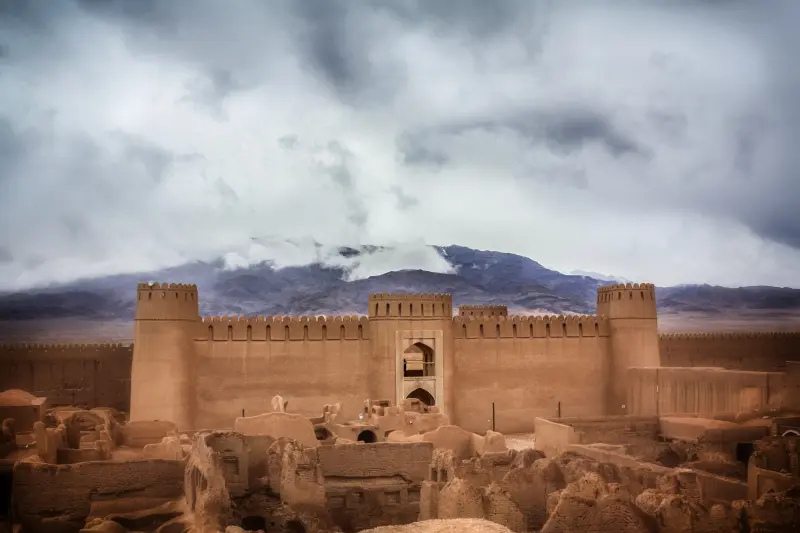
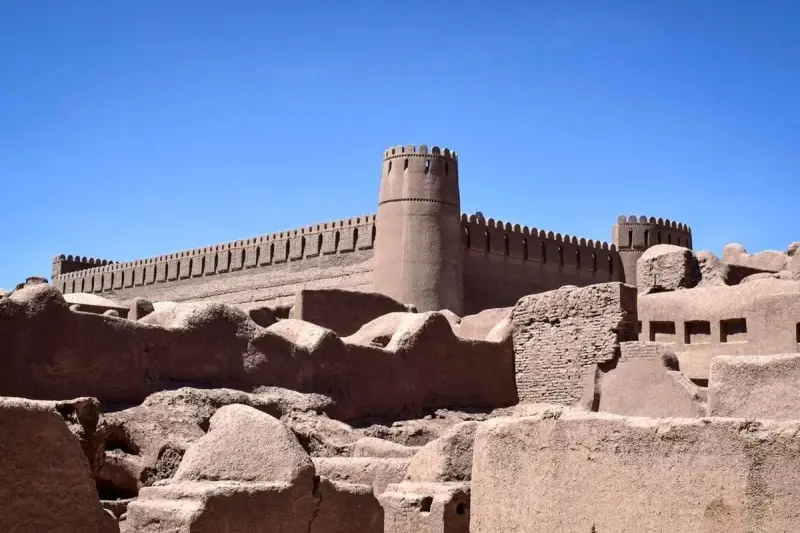
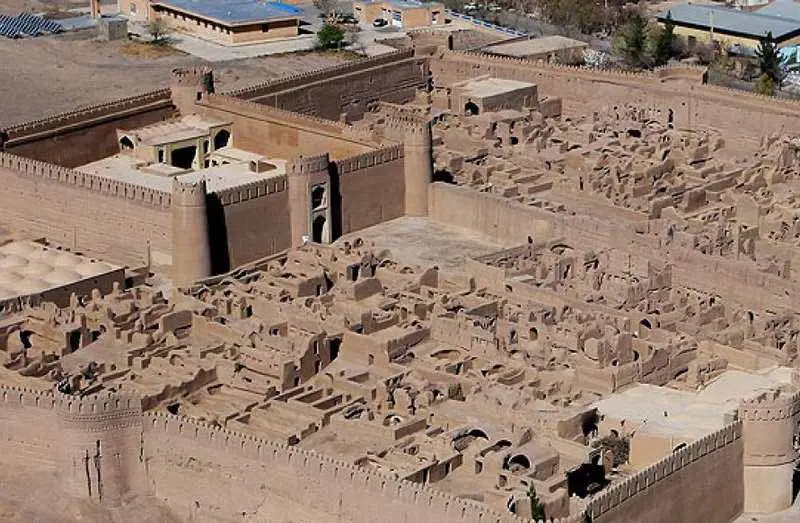
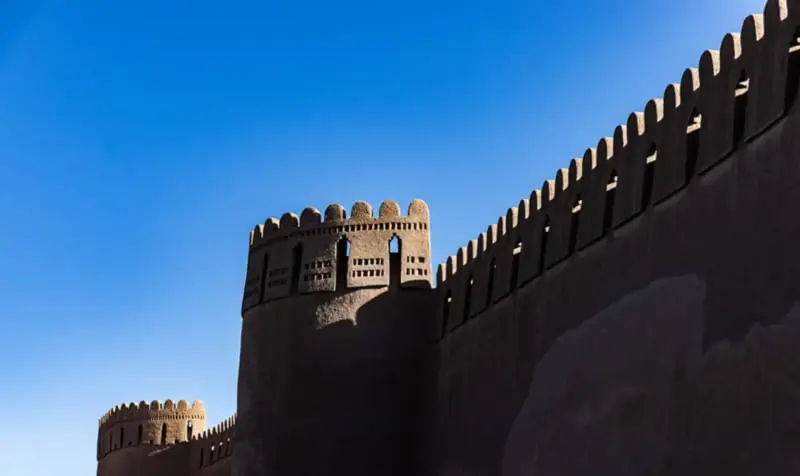
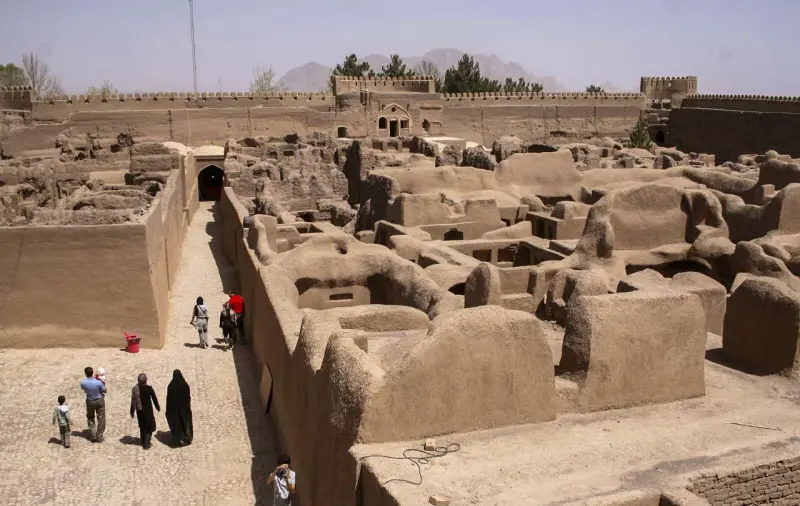
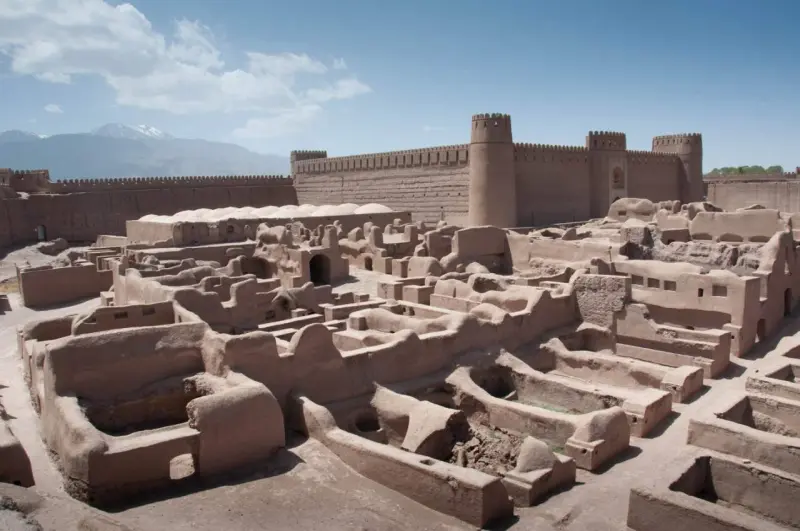
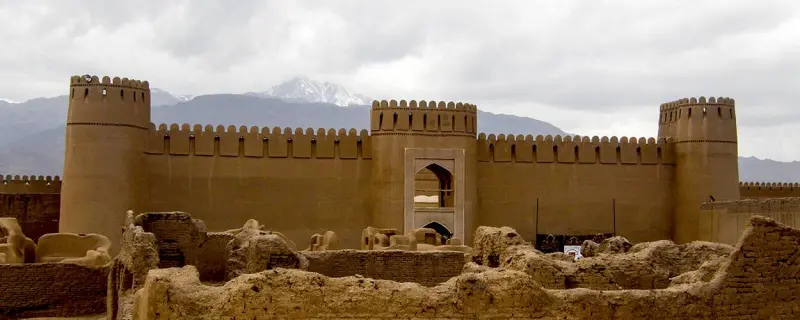
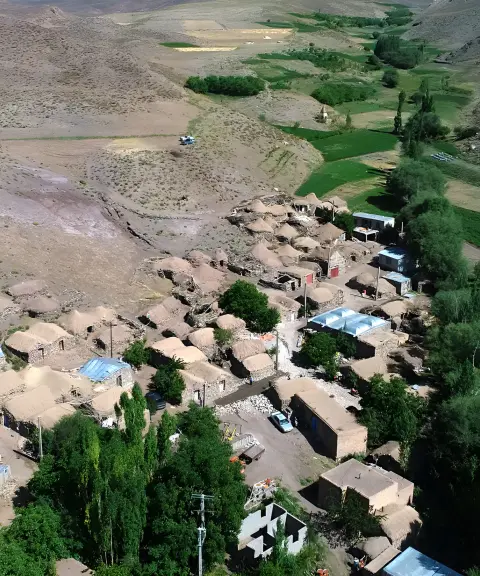
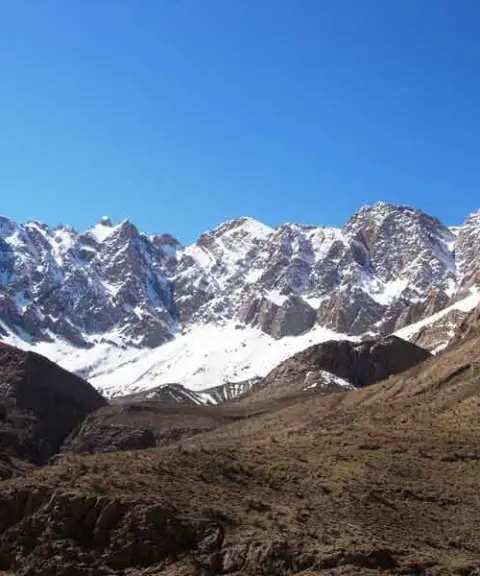
Arg-e Rayen (Rayen Citadel), the second largest adobe structure in the world after the Arg-e Bam, stands in the historic town of Rayen in the south of Kerman Province. The fortress sits on a hill at the foot of the Hezar (Hezar Mosque) Mountains, about 100 kilometres south of the city of Kerman. Covering more than 22,000 square metres, Arg-e Rayen is over a thousand years old and dates from the Sasanian era to the Qajar period. With its tall walls and sturdy towers, this historic fortress is a symbol of the defensive architecture of Iran's desert, and it still stands firm despite earthquakes and the passage of time.
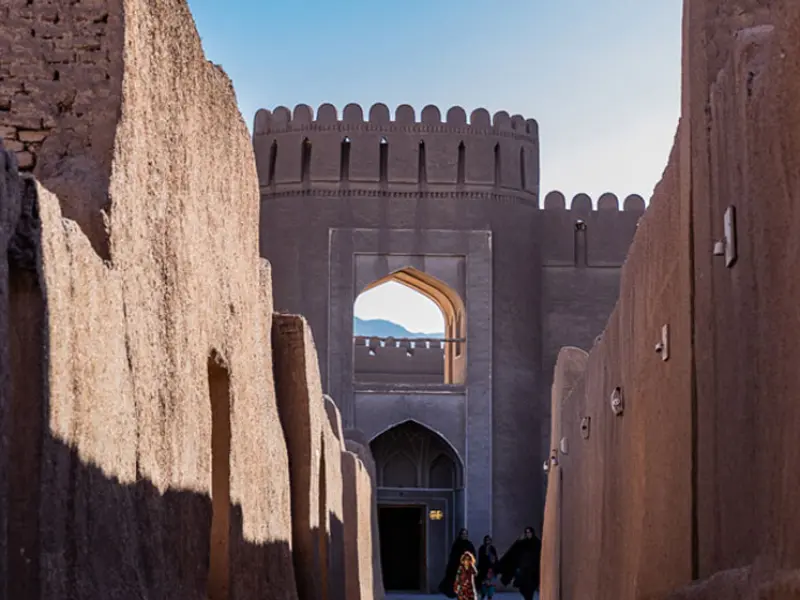
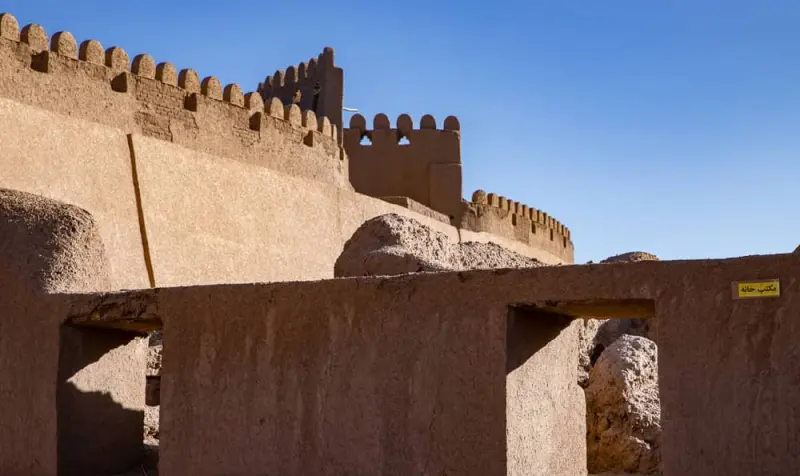
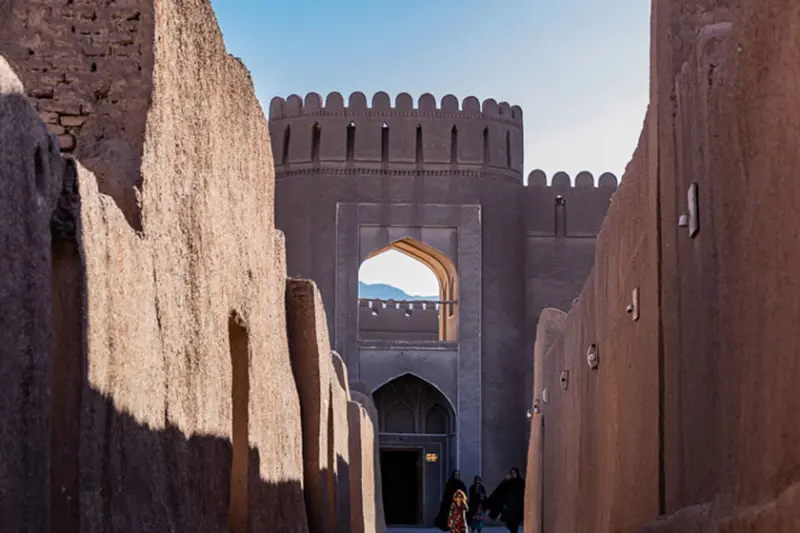
Inside, Arg-e Rayen is laid out like a small town. Massive ramparts, with walls more than ten metres high and sixteen watchtowers, enclose the structure, and its only entrance is on the eastern side, marked by a large and imposing gateway. The interior included a variety of areas such as a bazaar, quarters for commoners and for the nobility, the governor's seat (the governor's palace), a fire temple, storehouses, a traditional school (maktab-khaneh) and even a building used as a quarantine. Historical evidence shows that the fortress was still inhabited until about 150 years ago, with a population of nearly five thousand people living in it. The citadel was built to suit the region's arid climate perfectly; for example, wind catchers and winding alleys played an important role in cooling the space during the hot desert summers. The use of raw mud brick as the main building material also reflects the vernacular, sustainable architecture of desert regions.
To reach the citadel, simply travel from the city of Kerman to the town of Rayen, then follow the road along the southwestern side of the town and the foot of Mount Hezar towards the fortress; the roads are in good condition and signposts mark the way. A visit to the complex usually takes one to two hours. Because of the climate, the best times to visit are spring and autumn, as summers are very hot and winters are dry and cold, although thanks to the altitude, summer weather is cooler than in the other desert areas nearby. When visiting, please do not write on or touch the structure, do not leave any litter on the site, and enjoy the grandeur of this ancient heritage in peace.
Written by ستایش عرب Last updated
What you can do here, and what it takes
کوچههای باریک و گذرگاههای داخل ارگ، فضایی دلنشین برای گردش آرام و کشف معماری کهن فراهم کردهاند.
Province Kerman
Province Kerman
Province Kerman
Province Kerman
Province Kerman
Province Kerman


Unfortunately, no comments have been registered.