
 Caves

Bamu National Park
Province Fars
- Walking
- Mountaineering
A Palaeolithic Treasure in the Heart of Fars
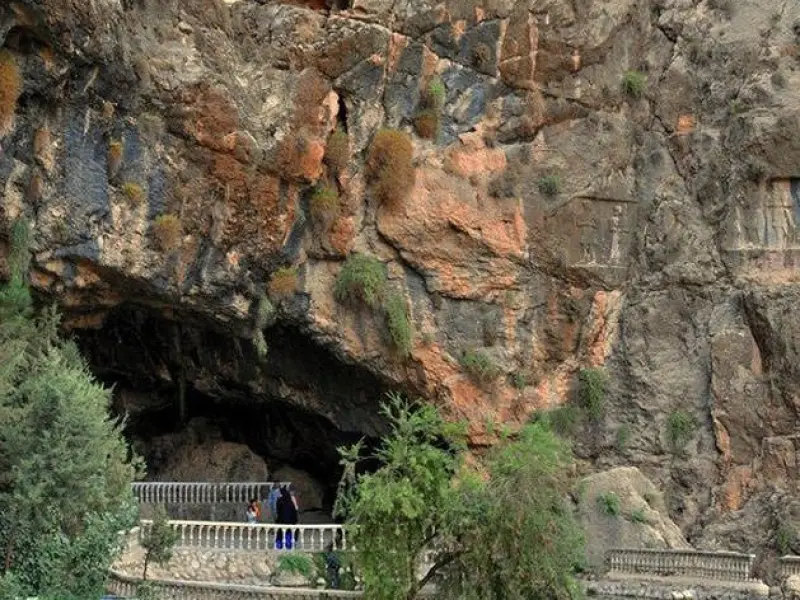
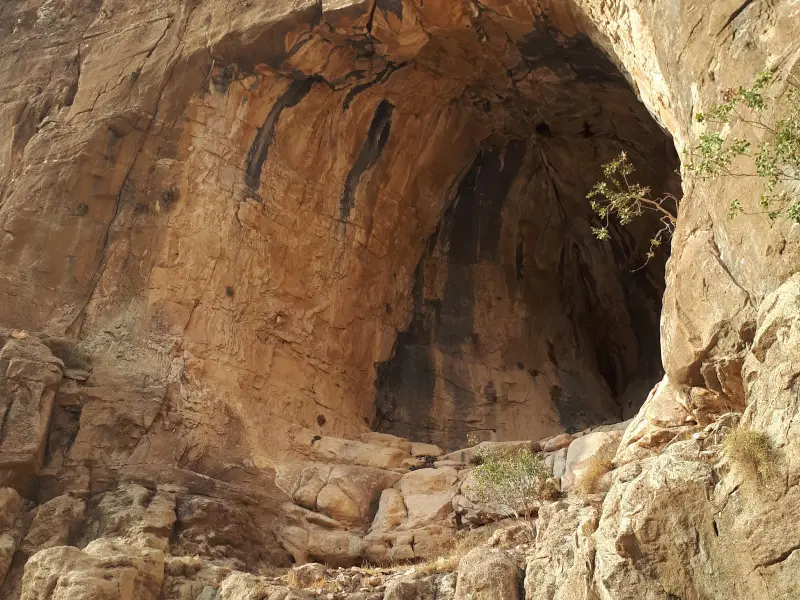
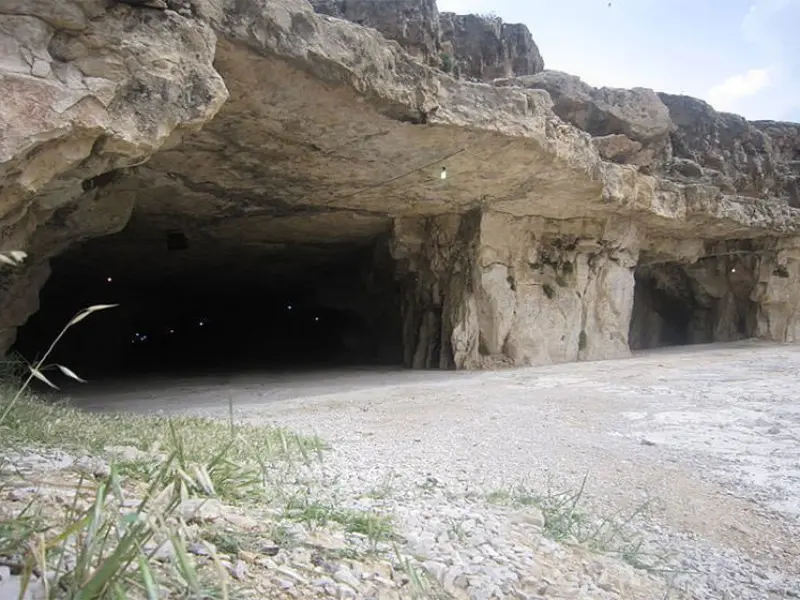
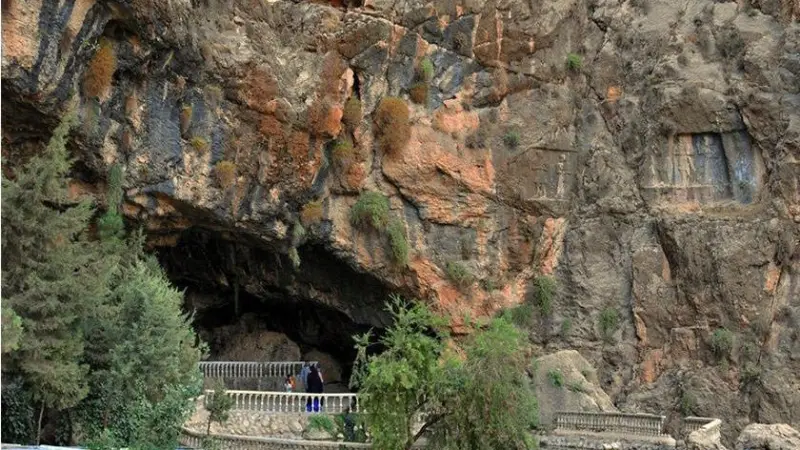
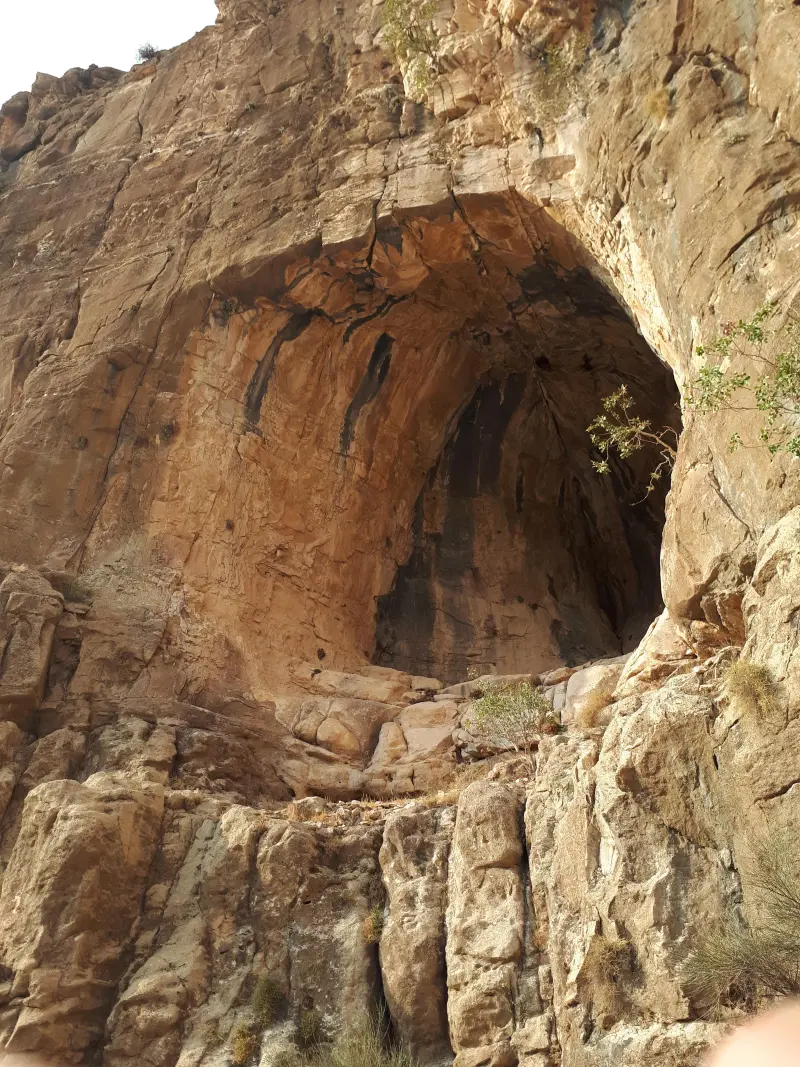
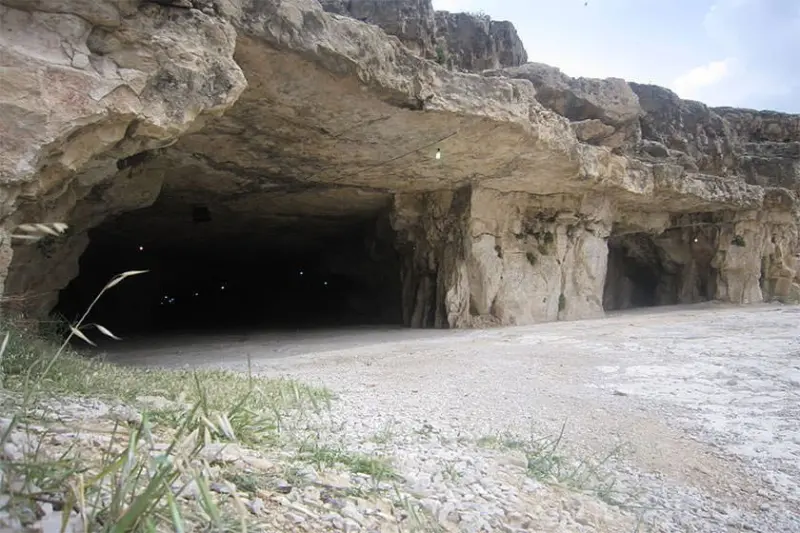
Eshkaft-e Gavi Cave lies on the northern slope of Kuh-e Sabz (Sabz Mountain), five kilometres southwest of the city of Marvdasht in Fars Province. The cave faces the village of Dehuyeh-ye Runiz-e Olya and is one of the most valuable prehistoric sites on the Marvdasht Plain. A variety of archaeological finds have been recovered from it, including a human burial belonging to Homo sapiens, as well as stone and bone tools. The site was registered as a National Heritage site of Iran on 12 Bahman 1381. It was first identified in 1348 (1969 CE) by William Sumner and was excavated in 1357 by Michael Rosenberg.
Excavations showed that the cave dates to the Middle and Upper Palaeolithic periods (roughly 27,000 to 16,000 years ago). The finds include stone and bone tools and remains associated with Homo sapiens burials, and carbon-14 dating has confirmed this time span. Remains of about ten pieces of human skulls and body parts were found, and some were taken to the United States for further study. Researchers' studies indicate cut marks and burn marks on the bones, which most likely point to funerary customs or the consumption of human flesh.
The cave opens toward the Kor River and descends steeply into the earth. The entrance is about 30 metres above the level of the plain, and the formation of limestone columns (stalactites and stalagmites) is one of its natural features. The best time to visit is in the mild seasons, such as spring and summer, since the air inside the cave is cool and pleasant during these seasons. To help preserve this national heritage, please do not approach excavation areas, dig up or remove historical artefacts, or damage the natural environment.
Written by زهرا لنگری Last updated
What you can do here, and what it takes
بدون داشتن لوازم و مهارت غارنوردی، هیچگاه قادر به پیمایش این غار نخواهید بود.
Province Fars
Province Fars
Province Fars
Province Fars
Province Fars
Province Fars
Province Fars

Unfortunately, no comments have been registered.