
Reference The most complete and authentic Blog related to mountaineering and rock climbing
Search for:
Travel
The Best Places for Nature Travel in Iran in Every Season
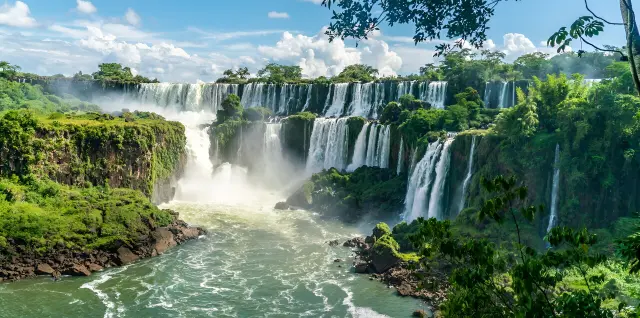
Iran has some of the most varied landscapes in the world, from the dense forests of the north to the quiet deserts and snow-covered mountains. But what really makes a trip enjoyable is choosing the right destination in the right season. In this guide, we look at the best nature travel destinations in Iran for each season, so you know exactly where to go and what kind of experience awaits you.
Table of Contents:
The best nature travel destinations in spring
The best nature travel destinations in summer
The best nature travel destinations in autumn
The best nature travel destinations in winter
Important tips before heading into nature
Conclusion
Frequently Asked Questions
The Best Nature Travel Destinations in Spring
Spring is the best time to see Iran's nature alive and green. The weather is usually mild, and everywhere is full of flowers and freshness. In this season, many parts of the country are at their very best, and you can head for the most attractive spring nature destinations.
Alimestan Forest
Alimestan Forest is located near Amol and is one of the most famous spring forests in Iran. With its misty views and lush green trails, it is very popular among nature lovers. Its vegetation includes hornbeam and beech trees and forest shrubs, and species such as wild boar, foxes and forest birds can be seen there. The combination of mist, green trees and the silence of the forest creates a completely peaceful atmosphere.
Kalpush Poppy Plain
This plain lies on the border between Semnan and Golestan provinces, and in spring it turns into a natural red carpet of wild poppies. Its vegetation mostly consists of rangeland plants and seasonal flowers, and small animals such as hares and plains birds can be seen there. This area is one of the most distinctive spring landscapes in Iran for photography.
Why is spring the best time for nature travel?Because the weather is mild, nature is at its greenest, and hiking routes are usually in their best condition.
The Best Nature Travel Destinations in Summer
Summer is the best time to escape the heat and head to cooler areas. In this season, many of Iran's mountain and summer-pasture regions become the best destinations for travel and nature trips.
Dar Gorge
Dar Gorge is one of the most distinctive and exciting summer destinations in northern Iran, located near Nowshahr.It is a narrow gorge with tall rock walls and a cool river flowing along its length. Its vegetation includes dense trees, mosses and moisture-loving plants, and forest birds and small animals can be seen around it.The experience of wading through cool water between tall, shaded walls makes Dar Gorge a completely different summer destination: a place where you get to touch nature and escape the summer heat at the same time.
Subatan Summer Pasture
Subatan is one of the most beautiful summer pastures in northern Iran, located in the highlands of Talesh. Its vegetation includes wide meadows, wildflowers and scattered forests. Livestock such as horses and cattle graze in the open pastures, and mountain birds are among the wildlife in the area. The weather in Subatan is pleasantly cool in summer, and the combination of mist, green meadows and wooden huts creates a dreamlike atmosphere.
Gahar Lake
Gahar Lake lies in the heart of the Oshtorankuh range and is known as the “Jewel of the Zagros.” The surroundings are covered with mountain plants and oak trees, and species such as chukar partridge, wild goat and ibex can be seen in the area. The clear water of the lake beside the mountains creates a very calm and beautiful scene.
Why is summer good for nature travel?Because you can go to cool mountain and summer-pasture areas and enjoy nature and pleasant weather without dealing with extreme heat.
The Best Nature Travel Destinations in Autumn
Autumn is the season of colors, when nature is at its most beautiful. At this time of year, many of Iran's forests and natural areas are transformed into extraordinary and distinctive landscapes.
Dohezar and Sehezar Forests
These forests lie in the highlands of Tonekabon and are among the best autumn destinations in Iran. The vegetation includes beech, maple and oak trees, which turn yellow, orange and red in autumn. Together with these colors, the autumn mist creates a completely cinematic atmosphere.
Golestan National Park
Golestan National Park is one of the oldest protected areas in Iran. The area has great plant and animal diversity, and species such as red deer, leopards and wild boar live there. In autumn, the blend of colors and the morning mist make this area truly special.
Why is autumn a good time for nature travel?Because the weather is cool and pleasant, nature is at its most colorful, and thanks to the smaller crowds, you get a calmer and more enjoyable nature trip.
Best Winter Destinations for Nature Travel
Winter offers a different and distinctive kind of nature travel experience, and it suits adventure lovers best. In this season, some parts of Iran take on a completely different look and become attractive destinations for winter trips.
Maranjab Desert
Maranjab Desert lies north of Aran and Bidgol and is one of the most famous deserts in Iran. Its vegetation is very sparse and consists of drought-resistant plants, and animals such as the sand fox live there. In winter, the desert weather becomes very pleasant, and its night sky is spectacular.
Lar Plain
Lar Plain lies on the slopes of Damavand and is completely covered in snow in winter. The area has mountain vegetation, and species such as partridges and foxes can be seen there. The silence and whiteness of the plain create a calm and unusual atmosphere.
Why is winter a good time for nature travel?Because it gives you the chance to experience true silence and peace in nature, and it puts completely different scenery in front of you: snowy mountains and quiet deserts.
Important Tips Before Going on a Nature Trip
Before any nature trip, it is best to keep a few simple but important points in mind. First of all, check the weather so that you are not caught off guard by bad conditions. Then bring essential gear such as suitable footwear, layered clothing, enough water and light snacks. Finally, choose your destination to suit the season and your physical fitness, so that the trip is both safe and more enjoyable.
Conclusion
Iran's nature has a different and distinctive face in every season. From lush spring forests to quiet winter deserts, every time of year can offer you a different experience. If you choose your destination to suit the season, your trip will be both more enjoyable and safer. Ultimately, the best time to travel is when nature is at its best.
Frequently Asked Questions
1. What is the best season for nature travel in Iran?
Spring and autumn usually offer the best conditions, but every season has its own special destinations.
2. Where should we go for a summer trip?
Summer pastures and mountain areas such as Subatan and Lake Gahar are the best options.
3. Is a trip to the desert suitable in winter?
Yes, winter is the best time for desert travel because the weather is milder.
4. Which forests in Iran are best for a trip?
Alimestan Forest, the Dohezar and Sehezar forests, and Golestan Forest are among the best options.
How to Choose the Right Hiking and Mountaineering Tour + Key Tips Before Booking
If you have ever thought about joining a mountaineering tour but didn't know which option suited you best, you're not alone. Choosing the right mountaineering tour is one of the most important decisions you can make, and it can mean the difference between an enjoyable, safe experience and a difficult, risky trip. In this guide, you'll learn how to make the best choice by understanding the different types of tours, difficulty levels and the organizer's reputation, so you can head into the mountains with confidence.
Table of contents:
Types of mountaineering tours
Beginner vs. professional mountaineering tours
Gear you need for a mountaineering tour
Key tips before booking a tour
How much does a mountaineering tour cost?
Checking the organizer's credibility
Conclusion
Frequently asked questions
Types of mountaineering tours
Mountaineering tours fall into several categories depending on difficulty, duration and type of activity:
Day tours
These suit easy routes and beginners. They are usually run without an overnight stay.
Multi-day tours (camping)
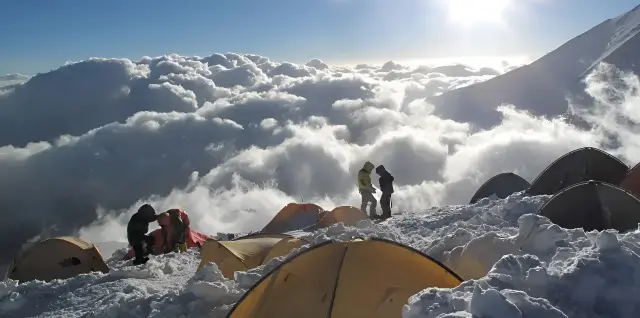
These include staying in a tent or a mountain shelter and require more equipment.
Summit climbing tours
The main goal of these tours is to reach the summit, and they usually require a higher level of physical fitness.
Mountain nature tours
These tours are lighter than professional mountaineering and are mostly organized for the purpose of enjoying nature.
Beginner vs. professional mountaineering tours
It is very important to understand the difference between these two types of tours, because a wrong choice can be dangerous.
Beginner tour:
Short, gently sloping routes
Slower pace
Simple equipment
Suitable for people with no experience
Professional tour:
Long and challenging routes
High level of physical fitness required
Specialized equipment
Includes technical climbs
If you are new to this, it's best to start with easier tours and gradually raise your level over time.
Gear you need for a mountaineering tour
Having the right gear is very important when joining a mountaineering tour. Even if the tour is run as a group, much of the equipment you need is your own responsibility. Choosing it well helps you move more comfortably and avoid problems along the way.
Essential gear for a mountaineering tour:
Comfortable, suitable hiking boots
A light, good-quality backpack
Enough water and energy-boosting snacks
Suitable clothing (layering system)
Trekking poles (if needed)
Headlamp or flashlight
Sunscreen and sunglasses
Before the tour begins, it's best to get the list of required equipment from the organizer so you don't forget anything.
Key tips before booking a tour
Before signing up for any tour, it's best to check the following:
The difficulty level of the route and how well it matches your physical ability
The detailed tour schedule (departure time, route and stops)
Required equipment
Weather conditions at the time of travel
Group size
The presence of a professional guide (leader)
These points help you make a more informed choice and avoid possible problems.
How much does a mountaineering tour cost?
The cost of a mountaineering tour varies depending on different conditions, and no single fixed price can be given. Tour prices are usually determined by several main factors.
The most important factors affecting the cost:
Route and destination (easy or technical)
Tour duration (one day or several days)
Type of accommodation (none, tent or mountain shelter)
Transport (public or private vehicle)
Services provided (guide, insurance, meals, etc.)
In general, the higher the level of services and the more demanding the program, the higher the cost of the tour. When choosing, don't look only at the price; put the quality of services and safety first.
How do you check the organizer's credibility?
One of the most important parts of choosing a tour is checking the organizer's credibility.
Things to check:
Having an official operating license
A track record of successful tours
Reviews from previous participants
The presence of a trained guide
Insurance for participants
Never look only at a low price; a cheap but unprofessional tour can be very risky.
Conclusion
Choosing the right mountaineering tour is not just about finding a cheap or nearby program; you also need to consider your ability level, the type of route, the quality of services and the organizer's credibility. If you take some time to check the details before booking, you'll have a safer experience and be far more likely to enjoy the trip.
Frequently asked questions
1. Are mountaineering tours suitable for beginners?
Yes, as long as you choose a tour that matches a beginner's level.
2. How do I know if a tour is right for me?
Check the difficulty level of the route and compare it with your own physical ability.
3. Is joining a tour safer than climbing solo?
Yes, especially for beginners, a tour is usually the safer option.
4. How much does a mountaineering tour cost?
It varies depending on the type of tour, the route and the services provided.
5. Is equipment provided on the tour?
Some tours provide equipment, but personal gear is usually the participant's responsibility.
Mountaineering Gear Checklist: Everything You Need for a Safe Climb
If you have climbed even once, you probably know that forgetting one simple item can throw off your whole plan. A complete mountaineering gear checklist not only keeps you organized, but also lets you tackle the route with greater peace of mind.
Whether you are a beginner or an expert, choosing the right equipment makes the difference between an enjoyable climb and a hard, risky experience. In this article, we review all the gear you need for mountaineering in 2026.
Table of contents:
Essential mountaineering gear for beginners
Professional mountaineering equipment
Gear you need for camping in the mountains
Common mistakes when choosing mountaineering gear
Conclusion
Frequently asked questions
Essential mountaineering gear for beginners
If you are new to the world of mountaineering, you don't need to go straight for professional, expensive equipment. But there are a few basic items whose absence can cause problems.
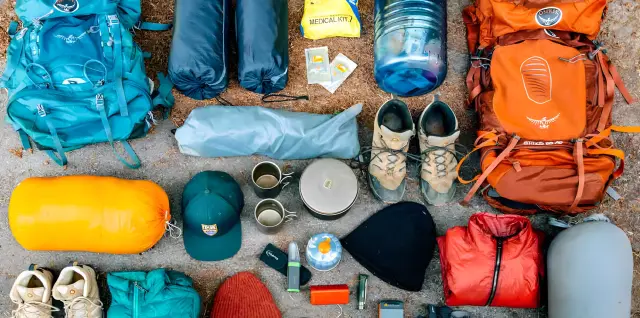
The most important essentials include the following:
Standard, non-slip hiking boots
Suitable boots should be comfortable, durable and preferably waterproof, so that you keep your balance on rocky and slippery trails.
Lightweight, ergonomic backpack
Your backpack should distribute weight well and should not be oversized for day trips.
Water bottle or hydration bladder
Always carry enough water; dehydration is one of the common dangers in mountaineering.
Suitable clothing (layering system)
Layered clothing helps you regulate your body temperature in different conditions.
Headlamp or flashlight
It is absolutely essential for emergencies or when the trail gets dark.
Map or GPS
Having a defined route minimizes the chance of getting lost.
First aid kit
A simple kit can be vital in an emergency.
The important point is that in mountaineering, safety and comfort always take higher priority than keeping your gear light.
Professional mountaineering equipment
When you head onto harder routes or higher altitudes, professional equipment becomes more important. This gear is usually used on more serious climbs:
Crampons: for moving on snow and ice
Ice axe: for keeping your balance on icy slopes
Gore-Tex clothing: waterproof and windproof to keep your body warm
Professional sub-zero sleeping bag: suitable for overnight stays in the cold
Mountaineering gas stove: for heating food at altitude
Sunglasses with strong UV protection: protect your eyes from intense light
Rope and safety equipment: for technical and specialized routes
Gear you need for camping in the mountains
Many climbers spend the night in the mountains at high altitudes, so camping gear is an important part of the plan.
Essential camping gear includes the following:
Windproof and waterproof mountaineering tent: lightweight and resistant to harsh conditions
Insulated sleeping pad: prevents the cold from the ground from reaching you
Season-appropriate sleeping bag: suited to the ambient temperature
Small stove and fuel: lightweight and fuel-efficient for use in the mountains
Lightweight eating utensils: for easier carrying
Camp lantern: provides light at night
Dried, lightweight food: such as nuts and ready-made meals
When camping, keeping your gear light and compact is very important.
Common mistakes when choosing mountaineering gear
Many problems in mountaineering come down to choosing the wrong equipment.
The most common mistakes:
Not carrying enough water
Choosing unsuitable footwear
Starting the route too late
Not having a map or GPS
Wearing non-layered clothing
Ignoring the weather conditions
Overloading the backpack
Conclusion
Having a complete mountaineering gear checklist is one of the simplest yet most important things you can do before any trip. Choosing the right equipment both improves your safety and makes your climb easier and more enjoyable.
It doesn't matter whether your route is easy or advanced; what matters is that you carry the necessary gear for the conditions and avoid the common mistakes in choosing equipment. Ultimately, a successful trip begins before the climb itself, with proper preparation.
Frequently asked questions
1. What is the most important item in mountaineering?
Proper hiking boots are the most important item.
2. What do I need for beginner mountaineering?
A lightweight backpack, water, suitable clothing and standard boots.
3. Can you go mountaineering without professional equipment?
Yes, on easy routes it is possible.
4. What is the best season for mountaineering?
Spring and summer.
5. How can we avoid getting lost?
By using GPS, a map and moving as a group.
Proper Nutrition for Mountaineering
If you have ever suddenly felt weak, dizzy or drained of energy in the middle of a climb, the problem was most likely your nutrition. The mountains are not a place where your body can get by on minimal energy; every step, every slope and every metre of altitude requires the right fuel.
Eating well not only improves your performance, but also directly affects your safety, your decision-making and even how much you enjoy the climb. In this guide you will learn exactly what to eat, when to eat it and which mistakes to avoid.
Table of contents:
The best foods for mountaineering
Eating before a climb
Eating during the trip
10 good foods for mountaineering
Common nutrition mistakes
Conclusion
Frequently asked questions
The best foods for mountaineering
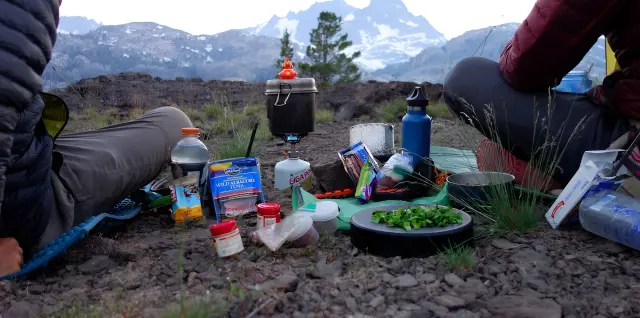
Choosing the right food for mountaineering means having enough energy without making your backpack too heavy. The best foods are usually light, energy-dense, long-lasting and easy to carry.
Good mountaineering foods are usually a combination of carbohydrates, healthy fats and a small amount of protein. Carbohydrates provide quick fuel for the body, fats give longer-lasting energy, and protein helps preserve muscle; as a result, your body gets instant energy and also tires more slowly.
The best options:
Nuts (almonds, walnuts, hazelnuts)
Dried fruit (raisins, dates, figs)
Dark chocolate
Whole-grain bread
Peanut butter
Energy bars
Plain, high-calorie biscuits
These foods are light, quick to eat, and provide the energy you need to keep going.
Eating before a climb
What you eat before you set off has a direct effect on how you perform along the route. Even so, many people don't take this seriously, and that causes an energy slump right at the start of the trail.
It is best to have a full, balanced meal 2 to 3 hours before the climb. This meal should include complex carbohydrates, a small amount of protein and a little fat; in other words, food that gives you energy without weighing you down.
Good examples:
Bread with honey or jam
Rice or potatoes
Eggs
Oats
Fresh fruit
Drinking water before you start climbing is also very important. Your body should be well hydrated from the very beginning.
Eating during the trip
While mountaineering, your body is constantly burning energy; so you should eat regularly and gradually, rather than waiting until you are completely hungry.
It is best to eat a small amount of food every 45 minutes to 1 hour. This helps keep your energy level steady and prevents sudden crashes.
Important tips:
Drink water continuously, in small sips
Choose light, easily digestible foods
Eat during short breaks, not when you are already completely exhausted
Good snacks to eat while climbing:
Dates and raisins
Chocolate
Nuts
Light sandwiches
Fruit
10 good foods for mountaineering
Whether your trip lasts one day or several, choosing the right food helps you keep your energy up and feel weak less often. Here are some practical options:
1. Granola
You can take granola or ready-made energy bars. It is best to choose a type sweetened with dried fruit, or make your own with oats and nuts to make it healthier.
2. Cooked quinoa
Quinoa is high in fiber and helps with digestion; as a result, you will feel lighter.
3. Fresh fruit and vegetables
They are a good choice for short trips and provide vitamins and water for your body.
4. Dried fruit
It keeps for a long time and is a good source of energy, fiber and minerals.
5. Hummus
Hummus is a healthy, energizing snack for mountaineering because it is high in calories, carbohydrates, fiber and protein. You can eat it with bread or crackers.
6. Nuts and whole grains
Macadamias, walnuts, Brazil nuts and almonds are high in calories and also contain protein, fiber, healthy fats, and important vitamins and minerals. Whole grains such as barley, quinoa and buckwheat are rich in fiber, complex carbohydrates, vitamins and minerals. Whole grains can be eaten at any time of day.
7. Nut butters
Nut butters such as peanut butter and almond butter are tasty and nutritious foods, as long as you choose natural products without added sugar. Nut butter is rich in calories, healthy fats and protein, all of which help you maintain your energy on the climb. You can also add them to all kinds of meals and snacks.
8. Tuna and vegetable salad
This dish is packed with protein and vegetables and is very easy to prepare and pack. Mix a can of tuna with some mayonnaise, finely chopped celery, sliced onion and some snow peas. Season with salt and pepper to taste, and add a little lemon juice if you like.
9. Beans and legumes
Beans are a rich source of protein, fiber and vitamins, and are well suited to long trips. Chickpeas, black beans and black-eyed peas can be added to any meal and eaten hot or cold. Legumes packed in foil pouches keep for a long time, which makes them an excellent choice for long journeys.
10. Dark chocolate
Dark chocolate containing about 70 percent cocoa is a wonderful antioxidant and an energizing food for hiking. Mix a few pieces of dark chocolate with nuts, seeds and dried fruit. Dark chocolate has a higher melting point than milk chocolate, because it contains a higher percentage of cocoa than milk fat.
Common Nutrition Mistakes in Mountaineering
Many problems in mountaineering are caused by simple nutrition mistakes, which are easy to prevent.
The most important ones are:
Skipping breakfast before the climb
Drinking too little water
Eating heavy, hard-to-digest foods
Leaving long gaps between meals
Eating too many simple sugars (which cause a sudden drop in energy)
Having no clear meal plan
Trying new foods during the trip (which risks digestive problems)
Another important point is paying attention to your body's needs at altitude. At high elevation, your body burns more energy, and this should be factored into your meal plan.
Conclusion
Nutrition in mountaineering is not something you can ignore. A large part of your energy, concentration and even your safety along the route depends on it.
By choosing the right foods, timing your meals well and avoiding common mistakes, you can perform better and enjoy your climb more. In the end, your body in the mountains responds to you exactly in proportion to how well you take care of it.
Frequently Asked Questions
1. Should we eat more carbohydrates or protein when climbing?
Carbohydrates are the main source of energy, but it is best to eat them together with a small amount of protein and fat.
2. Are energy drinks suitable?
In small amounts they may be useful, but they are not a substitute for water and proper nutrition.
3. How much water do you need when climbing?
It depends on the conditions of the route, but it is best to drink water regularly and before you feel thirsty.
4. What is the best light snack for the trail?
Nuts, dates, dark chocolate and dried fruit are among the best options.
5. Why are high-fat foods a good choice?
Fats provide longer-lasting energy than carbohydrates and are helpful on long trips.
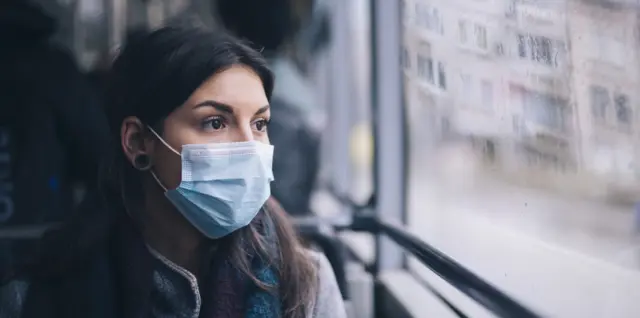
How Can We Prevent Getting Sick While Traveling?
In this article, we share some tips on how to avoid getting sick while travelling:
Research your destination
Visit the websites of the CDC (Centers for Disease Control and Prevention) and the World Health Organization. These sites provide information on the current health situation in different countries. They also offer advice on how to stay healthy while travelling.
Consult a doctor
Many healthcare systems have clinics with experienced staff who offer pre-travel advice. These clinics can give you recommendations tailored to your destination and prescribe medications you may need during your trip. If your insurance company does not recommend going to the travel clinics mentioned above, you can see your own doctor.
Get vaccinated
Many vaccinations need to be given months before your trip. Some health and medical measures, such as those related to malaria, must be taken before, during and after the trip. You should get an international health certificate from your doctor showing that your vaccinations are fully up to date.
Carry essential hygiene items and first aid supplies.
Check and restock your first aid kit: Make a list of the items you need. Replace anything that has been used up or has expired. Make a copy of your vaccination records and prescriptions. When you visit the travel clinic doctor, make sure your first aid kit contains enough medication. If you don't have a first aid kit, put one together or buy one from a suitable supplier.
Feminine hygiene products: These products can be somewhat hard to find abroad, so plan ahead and bring everything you will need until the end of your trip.
Hand sanitizer: Hot water and soap are the best option, but where they are not available, hand sanitizer is a good substitute.
Learn first aid: Another important point to consider, especially if you are travelling somewhere far from facilities, is to take an emergency medical training course.
Minimizing jet lag
(Insomnia and discomfort caused by long flights or by time changes between different regions)
When you travel to different regions, the time difference between your origin and your destination disrupts your body's biological clock, which in turn weakens your immune system. Flying makes this unavoidable, and you cannot prevent the problem completely, but there are steps you can take to reduce jet lag:
Adjust your sleep schedule to your destination's bedtime. When you arrive, even if you are very tired, don't go to bed before sunset. By gradually adjusting your sleeping and waking hours, you can adapt to the new conditions more easily.
Set aside a rest day at the beginning and end of your trip. At the start and end of a holiday or trip, it is best to allow one day to recover from jet lag. Also plan lighter activities for the first days of your trip.
Practise good sleep habits. These are the same tips you have probably heard many times, or followed, at home: put away electronic devices such as your mobile phone before bed, avoid caffeine, and so on. Follow the advice for sleeping better, and bring along anything you need at home to sleep well. Sleeping well while travelling will boost your immune system.
Take care during the flight
Being in a cramped, crowded space with all kinds of people requires proper ventilation. Other protective measures during the flight are somewhat more limited, but you can keep the following in mind:
Drink plenty of fluids. The aircraft cabin has low humidity, so you need to drink enough fluids to keep your nasal lining and mouth from drying out. When these two areas stay moist, foreign particles trying to enter the body through the mouth and nose are more likely to be trapped.
Wash your hands often. If that isn't possible, use hand sanitizer.
Book a window seat. This will help you avoid sitting next to a fellow passenger who may be ill.
Drink only safe, potable water
Along with drinking plenty of fluids, make sure the water you drink is safe. Here are a few tips for preventing illnesses caused by contaminated water:
If you are not sure the water is safe, be very careful. Drink bottled mineral water or water that you have disinfected (for example, by boiling it). In areas where the water may be contaminated, avoid ice; freezing water does not kill the pathogens in it. For ice, you need to be sure the water was disinfected beforehand.
Avoid food that has been washed with unsafe water or grown in soil irrigated with non-potable water. Eating such food may introduce bacteria or parasites into your body. Be sure that any uncooked vegetables are safe, and be careful with fruit that cannot be peeled completely.
Rinse your mouth or brush your teeth with safe, treated water.
Avoid swimming in water that may be contaminated.
Eat safe food
Trying local dishes is a big part of any trip, but don't overdo it. Along with sampling the local food, keep the following tips and risks in mind:
Be careful when choosing street food. Pay attention to how the vendor prepares the food.
Avoid food that has been sitting in a display case all day. Reheating food does not necessarily kill all the bacteria that have settled on it during the day.
If you are not sure a place has a refrigerator, do not eat dairy products or dishes made with dairy. This is especially important in tropical regions.
If you are travelling with a child, bring some food from home. This way, their digestive system is at less risk.
Use insect repellent
Mosquitoes and other insects can carry a variety of diseases, such as malaria, yellow fever, Zika, West Nile virus, sleeping sickness and more. Ticks can also carry diseases such as Lyme disease. A little research will tell you which insects are found at your destination.
Protect yourself from sunburn
In some environments the intensity of ultraviolet (UV) radiation is high, as it is in sunlight reflected off snow or water. The best precautions are to use sunscreen and to cover your body with suitable clothing.
For extra protection, wear shoes
Walking barefoot on a holiday or trip is appealing, but your feet may get hurt. When you do, there is a risk of cutting your feet on sharp objects, insect bites and so on. In addition, feet that are not used to a lot of sun exposure can get severely sunburned.
Although following the tips below will not necessarily prevent illness, you should keep them in mind before you travel:
Have health insurance
Contact your insurance company and find out what coverage you have in other countries. Many travel insurance companies also offer health insurance.
Find out about medical coverage in other regions
Make sure your destination country has adequate medical facilities, and find out how far they are from where you are staying. If the distance is very great, you may face heavy costs. So if you plan to travel to a region like this, make sure your insurance company will cover the expenses.