
Reference The most complete and authentic Blog related to mountaineering and rock climbing
Search for:
Tourism Tour
How to Choose the Right Hiking and Mountaineering Tour + Key Tips Before Booking
If you have ever thought about joining a mountaineering tour but didn't know which option suited you best, you're not alone. Choosing the right mountaineering tour is one of the most important decisions you can make, and it can mean the difference between an enjoyable, safe experience and a difficult, risky trip. In this guide, you'll learn how to make the best choice by understanding the different types of tours, difficulty levels and the organizer's reputation, so you can head into the mountains with confidence.
Table of contents:
Types of mountaineering tours
Beginner vs. professional mountaineering tours
Gear you need for a mountaineering tour
Key tips before booking a tour
How much does a mountaineering tour cost?
Checking the organizer's credibility
Conclusion
Frequently asked questions
Types of mountaineering tours
Mountaineering tours fall into several categories depending on difficulty, duration and type of activity:
Day tours
These suit easy routes and beginners. They are usually run without an overnight stay.
Multi-day tours (camping)
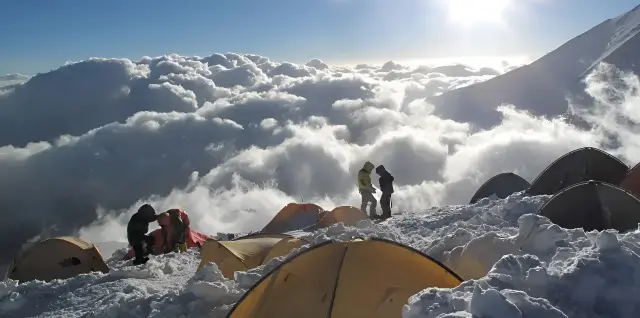
These include staying in a tent or a mountain shelter and require more equipment.
Summit climbing tours
The main goal of these tours is to reach the summit, and they usually require a higher level of physical fitness.
Mountain nature tours
These tours are lighter than professional mountaineering and are mostly organized for the purpose of enjoying nature.
Beginner vs. professional mountaineering tours
It is very important to understand the difference between these two types of tours, because a wrong choice can be dangerous.
Beginner tour:
Short, gently sloping routes
Slower pace
Simple equipment
Suitable for people with no experience
Professional tour:
Long and challenging routes
High level of physical fitness required
Specialized equipment
Includes technical climbs
If you are new to this, it's best to start with easier tours and gradually raise your level over time.
Gear you need for a mountaineering tour
Having the right gear is very important when joining a mountaineering tour. Even if the tour is run as a group, much of the equipment you need is your own responsibility. Choosing it well helps you move more comfortably and avoid problems along the way.
Essential gear for a mountaineering tour:
Comfortable, suitable hiking boots
A light, good-quality backpack
Enough water and energy-boosting snacks
Suitable clothing (layering system)
Trekking poles (if needed)
Headlamp or flashlight
Sunscreen and sunglasses
Before the tour begins, it's best to get the list of required equipment from the organizer so you don't forget anything.
Key tips before booking a tour
Before signing up for any tour, it's best to check the following:
The difficulty level of the route and how well it matches your physical ability
The detailed tour schedule (departure time, route and stops)
Required equipment
Weather conditions at the time of travel
Group size
The presence of a professional guide (leader)
These points help you make a more informed choice and avoid possible problems.
How much does a mountaineering tour cost?
The cost of a mountaineering tour varies depending on different conditions, and no single fixed price can be given. Tour prices are usually determined by several main factors.
The most important factors affecting the cost:
Route and destination (easy or technical)
Tour duration (one day or several days)
Type of accommodation (none, tent or mountain shelter)
Transport (public or private vehicle)
Services provided (guide, insurance, meals, etc.)
In general, the higher the level of services and the more demanding the program, the higher the cost of the tour. When choosing, don't look only at the price; put the quality of services and safety first.
How do you check the organizer's credibility?
One of the most important parts of choosing a tour is checking the organizer's credibility.
Things to check:
Having an official operating license
A track record of successful tours
Reviews from previous participants
The presence of a trained guide
Insurance for participants
Never look only at a low price; a cheap but unprofessional tour can be very risky.
Conclusion
Choosing the right mountaineering tour is not just about finding a cheap or nearby program; you also need to consider your ability level, the type of route, the quality of services and the organizer's credibility. If you take some time to check the details before booking, you'll have a safer experience and be far more likely to enjoy the trip.
Frequently asked questions
1. Are mountaineering tours suitable for beginners?
Yes, as long as you choose a tour that matches a beginner's level.
2. How do I know if a tour is right for me?
Check the difficulty level of the route and compare it with your own physical ability.
3. Is joining a tour safer than climbing solo?
Yes, especially for beginners, a tour is usually the safer option.
4. How much does a mountaineering tour cost?
It varies depending on the type of tour, the route and the services provided.
5. Is equipment provided on the tour?
Some tours provide equipment, but personal gear is usually the participant's responsibility.