
Reference The most complete and authentic Blog related to mountaineering and rock climbing
Search for:
Meal Plan
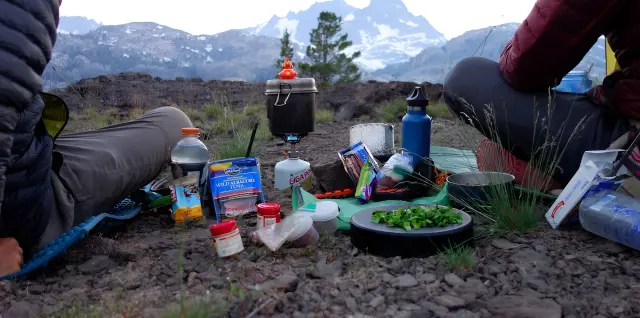
Proper Nutrition for Mountaineering
If you have ever suddenly felt weak, dizzy or drained of energy in the middle of a climb, the problem was most likely your nutrition. The mountains are not a place where your body can get by on minimal energy; every step, every slope and every metre of altitude requires the right fuel.
Eating well not only improves your performance, but also directly affects your safety, your decision-making and even how much you enjoy the climb. In this guide you will learn exactly what to eat, when to eat it and which mistakes to avoid.
Table of contents:
The best foods for mountaineering
Eating before a climb
Eating during the trip
10 good foods for mountaineering
Common nutrition mistakes
Conclusion
Frequently asked questions
The best foods for mountaineering
Choosing the right food for mountaineering means having enough energy without making your backpack too heavy. The best foods are usually light, energy-dense, long-lasting and easy to carry.
Good mountaineering foods are usually a combination of carbohydrates, healthy fats and a small amount of protein. Carbohydrates provide quick fuel for the body, fats give longer-lasting energy, and protein helps preserve muscle; as a result, your body gets instant energy and also tires more slowly.
The best options:
Nuts (almonds, walnuts, hazelnuts)
Dried fruit (raisins, dates, figs)
Dark chocolate
Whole-grain bread
Peanut butter
Energy bars
Plain, high-calorie biscuits
These foods are light, quick to eat, and provide the energy you need to keep going.
Eating before a climb
What you eat before you set off has a direct effect on how you perform along the route. Even so, many people don't take this seriously, and that causes an energy slump right at the start of the trail.
It is best to have a full, balanced meal 2 to 3 hours before the climb. This meal should include complex carbohydrates, a small amount of protein and a little fat; in other words, food that gives you energy without weighing you down.
Good examples:
Bread with honey or jam
Rice or potatoes
Eggs
Oats
Fresh fruit
Drinking water before you start climbing is also very important. Your body should be well hydrated from the very beginning.
Eating during the trip
While mountaineering, your body is constantly burning energy; so you should eat regularly and gradually, rather than waiting until you are completely hungry.
It is best to eat a small amount of food every 45 minutes to 1 hour. This helps keep your energy level steady and prevents sudden crashes.
Important tips:
Drink water continuously, in small sips
Choose light, easily digestible foods
Eat during short breaks, not when you are already completely exhausted
Good snacks to eat while climbing:
Dates and raisins
Chocolate
Nuts
Light sandwiches
Fruit
10 good foods for mountaineering
Whether your trip lasts one day or several, choosing the right food helps you keep your energy up and feel weak less often. Here are some practical options:
1. Granola
You can take granola or ready-made energy bars. It is best to choose a type sweetened with dried fruit, or make your own with oats and nuts to make it healthier.
2. Cooked quinoa
Quinoa is high in fiber and helps with digestion; as a result, you will feel lighter.
3. Fresh fruit and vegetables
They are a good choice for short trips and provide vitamins and water for your body.
4. Dried fruit
It keeps for a long time and is a good source of energy, fiber and minerals.
5. Hummus
Hummus is a healthy, energizing snack for mountaineering because it is high in calories, carbohydrates, fiber and protein. You can eat it with bread or crackers.
6. Nuts and whole grains
Macadamias, walnuts, Brazil nuts and almonds are high in calories and also contain protein, fiber, healthy fats, and important vitamins and minerals. Whole grains such as barley, quinoa and buckwheat are rich in fiber, complex carbohydrates, vitamins and minerals. Whole grains can be eaten at any time of day.
7. Nut butters
Nut butters such as peanut butter and almond butter are tasty and nutritious foods, as long as you choose natural products without added sugar. Nut butter is rich in calories, healthy fats and protein, all of which help you maintain your energy on the climb. You can also add them to all kinds of meals and snacks.
8. Tuna and vegetable salad
This dish is packed with protein and vegetables and is very easy to prepare and pack. Mix a can of tuna with some mayonnaise, finely chopped celery, sliced onion and some snow peas. Season with salt and pepper to taste, and add a little lemon juice if you like.
9. Beans and legumes
Beans are a rich source of protein, fiber and vitamins, and are well suited to long trips. Chickpeas, black beans and black-eyed peas can be added to any meal and eaten hot or cold. Legumes packed in foil pouches keep for a long time, which makes them an excellent choice for long journeys.
10. Dark chocolate
Dark chocolate containing about 70 percent cocoa is a wonderful antioxidant and an energizing food for hiking. Mix a few pieces of dark chocolate with nuts, seeds and dried fruit. Dark chocolate has a higher melting point than milk chocolate, because it contains a higher percentage of cocoa than milk fat.
Common Nutrition Mistakes in Mountaineering
Many problems in mountaineering are caused by simple nutrition mistakes, which are easy to prevent.
The most important ones are:
Skipping breakfast before the climb
Drinking too little water
Eating heavy, hard-to-digest foods
Leaving long gaps between meals
Eating too many simple sugars (which cause a sudden drop in energy)
Having no clear meal plan
Trying new foods during the trip (which risks digestive problems)
Another important point is paying attention to your body's needs at altitude. At high elevation, your body burns more energy, and this should be factored into your meal plan.
Conclusion
Nutrition in mountaineering is not something you can ignore. A large part of your energy, concentration and even your safety along the route depends on it.
By choosing the right foods, timing your meals well and avoiding common mistakes, you can perform better and enjoy your climb more. In the end, your body in the mountains responds to you exactly in proportion to how well you take care of it.
Frequently Asked Questions
1. Should we eat more carbohydrates or protein when climbing?
Carbohydrates are the main source of energy, but it is best to eat them together with a small amount of protein and fat.
2. Are energy drinks suitable?
In small amounts they may be useful, but they are not a substitute for water and proper nutrition.
3. How much water do you need when climbing?
It depends on the conditions of the route, but it is best to drink water regularly and before you feel thirsty.
4. What is the best light snack for the trail?
Nuts, dates, dark chocolate and dried fruit are among the best options.
5. Why are high-fat foods a good choice?
Fats provide longer-lasting energy than carbohydrates and are helpful on long trips.