
Reference The most complete and authentic Blog related to mountaineering and rock climbing
Search for:
Traveling in Iran
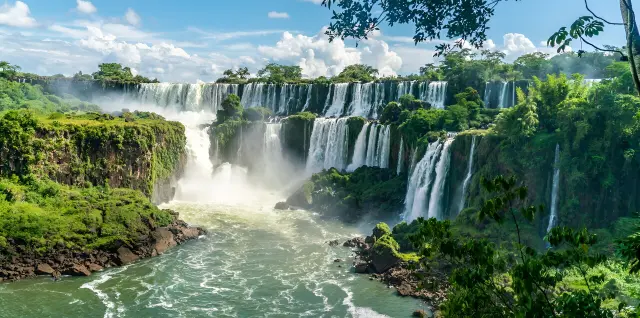
The Best Places for Nature Travel in Iran in Every Season
Iran has some of the most varied landscapes in the world, from the dense forests of the north to the quiet deserts and snow-covered mountains. But what really makes a trip enjoyable is choosing the right destination in the right season. In this guide, we look at the best nature travel destinations in Iran for each season, so you know exactly where to go and what kind of experience awaits you.
Table of Contents:
The best nature travel destinations in spring
The best nature travel destinations in summer
The best nature travel destinations in autumn
The best nature travel destinations in winter
Important tips before heading into nature
Conclusion
Frequently Asked Questions
The Best Nature Travel Destinations in Spring
Spring is the best time to see Iran's nature alive and green. The weather is usually mild, and everywhere is full of flowers and freshness. In this season, many parts of the country are at their very best, and you can head for the most attractive spring nature destinations.
Alimestan Forest
Alimestan Forest is located near Amol and is one of the most famous spring forests in Iran. With its misty views and lush green trails, it is very popular among nature lovers. Its vegetation includes hornbeam and beech trees and forest shrubs, and species such as wild boar, foxes and forest birds can be seen there. The combination of mist, green trees and the silence of the forest creates a completely peaceful atmosphere.
Kalpush Poppy Plain
This plain lies on the border between Semnan and Golestan provinces, and in spring it turns into a natural red carpet of wild poppies. Its vegetation mostly consists of rangeland plants and seasonal flowers, and small animals such as hares and plains birds can be seen there. This area is one of the most distinctive spring landscapes in Iran for photography.
Why is spring the best time for nature travel?Because the weather is mild, nature is at its greenest, and hiking routes are usually in their best condition.
The Best Nature Travel Destinations in Summer
Summer is the best time to escape the heat and head to cooler areas. In this season, many of Iran's mountain and summer-pasture regions become the best destinations for travel and nature trips.
Dar Gorge
Dar Gorge is one of the most distinctive and exciting summer destinations in northern Iran, located near Nowshahr.It is a narrow gorge with tall rock walls and a cool river flowing along its length. Its vegetation includes dense trees, mosses and moisture-loving plants, and forest birds and small animals can be seen around it.The experience of wading through cool water between tall, shaded walls makes Dar Gorge a completely different summer destination: a place where you get to touch nature and escape the summer heat at the same time.
Subatan Summer Pasture
Subatan is one of the most beautiful summer pastures in northern Iran, located in the highlands of Talesh. Its vegetation includes wide meadows, wildflowers and scattered forests. Livestock such as horses and cattle graze in the open pastures, and mountain birds are among the wildlife in the area. The weather in Subatan is pleasantly cool in summer, and the combination of mist, green meadows and wooden huts creates a dreamlike atmosphere.
Gahar Lake
Gahar Lake lies in the heart of the Oshtorankuh range and is known as the “Jewel of the Zagros.” The surroundings are covered with mountain plants and oak trees, and species such as chukar partridge, wild goat and ibex can be seen in the area. The clear water of the lake beside the mountains creates a very calm and beautiful scene.
Why is summer good for nature travel?Because you can go to cool mountain and summer-pasture areas and enjoy nature and pleasant weather without dealing with extreme heat.
The Best Nature Travel Destinations in Autumn
Autumn is the season of colors, when nature is at its most beautiful. At this time of year, many of Iran's forests and natural areas are transformed into extraordinary and distinctive landscapes.
Dohezar and Sehezar Forests
These forests lie in the highlands of Tonekabon and are among the best autumn destinations in Iran. The vegetation includes beech, maple and oak trees, which turn yellow, orange and red in autumn. Together with these colors, the autumn mist creates a completely cinematic atmosphere.
Golestan National Park
Golestan National Park is one of the oldest protected areas in Iran. The area has great plant and animal diversity, and species such as red deer, leopards and wild boar live there. In autumn, the blend of colors and the morning mist make this area truly special.
Why is autumn a good time for nature travel?Because the weather is cool and pleasant, nature is at its most colorful, and thanks to the smaller crowds, you get a calmer and more enjoyable nature trip.
Best Winter Destinations for Nature Travel
Winter offers a different and distinctive kind of nature travel experience, and it suits adventure lovers best. In this season, some parts of Iran take on a completely different look and become attractive destinations for winter trips.
Maranjab Desert
Maranjab Desert lies north of Aran and Bidgol and is one of the most famous deserts in Iran. Its vegetation is very sparse and consists of drought-resistant plants, and animals such as the sand fox live there. In winter, the desert weather becomes very pleasant, and its night sky is spectacular.
Lar Plain
Lar Plain lies on the slopes of Damavand and is completely covered in snow in winter. The area has mountain vegetation, and species such as partridges and foxes can be seen there. The silence and whiteness of the plain create a calm and unusual atmosphere.
Why is winter a good time for nature travel?Because it gives you the chance to experience true silence and peace in nature, and it puts completely different scenery in front of you: snowy mountains and quiet deserts.
Important Tips Before Going on a Nature Trip
Before any nature trip, it is best to keep a few simple but important points in mind. First of all, check the weather so that you are not caught off guard by bad conditions. Then bring essential gear such as suitable footwear, layered clothing, enough water and light snacks. Finally, choose your destination to suit the season and your physical fitness, so that the trip is both safe and more enjoyable.
Conclusion
Iran's nature has a different and distinctive face in every season. From lush spring forests to quiet winter deserts, every time of year can offer you a different experience. If you choose your destination to suit the season, your trip will be both more enjoyable and safer. Ultimately, the best time to travel is when nature is at its best.
Frequently Asked Questions
1. What is the best season for nature travel in Iran?
Spring and autumn usually offer the best conditions, but every season has its own special destinations.
2. Where should we go for a summer trip?
Summer pastures and mountain areas such as Subatan and Lake Gahar are the best options.
3. Is a trip to the desert suitable in winter?
Yes, winter is the best time for desert travel because the weather is milder.
4. Which forests in Iran are best for a trip?
Alimestan Forest, the Dohezar and Sehezar forests, and Golestan Forest are among the best options.
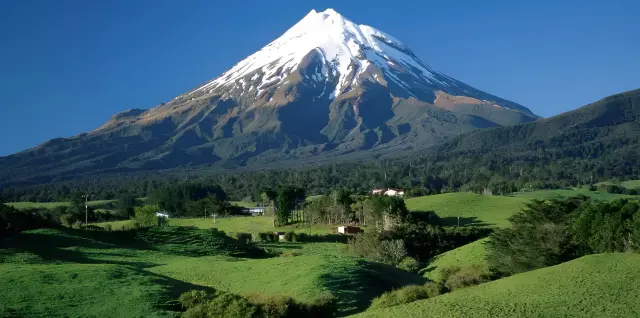
Complete Guide to Climbing Damavand: Routes, Costs and Key Tips
Climbing Damavand is more than just another mountaineering trip; it is a serious, challenging and unforgettable experience. At 5,610 meters, Damavand is not only the highest peak in Iran but also the highest volcano in Asia.
However, without knowing the routes and weather conditions, and without proper physical fitness, this climb can be very dangerous. In this complete Damavand climbing guide, we cover everything from routes to costs and safety tips.
Table of contents:
Damavand climbing routes
Best time to climb
Cost of climbing Damavand
Important safety tips
Conclusion
Frequently asked questions
Damavand Climbing Routes (The Best Routes)
Damavand has several main climbing routes, each with its own difficulty level and特 characteristics. Choosing the right route has a big impact on the quality and safety of your climb.
South Route (The Most Suitable Route)
This is the most popular and safest climbing route. Mountain huts such as Bargah-e Sevom (Camp 3) have led most climbers to choose this route.
North Route
This is a harder, less-traveled route that requires a high level of fitness and more experience.
West Route
This route is quieter and relatively more technical, and is usually better suited to semi-professional climbers.
Northeast Route
One of the longest and hardest routes, used mostly for professional climbs.
Best Time to Climb Damavand
The best time to climb Damavand is usually from late Khordad to early Shahrivar (mid-June to late August). During this period:
The weather is more stable
There is less snow and ice
The chance of storms is lower
In autumn and winter, climbing is recommended only for professional, well-equipped teams, because conditions are very harsh and risky.
Cost of Climbing Damavand
The cost of climbing Damavand varies depending on the type of trip and the level of equipment, but it usually includes the following:
Transport to Polur or Reyneh
Hut fees (Bargah-e Sevom)
Guide (if needed)
Equipment rental or purchase
Food and nutrition
Mountaineering insurance
In total, for a typical trip you should budget around 10 to 25 million tomans. More professional trips, or those with a guide, will naturally cost more.
Important Safety Tips for the Climb
Damavand is not an easy peak, and following safety guidelines is absolutely essential:
Take acclimatization seriously
Carry enough water
Do not leave the marked routes
Check the weather forecast before the climb
Pay attention to the symptoms of altitude sickness
Avoid climbing alone
Carry complete and suitable equipment
Ignoring these points can lead to dangers such as severe altitude sickness or getting lost.
Conclusion
Climbing Damavand is a special and unforgettable experience, but it also requires preparation, planning and awareness. Choosing the right route, the right time, full equipment and following safety guidelines play a decisive role in the success of this climb.
If you set out without sufficient preparation, you face a high level of risk. On the other hand, if you follow the basics, climbing Damavand can become one of the best mountaineering experiences of your life.
Frequently Asked Questions
1. Is climbing Damavand suitable for beginners?
No, Damavand is not suitable for beginners. It requires previous experience on easier mountains and good physical fitness.
2. What is the hardest route on Damavand?
The north and northeast routes are the hardest because of their steep slopes and technical conditions.
3. How many days does it take to climb Damavand?
It usually takes 2 to 3 days, including acclimatization and the final summit climb.
4. Can you climb Damavand without a guide?
Yes, but this is recommended only for experienced climbers, and it carries a high risk for beginners.
5. What is the biggest danger on Damavand?
Altitude sickness and rapid weather changes are the most important dangers on this peak.