
Reference The most complete and authentic Blog related to mountaineering and rock climbing
Search for:
Mountaineering Mistakes
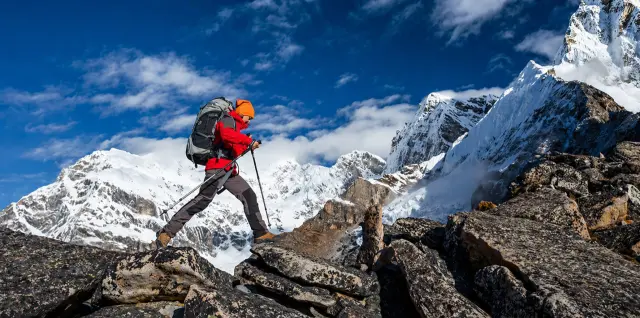
Mountaineering Hazards and How to Prevent Them
Mountaineering is one of the most rewarding nature activities, but if you don't take its risks seriously, it can quickly become a tough and even dangerous experience. The truth is that many mountain accidents happen because of a lack of awareness or because people overlook simple precautions. If you want to climb with greater peace of mind, you need to know the main mountaineering hazards and how to react in each situation.
Table of contents:
Natural hazards in mountaineering
Warning signs in the mountains
Human errors in the mountains
Essential safety tips
Safety equipment for mountaineering
Emergency actions in the mountains
Safety checklist before a climb
Conclusion
Frequently asked questions
Natural hazards in mountaineering
The mountains are a beautiful but unpredictable environment. Natural conditions can change very quickly, and if you are not prepared, they can put you in a dangerous situation.
Sudden weather changes
In the mountains, the weather can change within minutes, from sunshine to fog, rain or even snow. If you don't take this seriously, you may be caught off guard on the trail and lose visibility.
Cold and hypothermia
Hypothermia means a severe drop in body temperature. It happens when the body loses heat faster than it can produce it. Symptoms such as shivering, confusion and difficulty concentrating can be signs that it is starting.How to prevent it: Wear layered clothing, keep your body dry and carry extra warm clothes.
Falls and slips
Rocky, steep or icy routes can be very slippery. A single moment of carelessness can cause a fall.How to prevent it: Wear suitable footwear, move carefully and keep your balance.
Rockfall and avalanches
On some routes, especially at high altitude or on steep slopes, there is a risk of rockfall or avalanches.How to prevent it: Choose a safe route, check the conditions in the area and avoid crossing high-risk zones.
Lack of oxygen at altitude
The higher you go, the less oxygen there is, and you may suffer from headache, dizziness or weakness.How to prevent it: Ascend gradually and get enough rest.
Warning signs in the mountains
In the mountains, your body warns you before serious danger arises. Recognizing these signs helps you make timely decisions and prevent an accident.
The most important warning signs:
Severe dizziness
Loss of balance
Severe shivering
Shortness of breath
Severe headache (especially at altitude)
Nausea or extreme weakness
If you experience any of these signs, it is best to stop, rest and, if necessary, descend to a lower altitude.
Human errors in the mountains
A large share of mountaineering accidents are caused by poor decisions, not just by natural conditions.
Lack of planning: Setting out without checking the route, timing and weather conditions
Underestimating the route: Assuming the route is easy and ignoring its difficulty
Ignoring fatigue: Disregarding your body's warnings
Continuing in dangerous conditions: Insisting on climbing when conditions are unsuitable
Inexperienced solo climbing: Going alone without enough preparation
These simple mistakes can easily turn into dangerous situations.
Essential safety tips for mountaineering
To reduce the risks, following a few simple but important tips can make a big difference:
Check the route and weather conditions before setting out
Set a specific turnaround time
Tell a reliable person about your plan
Move at a pace that suits your ability
Turn back in time if conditions get worse
Pay attention to your body's signals
These steps help you stay more in control of the situation.
Safety equipment for mountaineering
Having the right equipment is one of the most important factors in mountaineering safety. The right gear can prevent accidents in difficult conditions.
The most important safety equipment:
Proper mountaineering footwear (to prevent slips and injuries)
Layered clothing (to regulate body temperature)
Headlamp (for emergencies)
Map or GPS (to avoid getting lost)
Enough water and food (to keep up your energy)
First aid kit (to deal with possible injuries)
Carrying this equipment means you are prepared for different situations and can make better decisions.
Emergency actions in the mountains
Even if you follow all the safety tips, you may find yourself in a situation that requires quick decisions. Knowing a few simple actions can be very helpful at such times.
In an emergency:
Stay calm and avoid rash decisions
If possible, contact the rescue services
Stay on marked routes and do not leave the trail
If you are injured, limit your movement and stabilize your condition
If the weather turns bad, find a safe place to stop
These simple actions can keep the situation from getting worse and increase the chances of getting help.
Safety checklist before a climb
Before starting any mountaineering trip, run through these items quickly so you can set out better prepared:
Have I checked the weather?
Are the route and schedule clear?
Do I have the essential equipment with me?
Have I packed enough water and food?
Have I told a reliable person about the plan?
Have I set a specific turnaround time?
If your answer to these questions is "yes", you are probably ready for a safe climb.
Conclusion
For all its beauty and appeal, mountaineering can also involve serious risks. Understanding these dangers and following safety guidelines is the most important step toward a safe climb. If you take natural conditions seriously, avoid common mistakes and carry the right equipment, you can enjoy the experience with greater peace of mind. Above all, the most important rule in mountaineering is this: safety always matters more than reaching the summit.
Frequently Asked Questions
1. What is the biggest danger in mountaineering?
It is a combination of natural conditions and human error, but lack of preparation is the biggest risk factor.
2. What exactly is hypothermia?
It is a severe drop in body temperature caused by cold and getting wet, and it can be extremely dangerous.
3. Is mountaineering without proper equipment dangerous?
Yes. Even on easy routes, conditions can change and catch you by surprise.
4. When should we turn back?
When the weather turns bad, your body is exhausted, or the situation gets out of control.